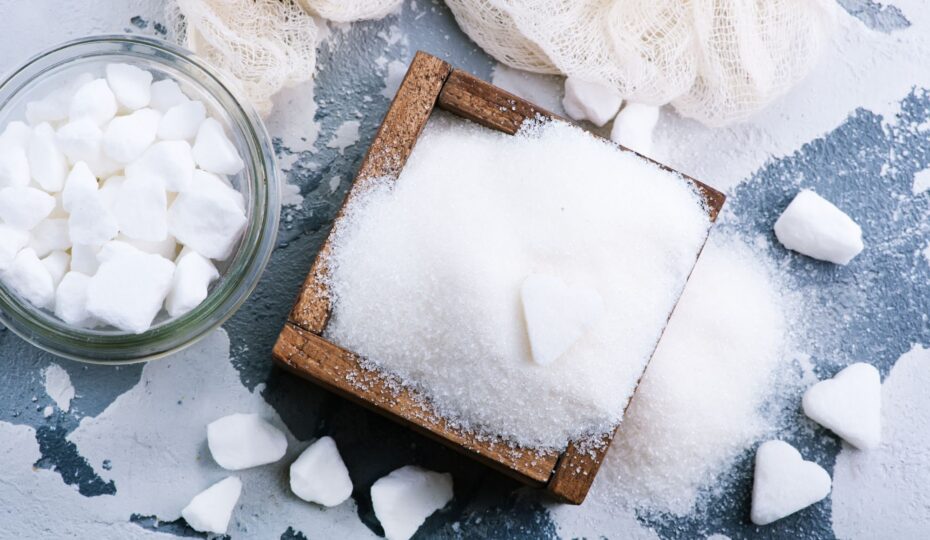
Not all sugars behave the same way in the oven. Some dissolve immediately, while others hold their shape and create that satisfying crunch on top of cookies and pastries. If you’re aiming for added texture and sparkle in your desserts, coarse sugar for baking is a go-to ingredient used by both home bakers and professionals.
It’s a decorating sugar with large, durable crystals that don’t melt easily under heat. This makes it useful not just for flavor, but also for visual appeal and texture in recipes where presentation matters. Whether you’re topping muffins, finishing scones, or making holiday treats stand out, coarse sugar does the job.
How Coarse Sugar Is Made
Coarse sugar is typically produced from either cane sugar or beet sugar. The process involves crystallizing sugar syrup, drying the crystals, and screening them to separate larger granules from smaller crystals. These large grains are often referred to as large crystal sugar or larger granules. After the crystals are dried and screened, they can be colored or left white.
In commercial settings, high-purity coarse sugar may contain almost 100% sucrose with low ash and turbidity. This purity makes it suitable for food manufacturing and decorating desserts. Bulk coarse sugar is available in 25 lb, 50 lb, or 100 lb packaging for bakeries and food businesses.
For manufacturers, consistency matters as much as crystal size. Uneven crystals can cause irregular topping coverage, with some pieces melting into the surface while larger pieces remain exposed. A consistent coarse sugar supports more predictable application, cleaner visual coverage, and a uniform crunch across full production runs.
The granules are much more visible than those found in regular sugar or even sanding sugar. That difference in size leads to noticeable differences in how coarse sugar behaves when used in baking. It doesn’t dissolve into the dough or batter like smaller crystals such as caster sugar or powdered sugar, and this characteristic makes it valuable for very specific purposes.
Why Use Coarse Sugar in Baking
Coarse sugar is used in baking when texture and appearance are important. It gives a satisfying crunch and adds visual appeal through its sparkle. Because of its heat resistance, it can be baked directly onto dough without melting. It also doesn’t dissolve as quickly as finer sugars.
This makes coarse sugar ideal for topping:
- Muffins
- Cookies
- Scones
- Cakes
- Pastries
- Sweet breads
- Other baked goods
It can also be used as a finishing sugar for candy, frosting, and desserts where sparkle and crunch are desired.
When used before baking, coarse sugar helps provide a crisp surface that holds up even after exposure to high heat. When used after baking, it creates a contrasting texture on soft dough. Many bakers combine coarse sugar with brown sugar or light brown sugar in toppings or glazes to add both sweetness and appearance.
How to Use Coarse Sugar in Baking
There are several ways to use coarse sugar in your baking recipes:
- Before baking: Sprinkle coarse sugar on raw dough before placing it in the oven. This is commonly used for cookies, muffins, and scones.
- After baking: To help sugar stick to cooled baked goods, use an egg wash made from egg whites and water. Apply it to the surface, then sprinkle sugar.
- With icing or chocolate: Apply sugar on top of wet icing or melted chocolate. Let it set by cooling or refrigeration.
- With glaze: Mix frosting with water to create a thin glaze. Sprinkle coarse sugar while the glaze is wet.
When using coarse sugar, a teaspoon or even just a pinch is often enough to finish off a dessert.
Adding coarse sugar to the edge of a cake or loaf can help the entire surface glisten once baked. You can also mix it with cinnamon, molasses, or butter to make a crunchy topping for sweet breads and other baked goods. Unlike regular white sugar, the large grains stay in place and maintain their appearance throughout the baking process.
Coarse Sugar in Recipes
Coarse sugar works best as a topping or finishing sugar. It stays on the surface and provides a crisp texture. If a baking recipe calls for sugar in the dough, use granulated sugar, brown sugar, or light brown sugar instead. When coarse sugar is used as a topping, it does not replace the sugar used in the dough. It complements the sweetness and adds contrast to the softness of cakes, muffins, pastries, or scones. In product formulation, this distinction matters because coarse sugar affects the surface finish more than the internal structure of the baked good.
Coarse sugar works well in recipes where you want texture, not extra sweetness, mixed into the batter. It’s ideal for holiday cookies, sugar-coated muffins, glazed scones, and other baked goods where appearance matters. Its resistance to melting makes it especially useful for recipes that involve long baking times or higher temperatures. Unlike some sugar substitutes, it doesn’t break down into liquid. This also makes it suitable for decorating other desserts, such as candy and fruit bars.
Coarse Sugar for Commercial Baking and Decorating
For commercial baking, coarse sugar is often used as an industrial decorating sugar. It helps baked goods keep a visible finish after baking, cooling, packaging, and handling. This makes it useful for cookies, muffins, pastries, sweet breads, candies, and seasonal desserts.
At scale, coarse sugar needs to do more than add sparkle. It should flow consistently through topping systems, resist clumping during storage, and remain visible after baking, cooling, packaging, and handling. A sugar that performs well in a small test batch may create uneven coverage in production if crystal size, moisture, or flowability are inconsistent.
Commercial bakeries and food manufacturers should evaluate coarse sugar based on crystal size, color, moisture level, and flowability. These details can affect topping coverage, finished texture, and product appearance across full production runs.
Choosing the Right Decorating Sugar for Production
Choosing the right decorating sugar depends on the product and the finish you want. Coarse sugar works well when the goal is a bold, crunchy surface. Sanding sugar may be better when you want smaller crystals and more light reflection. Pearl sugar is usually better for sweet breads and pastries that need larger, opaque pieces.
For manufacturers, the decision often comes down to texture, visibility, adhesion, and handling. A cookie line may need coarse sugar that stays bright after oven exposure. A muffin program may need crystals that adhere to domed tops without sliding during transfer. A packaged pastry may need sugar that keeps its appearance after cooling, sealing, and shelf display.
Make Your Coarse Sugar
For home bakers or small test batches, coarse sugar can be made in limited quantities using regular white sugar or turbinado sugar, though it will not offer the same consistency as commercially screened decorating sugar.
You can create coarse sugar at home using a food processor:
- Add regular white sugar or turbinado sugar into the food processor.
- Pulse briefly to break down large clumps but maintain larger crystals.
- For colored decorating sugar, add gel coloring and knead it into the sugar in a sealed bag.
- If needed, add cornstarch to reduce clumping.
- Store in an airtight container away from moisture and heat.
This DIY method is useful when you need decorating sugar or colored sugar but don’t want to buy large quantities. Some bakers also mix sanding sugar or sparkling sugar into their homemade blends to achieve both color and consistency. If you want a finer texture, reduce pulsing time until you achieve a size between regular sugar and decorating sugar.
Coarse Sugar vs. Other Types of Sugar
Understanding how coarse sugar compares with other sugar types helps bakers choose the right option for specific purposes. Here is a basic comparison:
| Sugar Type | Crystal Size | Texture | Best Use | Melts in Heat? |
| Coarse Sugar | Large crystals | Crunchy | Toppings, decorating | No |
| Granulated Sugar | Fine crystals | Smooth | General baking | Yes |
| Powdered Sugar | Fine powder | Soft, dissolves fast | Icing, frosting | Yes |
| Caster Sugar | Smaller crystals | Slightly gritty | Meringues, drinks | Yes |
| Brown Sugar | Sticky, fine | Moist | Cookies, sauces | Yes |
| Light Brown Sugar | Fine with molasses | Slightly sticky | Oatmeal, baked goods | Yes |
| Pearl Sugar | Large hard chunks | Crunchy, opaque | Sweet breads, pastries | No |
| Turbinado Sugar | Large tan crystals | Slight crunch | Muffins, beverages | Partially |
| White Sugar | Medium crystals | Smooth | The most common type, baking | Yes |
Sugar Substitutes for Coarse Sugar
If you don’t have coarse sugar, you can use these substitutes depending on the recipe:
- Decorating sugar or sanding sugar: These have a similar texture and are designed for baking
- Pearl sugar: Ideal for sweet breads and pastries
- Turbinado sugar: Slightly softer but still offers texture
Liquid sugar substitutes like syrup, honey, or agave are not ideal because they dissolve and won’t create the same crunch or appearance.
Some people may consider using caster sugar or powdered sugar, but these lack the structure and texture that coarse sugar provides. Powdered sugar is best reserved for icing or frosting, where its fine powder consistency blends smoothly with liquids like butter or cream.
Where to Buy Bulk Coarse Sugar
Bulk coarse sugar is available from specialty food suppliers and sugar distributors. It is commonly used in commercial bakeries and manufacturing for decorating cookies, candies, pastries, muffins, and other desserts. When choosing a supplier, look for consistent granulation, low moisture content, and high purity.
Available sizes often include:
- 25 lb box
- 50 lb box
- 100 lb box
For bulk buyers, supplier consistency matters because coarse sugar is often used for appearance as much as flavor. Uneven crystals can affect topping coverage, while excess moisture can lead to clumping during storage or handling. This can create extra work during production, especially when sugar is applied across large batches.
Many businesses use coarse sugar not just for flavor and texture, but also for presentation. It helps baked goods stand out on shelves or in packaging, especially for holiday or seasonal items.
It is often sold alongside other sugars like white sugar, brown sugar, and beet sugar. Some suppliers also offer decorating sugar, sanding sugar, or sparkling sugar in bulk quantities, allowing bakeries and manufacturers to select the right type of sugar for every decorating need.
Conclusion
Coarse sugar is a practical decorating sugar for baked goods that need visible texture, surface crunch, and a polished finish. Its large crystals help it stay intact better than finer sugars, making it useful for cookies, muffins, pastries, scones, and seasonal desserts. For commercial baking, the best results come from choosing coarse sugar with consistent crystal size, low moisture, and reliable flowability.
US Sweeteners supplies bulk coarse sugar for bakeries, food manufacturers, and commercial decorating applications. If you need help choosing the right crystal size, packaging option, or decorating sugar for your production needs, contact our team to request sourcing support or a quote.
FAQs
What is coarse sugar used for in baking?
Coarse sugar is used for decorating baked goods like cookies, muffins, and scones. It adds a sweet crunch and holds its shape during baking without melting.
Is coarse sugar the same as sanding sugar?
No. Coarse sugar has larger crystals, while sanding sugar has smaller, polished crystals that also reflect light. Both are used for decorating.
Can you substitute coarse sugar for granulated sugar?
No. Coarse sugar is not a substitute for granulated sugar in dough or batter. It is meant for topping and decoration only.
How do you make coarse sugar at home?
To make coarse sugar at home, pulse regular white or turbinado sugar in a food processor until the crystals are larger, then store in a sealed container.

Thomas is a product expert at US Sweeteners, a trusted bulk sugar and sweetener distributor serving food and beverage manufacturers across the USA. He writes about sweetener sourcing, ingredient trends, and supply chain insights for the food industry.