Coarse Sugar for Baking: What It Is and How to Use It

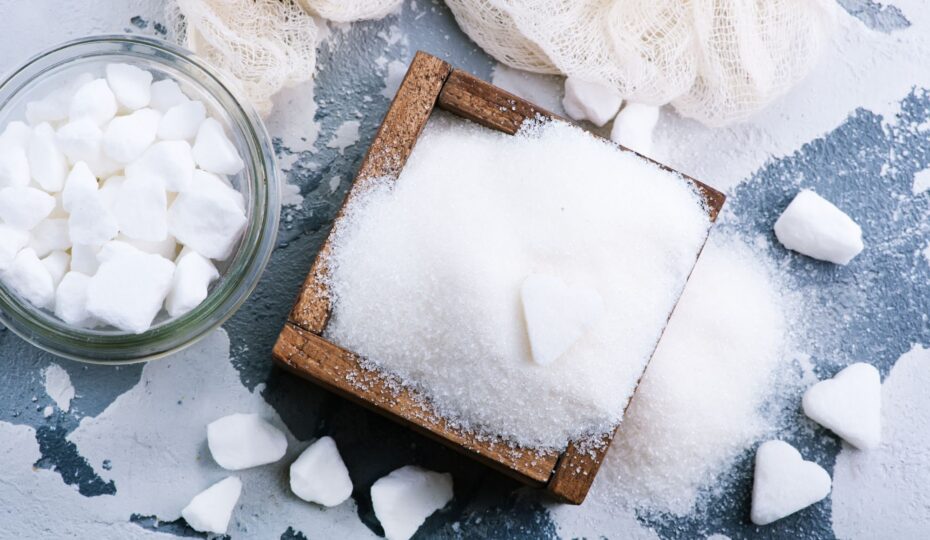
Not all sugars behave the same way in the oven. Some dissolve immediately, while others hold their shape and create that satisfying crunch on top of cookies and pastries. If you’re aiming for added texture and sparkle in your desserts, coarse sugar for baking is a go-to ingredient used by both home bakers and professionals.…
Cane Sugar vs. High-Intensity Sweeteners

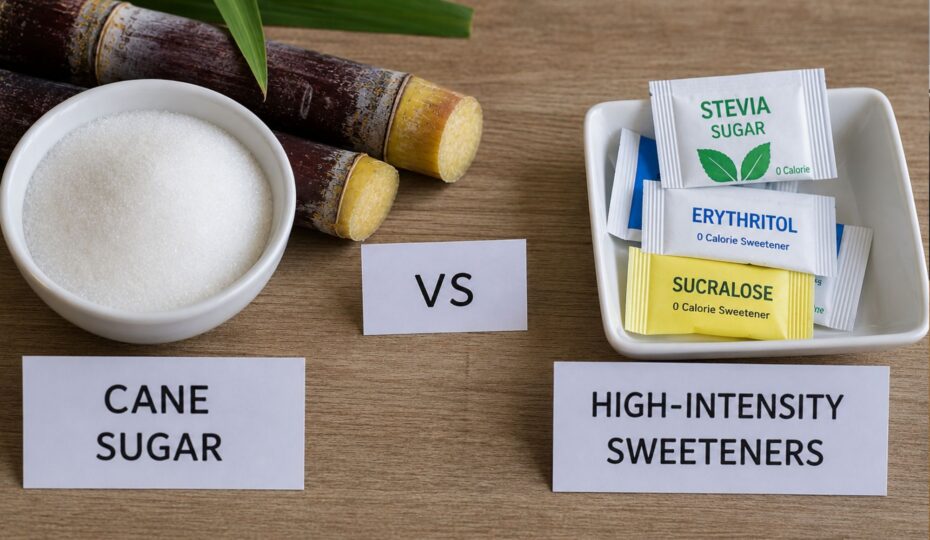
Cane Sugar vs. High-Intensity Sweeteners: Cost-Per-Sweetness Analysis for Manufacturers

Comparing cane sugar vs. high-intensity sweeteners by price per pound can lead procurement teams to the wrong conclusion. Cane sugar costs less per pound than stevia, sucralose, or monk fruit, but manufacturers need far less of these high-intensity ingredients to reach the same sweetness. This guide gives food and beverage R&D teams a practical way…
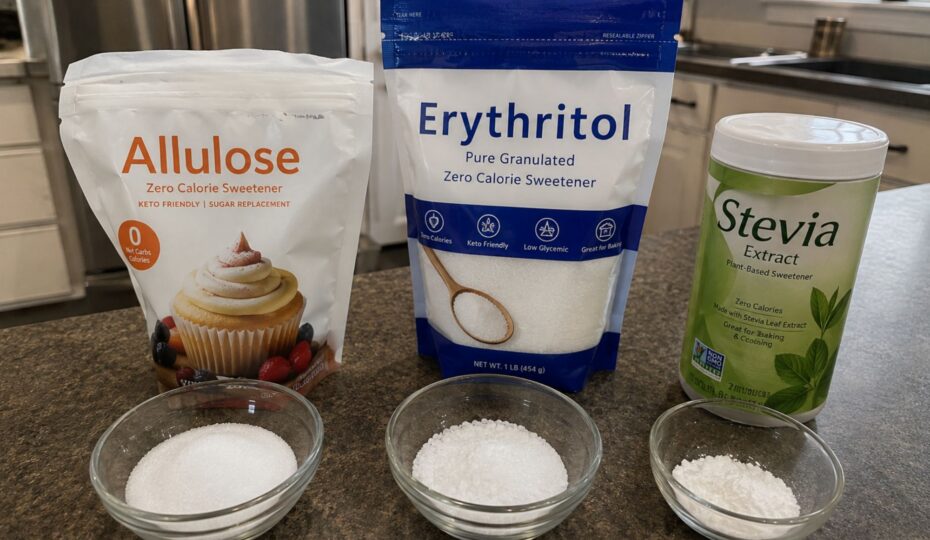
Allulose vs. Erythritol vs. Stevia

Allulose vs. Erythritol vs. Stevia: Which Sugar Alternative Wins in Your Formulation?

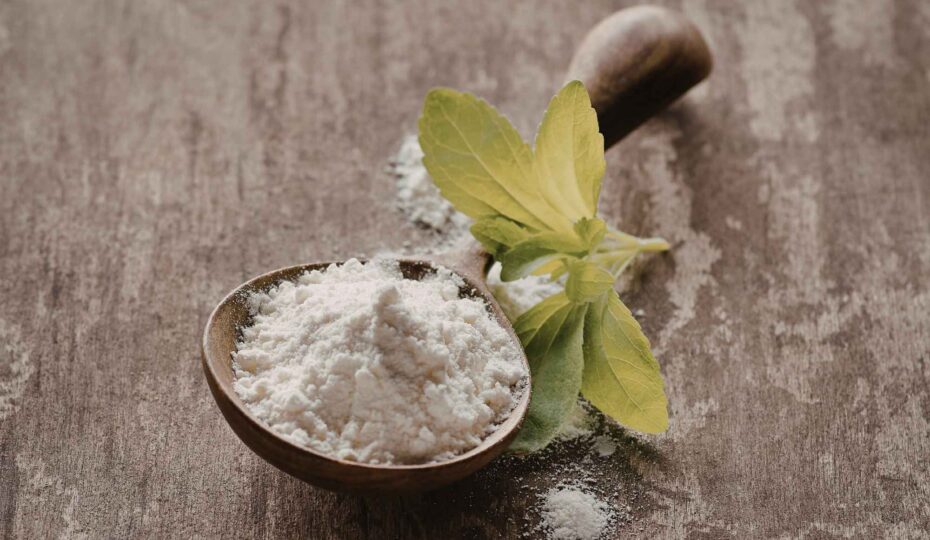
Allulose, erythritol, and stevia serve different roles in food formulation. Allulose offers the most sugar-like bulk, browning, and mouthfeel. Erythritol provides crystalline bulk but may create a cooling sensation, while stevia delivers intense sweetness at very low use levels but adds almost no bulk. The best choice depends on the product and the function sugar…
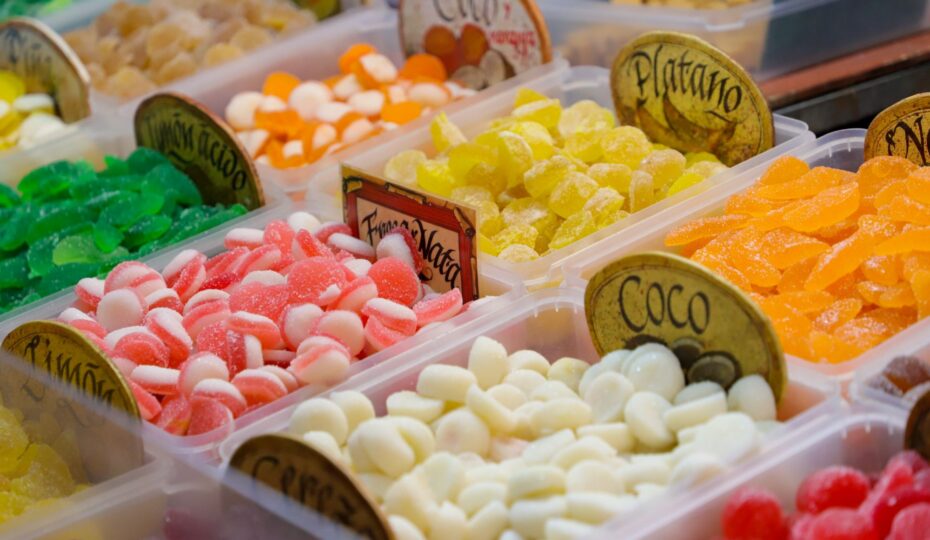
bulk sweeteners for confectionery

Bulk Sweeteners for Confectionery: Sucrose, Invert Sugar, Corn Syrup, and Texture Science

Bulk sweeteners for confectionery, including sucrose, invert sugar, and corn syrup, do more than add sweetness. They also control crystallization, texture, moisture, processing behavior, and shelf life in commercial candy products. Selecting the wrong combination can lead to grainy hard candy, sticky gummies, unstable fondants, or caramels that fail to deliver the desired consistency. For…
What Is Graded Sugar

What Is Graded Sugar and How Is It Classified?

Understanding what graded sugar is helps explain why sugar performs differently in baking, cooking, and large-scale food production. Sugar is not just sweet white crystals. It is classified by grade based on crystal size, color, moisture, and level of refining. These grading factors affect how sugar dissolves, how it impacts texture, and how it behaves…
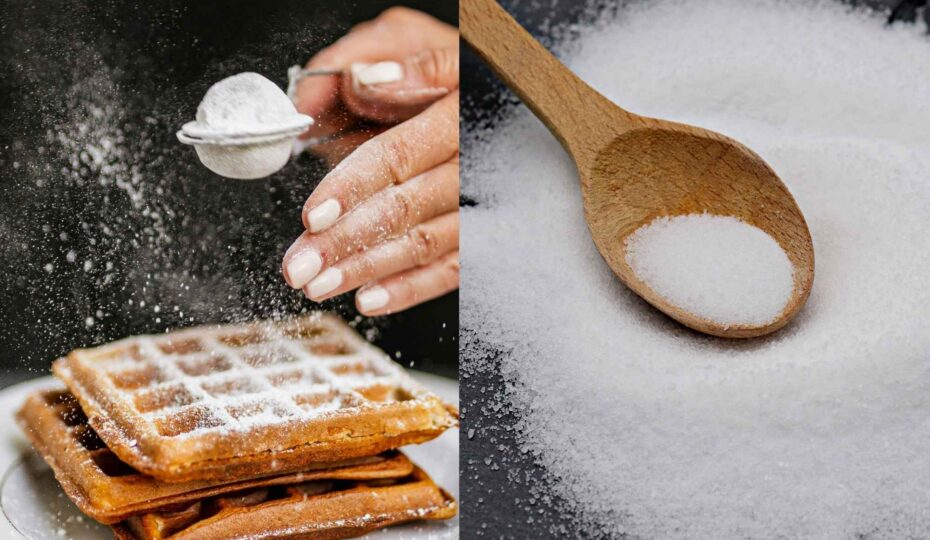
Can You Substitute Confectioners Sugar For Granulated Sugar

Can You Substitute Confectioners Sugar For Granulated Sugar?

Can you substitute confectioners’ sugar for granulated sugar in baking? The short answer is yes, but not in every case. Granulated sugar and confectioners’ sugar behave differently in recipes because of crystal size, starch content, and how they dissolve. If you swap them without adjusting the amount of sugar or the method, your baked goods…
Flavoring Water Without Artificial Sweeteners

How Does Flavoring Water Without Artificial Sweeteners Work?

Flavoring water without artificial sweeteners is a way to add taste to water without using ingredients like aspartame or relying on added sugar. Instead of turning water into a soda-style drink, this approach focuses on light flavor, balance, and drinkability. Many people use flavored water to support hydration, replace sugary sodas, and make drinking water…
Sweetener for Cold Drinks

Sweetener for Cold Drinks for Beverage Manufacturers

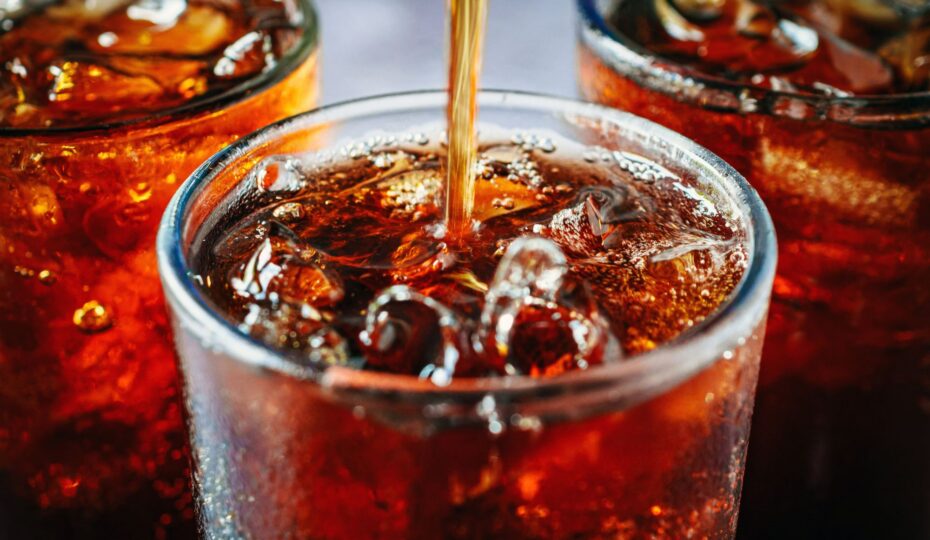
Choosing the right sweetener for cold drinks directly affects flavor, sweetness, calories, dissolution behavior, and labeling. Cold drinks behave differently from hot and cold drinks because low temperatures reduce perceived sweetness and can exaggerate bitterness or aftertaste. Beverage manufacturers working with iced coffee, iced tea, soft drinks, sparkling water, smoothies, and cocktails must account for…
Beverages Sweetened With Stevia

Beverages Sweetened With Stevia: What to Know

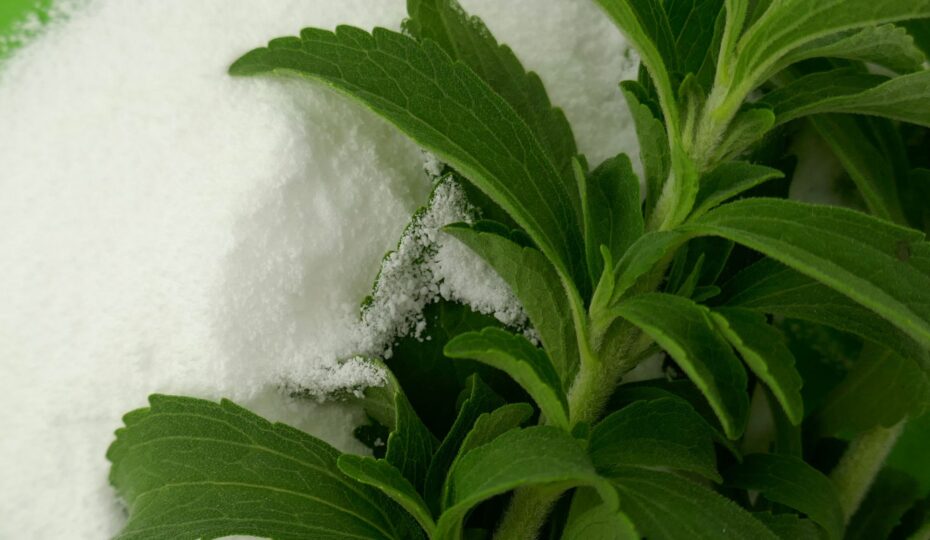
Beverages sweetened with stevia are now a core category for beverage manufacturers responding to demand for zero sugar and sugar-free drinks. Across soda, energy drinks, tea, and powdered drink mixes, stevia is used to reduce calories while keeping sweetness levels that meet consumer expectations. For manufacturers, stevia offers a way to reformulate sugar soda and…
Sugar for Cake Baking

Sugar for Cake Baking: Best Options for Manufacturers

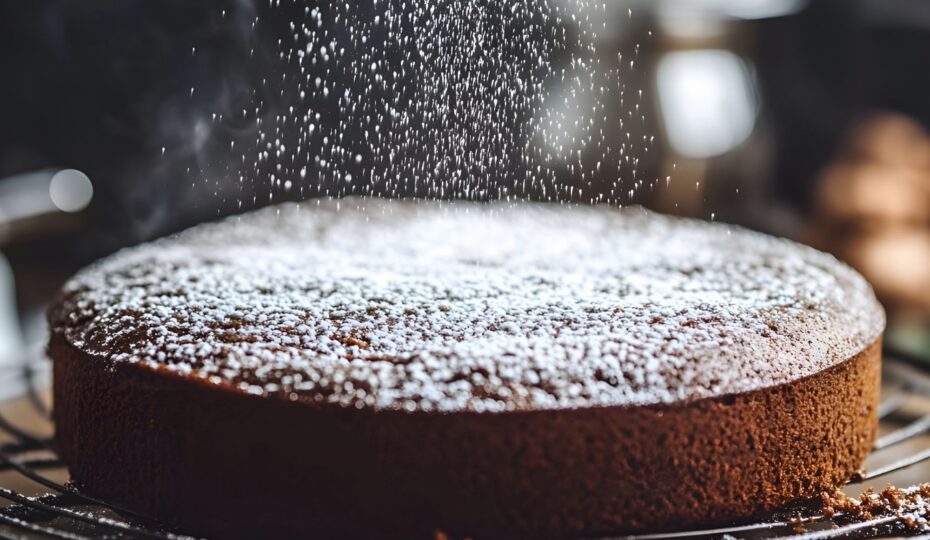
Sugar for cake baking plays a larger role than sweetness alone. In commercial baking, sugar affects texture, structure, color, moisture, and shelf life across cakes and other baked goods. The type of sugar used in a cake recipe can change how batter mixes, how cakes rise during the baking process, and how the final product…