Last Updated: August 07, 2026
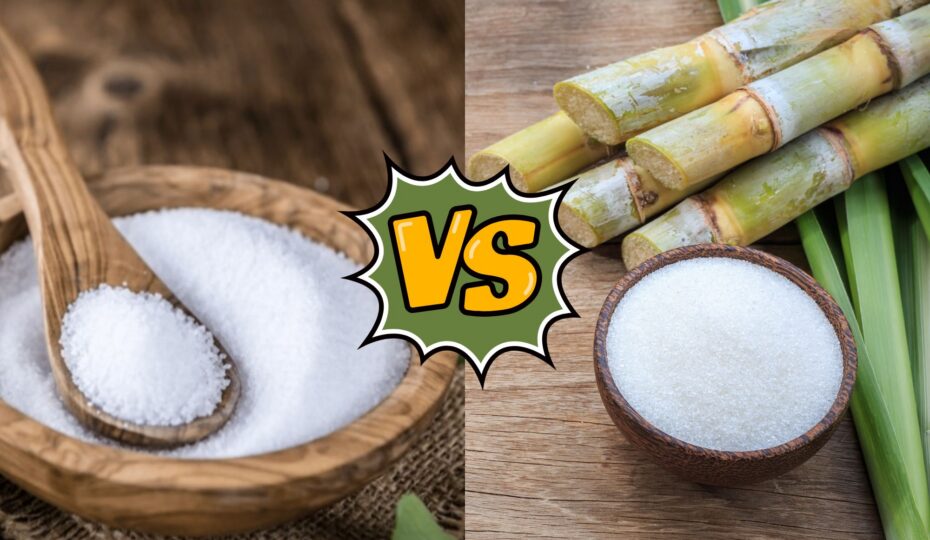
There’s a 50/50 chance the white sugar in your pantry came from a root vegetable underground, not the tropical sugarcane plant most people picture. The quiet battle of beet sugar vs cane sugar has shaped American kitchens for decades, yet many shoppers don’t realize there’s a difference at all.
These two types of sugar come from completely different plants, each with its own agricultural and processing background. Sugar beets and sugarcane also go through distinct refining methods, which can influence baking results, dietary choices, and even ethical considerations, especially if you’re avoiding GMOs or following a vegan lifestyle.
What is Beet Sugar?
Beet sugar comes from sugar beet plants, a hardy root vegetable that’s closely related to beetroot and chard. Unlike the tropical sugarcane plant, sugar beet root grows completely underground in cooler climates across states like Minnesota, North Dakota, and Michigan.
These sugar beet plants might look unremarkable on the surface, but they’re agricultural powerhouses. A single sugar beet can contain up to 20% sugar content, making them incredibly efficient sources of sweetness. The beet sugar industry has grown so substantially that it now accounts for approximately 58% of all sugar production in the United States.
The concentrated syrup extracted from these roots undergoes a fascinating transformation. After harvesting, the beets are washed, sliced into thin strips, and processed through hot water extraction to pull out every bit of natural sugar. This juice then goes through purification, concentration, and crystallization to create the familiar white sugar crystals we know.
What is Cane Sugar?
Cane sugar originates from the towering sugarcane plant, a tropical grass that can grow up to 20 feet tall. These plants thrive in warm, humid climates and are primarily grown in states like Florida, Louisiana, Texas, and Hawaii.
The sugarcane plant stores its sugar in the fibrous stalks that grow above ground. When you see those golden sugarcane crystals, pure white after processing, they’ve traveled quite a journey from field to table. The thick, bamboo-like stalks contain a sweet juice that’s been prized by humans for thousands of years.
Regular sugar from sugarcane has dominated global markets for centuries, and many consumers prefer cane sugar based on tradition and perceived quality. The refining process involves crushing the stalks to extract juice, then purifying and concentrating this liquid until sugar crystals form.
Raw sugar from sugarcane, like turbinado or demerara, represents an intermediate stage in processing where some natural molasses remains, giving it a light brown color and subtle flavor complexity that you won’t find in fully refined white sugar.
Beet Sugar vs Cane Sugar
Although both types of sugar yield nearly identical white crystals, they differ in source, processing, and even flavor notes. Here’s a quick side-by-side comparison to highlight the key distinctions:
| Category | Beet Sugar | Cane Sugar |
| Source | Root vegetable | Tropical grass |
| GMO Status | Mostly GMO | Non-GMO (U.S. grown) |
| Processing | Lime & carbon dioxide | May use bone char |
| Flavor | Neutral, slightly earthy | Slightly fruity, more complex |
| Common Use | Store-brand white sugar | Labeled cane sugar, for baking use |
Understanding these differences can help you make smarter choices, whether you’re baking at home or sourcing ingredients for commercial use.
Production Process Comparison
The journey from plant to sugar involves surprisingly different paths for beet sugar and cane sugar, despite reaching nearly identical final products.
Beet Sugar Production
Sugar beet processing begins in specialized factories where freshly harvested beets are washed, sliced, and soaked in hot water to extract the sugar-rich juice. This juice contains natural byproducts that must be treated with lime and carbon dioxide to remove impurities and clarify the liquid.
Once purified, the juice goes through evaporation to concentrate it into syrup, followed by crystallization to form pure sugar crystals. After drying, the finished product is ready for storage and packaging.
Cane Sugar Production
Sugarcane processing typically takes place in refineries and follows a two-stage process. Since sugarcane begins losing sugar content soon after harvest, the stalks are quickly crushed in large mills to extract juice. This raw juice contains various compounds that must be treated to remove impurities, including proteins, minerals, and plant residues.
In many refineries, carbon dioxide and other filtration agents are used during clarification, though some facilities also use bone char to decolorize the sugar. Afterward, the clarified juice is evaporated into syrup and crystallized. Centrifuges then separate the pure sugar crystals from molasses, completing the process.
Taste and Baking Differences
Most people cannot taste the difference between beet and cane sugar in everyday use. Both provide the same level of sweetness and dissolve identically in beverages. However, some sensitive tasters and professional bakers notice subtle differences.
Taste Characteristics
Beet Sugar:
- Slightly earthy aroma (barely detectable)
- Can have a faint burnt sugar aftertaste
- Clean, neutral sweetness
Cane Sugar:
- Subtle fruity aroma
- Clean, sweet aftertaste
- Slightly more complex flavor profile
Baking Performance
For most home baking, both cane sugar and beet sugar work identically. You can substitute one for the other in recipes without noticing a difference in cookies, cakes, or most baked goods. However, some differences emerge in specific applications:
Caramelization: Cane sugar tends to caramelize more evenly and at slightly lower temperatures, making it preferred for candy making and caramel production.
Texture: Some bakers report that beet sugar can create slightly different textures in certain recipes, particularly in delicate applications like meringues or sugar work.
Brown Sugar: This is where differences become more noticeable. Brown cane sugar contains natural molasses from the sugarcane plant, while brown beet sugar has sugarcane molasses added back in. Some bakers prefer the natural integration of molasses in brown cane sugar.
GMO Considerations
This is where beet sugar and cane sugar differ significantly for consumers concerned about genetically modified ingredients.
Sugar Beets: Approximately 95% of sugar beets grown in the United States are genetically modified. These GMO varieties are designed to resist herbicides, making farming more efficient.
Sugarcane: Currently, all sugarcane grown in the United States is non-GMO. However, some imported raw sugar may come from countries that grow genetically modified sugarcane.
Important note: The final refined sugar contains no genetic material from either plant, so the sugar itself is technically GMO-free regardless of source. However, many consumers prefer to avoid supporting GMO agriculture entirely.
If avoiding GMO ingredients is important to you:
- Choose cane sugar for guaranteed non-GMO sourcing (in the US)
- Look for certified non-GMO beet sugar (available but less common)
- Consider organic cane sugar, which must be non-GMO by certification standards
Health Considerations
Beet sugar and cane sugar have the same nutritional profile and health effects. Neither is healthier, and both should be consumed in moderation. The American Heart Association recommends limiting added sugar to no more than 6 teaspoons (25 grams) per day for women and 9 teaspoons (36 grams) for men.
Excessive intake of any refined sugar can lead to weight gain, type 2 diabetes, heart disease, dental issues, and increased inflammation. Rather than focusing on the source, it’s more important to monitor your overall sugar consumption.
Cost and Availability
In most grocery stores, you’ll find that beet sugar and cane sugar are priced similarly. The production costs differ slightly, but retail prices remain competitive.
Availability patterns:
- Most store-brand white sugar is beet sugar or a blend
- Cane sugar is often specifically labeled when it’s 100% cane
- Specialty sugars (organic, raw, etc.) are more commonly from cane
- Bulk commercial buyers may see price fluctuations based on crop yields and market conditions
Conclusion
While cane and beet sugar look and taste nearly identical, their origins, refining methods, and sourcing practices offer meaningful differences. This is especially true for consumers focused on baking performance, GMO concerns, or ethical sourcing. Understanding where your sugar comes from empowers you to make informed decisions that align with your values and culinary needs. Whether you’re sourcing for home use or large-scale production, knowing the difference can help you choose the right sweetener every time.
At US Sweeteners, we supply high-quality cane and beet sugar in bulk to meet the needs of food manufacturers, bakeries, and distributors across the country. Whether you need non-GMO cane sugar, conventional beet sugar, or organic sweetener options, our team is here to help you source the right ingredient with speed, consistency, and care. Contact us today to request a quote or explore our full product selection.
FAQs
Is beet sugar healthier than cane sugar?
No, beet sugar and cane sugar are nutritionally identical, with 99.95% pure sucrose and the same calories, carbohydrates, and health effects. The only differences are in processing methods and GMO status, not nutritional value or health benefits.
Which is cheaper, cane sugar or beet sugar?
Both types typically cost the same at retail stores, though production costs vary, and bulk commercial pricing may fluctuate based on crop yields and market conditions. Most consumers won’t notice price differences when shopping for regular granulated sugar.
Is beet sugar ok for diabetics?
Beet sugar affects blood glucose levels identically to cane sugar, so diabetics should treat both the same and consume either in moderation as part of their diabetes management plan. Neither type offers any advantage for blood sugar control over the other.
Is granulated sugar cane or beet?
Most store-brand granulated sugar is from sugar beets or a blend of both, while sugar specifically labeled as “cane sugar” is 100% from sugarcane. If the package doesn’t specify “cane sugar,” it’s likely beet sugar or a mixture of both types.

Thomas is a product expert at US Sweeteners, a trusted bulk sugar and sweetener distributor serving food and beverage manufacturers across the USA. He writes about sweetener sourcing, ingredient trends, and supply chain insights for the food industry.