
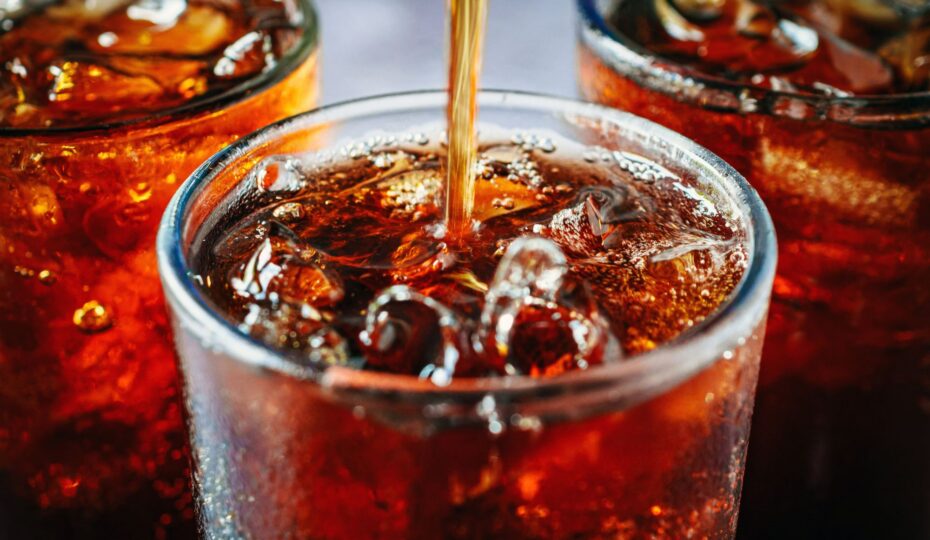
Choosing the right sweetener for cold drinks directly affects flavor, sweetness, calories, dissolution behavior, and labeling. Cold drinks behave differently from hot and cold drinks because low temperatures reduce perceived sweetness and can exaggerate bitterness or aftertaste. Beverage manufacturers working with iced coffee, iced tea, soft drinks, sparkling water, smoothies, and cocktails must account for how sweeteners perform in cold liquids, not just how they taste at room temperature or when hot.
At US Sweeteners, we support beverage manufacturers, distributors, and producers with bulk sweeteners, liquid syrups, and sugar substitutes used in cold beverages. Our role is to provide consistent ingredients, dependable logistics, and scalable supply for brands that need repeatable results across production runs.
Why Sweeteners For Cold Drinks Are Not Created Equal
Sweeteners are not created equal when used in cold drinks. Temperature changes how the tongue detects sweetness, which means a sweetener that tastes balanced in hot coffee may feel weak, sharp, or bitter once chilled. Cold drinks reduce sweetness perception, so formulators often need higher sweetness intensity or a different sweetener type to reach the same taste level.
Cold applications also introduce physical challenges. Some sweeteners struggle to dissolve in cold liquids, leading to settling, cloudiness, or uneven sweetness. For beverage manufacturers, this creates quality and consistency issues, especially at scale. A reliable sweetener for cold drinks must dissolve quickly, remain stable in liquids, and support the desired flavor profile without adding unwanted calories or aftertaste.
How Temperature Affects Sweetness And Flavor
Cold temperature lowers perceived sweetness and changes flavor balance. In cold drinks, sweetness feels less intense, while bitter and acidic notes stand out more. This is why iced tea often tastes sharper than hot tea and why iced coffee may require more sweetener to achieve the same taste.
Flavor release also slows in the cold. Caramel, vanilla, and fruit flavors behave differently, which affects how sweeteners interact with other ingredients. Beverage teams must select sweeteners that support flavor without masking coffee, tea, or fruit notes. The goal is a smooth sweetness that feels balanced even at low temperatures.
Table Sugar And Regular Sugar In Cold Drinks
Table sugar and regular sugar remain common in cold beverages because they deliver familiar sweetness and mouthfeel. Cane sugar and real sugar are widely used in iced tea, sweet teas, coffee drinks, and cocktails, especially in premium or traditional recipes.
The limitation of regular sugar is its calorie and carbohydrate content. Table sugar adds extra calories and is clearly labeled as added sugar on labels. For brands focused on health, weight management, or sugar reduction, this often leads to partial replacement with other sweeteners rather than full removal.
Cane Sugar And Simple Syrup Applications
Cane sugar is often preferred for cold drinks because of its clean taste and predictable sweetness. In cold applications, it is commonly used as simple syrup rather than dry granules. Simple syrup dissolves easily in cold liquids, which prevents graininess and uneven sweetness.
From a manufacturing perspective, simple syrup improves consistency and processing efficiency. Liquid sugar allows precise dosing, faster mixing, and stable performance across batches. It is widely used in iced coffee, sweet teas, flavored syrups, and cocktails.
High Fructose Corn Syrup In Cold Beverages
High fructose corn syrup is widely used in soft drinks and other cold beverages because it dissolves easily and remains stable in liquid form. It provides consistent sweetness in cold, carbonated environments where granular sugar would struggle.
For beverage manufacturers, high fructose corn syrup offers a reliable supply, predictable sweetness, and cost control. While consumer perception varies, it remains a core sweetener in many cold drinks due to its functional performance and ease of use.
Natural Syrups Like Agave Nectar And Maple Syrup
Agave nectar and maple syrup are used when brands want a natural sugar image. These sweeteners bring distinct flavor characteristics that work well in coffee drinks, smoothies, and specialty beverages.
Agave nectar has a mild sweetness that blends easily, while maple syrup adds a rich flavor that can enhance caramel or coffee notes. Both add calories and carbohydrates and must be handled carefully to dissolve evenly in cold liquids. Their stronger flavor impact means they are often used selectively rather than as direct sugar replacements.
Honey In Cold Drinks
Honey is another natural sweetener used in tea, smoothies, and some cold beverages. It provides rich sweetness and a familiar taste, but dissolves slowly in cold liquids unless pre-mixed.
In beverage production, honey often works best when blended with other sweeteners. This approach balances flavor, improves dissolution behavior, and helps control calories while keeping a natural label appeal.
Artificial Sweeteners In Cold Drinks
Artificial sweeteners play a major role in sugar-free cold drinks such as Diet Coke and other low-calorie beverages. Aspartame and sucralose provide high sweetness with minimal calories, which makes them useful for calorie reduction.
According to research, non-nutritive artificial sweeteners are widely used in the beverage industry as substitutes for added sugar because they provide strong sweetness with little to no calories. These compounds can be hundreds of times sweeter than sucrose, which allows beverage manufacturers to achieve the desired sweetness while using very small quantities of sweetener. The study also notes that beverage formulations often combine multiple sweeteners to balance flavor and mask bitterness, since blends can produce a more natural sweetness profile than a single sweetener alone.
Cold drinks can highlight the weaknesses of artificial sweeteners. Bitter notes and lingering aftertaste become more noticeable at low temperatures. Beverage manufacturers often blend artificial sweeteners with other ingredients to smooth sweetness and reduce harsh flavor edges.
Stevia And Monk Fruit For Cold Drinks
Stevia and monk fruit are natural sugar substitutes used in many low-calorie beverages. They offer high sweetness without added sugar and are common in sparkling water, iced tea, and coffee drinks.
In cold drinks, stevia and monk fruit can produce a bitter or delayed sweetness. This makes blending important. Pairing these sweeteners with sugar alcohols or small amounts of sugar helps improve taste and mouthfeel.
Sugar Alcohols And Bulk Sweeteners
Sugar alcohols such as erythritol and xylitol are used to replace the bulk and texture lost when sugar is removed. Erythritol dissolves well in cold liquids and provides clean sweetness with low carbs and minimal calories.
Xylitol offers sweetness close to regular sugar and supports mouthfeel, though it can create a cooling sensation. Sugar alcohols are commonly used in smoothies, flavored waters, and sugar-free beverages to support the body and balance sweetness.
Sweetener Blends For Cold Beverages
Most cold drinks rely on blends rather than a single sweetener. Blending allows control over sweetness intensity, flavor balance, calories, and cost. A common approach pairs a high-intensity sweetener with a bulk sweetener.
Blends also help manage bitterness and aftertaste while improving dissolution behavior. This strategy is used across iced coffee, iced tea, soft drinks, sparkling water, and flavored syrups.
Sweeteners For Iced Coffee And Coffee Drinks
Iced coffee requires smooth sweetness that does not overpower roast or caramel notes. Cane sugar syrup, simple syrup, and flavored syrups are common choices in coffee drinks.
Low-calorie iced coffee often uses stevia, sucralose, or monk fruit blends. These sweeteners reduce calories while maintaining sweetness, provided bitterness is controlled through blending.
Sweeteners For Iced Tea And Sweet Teas
Iced tea loses sweetness quickly when chilled, which often leads to higher sweetener levels. Liquid sugar and simple syrup help avoid undissolved granules and uneven taste.
Sweet teas rely heavily on syrup-based sweeteners for consistency. Sugar substitutes may be added to reduce calories while keeping the familiar sweet profile.
Sweeteners For Soft Drinks And Sparkling Water
Soft drinks demand stable sweetness, carbonation compatibility, and a clean finish. High fructose corn syrup, cane sugar, and artificial sweeteners remain standard choices.
Sparkling water typically uses lighter sweetness levels. Monk fruit, stevia, and erythritol blends provide subtle sweetness without adding extra calories.
Sweeteners For Smoothies And Fruit Beverages
Smoothies and fruit drinks contain natural sugar from fruits, so sweeteners are used to balance acidity and flavor. Agave nectar, honey, and sugar alcohols work well in these applications.
The focus is on maintaining a smooth texture and natural taste without overwhelming fruit flavors or adding unnecessary calories.
Added Sugar And Label Impact
Added sugar is now a major focus on beverage labels. Cold drink brands must manage sugar levels to meet market expectations and regulatory requirements.
Sugar-free and low-calorie drinks depend on sugar substitutes to control carbs and calories. Label strategy plays a direct role in sweetener selection.
Calories, Carbohydrates And Health Positioning
Sweeteners influence calories, carbohydrates, and weight perception. Regular sugar adds energy, while artificial sweeteners and sugar alcohols reduce calorie load.
Most people read labels closely when choosing drinks. Beverage manufacturers select sweeteners that support health positioning while preserving taste.
Dissolve And Processing Behavior
Dissolve behavior is critical in cold liquids. Granular sugar dissolves slowly, while syrups and liquid sweeteners mix evenly and quickly.
Liquid formats also support processing efficiency. They reduce variability and improve consistency during large-scale production.
Practical Formulation Guidance
Start small when testing a sweetener for cold drinks. Cold temperature amplifies sweetness errors and aftertaste issues.
Gradual adjustments and blending help fine-tune flavor, sweetness, and mouthfeel without pushing calories too high.
Sweeteners Beyond Cold Drinks
Some sweeteners perform well in baked goods, baking, and cooking, but fail in cold drinks. Heat changes the sweetness behavior and solubility.
Hot and cold drinks require different approaches. Beverage teams should test sweeteners under real cold conditions before scaling.
Supply And Consistency Matter
Sweeteners must perform the same in every batch. Consistent specs, packaging options, and reliable logistics support stable production. Bulk liquids, boxed syrups, and dry ingredients all serve different needs. Reliable supply protects flavor, labels, and production schedules.
At US Sweeteners, we offer bulk ingredient supply specifically designed for beverage manufacturers working with soda, energy drinks, flavored water, iced coffee, and other drink formulations. If you are looking for reliable ingredients and consistent supply for large-scale beverage production, explore our Sweeteners for Beverage Manufacturing solutions. Our team supports beverage companies with bulk sweetener options, liquid syrups, and nationwide logistics that help maintain consistent sweetness, stable formulations, and dependable production schedules.
Conclusion
A sweetener for cold drinks must dissolve in cold liquids, deliver clean sweetness, support flavor, and align with calorie and label goals. Cold beverages expose sweetness gaps, bitterness, and solubility problems that may not appear in hot applications. Sugar, syrups, sugar substitutes, and blends each serve a role across iced coffee, iced tea, soft drinks, sparkling water, and smoothies.
At US Sweeteners, we supply bulk sweeteners, liquids, and sugar substitutes used in cold beverages across the United States. Our logistics network supports steady inventory, consistent quality, and scalable supply for beverage manufacturers. Contact us to discuss ingredient options that fit your formulation, processing needs, and labeling goals.
FAQs
What is the best sweetener for cold drinks?
Liquid sweeteners and syrups dissolve best in cold drinks. Blends help balance sweetness, flavor, and calories.
Why does sugar taste less sweet in cold beverages?
Cold temperature reduces sweetness perception, which is why cold drinks often need different sweeteners or higher sweetness levels.
Are sugar-free sweeteners good for iced coffee?
Yes. Stevia, sucralose, and monk fruit are common in iced coffee when blended to reduce bitter aftertaste.
Does the FDA regulate sweeteners used in cold drinks?
Yes. The FDA approves sweeteners and sets labeling rules for added sugar, calories, and carbohydrates in beverages.

Thomas is a product expert at US Sweeteners, a trusted bulk sugar and sweetener distributor serving food and beverage manufacturers across the USA. He writes about sweetener sourcing, ingredient trends, and supply chain insights for the food industry.