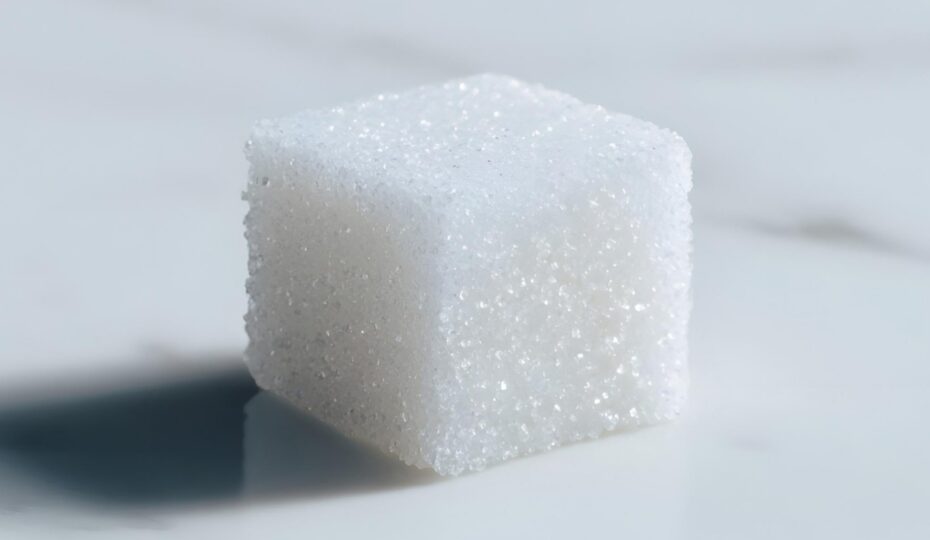
Understanding what graded sugar is helps explain why sugar performs differently in baking, cooking, and large-scale food production. Sugar is not just sweet white crystals. It is classified by grade based on crystal size, color, moisture, and level of refining. These grading factors affect how sugar dissolves, how it impacts texture, and how it behaves in recipes for cakes, cookies, sauces, syrups, and drinks.
At US Sweeteners, we supply bulk granulated sugar, liquid sugar, powdered sugar, and other essential food ingredients to distributors, wholesalers, bakeries, and manufacturers across the United States. Our multi-warehouse distribution system and 30+ years of logistics experience support reliable supply, consistent grade specifications, and efficient nationwide delivery for the food industry.
What Is Graded Sugar?
When asking what graded sugar is, the answer is straightforward. Graded sugar is sugar that has been classified by measurable standards such as crystal size, color, moisture level, and processing quality. These grades help determine how the sugar performs in baking, beverages, sauces, and commercial food manufacturing.
The grade affects how sugar dissolves, how smooth it feels in cream or whipped mixtures, and how it contributes to sweetness and flavor. A fine grade may dissolve easily in delicate meringues, while a coarse grade may create crunch on pastries. Grading creates consistency, which is key in both small recipes and large-scale industry production.
Where Sugar Comes From And How Processing Affects Grade
Sugar is produced from sugarcane or sugar beets. Both sugarcane and sugar beets produce sucrose, the main compound in white sugar and table sugar. Whether derived from cane or sugar beets, the goal of processing is to extract, purify, and crystallize sucrose into usable sugar crystals.
The processing steps influence the final grade. Juice is extracted from cane, purified, concentrated, and crystallized. Molasses is separated from the crystals, and further refining produces white sugar with uniform crystals. The amount of processing determines color, moisture, molasses flavor, and crystal size.
What Sugar Grade Measures
Sugar grade measures several technical characteristics that affect food performance. Crystal size is one of the most important. Smaller crystals dissolve faster in liquids and drinks, while larger crystals dissolve more slowly and can add texture.
Color grading also matters. White sugar has minimal molasses, while brown sugar retains or has molasses added back during processing. Light brown sugar contains less molasses than dark brown sugar. Moisture control is another grading factor, as moisture impacts clumping, storage, and how sugar blends into recipes.
Granulated Sugar As The Standard Grade
Granulated sugar is the most commonly used sugar in baking and cooking. It is also called white sugar or table sugar. This grade consists of medium-sized, uniform crystals that provide balanced sweetness and structure in baked goods.
Granulated sugar works well in cakes, cookies, and pastries because it creams effectively with butter or cream. The crystals help create air pockets that support lift and soft texture. In commercial food production, this standard grade offers reliable performance and consistent results.
Superfine And Caster Sugar Grades
Caster sugar, also called superfine sugar, has smaller crystals than standard granulated sugar. These fine crystals dissolve easily in delicate mixtures such as meringues, whipped egg foams, and certain drinks.
Because superfine sugar dissolves quickly, it helps create a smooth texture in delicate recipes. It reduces the risk of graininess in cakes and whipped applications. The main difference between granulated sugar and caster sugar is crystal size, not sweetness.
Powdered Sugar And Fine Ground Grades
Powdered sugar is granulated sugar that has been ground into a fine powder. It often contains a small amount of an anti-caking ingredient to prevent clumping. This grade is used in frostings, glazes, whipped cream, and decorative dusting.
According to research, powdered sugar is produced by finely grinding granulated sugar and adding a small amount of cornstarch to prevent caking. The extremely small particle size allows powdered sugar to dissolve more quickly than granulated sugar, which helps create smooth icings, glazes, and meringues. Powdered sugar grades such as 10X refer to particle size distribution, with higher numbers indicating finer particles and faster dissolving performance in baking applications.
The powder form allows it to dissolve almost instantly, creating a smooth finish. It prevents crunch and graininess in icing and cream fillings. In food manufacturing, powdered sugar supports consistent blending in dry mixes and coatings.
Brown Sugar Grades And Molasses Content
Brown sugar includes molasses, which gives it color, moisture, and a deeper flavor. Light brown sugar contains less molasses and provides a mild caramel taste. Dark brown sugar contains more molasses, producing a rich, dark brown color and a stronger molasses flavor.
Molasses increases moisture retention in baked goods, resulting in softer cookies and cakes. Dark brown sugar is often used in barbecue sauces, rich pastries, and recipes where depth of flavor is desired. The grade difference directly affects taste, texture, and color.
Raw And Coarse Sugar Grades
Raw sugars such as turbinado sugar and demerara sugar are less refined than white sugar. They retain a light golden color and a subtle molasses flavor. The crystals are larger and coarser than refined table sugar.
Turbinado and demerara sugar are often used as finishing sugars. They add crunch to cookies, pastries, and baked goods when sprinkled on top before baking. They are also used in coffee and drinks where a hint of caramel and texture is preferred.
Sanding Sugar And Decorative Grades
Sanding sugar consists of large, polished crystals designed to maintain their shape during baking. It is mainly used for decoration rather than mixing into batter.
Because sanding sugar does not fully dissolve during baking, it adds visible sparkle and crunch to cookies and pastries. This grade enhances appearance and texture without changing the structure of the baked good itself.
Cane Sugar vs. Granulated Sugar
It comes exclusively from sugarcane, while granulated sugar can come from sugarcane or sugar beets. Cane sugar may be slightly less refined and can have a light golden color and mild molasses flavor.
In many recipes, cane sugar and white granulated sugar can be substituted equally. However, the slight difference in crystal size may affect delicate baking such as meringues or smooth syrups. For most cooking and baking uses, the sweetness level remains similar.
Why Sugar Grade Matters In Baking And Cooking
Sugar grade directly affects texture, sweetness, and structure. When creamed with butter, sugar crystals help trap air, which supports lift in cakes. In cookies, crystal size influences spread and crunch.
In sauces and syrups, the ability of sugar to dissolve determines smoothness and clarity. Brown sugar contributes caramel depth and moisture in barbecue and rich sauces. Selecting the right grade improves flavor balance and final texture in baked goods and other food applications.
Sugar Grades In The Food Industry
In the food industry, sugar grade supports consistency and repeatable results. Manufacturers require uniform crystal size, stable moisture levels, and predictable color to maintain product quality. Variations in grade can change mixing time, dissolving rate, and final product texture.
Bulk sourcing also depends on reliable supply and consistent specifications. Stable grade standards help manufacturers produce consistent cakes, cookies, syrups, drinks, and sauces across production runs.
At US Sweeteners, we offer ingredient solutions designed specifically for bakery operations and food manufacturers. If you are looking for dependable sourcing, explore our Sweeteners for Bakeries solutions. We offer bulk sugar, powdered sugar grades, liquid sweeteners, and specialty ingredients supported by nationwide logistics, flexible packaging, and consistent inventory that helps bakery teams maintain reliable production.
Common Sugar Types And Their Applications
Different types of sugar are graded and processed for specific uses in baking, cooking, and food production. Crystal size, molasses content, and level of refining determine how each sugar performs in recipes, beverages, sauces, and industrial applications.
- Granulated sugar: Standard white crystals used in baking and cooking. Provides balanced sweetness, structure, and reliable dissolving in cakes and cookies.
- Caster sugar: Fine or superfine crystals that dissolve easily. Ideal for meringues, delicate pastries, and drinks requiring a smooth texture.
- Powdered sugar: Ground into fine powder form. Used for whipped cream, frosting, glazes, and smooth finishes without graininess.
- Light brown sugar: Contains a moderate amount of molasses. Adds moisture and mild caramel flavor to baked goods and sauces.
- Dark brown sugar: Higher molasses content with dark brown color. Delivers rich flavor depth and soft texture in cookies and barbecue recipes.
- Turbinado sugar: Coarse raw crystals with a light golden color. Used for topping pastries and sweetening coffee with a slight crunch.
- Demerara sugar: Large crystals with subtle molasses flavor. Adds crunch and caramel taste to baked goods.
- Sanding sugar: Large decorative crystals. Used as a finishing sugar to add sparkle and texture without dissolving fully.
Conclusion
Graded sugar refers to sugar classified by crystal size, color, moisture, and refining level. These grades influence how sugar dissolves, how it affects texture, and how it contributes to sweetness, caramel notes, and flavor depth in food. From white sugar and brown sugar to powdered sugar, turbinado sugar, and demerara sugar, each grade serves a specific purpose in baking, cooking, and industry applications.
At US Sweeteners, we supply bulk granulated sugar, liquid sugar, powdered sugar, and other essential ingredients for distributors, wholesalers, and manufacturers across the United States. Our multi-warehouse system supports reliable inventory and consistent grade standards for large-scale food production. For more information about bulk supply and distribution options, contact us to discuss your ingredient sourcing needs.
FAQs
What is graded sugar in simple terms?
Graded sugar is sugar that has been classified by crystal size, color, moisture, and level of refining. The grade determines how it performs in baking, cooking, and food manufacturing.
Is graded sugar the same as granulated sugar?
Granulated sugar is one type of graded sugar. Graded sugar includes different types such as white sugar, brown sugar, powdered sugar, and coarse decorative sugars.
What is the difference between cane sugar and white sugar?
Cane sugar comes only from sugarcane and may be slightly less refined. White sugar, also called table sugar, can come from sugarcane or sugar beets and is usually more refined with uniform crystals.
Which sugar grade is best for baking?
Granulated sugar is best for most baking because it balances sweetness, structure, and dissolving rate. Superfine sugar works better for delicate recipes like meringues, while brown sugar adds moisture and deeper flavor.

Thomas is a product expert at US Sweeteners, a trusted bulk sugar and sweetener distributor serving food and beverage manufacturers across the USA. He writes about sweetener sourcing, ingredient trends, and supply chain insights for the food industry.