
Is Glucose Syrup Bad for You? Guide to Health, Risks, and Uses
Glucose syrup is not inherently bad, but eating too much of it regularly can contribute to blood sugar spikes, weight gain, dental problems, and higher long-term health risks. Found in everything from cereals and baked goods to soft drinks and sauces, it is one of the most common yet least understood ingredients in processed foods, which is why the question “Is glucose syrup bad*?”* keeps coming up among shoppers, health-conscious readers, and the food manufacturers, bakeries, and formulators who use bulk sweeteners in products.
This guide takes an evidence-based approach to that question, explaining what glucose syrup is, how it’s made, its nutritional profile, the health concerns linked to overuse, and how it compares with other sweeteners like table sugar and high fructose corn syrup. It also shows how to read labels, where glucose syrup fits within dietary guidelines, and what smart intake strategies look like, so readers can make informed decisions about everyday consumption and product formulation.
What Is Glucose Syrup?
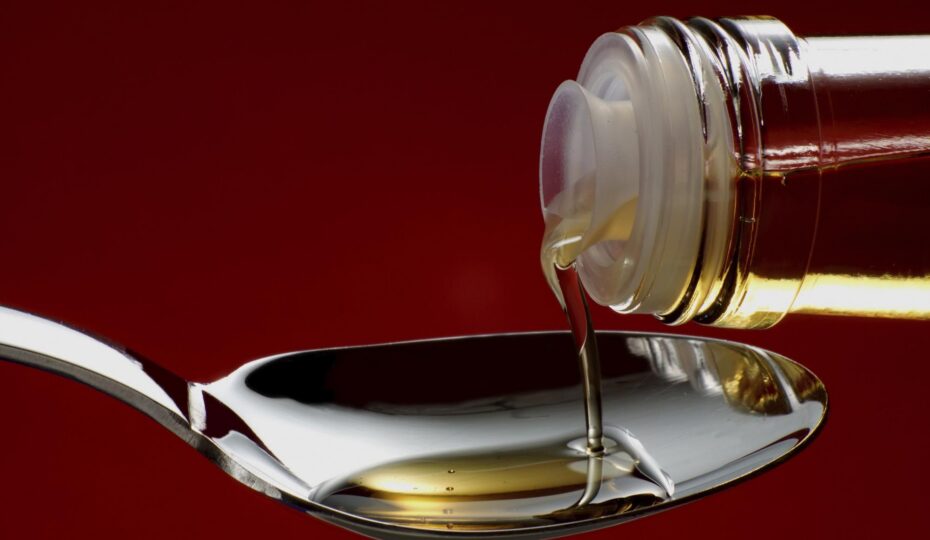
Glucose syrup is a concentrated sweetener made by breaking down glucose molecules in starchy foods like corn, wheat, or potatoes. Unlike the simple sugar found naturally in fruits, this sweet liquid undergoes chemical processing to create a product that’s primarily used in commercial food production.
The food industry loves glucose syrup for three main reasons: it prevents crystallization in candy, retains moisture in baked goods, and extends shelf life in processed foods. You’ll find it in everything from soft drinks and cookies to canned fruits and energy bars, often alongside other sugars, sweeteners, and food enhancement agents.
There are two main types of glucose syrup:
- Confectioner’s** Syrup**: Made through acid processing, containing about 19% glucose, 14% maltose, and other carbohydrates. This type is commonly used in candy making.
- High-Maltose Glucose Syrup: Created using enzymes, containing 50-70% maltose. It’s less sweet than table sugar but better at keeping foods dry and fresh.
How It’s Made
The production process starts with starchy foods like corn or wheat, while corn syrup is made only from cornstarch. Manufacturers use either acid hydrolysis or enzymes to break down the starch into simple sugars. The result is a thick, sweet liquid that can be further processed into powder form.
The “dextrose equivalent” (DE) number tells you how much the starch has been broken down. Higher DE means more sugar content and greater sweetness, and the source starch can also include rice.
The Truth About Glucose Syrup Health Effects
Here’s what you need to know about how glucose syrup affects your body, especially if you’re sourcing from large-scale sugar and sweetener suppliers:
Nutritional Profile
One tablespoon of glucose syrup contains:
- 62 calories (compared to 16 calories in table sugar)
- 17 grams of carbohydrates
- No protein, fats, dietary fiber, vitamins, or minerals
This makes glucose syrup a concentrated source of empty calories that provides energy but no meaningful health benefits.
Real Health Concerns
- Blood Sugar Impact: Glucose has a glycemic index of 100, so glucose syrup can cause rapid spikes in blood sugar and insulin levels; excessive intake may also contribute to insulin resistance and type 2 diabetes over time. This is especially concerning for people with diabetes or prediabetes, who need to monitor intake carefully, even compared with other sugars.
- Weight Gain: The high calorie content and rapid absorption can contribute to weight gain when consumed regularly. People managing weight should limit glucose syrup because of its high calorie density, and excess calories can lead to visceral fat accumulation. Your body processes these calories quickly, often leaving you hungry again soon after eating, which makes regular overuse especially unhealthy.
- Dental Health: Like all added sugars, glucose syrup feeds harmful bacteria in your mouth, increasing the risk of dental caries, tooth decay, and poor dental health.
- Heart Disease Risk: Regular consumption of high amounts of added sugars, including glucose syrup, has been linked to increased risk of heart disease and high blood pressure. Persistently high added-sugar intake is also associated with rising obesity rates and broader metabolic health concerns, and high-glycemic carbohydrates may promote chronic systemic inflammation.
Separating Facts from Fiction
- Cancer Claims: While some articles claim glucose syrup causes cancer, current research shows that excess weight (which can result from too much sugar) may increase cancer risk, not the glucose syrup itself.
- Liver Damage: Your liver does process glucose syrup, and excessive consumption can strain this organ and may promote fat creation in the liver. However, moderate intake as part of a balanced diet isn’t likely to cause liver damage in healthy individuals.
- Addiction: While sugar can trigger pleasure responses in the brain, glucose syrup isn’t technically addictive in the medical sense.
Frequent use of glucose syrup in highly processed foods can also crowd out more nutrient-dense choices in the diet.
How Glucose Syrup Compares to Other Sweeteners, Including High Fructose Corn Syrup
Understanding how glucose syrup stacks up against other sweeteners helps put things in perspective, and among common syrups, corn syrup is generally sweeter than glucose syrup, especially when you look at bulk liquid sugar, liquid sucrose, and corn syrup options.
- Glucose syrup vs corn syrup: Both are liquid sweeteners, but glucose syrup is usually less sweet and is often valued more for texture and moisture retention than for sweetness alone.
- Glucose syrup vs sugar: Regular sugar is a disaccharide made of glucose and fructose, while glucose syrup is mostly free glucose and other short-chain carbohydrates. Sugar also tends to have a stronger sweet taste, and many manufacturers rely on a bulk sugar supplier in the US when formulating products.
- Glucose syrup vs honey: Honey contains natural sugars, trace nutrients, and antioxidant compounds, but it’s still high in sugar and calories. Glucose syrup is more processed and used mainly for consistency and shelf life, similar to how manufacturers use bulk liquid sugar as a convenient sweetener.
- Glucose syrup vs High Fructose Corn Syrup: hfcs contains varying fructose content, which affects sweetness and how it’s used in many food products and beverages. Glucose syrup, by contrast, is lower in sweetness and is often used more for texture and stability.
Sweetener Comparison Table: Key Differences
| Sweetener | Calories per tbsp | Main Components | Glycemic Impact |
|---|---|---|---|
| Glucose Syrup | 62 | Glucose, maltose | High |
| Table Sugar | 48 | Sucrose | Medium–High |
| High Fructose Corn Syrup | 53 | Fructose, glucose | High |
| Honey | 64 | Fructose, glucose | Medium |
| Maple Syrup | 52 | Sucrose, glucose | Medium |
| Key Differences: |
- Vs. Table Sugar: Glucose syrup is more concentrated and causes faster blood sugar spikes than regular sugar.
- Vs. High Fructose Corn Syrup: Both are processed sweeteners, but high fructose corn syrup contains more fructose, which may have different metabolic effects.
- Vs. Natural Sweeteners: Honey and maple syrup contain trace nutrients and antioxidants, while glucose syrup offers no nutritional benefits.
Smart Strategies for Managing Glucose Syrup Intake
Reading Food Labels
Glucose syrup appears under many names on ingredient lists:
- Glucose syrup
- Corn syrup
- Glucose-fructose syrup
- Light corn syrup
- Corn syrup solids
Remember: ingredients are listed by weight, so if glucose syrup appears near the top of the list, the product contains a significant amount, which is particularly relevant for brands working with US-based bulk sweetener suppliers.
Processed Foods That Commonly Contain Glucose Syrup
High-Content Foods:
- Candy and confections
- Soft drinks and energy drinks, including sodas
- Processed baked goods
- Ice cream and frozen desserts
- Canned fruits in syrup
Glucose syrup is common in many recipes and commercial formulations because it can improve taste and mouth feel. In baking and confectionery, it helps prevent sugar crystallization and maintain a smooth texture in certain recipes, which also reduces sugar crystallization and can support overall taste, especially when paired with bulk confectioners sugar for icings and fillings.
Surprising Sources:
- Bread and crackers
- Salad dressings
- Yogurt (flavored varieties)
- Protein bars
- Some medications and vitamins
Healthier Alternatives
If you’re looking to reduce glucose syrup intake, consider these options:
- For Manufacturers: Organiccane sugar, coconut nectar, or stevia-based sweeteners can provide sweetness with better nutritional profiles, and sourcing bulk granulated sugar for large-scale production can help balance cost and quality.
- For Consumers: Focus on whole foods like fresh fruits and vegetables for natural sweetness. When buying processed foods, look for products sweetened with honey, maple syrup, or other natural options.
Practical Guidelines for Daily Intake
Health experts recommend limiting all added sugars (including glucose syrup) to no more than 5% of your daily calories. For most adults, this means:
- Women: Maximum 25 grams (6 teaspoons) of added sugars daily
- Men: Maximum 36 grams (9 teaspoons) of added sugars daily
To put this in perspective, one can of soda often contains 35-40 grams of added sugars, already exceeding the daily limit.
Special Considerations
- For Diabetics: Work with your healthcare provider to determine safe amounts, as even small quantities of certain sweeteners can lead to high blood sugar levels.
- For Children: The American Heart Association recommends no added sugars for children under 2, and limited amounts for older children.
- For Athletes: Those with high daily energy needs may tolerate higher amounts, but whole food sources are still preferable.
Conclusion
Glucose syrup isn’t inherently “bad,” but like all added sugars, it should be consumed with awareness and moderation. It plays a functional role in food manufacturing, offering texture, stability, and shelf life, but provides no nutritional benefit. Understanding its impact on blood sugar, weight, and overall health can help you make better choices, whether you’re a food producer formulating new products or a consumer scanning ingredient labels. The key is balance, informed decision-making, and knowing your alternatives.
At, we providebulk sweetener solutions, including glucose syrup, for commercial food manufacturers, bakeries, and formulators, and can also guide you on where to buy bulk sugar cost-effectively. Whether you’re optimizing ingredients or exploring cleaner-label alternatives, our team is here to help. Contact us or visit our inquiries and product information page today to discuss your bulk sweetener needs or request a custom quote.
FAQs
Is glucose syrup natural?
Glucose syrup is made from natural starchy foods like corn and wheat, but it’s heavily processed through chemical or enzymatic treatment. While the source ingredients are natural, the final product is considered a processed sweetener rather than a natural one.
Is glucose better than sugar?
Glucose syrup isn’t necessarily better than regular sugar. It’s actually more concentrated, with 62 calories per tablespoon compared to sugar’s 48 calories. Both should be consumed in moderation as part of a balanced diet.
Why use glucose syrup instead of sugar?
Food manufacturers prefer glucose syrup because it prevents crystallization in candy, retains moisture in baked goods, and extends the shelf life of processed foods. It’s also more cost-effective for large-scale production than regular sugar.
Is glucose bad for you?
Glucose syrup isn’t inherently bad in small amounts, but regular overconsumption can contribute to weight gain, blood sugar spikes, and dental problems. The key is moderation, health experts recommend limiting all added sugars to 25-36 grams daily.

Thomas is a product expert at US Sweeteners, a trusted bulk sugar and sweetener distributor serving food and beverage manufacturers across the USA. He writes about sweetener sourcing, ingredient trends, and supply chain insights for the food industry.