Is Brown Sugar Natural? A B2B Buyer’s Guide to Sourcing, Specs, and Labeling
Last updated: May 06, 2026
Quick answer: Most brown sugar on the market is refined white sugar with molasses added back — not a minimally processed “natural” product. Brown sugar is derived from sugarcane or sugar beets and is often labeled as a “natural” sweetener in contrast to artificial sweeteners. A smaller category of truly unrefined brown sugars (muscovado, panela, whole cane) does exist, with brown sugar having a historical origin in refining processes dating back approximately 2,500 years in ancient India and the West Indies in the 1700s. For labeling, the FDA hasn’t formally defined “natural” for sweeteners, so whether you can use the term on a finished product depends on the sugar’s processing and your claim substantiation.
At a glance: brown sugar types and specs
| Type | How it’s made | Molasses content | Moisture | Typical use |
|---|---|---|---|---|
| Light brown sugar | Refined white sugar + added molasses | ~3.5% | 2.5–4.0% | Everyday baking, sauces, marinades |
| Dark brown sugar | Refined white sugar + more molasses | ~6.5% | 3.0–4.5% | BBQ sauce, gingerbread, stouts |
| Granulated brown sugar | White sugar dusted with molasses | ~3.5% | Low (free-flowing) | Industrial lines, dry blends |
| “First product” / mill-run brown | Molasses retained from first crystallization; can have a darker color depending on molasses level | 3–8% | Variable | Specialty bakery, clean-label SKUs |
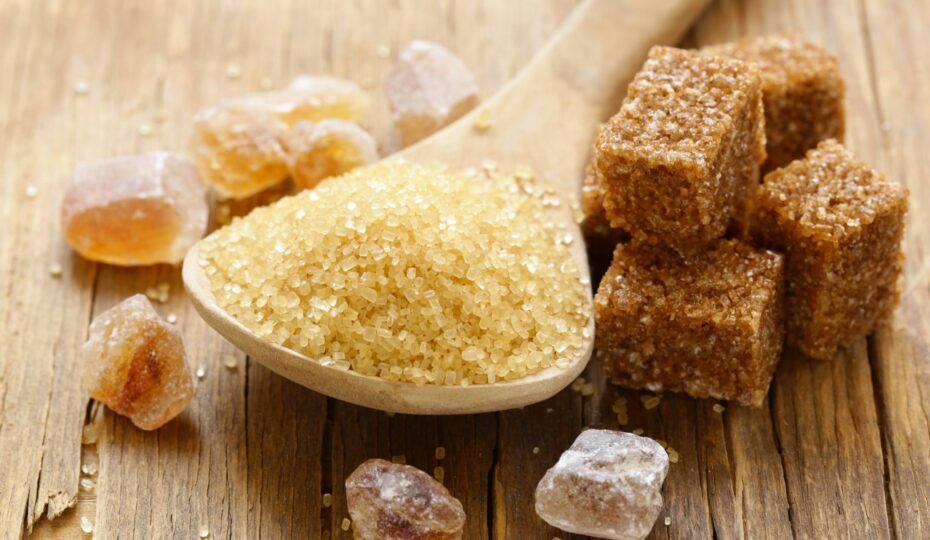
| Muscovado | Unrefined, whole cane; has a darker color due to high molasses content | 8–14% | 4–6% | Craft baking, premium retail, ethnic foods |
| Turbinado | Minimally processed, partially refined; retains some molasses, giving it a golden color | 1–3% | Low | Beverages, topping, baking |
| Panela / jaggery / Sucanat | Unrefined, evaporated cane juice solids; these are whole cane sugar types | 10–15% | Variable | Latin American/South Asian foods, natural brands |
Ranges reflect typical commercial specs — confirm against supplier CoAs for your lot.
Muscovado is the darkest type of brown sugar, containing a high amount of molasses, which gives it a strong flavor and moisture content.
Raw or natural brown sugars can include varieties like muscovado, turbinado, or demerara, which are unrefined.
So is brown sugar actually “natural”?
“Natural” is a marketing word, not a regulated one. The FDA has a long-standing informal policy that “natural” means nothing artificial or synthetic has been added, but the agency has not established a formal definition for food labeling, including for sweeteners. The FTC separately expects that any “natural” claim on advertising be truthful and substantiated (FTC Green Guides).
Practically, that means:
- Refined brown sugar (light or dark) — the dominant commercial product — is chemically reconstructed: white sugar + molasses. Calling it “natural” on a finished product invites consumer-protection scrutiny.
- Unrefined brown sugars (muscovado, panela, jaggery, whole cane) are minimally processed and are the defensible choice if your brand wants to support a “natural” or “less processed” positioning. The classification of brown sugar as “natural” depends on how it was made, including both minimally processed and highly refined varieties.
- “Evaporated cane juice” is not an acceptable label term. The FDA’s 2016 guidance directs manufacturers to use “sugar” or “cane sugar” instead.
If your formulation or marketing depends on a “natural” story, spec an unrefined cane sugar and confirm the processing flow with your supplier in writing.
How brown sugar is produced
The early process of boiling sugarcane juice to create solid, unrefined crystals was first developed in India, and these techniques later expanded to China, the Middle East, Europe, and the Americas. Cane stalks are crushed, the juice is boiled, and centrifuges separate sugar crystals from molasses. What happens next determines the product.
Refined brown sugar (most commercial brown sugar): The production process involves sugar refineries, where raw sugar is fully refined to white sugar via affination, clarification, decolorization, and re-crystallization (Sugar refining overview, Sugar Knowledge International). During this refining process, bone char may be used, especially when processing sugar cane. Refined brown sugars are typically produced by mixing white sugar with cane molasses (adding molasses) at about 3.5% for light brown or 6.5% for dark brown, and the product is screened and packed.
Granulated (“pourable”) brown sugar: white sugar tumbled with a thin molasses coating — free-flowing for industrial lines where clumping halts production.
Unrefined brown sugars: Natural brown sugar, also known as raw sugar or whole cane sugar, retains some molasses from the sugarcane juice, which affects its flavor and color. Muscovado and similar products skip full refining; juice is evaporated and crystallized once, retaining native molasses. The production of traditional brown sugars, such as muscovado and panela, involves boiling sugarcane juice in open pans until it reaches a certain concentration, allowing for crystallization without extensive refining. Specs vary; supply is typically single-origin.
Brown sugar can be produced from both sugar cane and sugar beets, with beet sugar sometimes involving different processing steps.
The refined-plus-added-back approach dominates the U.S. market because it gives buyers tight control over color, flavor, and molasses ratio — critical for batch-to-batch repeatability.
Typical commercial specs
What your CoA should look like:
| Parameter | Light brown | Dark brown |
|---|---|---|
| Sucrose | ≥ 94% | ≥ 91% |
| Molasses | ~3.5% | ~6.5% |
| Moisture | 2.5–4.0% | 3.0–4.5% |
| Color | Light amber | Deep amber/brown |
| Crystal size | Fine granulated | Fine granulated |
| Ash | ≤ 0.6% | ≤ 0.9% |
Batch-to-batch molasses control: reputable suppliers hold ±0.3–0.5% across lots. Ask for it in writing and confirm it on every CoA — inconsistency shows up as color drift in your finished product.
Moisture content affects the texture and shelf life of brown sugar; higher moisture content results in a softer product that is more prone to clumping.
Flavor and formulation impact
- Light brown — mild caramel, balanced moisture. Default for cookies, cakes, quick breads, marinades.
- Dark brown — stronger molasses flavor, more acidity, higher moisture. Essential for gingerbread, BBQ sauce, dark stouts.
- Granulated brown — less caramel depth but flows like white sugar. Dry blends, rubs, automated dosing systems.
- Muscovado and unrefined browns — bold, complex flavor, unique taste, lot-variable. These sugars enhance recipes with their aromatic qualities and are prized in premium retail, craft bakery, and clean-label brands. Other sugars like panela and kokuto are also used in recipes for their distinctive taste and regional character.
Substitution in R&D: when a recipe calls for brown sugar, one cup cane sugar + one tablespoon molasses ≈ light brown; two tablespoons ≈ dark. Brown sugar can sometimes be substituted for maple sugar in recipes, but adjustments to wet ingredients may be needed due to its higher moisture content. Swapping white for brown in cookies reduces chewiness and changes browning — test moisture balance. Brown sugar caramelizes more readily than refined sugar, which can be used to make glazes and gravies brown while cooking.
For consumers reading along: brown sugar keeps baked goods softer and produces more moist and chewy results because molasses is hygroscopic (it holds water), with chewiness increasing the darker the sugar. White sugar gives crisper, lighter results. It’s a formulation choice, not a quality one.
Nutrition: brown vs. white
Chemically, brown and white sugar are nearly identical. One teaspoon (4 g) of brown sugar contains about 15 calories; white sugar, about 16 (USDA FoodData Central). Both brown and white sugars are primarily composed of sucrose, with brown sugar containing a small amount of invert sugar (a mixture of glucose and fructose). Brown sugar carries trace amounts of calcium, iron, and potassium from molasses, but at normal use levels the amounts are nutritionally insignificant.
The nutritional value of brown sugar is not significantly higher than that of white or granulated sugar, despite these trace minerals. The glycemic index of brown sugar is similar to that of table sugar or white granulated sugar, meaning it raises blood glucose at a similar rate. In contrast, unrefined sugar retains more natural molasses and micronutrients, but its nutritional value is still not substantially greater than highly refined sugars.
Both are added sugars. The 2020–2025 Dietary Guidelines for Americans recommend keeping added sugars under 10% of daily calories. The American Heart Association sets tighter targets of roughly 25 g/day for women and 36 g/day for men. Choose between brown and white sugar for flavor, color, and formulation reasons — not health.
Documentation buyers should request
| Document | What it confirms |
|---|---|
| Certificate of Analysis (CoA) | Sucrose %, moisture, molasses %, ash, color, microbiological per lot |
| Allergen and gluten statement | Confirms cross-contact controls |
| Country of Origin | Required for FSVP and customs |
| Kosher / Organic / Non-GMO / Fair Trade | If your label or customer requires them |
| GFSI audit certificate | SQF, BRCGS, or FSSC 22000 — confirms supplier food-safety program |
| SDS | Standard for any bulk ingredient |
For “natural” or clean-label positioning, additionally request a processing disclosure letter confirming whether the product is refined + molasses-added or truly unrefined.
How US Sweeteners supports brown sugar buyers
US Sweeteners is a U.S.-based bulk sweetener distributor supplying light brown, dark brown, granulated brown, and specialty unrefined cane sugars to food manufacturers, bakeries, beverage producers, and wholesale distributors nationwide.
We provide:
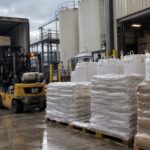
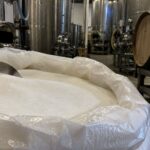
- Multiple pack formats — 50-lb bags, supersacks (2,000 lb), custom packaging
- Full documentation — CoAs with molasses and moisture specs on every lot, allergen statements, country-of-origin, kosher/organic/Fair Trade certificates as needed
- Formulation support — matching molasses ratio and moisture profile to your target finished product
- Logistics — truckload, LTL, and rail-served warehouses
Request a sample and spec sheet or talk to a sourcing specialist to match the right brown sugar grade to your formulation.
FAQ
Is brown sugar natural?
Most commercial brown sugar is refined white sugar with molasses blended back in — not minimally processed. Truly “natural” options are unrefined cane sugars like muscovado, panela, or whole cane.
What’s the difference between light and dark brown sugar?
Molasses content. Light is ~3.5%, dark is ~6.5%. Dark has stronger flavor, more color, and slightly more moisture.
Can I label my finished product “natural” if it contains brown sugar?
The FDA has no formal definition of “natural” for food labeling, and the FTC expects claims to be substantiated. If your sugar is refined-plus-molasses, a “natural” claim is hard to defend. Use unrefined cane sugar if “natural” is central to your positioning.
What moisture spec should I expect on dark brown sugar?
Industry range is 3.0–4.5%. Light brown runs 2.5–4.0%.
How tight can molasses ratios be held batch-to-batch?
Reputable suppliers hold ±0.3–0.5% across lots, documented on each CoA.
What certifications should I request?
At minimum: GFSI (SQF, BRCGS, or FSSC 22000), Kosher, Non-GMO Project Verified, and FSMA-compliant documentation. Organic and Fair Trade if your label requires them.
Is brown sugar gluten-free?
Yes. Pure cane sugar and cane molasses contain no gluten. Request a supplier allergen statement to confirm cross-contact controls.
Can I substitute brown sugar 1:1 for white sugar?
Not without effects — brown sugar adds moisture and caramel flavor, reduces crispness, and affects browning. Test before finalizing any reformulation.
What MOQs and lead times apply?
Pallet quantities ship in days; truckload and rail orders typically ship within 1–2 weeks depending on origin and grade.
Sources
- FDA — Use of the term “natural” in food labeling
- FDA guidance on “evaporated cane juice”
- FTC Green Guides
- Sugar refining process, Sugar Knowledge International
- USDA FoodData Central — sugars
- Dietary Guidelines for Americans 2020–2025
- American Heart Association — added sugar recommendations