Where Does Sugar Come From? From Farm to Production
Last updated: May 4, 2026
Sugar comes from natural plant sources that are grown and processed in different parts of the world before reaching food manufacturers, grocery stores, restaurants, and home kitchens. While most people see sugar as a simple everyday ingredient, the journey behind it involves farming, harvesting, refining, packaging, and large-scale distribution.
Today, sugar is used in everything from baked goods and soft drinks to sauces, dairy products, and packaged foods. Manufacturers, distributors, and businesses that rely on bulk sugar need steady supply chains and consistent product quality to keep production running smoothly and meet growing consumer demand.
What Plant Does Sugar Come From?
Most commercial sugar comes from sugarcane and sugar beets. These plants naturally contain sucrose, which manufacturers extract and process into table sugar, raw sugar, liquid sweeteners, and industrial food ingredients used across the world.
Sugarcane is a tropical grass that grows best in warm climates with long growing seasons and steady sunlight. Farmers grow sugarcane heavily in Florida, Louisiana, Texas, Brazil, India, and parts of South America because warmer temperatures help maximize sugar production. The tall stalks store sweet cane juice that later becomes refined sugar and other sweeteners.
Sugar beets grow in cooler climates and store sugar inside thick white roots instead of stalks. The sugar beet plant thrives in states like North Dakota, Minnesota, Idaho, and Michigan. Together, sugarcane and sugar beets account for nearly all table sugar produced domestically in the United States.
People have also used honey, fruits, and maple sap throughout history as natural sweeteners. Before refined sugar became widely available, honey was one of the most common sweet foods used around the world.
Common Sources of Sugar
| Source | Main Sugar Type | Common Applications |
| Sugarcane | Sucrose | Table sugar, beverages |
| Sugar beets | Sucrose | Baking, packaged foods |
| Corn | Fructose, glucose | Corn syrup, HFCS |
| Fruits | Fructose | Natural fruit sugar |
| Honey | Fructose, glucose | Natural sweetener |
According to the Sugar Association, sugar beets account for about half of the total sugar produced domestically in the United States, while sugarcane supplies the remaining share.
How Sugarcane Becomes Sugar
Manufacturers turn sugarcane into sugar by extracting cane juice from harvested stalks and processing it into crystals. The process removes water and impurities while preserving sucrose for food production and commercial sweeteners.
Farmers usually begin harvest once sugarcane reaches peak maturity. In the United States, sugarcane harvest season often starts in late fall and continues through winter. Processing facilities move quickly because fresh sugarcane loses quality if it sits too long after harvest.
The production process follows several important stages that help convert raw plant material into refined sugar products used in food manufacturing.
Step-by-Step Sugarcane Processing
- Harvest sugarcane stalks
- Wash and prepare the cane
- Crush stalks to extract cane juice
- Filter and clean the juice
- Heat and evaporate excess water
- Form sugar crystals
- Dry and package the finished product
After extraction, manufacturers separate the fibrous plant material from the juice. Many facilities reuse leftover fibers for fuel, paper products, or animal feed instead of discarding them.
The cleaned juice then moves through evaporation systems, where water is removed slowly. As the liquid thickens, sugar crystals begin forming naturally. Manufacturers spin the crystals in centrifuges to separate them from molasses, producing raw sugar that later becomes white sugar or brown sugar, depending on the refining process.
Sugarcane Production Process
| Production Stage | Purpose |
| Crushing | Extract cane juice |
| Filtration | Remove impurities |
| Evaporation | Concentrate sugar |
| Crystallization | Form sugar crystals |
| Drying | Improve shelf life |
| Packaging | Prepare for distribution |
Consistency matters heavily in sugar production because even small differences in crystal size, moisture, or sweetness can affect beverages, sauces, baked goods, and packaged foods. Reliable suppliers help manufacturers maintain stable production standards across large operations.
How Sugar Beets Become Sugar
Sugar beets become sugar through washing, slicing, extraction, purification, crystallization, and drying. After harvest, processors clean the beets, cut them into thin strips, and use hot water to pull out the natural sucrose stored in the root.
Unlike sugarcane, sugar beets grow underground and are common in cooler regions like North Dakota and Minnesota’s Red River Valley. Once the sucrose is extracted, the liquid is filtered, evaporated, crystallized, dried, and packaged.
Beet sugar and cane sugar perform very similarly after refining because both mainly contain sucrose. Many food manufacturers use beet sugar because it supports a stable domestic supply and year-round production needs.
Sugarcane vs Sugar Beets
| Feature | Sugarcane | Sugar Beets |
| Plant Type | Tropical grass | Root vegetable |
| Climate | Warm | Cool |
| Sugar Storage | Cane stalks | Beet roots |
| Main U.S. Regions | Florida, Louisiana | North Dakota, Idaho |
| Harvest Method | Cut stalks | Dig roots |
Cane Sugar vs Beet Sugar: What Is the Difference?
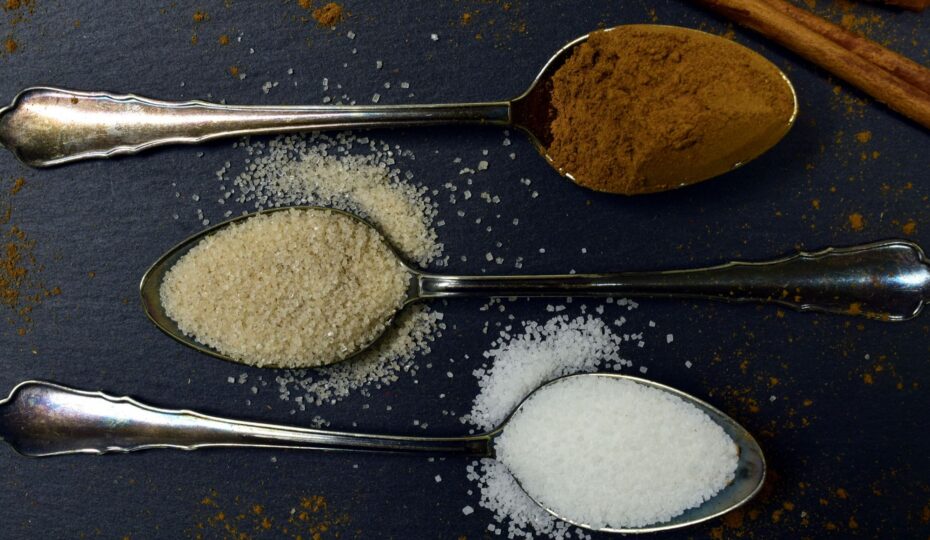
Cane sugar and beet sugar contain nearly identical sucrose levels after refining, but they come from different plants and production systems. For most uses, both work well in baking, beverages, frozen desserts, sauces, and packaged foods.
Cane Sugar
Cane sugar comes from sugarcane plants grown in warmer climates. Some less refined versions retain slight molasses notes, which can give cane sugar a richer flavor in certain products.
Beet Sugar
Beet sugar comes from sugar beets grown in cooler climates. After refining, it has a clean, neutral profile and performs similarly to cane sugar in most food manufacturing applications.
Why Manufacturers Choose One Over the Other
Manufacturers often choose between cane sugar and beet sugar based on transportation costs, sugar prices, regional supply, storage conditions, and production schedules. The best option usually depends less on taste and more on availability, consistency, and supply chain needs.
Cane Sugar vs Beet Sugar Comparison
| Feature | Cane Sugar | Beet Sugar |
| Source | Sugarcane | Sugar beet |
| Climate | Warm | Cool |
| Flavor Notes | Slight molasses | Neutral |
| Common Uses | Drinks, baking | Packaged foods |
| Main Growing Regions | Southern U.S. | Northern U.S. |
Global weather conditions, crop performance, transportation costs, and import policies all influence sugar prices and supply availability throughout the world sugar market.
Where Does Sugar Come From in the United States?
The United States produces sugar from both sugarcane and sugar beets. Southern states mainly grow sugarcane, while northern states focus heavily on sugar beet production to support domestic food manufacturing and consumer demand.
Florida and Louisiana produce most of the sugarcane grown in the country because their warmer temperatures support tropical plant growth and long harvest periods. Texas has also contributed to domestic sugar cultivation for many years.
Sugar beet production dominates in cooler farming regions such as:
- North Dakota
- Minnesota
- Idaho
- Michigan
- Montana
According to USDA agricultural reports, millions of tons of sugar are produced annually across the country. Even with strong domestic production, the United States still imports sugar to meet high demand from beverage companies, bakeries, candy producers, and packaged food manufacturers.
Major U.S. Sugar-Producing States
| State | Primary Sugar Crop |
| Florida | Sugarcane |
| Louisiana | Sugarcane |
| Texas | Sugarcane |
| Minnesota | Sugar beets |
| North Dakota | Sugar beets |
| Idaho | Sugar beets |
Brazil remains one of the world’s largest sugar producers and exporters, while India, Thailand, China, and the United States also contribute significantly to global sugar production.
How Sugar Moves Through the Supply Chain
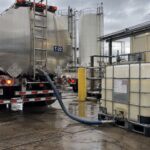
After processing, suppliers package and distribute sugar to manufacturers, distributors, restaurants, and food companies across the country. Bulk sugar suppliers help businesses maintain inventory stability, production consistency, and dependable delivery schedules.
Commercial sugar moves through a large supply chain network that includes:
- farms
- processing facilities
- refineries
- warehouses
- packaging operations
- transportation systems
Manufacturers use several sweeteners depending on product goals. Some products rely on cane sugar or beet sugar, while others use high fructose corn syrup or corn syrup made from corn starch. Beverage companies often prefer liquid sweeteners because they blend easily into large-scale production systems.
Common Commercial Sweeteners
| Sweetener | Common Uses |
| Cane sugar | Baking, beverages |
| Beet sugar | Packaged foods |
| High fructose corn syrup | Soft drinks, snacks |
| Corn syrup | Candy, sauces |
| Honey | Natural food products |
Storage conditions also matter heavily during distribution. Moisture exposure can reduce shelf life, create clumping, or affect consistency during manufacturing. Reliable suppliers focus on packaging quality, inventory management, and transportation efficiency to protect product integrity.
Common Products Made With Sugar
Sugar supports far more than desserts and candy. Manufacturers use sweeteners throughout the food industry to improve flavor, preserve products, balance acidity, and maintain texture during production. Many products found in grocery stores rely on sugar or corn syrup during manufacturing. Even savory foods may contain sweet ingredients to improve shelf life and overall taste balance.
Products That Commonly Use Sugar
Sugar is commonly used in soft drinks, bread, yogurt, ice cream, breakfast cereals, sauces, candy, packaged snacks, frozen foods, and sports drinks. It also supports fermentation in products like bread and alcoholic beverages. In baking, sugar helps retain moisture, improve browning, and create softer textures in cakes, cookies, and pastries.
While new technologies and alternative sweeteners continue entering the market, sugar remains one of the most versatile ingredients in global food production because of its reliability, familiar taste, and functional properties.
Conclusion
Understanding where sugar comes from helps explain how one of the world’s most important food ingredients moves from farms into food production facilities, grocery stores, and commercial supply chains. Most sugar starts with sugarcane or sugar beets, then moves through harvesting, processing, refining, packaging, and distribution.
For businesses that depend on sugar every day, having a steady supply matters just as much as knowing where it comes from. US Sweeteners helps manufacturers, distributors, and food businesses source bulk sugar and sweeteners with reliable packaging and nationwide distribution support. Request a quote today to get the bulk sugar and sweetener to support your business’s needs.
FAQs About Sugar
Where does the USA get its sugar from?
The United States gets sugar from both domestic farms and imported sources. American farmers grow sugarcane mainly in southern states and sugar beets in northern farming regions. The country also imports sugar to help meet demand from food manufacturers, grocery stores, and beverage companies.
What did humans use before sugar?
Before refined sugar became common, people mainly used honey, fruits, and plant syrups for sweetness. Honey was especially valuable in ancient civilizations because it provided natural sweetness before large-scale sugar production existed. Fruit sugar from dates and other plants also played an important role in early diets.
Is sugar natural or man-made?
Sugar is natural because it comes from plants like sugarcane and sugar beets. Manufacturers process the natural sucrose inside these plants into products like table sugar, raw sugar, and liquid sweeteners. Although sugar goes through refining and processing, its original source remains plant-based.
Where does sugar actually come from?
Sugar mainly comes from sugarcane and sugar beets. Manufacturers extract sucrose from these plants before refining and packaging the finished product for food production, beverages, baking, and commercial use. Some sweeteners also come from corn, fruits, and honey.
Is high fructose corn syrup the same as sugar?
High fructose corn syrup differs from cane sugar and beet sugar because it comes from corn starch rather than sugar plants. Manufacturers process corn syrup to increase fructose content and create a liquid sweetener commonly used in beverages and packaged foods. Both provide sweetness, but they come from different raw materials and production methods.
Why do food manufacturers care about sugar consistency?
Manufacturers depend on consistent sugar quality to maintain flavor, texture, and production efficiency. Small differences in crystal size, moisture, or sweetness can affect beverages, baked goods, sauces, and shelf life. Reliable suppliers help businesses maintain stable production standards across large manufacturing runs.

Thomas is a product expert at US Sweeteners, a trusted bulk sugar and sweetener distributor serving food and beverage manufacturers across the USA. He writes about sweetener sourcing, ingredient trends, and supply chain insights for the food industry.