What Type of Sugar is Maple Syrup?
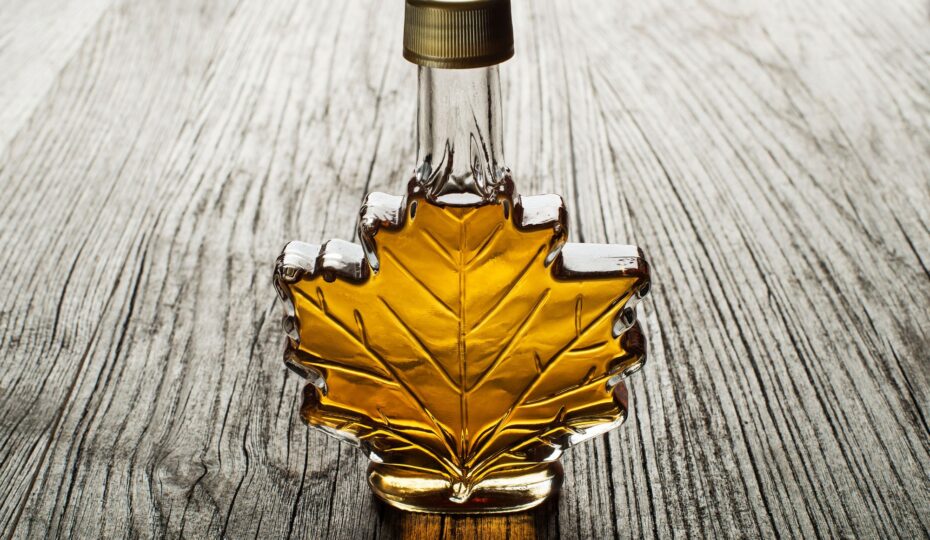
Ever wonder what type of sugar maple syrup is? It might look like just a sweet topping, but it’s very different from regular table sugar. Unlike refined sugar, maple syrup comes directly from tree sap and retains more of its natural properties.
Learning how maple syrup compares to other sweeteners can help you make smarter choices in the kitchen, whether you’re baking, pouring it on pancakes, or trying to eat a little healthier. Its natural composition also brings a distinct flavor and potential health benefits that set it apart.
Key Takeaways
- Maple syrup is mostly sucrose, with small amounts of glucose and fructose, making it nutritionally different from refined sugars like high fructose corn syrup.
- It contains natural minerals and antioxidants, including manganese, zinc, and over 50 bioactive compounds that support overall health.
- With a lower glycemic index than table sugar, maple syrup may lead to a slower blood sugar spike when used in moderation.
Understanding Sugar Types
Before we look at what’s in maple syrup, it helps to understand the basics of sugar. There are simple sugars like glucose and fructose, which your body processes in different ways. Glucose is used right away for energy, while fructose goes through your liver first.
Then there are complex sugars like sucrose, which is what you find in regular table sugar. It’s made of both glucose and fructose and has to be broken down before your body can use it. Each type of sugar affects your blood sugar levels differently.
Maple Syrup’s Sugar Composition: What’s Really Inside
So, what type of sugar is maple syrup made of? Maple syrup is primarily sucrose, making up 50-75% of its total sugar content. This is the same type of sugar found in cane sugar and white sugar, but here’s the key difference: it comes with a host of other beneficial compounds.
The remaining sugar content includes:
- Glucose: Less than 10%
- Fructose: Less than 4%
- Oligosaccharides: Trace amounts that act as prebiotics
This composition varies slightly depending on when the maple tree sap was collected during the season. Early-season sap typically has higher sucrose content, while late-season sap may have slightly more glucose and fructose.
How Maple Syrup Production Affects Sugar Content
The process of making maple syrup is surprisingly simple. Maple tree sap contains only about 2-3% sugar when it’s first collected. Maple syrup producers then concentrate this sap by boiling off water until it reaches 66-67% sugar content.
This minimal processing preserves the natural compounds found in maple sap, including amino acids, organic acids, and phenolic compounds that give maple syrup its unique flavor and potential health benefits.
Health Benefits: More Than Just Sugar
What sets maple syrup apart from refined sugar isn’t just what type of sugar it contains, but what else comes with it.
Mineral Content
One tablespoon of pure maple syrup provides:
- Manganese: 33% of your daily needs
- Calcium: 15mg
- Potassium: 45mg
- Zinc: 0.3mg
- Iron: 0.02mg
Antioxidants and Bioactive Compounds
Research has identified over 50 different compounds in maple syrup, including:
- Quebecol: A unique antioxidant formed during maple syrup production
- Phenolic compounds: Similar to those found in berries and red wine
- Organic acids: Including malic acid and fumaric acid
Health Research Findings
A 2023 study found that substituting refined sugar with maple syrup in mice improved glucose metabolism and supported healthier gut bacteria. While this research was conducted on animals, it suggests that maple syrup may have metabolic advantages over regular sugar.
Different Maple Syrup Grades: Does Sugar Content Vary?
The Canadian Food Inspection Agency and similar organizations classify maple syrup into different Grade A categories based on color and taste intensity:
- Golden, Delicate Taste: Light in color with a mild maple flavor. Typically produced early in the season.
- Amber, Rich Taste: Medium color and a classic, full-bodied maple flavor. Commonly used as a table syrup.
- Dark, Robust Taste: Darker in color with a stronger, more pronounced maple flavor. Often preferred for baking or cooking.
- Very Dark, Strong Taste: Deep color and intense maple flavor. Usually harvested late in the season, and ideal for recipes needing bold flavor.
Darker grades tend to contain more complex compounds and may have slight variations in sugar composition, but all pure maple syrup remains primarily sucrose-based. These standardized grades help consumers and food producers select the right syrup for their needs with confidence.
Potential Health Concerns
Despite its benefits, maple syrup is still high in sugar. Health concerns include:
- High caloric density: Easy to overconsume, especially when used as a topping or in baking. Even small amounts can add up quickly in calories.
- Blood sugar impact: Still raises blood glucose, which can be problematic for people with insulin resistance or diabetes.
- Dental health: Can contribute to tooth decay if consumed frequently without proper oral hygiene. Sugars feed harmful bacteria that produce acid in the mouth.
- Weight management: High sugar content can lead to weight gain when not balanced with overall calorie intake. Excessive consumption may also increase cravings for other sweets.
People with diabetes or prediabetes should treat maple syrup like any other added sugar and consume it in moderation.
How to Use Maple Syrup as a Healthier Choice
If you’re going to use a sweetener, pure maple syrup can be a better choice than refined sugar. Here’s how to use it wisely:
- In baking: Replace 1 cup of sugar with 3/4 cup maple syrup and reduce other liquids by 3 tablespoons. This helps maintain the right texture and moisture in your recipe.
- Storage: Pure maple syrup should be refrigerated after opening and can last up to a year. Storing it properly prevents mold and keeps its flavor fresh.
- Quality matters: Always choose pure maple syrup over imitation products that contain high fructose corn syrup and artificial flavors. Check the label for “100% pure maple syrup” to ensure you’re getting the real thing.
The Bottom Line
Maple syrup is more than just a sweet topping. It’s a natural product with a unique sugar composition and a range of health-supporting compounds. Unlike refined sugar, it contains antioxidants, minerals, and a lower glycemic index, offering a slightly more nutritious option when used in moderation. By understanding the type of sugar it contains and how it’s processed, you can make better choices for your health and your kitchen.
At US Sweeteners, we offer bulk pure maple syrup in a variety of high quality grades to meet your production or wholesale needs. Whether you’re crafting food products, stocking retail shelves, or scaling your recipes, our maple syrup is trusted for its consistency, flavor, and quality. Contact us today to learn more about our bulk maple syrup options and place your order.
FAQs
What type of sugar is in honey and maple syrup?
Honey contains primarily fructose and glucose, while maple syrup is mostly sucrose (50-75%) with small amounts of glucose and fructose.
Is maple syrup better for you than sugar?
Maple syrup is slightly better than table sugar because it contains minerals and antioxidants, but choosing products with less sugar overall is always healthiest.
Which is healthier, maple syrup or honey?
Both offer similar benefits, but maple syrup has fewer calories per tablespoon (52 vs 63) compared to honey and agave syrup. Maple food products are generally better than many processed foods.
What type of sugar is the healthiest?
Natural sugars in whole fruits are healthiest, while minimally processed maple products like pure maple syrup or maple sugar are better than refined sugars used to produce maple syrup alternatives and processing-grade maple syrup.
Can I substitute maple sugar for granulated sugar?
Yes, you can substitute maple sugar for granulated sugar in a 1:1 ratio in most recipes. Maple sugar will add a subtle caramel flavor to your baked goods and provide the same sweetening power as regular sugar.

Thomas is a product expert at US Sweeteners, a trusted bulk sugar and sweetener distributor serving food and beverage manufacturers across the USA. He writes about sweetener sourcing, ingredient trends, and supply chain insights for the food industry.