The Complete Guide to Corn Sweetener: Production, Applications, and Industry Solutions
Every year, American food manufacturers use over 8 million tons of corn sweetener in everything from your morning cereal to the soft drinks lining grocery store shelves. This massive industry, worth billions of dollars annually, has quietly revolutionized how we sweeten processed foods and beverages across the globe.
Corn sweetener represents one of the most significant innovations in food production over the past five decades. Unlike traditional sweeteners that require extensive processing from multiple sources, corn-based sweeteners offer manufacturers a reliable, cost-effective, and functionally superior alternative that has transformed the food industry.
From the light corn syrup that keeps your baked goods moist to the high fructose corn syrup that gives soft drinks their distinctive sweetness, these versatile ingredients have become essential components in modern food manufacturing.
What are Corn Sweeteners?
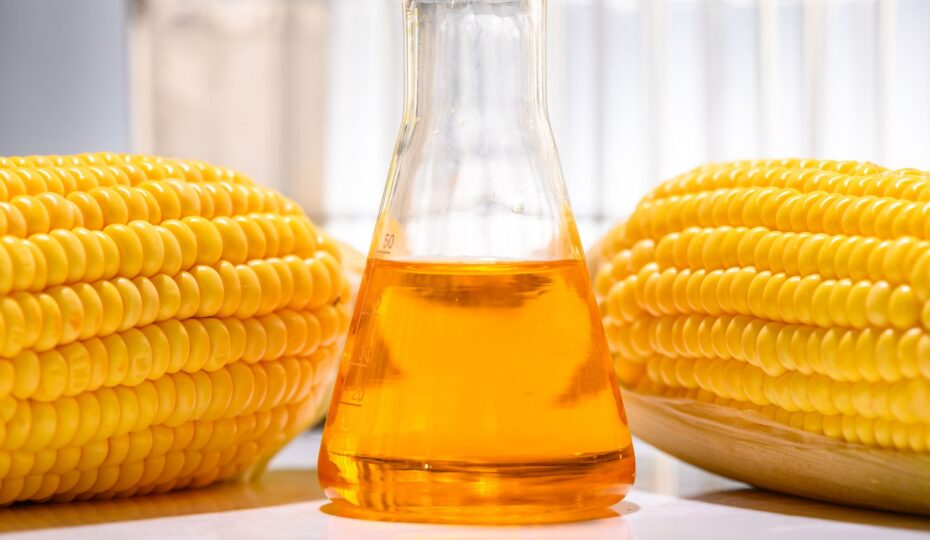
Corn sweeteners are sugar-based products made from corn starch through various processing methods. The most common types include regular corn syrup, high fructose corn syrup (HFCS), and corn syrup solids. These sweeteners consist primarily of glucose molecules, fructose, or combinations of both.
Main Types of Corn Sweeteners
Regular Corn Syrup (Glucose Syrup): Regular corn syrup is made by breaking down corn starch into glucose molecules using enzymes or acids. It contains mostly glucose with minimal fructose content. Light corn syrup is clear and mild-flavored, while dark corn syrup has molasses added for color and flavor.
High Fructose Corn Syrup (HFCS): HFCS is produced by converting some glucose in corn syrup to fructose using specialized enzymes. The most common varieties are:
- HFCS 42: Contains 42% fructose, used in baked goods and processed foods
- HFCS 55: Contains 55% fructose, primarily used in soft drinks and beverages
Corn Syrup Solids: These are dried forms of corn syrup that provide the same sweetening properties in powder form, making them ideal for dry mixes and cereals.
How Corn Sweeteners are Made
The production process transforms corn into various sweeteners through several steps:
Step 1: Corn Processing
Corn kernels are milled to separate the starch from other components like protein and fat. The corn starch serves as the raw material for all corn sweeteners. This extraction process ensures a high-purity starch base, which is essential for consistent sweetener production and quality control.
Step 2: Starch Conversion
The corn starch is treated with enzymes that break down the long chains of starch molecules into shorter glucose chains, creating corn syrup. This step is crucial for converting the starch into a usable liquid sweetener that serves as the foundation for various corn-based sugar products.
Step 3: Fructose Conversion (For HFCS)
To make high fructose corn syrup, glucose syrup is treated with additional enzymes that convert some glucose molecules into fructose, creating a sweeter taste profile. This enzymatic conversion enhances the syrup’s sweetness, making it especially useful in beverages and other products where a stronger sweetening effect is desired.
Step 4: Purification and Concentration
The resulting syrup is purified, filtered, and concentrated to achieve the desired sweetness level and consistency. This final step ensures the product meets industry standards for quality, taste, and stability before being used in food and beverage applications.
Corn Sweeteners vs. Table Sugar
Many people wonder how corn sweeteners compare to regular table sugar (sucrose). Here’s what you need to know:
Composition Differences
- Table sugar: 50% glucose, 50% fructose (bound together)
- HFCS 55: 55% fructose, 42% glucose (separate molecules)
- Regular corn syrup: Mostly glucose with minimal fructose
Functional Differences
Corn sweeteners offer several advantages over regular sugar in food production:
- Better moisture retention in baked goods
- Improved texture in candies and jellies
- Enhanced flavor in beverages
- Longer shelf life in processed foods
- Lower freezing point for frozen products
Health Considerations
From a health perspective, corn sweeteners and table sugar are very similar. Both provide 4 calories per gram and have comparable effects on blood sugar levels. The body processes them similarly, breaking them down into glucose and fructose for metabolism.
Research shows no significant health differences between HFCS and regular sugar when consumed in equivalent amounts. However, like all added sugars, corn sweeteners should be consumed in moderation as part of a balanced diet.
Applications in the Food Industry
Corn sweeteners play crucial roles across various food and beverage applications:
Beverages
Soft drinks and other beverages use high fructose corn syrup (HFCS) because it dissolves easily in liquid, provides consistent sweetness, and offers significant cost advantages over traditional sugar. Additionally, HFCS helps maintain flavor stability over time, making it ideal for mass-produced and shelf-stable beverages.
Baked Goods
Bakeries use corn syrup in bread, cookies, and cakes because it keeps products moist for longer periods, prevents sugar crystallization, creates an appealing golden color, and enhances texture and mouthfeel for a better eating experience.
Processed Foods
Food manufacturers add corn sweeteners to:
- Cereals and snack bars
- Condiments and sauces
- Canned fruits and preserves
- Dairy products like ice cream
Confectionery
Candy makers rely on corn syrup because it helps control sugar crystallization, create smooth textures, and prevent candies from becoming too hard. Its unique properties also extend shelf life, making it an essential ingredient in many confectionery products.
Industrial and Non-Food Uses
Beyond food applications, corn sweeteners serve important roles in various industries:
Pharmaceutical Industry
- Tablet coatings and binding agents
- Liquid medications and syrups
- Cough drops and throat lozenges
Personal Care Products
- Toothpaste and mouthwash
- Skin care products as humectants
- Hair care formulations
Industrial Manufacturing
- Leather tanning processes
- Adhesives and binding agents
- Fermentation substrates for producing organic acids and other biochemicals
Health and Safety
Corn sweeteners have been extensively studied and are recognized as safe by major health organizations:
Regulatory Status
The FDA has granted corn sweeteners “Generally Recognized as Safe” (GRAS) status. They’re also approved for use in many countries worldwide. This designation is based on extensive scientific research confirming their safety when consumed as part of a typical diet. Regulatory agencies continue to monitor their use to ensure consumer protection.
Metabolism and Health Effects
The body metabolizes corn sweeteners just like other sugars. Glucose is quickly absorbed and used for energy, while fructose is primarily processed by the liver. Both types ultimately contribute to overall blood sugar levels. Although they have slightly different metabolic pathways, their health effects are similar when consumed in typical amounts. Moderation remains key to maintaining a balanced diet.
Addressing Health Concerns
Some people worry about high fructose corn syrup and health problems like obesity or metabolic syndrome. However, a systematic review of scientific research shows these concerns apply to excessive consumption of any added sugars, not specifically corn sweeteners.
The key is moderation. Health experts recommend limiting all added sugars, whether from corn sweeteners, regular sugar, honey, or other sources.
Market Trends and Future Outlook
The corn sweetener industry continues evolving with changing consumer preferences:
Current Trends
The food industry is seeing increased demand for non-GMO corn sweeteners as consumers prioritize health and transparency. This shift aligns with the growing interest in organic alternatives, clean label formulations, and reduced sugar products, prompting manufacturers to reformulate with simpler, more natural ingredients.
Future Opportunities
Corn sweeteners are increasingly used in plant-based food applications and functional food development, supporting consumer demand for healthier, purpose-driven products. At the same time, producers are focusing on sustainable production methods and expanding into international markets to meet global trends and regulatory standards.
Conclusion
Corn sweeteners have become a cornerstone of modern food manufacturing, offering consistent performance, cost efficiency, and functional benefits across a wide range of products from baked goods and beverages to pharmaceuticals and personal care. As consumer preferences shift toward clean labels, reduced sugar, and plant-based alternatives, the corn sweetener industry continues to adapt with innovations in production, sustainability, and global distribution. Understanding how these sweeteners are made and used helps both consumers and manufacturers make more informed decisions in a rapidly evolving marketplace.
Looking for a trusted supplier of high-quality corn sweeteners for your manufacturing needs? At US Sweeteners, we provide reliable, food-grade corn sweeteners in bulk, tailored to meet your production goals, labeling requirements, and delivery timelines. Contact our team today to learn more about our full product range and how we can support your business.
FAQs
What sweetener is made from corn?
Several sweeteners are made from corn, including regular corn syrup (glucose syrup), high fructose corn syrup (HFCS), and corn syrup solids. These are all produced by processing corn starch through enzymatic or acid treatment.
What is corn sweetener used for?
Corn sweeteners are used in soft drinks, baked goods, candies, processed foods, cereals, and condiments. They’re also used in non-food applications like pharmaceuticals, personal care products, and industrial manufacturing.
Is high-fructose corn syrup the same as corn syrup?
No, high fructose corn syrup (HFCS) is different from regular corn syrup. Regular corn syrup is mostly glucose, while HFCS has been treated with enzymes to convert some glucose into fructose, making it sweeter.
Why is corn syrup used instead of sugar?
Corn syrup is used because it’s more cost-effective than sugar, provides better moisture retention in baked goods, prevents crystallization in candies, and offers superior functionality in liquid applications like beverages. It also has a longer shelf life and better mixing properties.

Thomas is a product expert at US Sweeteners, a trusted bulk sugar and sweetener distributor serving food and beverage manufacturers across the USA. He writes about sweetener sourcing, ingredient trends, and supply chain insights for the food industry.