
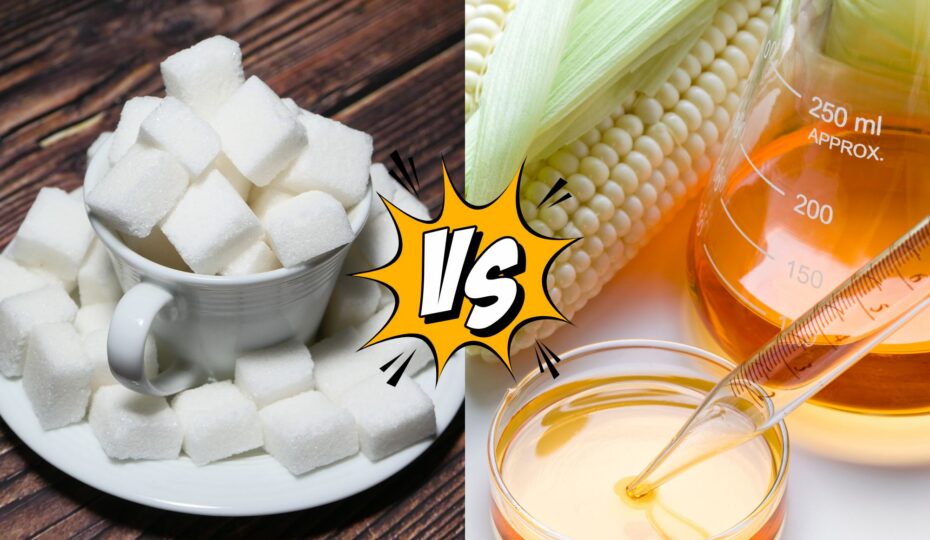
Corn Sweetener vs Sugar: Health, Cost & Industry Use
Sweeteners are nearly impossible to avoid in today’s food landscape. From sodas and cereals to sauces and snacks, most processed products contain either corn sweetener or traditional cane sugar. This widespread use has stirred up decades of debate, with questions about health risks, obesity, and industry practices fueling the ongoing controversy between corn sweetener and sugar.
Since the 1980s, consumption of high fructose corn syrup has soared, reshaping how Americans get their sugar fix. Yet despite its prevalence, many people remain uncertain about how it compares to table sugar in terms of health impact. In this guide, we’ll break down the science behind both sweeteners—how they’re made, how they affect the body, and what you should know to make more informed choices about the sweeteners in your food.
What is High Fructose Corn Syrup?
High fructose corn syrup (HFCS) is a liquid sweetener made from corn starch that has become one of the most widely used sweeteners in processed foods. Unlike regular corn syrup, which is mostly glucose, HFCS contains both fructose and glucose molecules in ratios similar to regular table sugar.
The production process is surprisingly complex. It starts with corn (usually genetically modified) that gets milled into fine corn starch. Specialized enzymes then convert some of the glucose into fructose through a carefully controlled process that creates different types of HFCS:
- HFCS 55: Contains 55% fructose, 42% glucose (primarily used in soft drinks and beverages)
- HFCS 42: Contains 42% fructose (used in processed foods, cereals, and baked goods)
- HFCS 90: Contains 90% fructose (rarely used due to extreme sweetness)
The most common type, HFCS 55, has a fructose content very similar to regular sugar, which contains 50% fructose and 50% glucose. This similarity isn’t accidental – manufacturers specifically designed HFCS to match the sweetness profile that consumers expect from traditional sugar.
What makes HFCS unique is its liquid form, containing about 24% water. This characteristic makes it ideal for beverage production and helps explain why consuming beverages sweetened with HFCS became so prevalent in the American diet.
How Regular Sugar is Made
Regular table sugar, or sucrose, is derived from either sugar cane or sugar beets, both of which naturally contain similar sugar compounds. While the extraction process differs slightly, both involve extracting the juice, concentrating the sugars, and purifying the final product to create the familiar white crystals used in homes and food production.
Whether from cane or beets, the resulting sugar is chemically identical. Unlike corn syrup, which contains free-floating glucose and fructose, regular sugar consists of bonded glucose and fructose molecules. Once consumed, your digestive system breaks these bonds, processing them in much the same way as it does with high fructose corn syrup.
Different processing levels create various sugar types:
- Raw sugars like turbinado retain some molasses
- Refined white sugar has all molasses removed
- Brown sugar is white sugar with molasses added back
Corn Sweetener vs Sugar: The Key Differences
| Aspect | High Fructose Corn Syrup | Regular Sugar |
|---|---|---|
| Form | Liquid (24% water) | Dry crystals |
| Fructose Content | 42–55% (most common types) | 50% |
| Source | Corn starch | Sugar cane or sugar beets |
| Molecular Structure | Free-floating fructose and glucose | Bound molecules (sucrose) |
| Calories | 4 calories per gram | 4 calories per gram |
| Sweetness | Similar intensity | Baseline sweetness |
| Industrial Use | Beverages, liquid applications | Baking, crystallization needed |
The primary difference lies in molecular structure and physical form. In HFCS, the fructose molecule and glucose molecule float freely in solution. In regular sugar, one fructose molecule bonds with one glucose molecule to form sucrose. However, your digestive system quickly breaks apart sucrose, making the end result nearly identical in terms of how much fructose and glucose enter your bloodstream.
Health Effects: What the Science Says
Understanding Fructose Metabolism
The health debate between corn sweetener and sugar largely centers on how your body processes fructose. Unlike glucose, which is used by nearly every cell for energy, fructose is mainly metabolized in the liver. When consumed in small amounts, like from fruit, this isn’t a problem. But sweetened drinks with high levels of fructose from HFCS or sugar can overwhelm the liver.
When that happens, the liver turns excess fructose into fat, some of which stays in the liver (increasing the risk of fatty liver disease), while the rest enters the bloodstream as triglycerides. Because this process doesn’t trigger insulin or fullness signals, it may lead to overeating and other metabolic issues over time.
Research on Endocrine and Metabolic Effects
Extensive research has found that the two sweeteners, high fructose corn syrup (HFCS) and regular sugar, affect the body in very similar ways. A well-known study published in the American Journal of Clinical Nutrition showed that consuming large amounts of either sweetener led to decreased insulin sensitivity. The researchers compared body composition, glucose metabolism, and insulin response over several weeks and found no major differences.
A broader analysis of more than 20 studies confirmed that both sweeteners had similar effects on weight gain, visceral adiposity, and risk factors for metabolic syndrome. In one 2022 study, the HFCS group showed slightly higher inflammation levels compared to the glucose sweetened group, though the difference was small. Another part of the study noted that participants consuming fructose-sweetened beverages had higher C-reactive protein levels, but experts say more research is needed to confirm this result.
The Obesity Connection
Both sweeteners can lead to weight gain when consumed in excess, but the main issue is total calorie intake, not whether the drink contains HFCS or sugar. Long-term studies show that people who regularly consume sugary beverages, regardless of the sweetener type, are more likely to gain weight. This is partly because liquid calories don’t make you feel as full, often accompany high-calorie meals, and can increase cravings for sweet foods. Simply swapping HFCS for sugar won’t prevent weight gain if overall calorie consumption stays high.
Why Food Companies Choose Corn Sweeteners
The food industry’s widespread adoption of high fructose corn syrup wasn’t driven by nutritional benefits – economics played the primary role. Several converging factors made HFCS an attractive alternative to traditional sugar:
Economic Factors
Government corn subsidies significantly reduced corn prices starting in the 1970s, making corn-derived products much cheaper than imported sugar. Simultaneously, sugar tariffs and quotas increased regular sugar costs, creating a substantial price gap that persists today.
This economic advantage became particularly important for high-volume manufacturers of soft drinks and processed foods, where sweetener costs represent a significant portion of total production expenses.
Functional Advantages
Beyond cost savings, HFCS offers several practical benefits for food manufacturers:
- Liquid Form Benefits: HFCS mixes easily into beverages without heating, prevents crystallization in liquids, and ensures consistent sweetness throughout the product, making it a convenient choice that simplifies manufacturing processes.
- Preservation Properties: HFCS helps extend shelf life, retain moisture in baked goods, and prevent crystallization in sauces. It also supports microbial stability in many processed foods.
- Processing Advantages: HFCS remains stable across temperature changes, blends easily with other liquids, and doesn’t require dissolving like granulated sugar. It also allows for precise sweetness adjustments during production.
Common Foods Containing Each Sweetener
Understanding where these sweeteners appear in your diet helps you make informed consumption choices:
Products Typically Using HFCS:
- Soft drinks and carbonated beverages
- Fruit-flavored drinks and sports beverages
- Breakfast cereals and granola bars
- Condiments (ketchup, barbecue sauce, salad dressings)
- Canned fruits and jams
- Frozen desserts and ice cream
- Yogurt and flavored dairy products
- Processed snack foods
Products Typically Using Regular Sugar:
- Baked goods and pastries
- Chocolate and hard candies
- Coffee and tea sweeteners
- Homemade desserts and recipes
- Premium beverages marketed as “natural”
- Organic and health-focused products
- International food products
Many products use combinations of both sweeteners to achieve specific taste profiles and cost targets.
Reading Labels and Making Smart Choices
Identifying Sweeteners on Ingredient Lists
Food labels must list sweeteners by their specific names, making identification straightforward once you know what to look for:
Names for High Fructose Corn Syrup:
- High fructose corn syrup
- HFCS (sometimes abbreviated)
- Glucose-fructose (in some countries)
- Corn syrup, high fructose
Names for Regular Sugar:
- Sugar
- Sucrose
- Cane sugar
- Beet sugar
- Raw sugar
- Turbinado sugar
- Evaporated cane juice
Other Sugars to Watch:
- Invert sugar (processed sucrose)
- Dextrose (pure glucose)
- Fructose (pure fructose)
- Brown sugar (sugar with molasses)
Understanding Nutrition Labels
The US Food and Drug Administration now requires added sugars to be listed separately on nutrition labels, making it easier to track your intake regardless of the sweetener used. Rather than focusing on the source, it’s more important to look at the total amount of added sugar. When comparing products, check the calories per serving, the grams of added sugar, realistic serving sizes, and how the sugar content compares to other nutrients.
Practical Consumption Guidelines
Health experts recommend keeping added sugars to no more than 10% of your daily calories, which equals about 50 grams or 12 teaspoons on a 2,000-calorie diet. That’s roughly the amount in one 12-ounce soft drink. Whether it comes from corn sweetener or regular sugar, both count the same toward your daily limit. A product with 25 grams of HFCS affects your sugar intake just as much as one with 25 grams of regular sugar.
Conclusion
The corn sweetener vs sugar debate has been ongoing for decades, but the science consistently shows that both sweeteners have similar effects on the body when consumed in excess. While they differ in structure, form, and industrial use, their impact on insulin sensitivity, weight gain, and metabolic health is nearly identical. The key takeaway isn’t choosing one over the other, it’s monitoring your total added sugar intake. Whether you are a consumer trying to make healthier choices or a food manufacturer looking to balance cost, performance, and nutrition, understanding how these sweeteners work can help guide better decisions.
At US Sweeteners, we help food manufacturers stay competitive by offering high-quality corn sweeteners and sugars in bulk, backed by decades of industry expertise and reliable logistics. Whether you need HFCS for beverages or cane sugar for baked goods, our team ensures timely delivery, consistent quality, and competitive pricing. Contact us today to learn more about our sweetener solutions and how we can support your production needs.
FAQs
Is corn syrup better for you than sugar?
No, corn syrup is not better for you than sugar – both have essentially the same health effects and nutritional profile. Scientific research shows no significant difference between high fructose corn syrup and regular sugar when consumed in equal amounts.
Can I replace sugar with corn syrup?
Yes, you can replace sugar with corn syrup in most recipes, but you’ll need to adjust the liquid content since corn syrup is already in liquid form. Use about 3/4 cup of corn syrup for every cup of sugar and reduce other liquids in the recipe by about 1/4 cup.
Is corn sugar the same as sugar?
Corn sugar (also called dextrose) is different from both regular table sugar and high fructose corn syrup – it’s pure glucose derived from corn. Regular sugar is sucrose (50% glucose + 50% fructose), while corn sugar contains only glucose molecules.
Is corn sweetener an added sugar?
Yes, corn sweetener is classified as an added sugar by the FDA and must be listed under “added sugars” on nutrition labels. Any sweetener added during food processing, including high fructose corn syrup, counts toward your daily added sugar limit.

Thomas is a product expert at US Sweeteners, a trusted bulk sugar and sweetener distributor serving food and beverage manufacturers across the USA. He writes about sweetener sourcing, ingredient trends, and supply chain insights for the food industry.