Liquid Sugar vs. Granulated Sugar: Which Is Right for Your Production Line?
Food manufacturers often compare liquid sugar vs granulated sugar when evaluating production speed, storage requirements, ingredient handling, and finished product consistency. While both products deliver sweetness through sucrose, they behave differently on a production line and can affect batching efficiency, labor, sanitation, and warehouse planning.
This guide is for beverage producers, bakeries, breweries, confectionery manufacturers, and food processing facilities deciding which sugar format best supports their operation. US Sweeteners supplies bulk liquid sugar, granulated sugar, and industrial sweeteners for manufacturers that need dependable inventory, flexible packaging, and nationwide delivery support.
What Is the Difference Between Liquid Sugar and Granulated Sugar?
Liquid sugar is sucrose dissolved in water, while granulated sugar is dry sucrose in crystal form. The biggest operational difference is how each product moves through manufacturing systems. Liquid sugar blends quickly into beverages and syrups, while granulated sugar offers easier dry storage and more flexibility across baking and dry-mix applications.
Liquid sugar, often called liquid sucrose, arrives pre-dissolved and ready for batching. Beverage plants, sauce manufacturers, and syrup producers often prefer it because it eliminates the extra dissolving step that dry sugar requires. In high-volume production, even a short dissolving delay can slow batch turnover and create inconsistent sweetness between tanks.
Granulated sugar, also known as white granulated sugar or table sugar, remains the standard sweetener for baking, dry blending, confectionery production, and retail packaging. Manufacturers can store it for long periods under dry conditions without the sanitation systems or heated storage that some liquid systems require.
| Feature | Liquid Sugar | Granulated Sugar |
| Form | Pre-dissolved syrup | Dry sugar crystals |
| Best use | Beverages, syrups, sauces | Baking, dry mixes, retail products |
| Mixing speed | Fast | Slower unless dissolved first |
| Storage needs | Tanks, totes, or tankers | Dry warehouse storage |
| Dust generation | Low | Higher |
| Production fit | Liquid systems | Dry or mixed systems |
Why Manufacturers Use Liquid Sugar?
Manufacturers often choose liquid sugar because it improves batching efficiency, reduces dissolving time, and supports more consistent sweetness across production runs. Beverage lines, especially cold-fill systems, benefit from faster ingredient integration and fewer delays during mixing.
On ready-to-drink beverage lines, uneven sugar dissolution can create visible sediment, inconsistent sweetness, or longer agitation times during batching. Liquid sugar helps manufacturers maintain more consistent flavor distribution across large production runs, especially in iced coffee, flavored tea, and carbonated beverages.
Some beverage facilities switch from granulated sugar to liquid sugar specifically to reduce batch preparation time. In larger operations producing thousands of gallons per shift, reducing even 10 to 15 minutes of dissolving and agitation time per batch can improve overall throughput across the production schedule.
Liquid sweeteners also support more predictable Brix control. Since the concentration already remains standardized, operators can measure sugar input more precisely without relying on variable dissolving performance inside the mixing tank.
When Granulated Sugar Is the Better Production Choice
Granulated sugar is often the better choice when a facility prioritizes long-term storage, dry blending, or simpler ingredient handling. It works well across baking systems, powdered formulations, and operations that do not have liquid storage infrastructure.
Bakeries frequently rely on granulated sugar because crystal size affects texture, aeration, browning, and moisture retention in baked goods. During creaming, sugar crystals help incorporate air into cake batters and cookie doughs. Liquid sugar can change moisture ratios, which may require reformulation or additional process adjustments.
Granulated sugar also creates fewer infrastructure demands. A dry sugar system typically avoids the pumps, tanks, heated lines, and sanitation schedules that liquid sweetener systems may require. For smaller regional manufacturers or facilities with mixed-use production lines, that flexibility can reduce operational complexity.
Manufacturers producing powdered drink mixes, cereal coatings, dry bakery blends, or seasoning systems often continue using granulated sugar because it integrates more easily into dry ingredient workflows.
Why Beverage Manufacturers Often Prefer Liquid Sugar
Beverage manufacturers commonly prefer liquid sugar because it dissolves quickly, supports high-speed batching, and helps maintain consistent sweetness across large production runs. In cold beverage systems, it also reduces the risk of undissolved sugar crystals settling during production.
In iced coffee and cold tea production, granulated sugar may require additional heating or agitation time before it dissolves fully. On high-volume lines, that extra step can slow turnover and increase energy use during mixing. Liquid sugar enters the batching system ready for immediate integration.
Some manufacturers also report fewer filtration issues after switching from dry sugar dissolving systems to liquid sweeteners. When granulated sugar does not dissolve completely, fine crystal residue may affect filtration efficiency or contribute to sediment in finished beverages.
Liquid sugar also supports consistency when manufacturers produce multiple flavor variations on the same line. Since the sweetener concentration remains controlled, operators can scale formulas more accurately between batch sizes.
Beverage companies may also compare liquid sugar with:
- invert sugar
- high fructose corn syrup
- maple syrup
- honey
- coconut sugar
Each sweetener affects sweetness, flavor, viscosity, labeling requirements, and shelf life differently.
According to a study, refined sugars such as sucrose, glucose, and high-fructose corn syrup are commonly added to processed foods to improve taste. The article also notes that the larger health concern is usually the amount and source of added sugar rather than sugar itself.
What Is Brix in Liquid Sugar and Why Does It Matter?
Brix measures the concentration of dissolved sugar in a liquid solution. In food manufacturing, Brix directly affects sweetness consistency, viscosity, flavor stability, and quality control during production.
A beverage facility producing flavored coffee drinks, for example, may monitor Brix throughout batching to confirm that every tank reaches the same sweetness target. Even small concentration changes can affect flavor balance and product consistency once the beverage reaches consumers.
Brix consistency also matters operationally. If sugar concentration varies too much between deliveries, production teams may need to adjust formulas or mixing ratios repeatedly during the same production cycle. That can slow batching efficiency and increase formulation variability.
| Liquid Sugar Type | Typical Brix Range | Common Applications |
| Standard Liquid Sucrose | 67–68° | Beverages, syrups |
| Simple Syrup | 50–65° | Coffee and tea products |
| Invert Sugar | 70–80° | Confectionery and baking |
| Corn Syrup | Varies | Candy and sauces |
Which Sugar Is Easier to Store and Transport in Bulk?
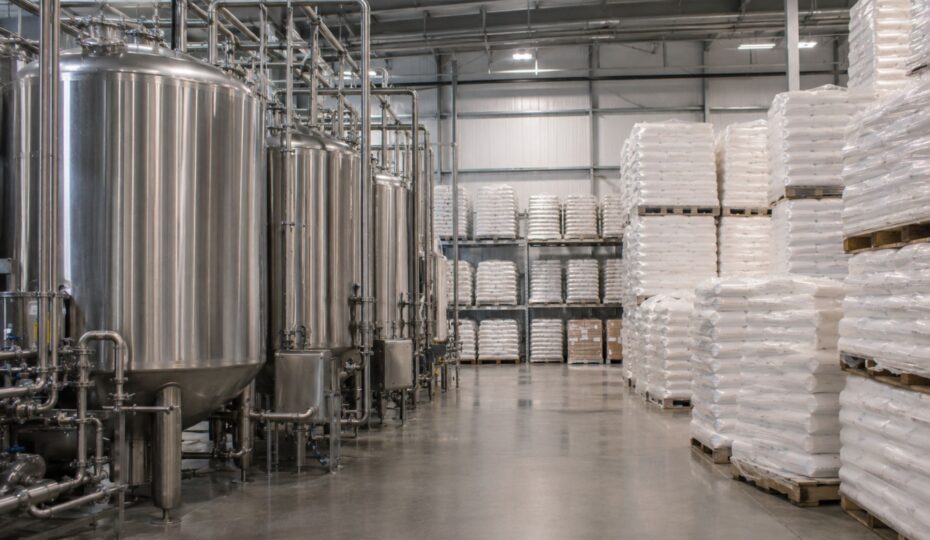
Granulated sugar is generally easier to store long-term because it only requires dry warehouse conditions. Liquid sugar can improve batching speed, but it also introduces storage, sanitation, and transportation requirements that dry systems may not need.
Facilities using liquid sweeteners often require tanks, pumps, temperature monitoring, and scheduled cleaning procedures to prevent contamination or crystallization problems. In colder environments, some facilities also use heated systems to maintain proper flow rates through transfer lines.
These systems create operational tradeoffs. A beverage manufacturer may gain faster batching efficiency with liquid sugar while accepting higher sanitation and equipment maintenance requirements. A dry sugar system may require more labor during dissolving but reduce infrastructure complexity.
Transportation differences also affect procurement decisions. Liquid sugar commonly ships in totes, drums, or tanker trucks, while granulated sugar moves through bags, pallets, or supersacks.
| Packaging Format | Best Fit |
| Pails | Small production runs |
| Drums | Mid-volume syrup or beverage production |
| Totes | Large batch operations |
| Tankers | High-volume manufacturing |
| Supersacks | Dry sugar storage and blending |
How Manufacturers Choose Between Liquid Sugar and Granulated Sugar
Manufacturers usually choose based on operational efficiency, formulation needs, storage capacity, and total production cost rather than sweetness alone. The decision often depends on where bottlenecks occur inside the production process.
A regional beverage manufacturer may switch to liquid sugar after discovering that dissolving granulated sugar slows cold-fill production during peak seasonal demand. Meanwhile, a bakery producing multiple dry blends may stay with granulated sugar because it integrates more easily into powdered ingredient systems.
Procurement teams also evaluate the hidden operational costs behind each format. A lower ingredient price does not always create lower production cost if dissolving time, labor, tank sanitation, or storage inefficiencies offset the savings.
Before selecting a supplier, manufacturers often review:
- Brix consistency
- delivery reliability
- packaging flexibility
- warehouse availability
- food safety documentation
US Sweeteners supports manufacturers with bulk liquid sugar, granulated sugar, invert sugar, and industrial sweeteners backed by nationwide logistics support and flexible delivery formats.
Conclusion
Liquid sugar is often the better fit for beverages, syrups, sauces, and liquid batching systems where fast dissolving and consistent sweetness matter most. Granulated sugar is often the stronger option for baking, dry blending, long-term storage, and facilities without liquid handling infrastructure.
Many food manufacturers use both formats depending on the production line. A beverage division may rely on liquid sugar for cold drinks while a bakery division continues using granulated sugar, brown sugar, or powdered sugar for baked goods and dry formulations. The best decision usually comes down to operational fit. Storage systems, labor requirements, batching speed, sanitation procedures, formulation control, and delivery logistics all affect long-term production efficiency.
US Sweeteners supplies bulk liquid sugar, granulated sugar, invert sugar, high fructose corn syrup, and industrial sweeteners for manufacturers across the United States. Contact us to discuss packaging options, inventory planning, and reliable nationwide delivery support for your production line.
FAQs
What is the main difference between liquid sugar and granulated sugar?
Liquid sugar is sucrose dissolved in water, while granulated sugar remains in dry crystal form. Liquid sugar works well in beverages and syrups because it blends quickly into liquid systems. Granulated sugar often works better for dry mixes, baking, and facilities that prefer simpler storage systems.
Is liquid sugar better than granulated sugar?
Neither option is universally better. Liquid sugar improves batching efficiency and dissolving speed in beverage manufacturing, while granulated sugar offers easier storage and broader dry blending flexibility. The best choice depends on the production process and finished product requirements.
Can liquid sugar replace granulated sugar in manufacturing?
Liquid sugar can replace granulated sugar in many liquid formulations, but manufacturers usually need to adjust moisture levels and formulation ratios. Since liquid sugar adds water to the system, recipes may require process changes to maintain texture, viscosity, and sweetness targets.
Why do beverage manufacturers use liquid sugar?
Beverage manufacturers use liquid sugar because it dissolves quickly and supports consistent sweetness across large production runs. It also reduces mixing delays, improves batching efficiency, and helps prevent undissolved sugar crystals from affecting finished beverages.
Which sugar is easier to store in bulk?
Granulated sugar is usually easier to store because it only requires dry warehouse conditions. Liquid sugar often requires tanks, pumps, sanitation systems, and temperature management, depending on the facility setup. However, liquid systems may still improve overall efficiency in high-volume beverage production.
How do manufacturers buy liquid sugar in bulk?
Manufacturers commonly purchase liquid sugar in pails, drums, totes, or tanker trucks, depending on production volume. Smaller operations may use drums or totes, while large beverage facilities often rely on tanker deliveries for continuous production supply.

Thomas is a product expert at US Sweeteners, a trusted bulk sugar and sweetener distributor serving food and beverage manufacturers across the USA. He writes about sweetener sourcing, ingredient trends, and supply chain insights for the food industry.