MOQs, Lead Times, and Pricing Tiers: What to Ask Your Bulk Sweetener Supplier
Procurement managers evaluating sweetener suppliers often focus heavily on ingredient pricing. However, bulk sweetener supplier MOQ requirements, lead times, freight structures, and pricing models can affect production continuity just as much as cost. Manufacturers, bakeries, beverage producers, and distributors need supplier evaluation frameworks that help reduce sourcing risk and improve long-term purchasing stability.
Whether you source liquid sugar wholesale products, stevia sweeteners, monk fruit extract, erythritol, polyols, or bulk granulated sugar, understanding supplier terms before signing a purchasing agreement can prevent freight surprises, inventory shortages, and production delays later. If your team needs support evaluating procurement strategies, pricing structures, or recurring supply planning, contact us to discuss your sourcing goals and operational requirements.
What Does Bulk Sweetener Supplier MOQ Mean?
A bulk sweetener supplier’s MOQ is the minimum order quantity required before a supplier can process and ship a commercial order. MOQ structures help suppliers balance freight efficiency, warehouse handling, production scheduling, and packaging costs while helping buyers forecast inventory and purchasing cycles more accurately.
Many procurement teams assume that MOQ only affects order size. In practice, MOQ often determines freight strategy, lead-time flexibility, and long-term pricing opportunities. One common sourcing mistake occurs when buyers approve a supplier based on pallet MOQ pricing only to discover the supplier shifts to full truckload purchasing requirements during peak seasonal demand.
MOQ structures typically vary by packaging type and freight method.
| Order Type | Typical MOQ Range | Common Freight Method |
| Case Orders | 10–50 cases | Parcel or LTL |
| Pallet Orders | 1–4 pallets | LTL |
| Bulk Dry Ingredients | 5,000–20,000 lbs | LTL or truckload |
| Liquid Sugar | 40,000–45,000 lbs | Full truckload |
| Specialty Sweeteners | 1,000–5,000 lbs | LTL or import freight |
These benchmark ranges vary by supplier, inventory position, and ingredient category, but procurement teams can use them as directional planning estimates during RFP evaluations.
Why Sweetener Suppliers Set Minimum Order Quantities
Suppliers use MOQs to balance operational costs, freight efficiency, warehouse space, inventory planning, and production scheduling. Lower MOQs can help buyers reduce upfront inventory commitments, but they often increase landed cost and transportation complexity.
For example, liquid sweetener systems frequently move through tanker deliveries because freight efficiency improves dramatically at truckload volume. Granulated sugar or powdered sweeteners may offer more flexibility because suppliers can palletize and distribute them through regional warehouse networks.
Several factors influence MOQ requirements:
- Packaging setup labor
- Freight utilization
- Production scheduling
- Food-grade storage
- Import coordination
- Inventory turnover
- Specialty ingredient sourcing
- Seasonal production demand
According to research from the U.S. Food and Drug Administration (FDA), manufacturers continue increasing investment in sugar reduction and alternative sweeteners to meet changing consumer demand while maintaining sweetness, texture, and functional performance. This demand growth has increased sourcing pressure for ingredients such as monk fruit extract, stevia sweeteners, erythritol, and other reduced sugar formulation systems.
One procurement lesson we often see involves buyers selecting suppliers based only on low MOQ flexibility without evaluating inventory consistency. Smaller order minimums may look attractive initially, but inconsistent inventory or unstable freight scheduling can create larger operational problems during peak manufacturing periods.
Common MOQ Structures by Sweetener Type
MOQ requirements differ significantly between commodity sweeteners, liquid ingredients, and specialty formulations. Procurement managers should evaluate MOQ structures alongside freight costs, inventory stability, and lead-time expectations rather than reviewing them independently.
Liquid Sweeteners
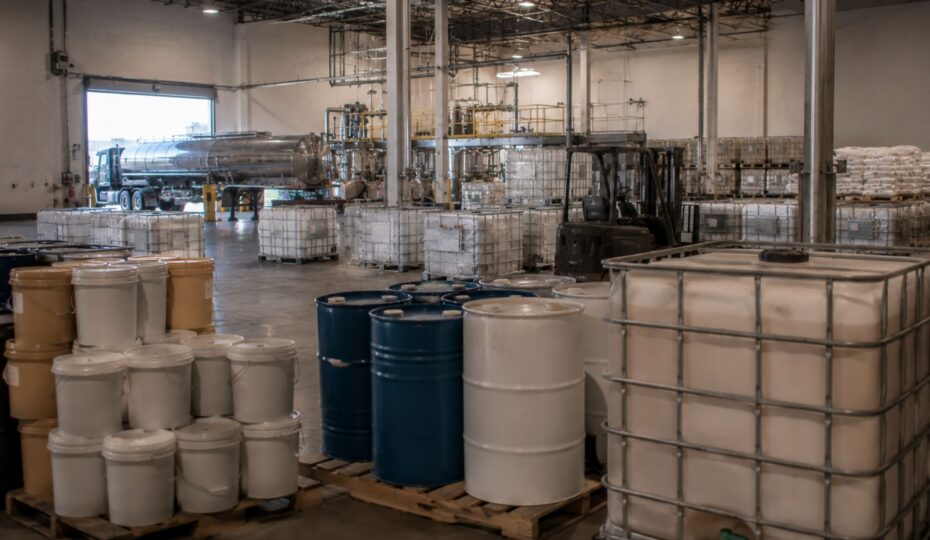
Liquid sugar wholesale products usually move through totes, drums, or tanker shipments. Truckload deliveries commonly provide the lowest delivered cost because freight utilization improves substantially at larger shipment volumes.
Most liquid sweetener suppliers structure MOQs around:
- Full tanker utilization
- Regional freight lanes
- Delivery frequency
- Storage compatibility
- Processing schedules
Beverage producers and functional beverages manufacturers often reduce supply chain risk by scheduling recurring deliveries rather than relying on spot purchasing.
Granulated and Powdered Sweeteners
Granulated sugar, powdered sugar, and bulk bakery ingredients generally offer more flexible MOQs because suppliers can palletize and warehouse these products more efficiently.
Bakery products, confectionery systems, baked goods manufacturers, and protein bars producers often purchase recurring pallet quantities to improve inventory predictability and reduce emergency freight expenses.
Specialty and Alternative Sweeteners
Alternative sweeteners frequently carry stricter MOQ requirements because suppliers source them globally and maintain smaller inventory positions.
This category includes:
- Monk fruit extract
- Stevia
- Reb D
- Erythritol
- Xylitol
- Maltitol
- Sorbitol
- Polyols
- High-intensity sweeteners
| Sweetener Type | Typical MOQ Driver | Common Procurement Challenge |
| Liquid sugar | Tanker freight efficiency | Delivery scheduling |
| Granulated sugar | Pallet utilization | Freight cost control |
| Monk fruit extract | Import sourcing | Inventory variability |
| Stevia sweeteners | Specialty formulation demand | Lead-time planning |
| Polyols | Global sourcing | Supply chain fluctuations |
| Erythritol | Market demand volatility | Price instability |
One sourcing challenge we frequently see involves buyers underestimating lead times for imported alternative sweeteners during product reformulation projects. Procurement teams often secure production approval before confirming supplier inventory availability, which can delay product launches significantly.
What Affects Sweetener Supplier Lead Times?
Sweetener supplier lead times depend on sourcing region, warehouse inventory, freight scheduling, packaging requirements, and production demand. Domestic commodity sweeteners usually ship faster than imported specialty ingredients because suppliers maintain broader warehouse coverage and more stable inventory levels.
Many procurement teams underestimate how quickly lead times can change during seasonal production spikes or freight disruptions.
Domestic vs. Imported Sweeteners
Domestic sweeteners commonly ship within:
- 3–10 business days for stocked regional inventory
- 1–3 weeks for larger contract shipments
Imported specialty sweeteners may require:
- 4–12 weeks, depending on customs clearance
- Additional lead time during port congestion
- Extended scheduling during high-demand seasons
High-intensity sweeteners, monk fruit, stevia, and specialty blended systems often carry the highest sourcing variability because many ingredients depend on international production cycles.
Packaging and Production Requirements
Private label packaging, specialty food-grade documentation, and custom blended systems frequently extend lead times.
This commonly affects:
- Nutritional products
- Sugar-free confectionery
- Functional beverages
- Reduced sugar formulations
- Custom bakery blends
One common procurement mistake involves approving a supplier quote without clarifying whether quoted lead times include packaging production or only raw ingredient availability. Buyers should always request complete fulfillment timelines.
Seasonal Procurement Pressure
Lead times often increase during:
- Holiday bakery production
- Summer beverage demand
- New product launches
- Sugar reduction reformulation cycles
At US Sweeteners, we encourage procurement teams to discuss seasonal forecasting early instead of waiting until inventory pressure develops. Advanced planning often creates more pricing flexibility and stronger inventory availability.
Understanding Bulk Sugar Pricing Tiers
Bulk sugar pricing tiers determine how suppliers calculate ingredient pricing based on volume, freight structure, sourcing method, and market conditions. Procurement managers should understand pricing mechanics before comparing supplier proposals because identical ingredient quotes can behave very differently under changing market conditions.
Many buyers focus on the initial quoted price without evaluating how the supplier adjusts pricing during commodity fluctuations or freight volatility.
Fixed Pricing vs. Indexed Pricing vs. Cost-Plus
| Pricing Model | Best Use Case | Main Risk | Main Advantage |
| Fixed Pricing | Budget stability | Missing lower market prices | Predictable budgeting |
| Indexed Pricing | Volatile commodity markets | Budget fluctuations | Market-responsive pricing |
| Cost-Plus Pricing | Long-term supplier partnerships | Margin transparency concerns | Flexible sourcing |
| Fixed-Forward Contracts | High-volume manufacturing | Commitment risk | Long-term stability |
Commodity sugar pricing often follows Sugar No. 11 futures markets. Procurement teams should ask suppliers exactly how Sugar No. 11 pricing affects contract adjustments because repricing schedules vary significantly between suppliers.
Some suppliers:
- Reprice monthly
- Use quarterly averaging formulas
- Apply freight surcharges separately
- Include warehouse adjustments
- Build fuel volatility into contracts
During volatile sugar markets, indexed pricing may reduce long-term procurement costs compared with fixed pricing. However, indexed models also create budgeting uncertainty. Buyers should request historical pricing examples showing how quotes would have changed over the previous 12 months under each pricing structure.
Procurement Guidance for Pricing Models
Fixed pricing often works best when:
- Budget stability matters most
- Commodity volatility is high
- Production margins remain tight
- Buyers need forecasting certainty
Indexed pricing may work better when:
- Commodity markets trend downward
- Buyers purchase high volumes
- Procurement teams actively monitor markets
- Long-term cost reduction matters more than short-term predictability
One procurement lesson we frequently see involves buyers locking into fixed contracts during temporary commodity spikes without comparing indexed alternatives. In some situations, indexed pricing may lower annual procurement costs substantially despite short-term volatility.
Questions Procurement Managers Should Ask During Supplier RFPs
Strong ingredient procurement requires operational evaluation, not just price comparisons. Procurement teams should use supplier RFPs to uncover inventory limitations, freight risks, lead-time variability, and pricing exposure before finalizing agreements.
MOQ and Freight Questions
- What is your standard MOQ by product category, packaging type, and freight method?
- Does liquid sugar require full truckload quantities, while granulated sugar can ship through LTL?
- Do MOQs increase during peak seasonal demand?
- Can recurring contracts reduce MOQ requirements?
- Which products maintain a stable inventory year-round?
Lead-Time Questions
- What are your current domestic lead-time ranges?
- Which imported ingredients carry the highest supply risk?
- How do you manage transportation delays?
- What percentage of orders ship on time?
- Do you maintain inventory across multiple warehouses?
Pricing and Contract Questions
- Is pricing fixed, indexed, or cost-plus?
- How frequently do you adjust pricing?
- Are freight charges separate or included?
- Can you provide historical pricing examples?
- What contract structures support long-term procurement stability?
Ingredient Procurement Checklist
Procurement teams should also verify:
- Food-grade compliance
- Traceability systems
- Batch consistency
- Inventory forecasting support
- Emergency fulfillment capabilities
- Packaging flexibility
- Supply chain redundancy
- Seasonal inventory planning
At US Sweeteners, we help procurement teams evaluate supplier structures beyond ingredient pricing alone. Strong sourcing strategies usually depend on inventory reliability, freight coordination, and long-term operational consistency.
5 Procurement Mistakes We See During Sweetener RFPs
Procurement teams often focus heavily on initial ingredient pricing while overlooking operational risks that create higher long-term costs. Many sourcing issues appear only after production schedules tighten or seasonal demand increases.
- Choosing Suppliers Based Only on Low MOQ. Small MOQs may reduce upfront inventory commitments, but they can increase freight costs and inventory instability later. Some suppliers also raise MOQs significantly during high-demand periods.
- Ignoring Freight Strategy. One common procurement issue occurs when buyers approve low ingredient pricing without reviewing freight structures. LTL freight can dramatically increase delivered cost compared with optimized truckload scheduling.
- Failing to Clarify Lead-Time Assumptions. Some suppliers quote ingredient availability instead of full fulfillment timelines. Buyers should confirm whether quoted lead times include packaging, labeling, freight scheduling, and warehouse processing.
- Comparing Quotes Without Reviewing Pricing Models. A lower initial quote may become more expensive over time if pricing adjusts aggressively during commodity volatility. Procurement teams should compare contract structures, not just ingredient pricing.
- Overlooking Inventory Redundancy. Suppliers operating from a single warehouse location may create greater operational risk during transportation disruptions or regional inventory shortages. Multi-warehouse distribution often improves supply continuity.
Weighted Bulk Sweetener Supplier Evaluation Scorecard
A weighted procurement scorecard gives sourcing teams a more consistent framework for supplier evaluation. Instead of comparing suppliers emotionally or focusing only on pricing, procurement managers can score operational categories objectively.
Example of Supplier Scoring Framework
| Evaluation Category | Suggested Weight |
| Inventory Reliability | 25% |
| Lead-Time Performance | 20% |
| Pricing Transparency | 15% |
| Freight Capability | 15% |
| Quality & Compliance | 15% |
| Customer Support | 10% |
Procurement teams can score each supplier from 1 to 5 within every category.
Example Scoring Method
| Score | Meaning |
| 1 | Poor performance |
| 2 | Below expectations |
| 3 | Acceptable |
| 4 | Strong |
| 5 | Excellent |
For example:
- A supplier with nationwide warehouse coverage may score highly for inventory reliability.
- A supplier offering transparent indexed pricing models may score higher for pricing transparency.
- A supplier lacking freight contingency planning may receive lower freight capability scores.
This type of procurement framework helps sourcing teams compare suppliers more consistently across multiple operational variables.
Why Supply Chain Stability Matters More Than Low MOQ
Low MOQs can help during product testing or short production runs, but long-term manufacturing success usually depends more on supply chain stability than minimum order size alone. Delayed shipments, inconsistent inventory, and freight disruptions often create higher operational costs than slightly higher purchasing minimums.
Food manufacturers producing confectionery, bakery products, nutritional foods, beverages, and reduced sugar formulations often prioritize:
- Stable inventory
- Predictable lead times
- Consistent sweetness performance
- Freight coordination
- Nationwide supply coverage
- Reliable processing support
This becomes especially important when sourcing high-intensity sweeteners, natural sweeteners, polyols, alternative sweeteners, and specialty blended systems exposed to global sourcing fluctuations.
At US Sweeteners, we help manufacturers, distributors, bakeries, and beverage producers improve procurement planning through dependable inventory access, nationwide logistics coordination, and flexible bulk sweetener supply solutions.
Conclusion
Choosing the right supplier involves much more than comparing ingredient pricing or looking for the lowest MOQ. Procurement teams should evaluate lead times, pricing structures, inventory reliability, freight coordination, and supplier responsiveness before making purchasing decisions. A dependable supplier can help reduce production disruptions, improve forecasting accuracy, and strengthen long-term procurement planning. Buyers who evaluate operational consistency alongside pricing often build stronger and more resilient sourcing strategies over time.
At US Sweeteners, we help manufacturers, distributors, bakeries, beverage producers, and food companies source bulk sweeteners through dependable inventory management, nationwide distribution, and flexible packaging support. We can help your team evaluate MOQ structures, pricing tiers, freight strategy, and lead-time planning based on your operational needs. Contact us to discuss procurement solutions that support long-term supply stability and production efficiency.
FAQs
What does bulk sweetener supplier MOQ mean?
Bulk sweetener supplier MOQ refers to the minimum quantity required before a supplier can process a commercial order. MOQ structures help suppliers manage freight efficiency, warehouse handling, packaging costs, and production scheduling. The required quantity may vary depending on ingredient type, packaging format, and freight method.
What is a typical MOQ for bulk sweeteners?
MOQ ranges vary by product category and transportation method. Granulated sugar or powdered sweeteners may ship in pallet quantities, while liquid sugar often requires truckload freight ranging from 40,000 to 45,000 pounds. Specialty sweeteners such as monk fruit extract or stevia may follow smaller but stricter MOQ structures because of import sourcing and inventory limitations.
How long do sweetener suppliers’ lead times usually take?
Domestic sweeteners commonly ship within 3–10 business days when suppliers maintain regional inventory. Imported alternative sweeteners may require 4–12 weeks, depending on customs clearance, production cycles, and freight conditions. Packaging customization and seasonal demand can also increase lead times.
What pricing model works best for bulk sugar procurement?
The best pricing structure depends on procurement priorities and market conditions. Fixed pricing offers budgeting stability, while indexed pricing may lower long-term costs during favorable commodity markets. Procurement teams should compare contract structures carefully before choosing between fixed, indexed, or cost-plus models.
Why do freight structures matter during supplier evaluations?
Freight strategy can significantly affect delivered cost, inventory timing, and production continuity. A supplier offering low ingredient pricing may still create higher operational costs if freight scheduling remains inefficient or unstable. Procurement teams should evaluate freight capability alongside MOQ and pricing terms.
How can procurement teams reduce ingredient sourcing risk?
Procurement teams can reduce risk by evaluating supplier inventory reliability, warehouse coverage, lead-time consistency, freight coordination, and pricing transparency. Multi-warehouse suppliers often provide stronger supply continuity during transportation disruptions or seasonal demand spikes. Long-term supplier partnerships also improve forecasting and emergency fulfillment support.

Thomas is a product expert at US Sweeteners, a trusted bulk sugar and sweetener distributor serving food and beverage manufacturers across the USA. He writes about sweetener sourcing, ingredient trends, and supply chain insights for the food industry.