
Sugar Cubes: Uses, History, Production, and Foodservice Applications
Last Updated: April 31, 2026
Sugar cubes were born out of necessity in the 1840s, when a Swiss inventor created them after his wife was injured trying to break a solid sugarloaf. What began as a safety solution quickly became a symbol of convenience, changing how people sweeten drinks in both home and service settings. In foodservice and hospitality settings, sugar cubes are widely used for portion control, consistent presentation, and efficient service, making them a practical choice for bulk procurement.
More than just compact sugar, these small blocks offer a simple and reliable way to control sweetness. From tea and cocktails to foodservice operations and DIY recipes, sugar cubes continue to serve both practical and creative roles. This guide is designed for home users, café owners, and foodservice businesses looking to understand how sugar cubes are made, used, and sourced for consistent results.
What are Sugar Cubes?
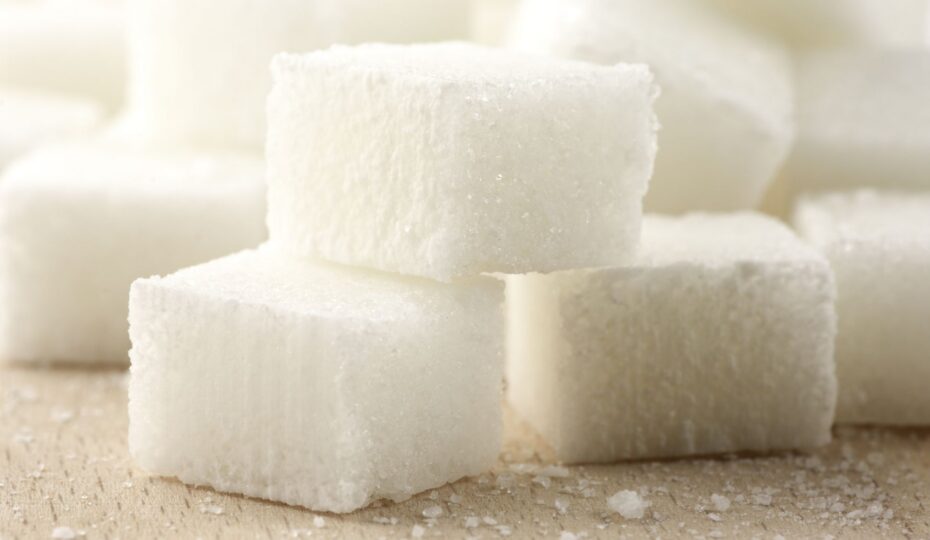
Sugar cubes are compact blocks of granulated sugar, usually equal to one teaspoon. Also known as cube sugar, they are made by pressing sugar granules into uniform shapes for easy use. This design removes the need to measure loose sugar, making it a simple and reliable option for consistent portioning.
Most sugar cubes weigh around 3 to 5 grams and are commonly available as white sugar cubes, along with flavored or decorative options. Their uniform size helps deliver the same level of sweetness in every drink, whether used at home or in service settings. In commercial environments, this consistency also helps standardize servings across locations and reduces sugar waste during high-volume service.
In cafés, hotels, and restaurants, this pre-measured format supports faster service and better portion control. Instead of scooping sugar, staff can quickly serve cubes, keeping the process clean and consistent while maintaining a polished presentation.
The History of Sugar Cubes
In the 19th century, sugarloaves were hard, cone-shaped blocks of sugar that people used at home. They were difficult to handle and had to be broken apart using sharp tools. This made them messy and sometimes unsafe. After his wife was injured while cutting one, Swiss inventor Jakub Kryštof Rad introduced a safer option in the 1840s. He created sugar cubes by pressing slightly moist sugar into molds and letting it dry into solid pieces.
The idea quickly spread. Eugen Langen later improved the production method, making it faster and more efficient. In 1875, British entrepreneur Henry Tate helped expand manufacturing, turning sugar cubes into a widely used product. Over time, new machines made production more consistent, which helped sugar cubes become a common item in homes and cafés. This early focus on convenience and safety still influences how sugar cubes are used in modern foodservice.
Modern Sugar Cube Manufacturing
Modern sugar cube production is highly automated, with some facilities producing large volumes each day. Several industrial methods are used, including systems that rely on vibration, rotating molds, and controlled drying to form uniform sugar cubes at scale.
The process begins with granulated sugar that is lightly mixed with water to create a slightly damp mixture. This mixture is then pressed into molds and dried until it forms solid blocks. Factors like granule size, moisture level, molding pressure, and drying time all affect how the cube holds its shape and dissolves in a drink.
In large-scale production, these variables are carefully controlled to maintain uniform output across batches. For foodservice buyers, this ensures consistent cube size, weight, and dissolution performance across shipments, which is critical for maintaining standard service quality. This reliability is important for foodservice operations, where businesses depend on cube sugar that performs the same way in coffee, tea, and cocktails. These variables are often adjusted based on specific application requirements, such as beverage service, cocktails, or large-scale hospitality use.
Comprehensive Sugar Cube Uses and Applications
Sugar cubes are used in many ways beyond sweetening drinks. Their compact size and consistent shape make them easy to measure, handle, and serve, whether at home or in service settings. From beverage preparation to creative and practical uses, they offer a simple and reliable way to control sweetness and serving consistency. In foodservice and hospitality operations, they are also used to standardize portioning, improve service efficiency, and maintain consistent presentation across orders.
Traditional Beverage Service
Sugar cubes are often used in beverage service because they offer a clean and simple way to control sweetness. In tea settings, they allow guests to add sugar in small, measured amounts without making a mess. This helps keep the experience neat while giving people more control over how sweet their drink is.
They also dissolve evenly in hot drinks like coffee and tea. Unlike loose sugar that can settle at the bottom, sugar cubes break down gradually and spread sweetness throughout the drink. In cafés and restaurants, this helps maintain consistent sweetness levels while keeping service clean and efficient. This consistency is especially important in cafés and hotels, where maintaining uniform quality across multiple servings is critical.
Cocktail and Bar Applications
Sugar cubes are widely used in cocktail preparation, especially for classic drinks that rely on precise steps. In an Old Fashioned, a sugar cube is muddled with bitters to create a base that blends smoothly with the other ingredients. This method gives better control compared to loose sugar. In bar operations, this also helps standardize preparation and reduce variation between servings, especially in high-volume environments.
They are also used in absinthe service, where a sugar cube is placed on a slotted spoon and slowly dissolved with water. This creates a gradual mixing effect that is part of the presentation. In champagne cocktails, sugar cubes dissolve slowly, adding both sweetness and a subtle visual effect as the bubbles rise. In bar settings, sugar cubes also help standardize preparation, especially for classic cocktails.
Specialty and Creative Applications
Sugar cubes are used for more than just sweetening drinks. They are often used in health education to show how much sugar is in common foods and beverages. For example, nutritionists may stack sugar cubes to give a clear visual of sugar content.
They are also popular in creative projects. Their uniform shapes make them easy to use for building simple structures, decorations, or visual displays. This makes them useful for crafts, photography, and presentations where a clean and consistent look is needed. In hospitality settings, similar consistency is used to support branded presentation and uniform service across locations.
In the past, some sugar cubes were individually wrapped with printed designs or advertisements, especially in parts of Europe. Today, similar ideas are still used in some food and hospitality settings to improve presentation or create branded serving experiences.
DIY Sugar Cube Making Guide
Making homemade sugar cubes is simple and fun, and it allows you to customize them to your taste. You only need a few basic items, including granulated sugar, candy molds, and a small amount of water. You can also make flavored sugar cubes by adding ingredients like vanilla extract, citrus zest, or food coloring.
Basic Equipment and Materials
To get started, you will need:
- Granulated sugar
- Candy molds (plastic or silicone)
- Water
Start with flexible plastic or silicone candy molds, which make it easier to release the cubes without breaking them. These can be found at craft stores or ordered online from most shopping pages. For the sugar itself, regular white granulated sugar works well, and you can source consistent, high-quality granulated sugar from US Sweeteners. Using the right materials helps create uniform sugar cubes that hold their shape and dissolve properly.
Step-by-Step Process
Mix the sugar with a small amount of water until it feels like wet sand. This step is important because it helps the sugar hold its shape during molding and drying. If the mixture is too dry, the cubes will fall apart. If it is too wet, they will be harder to remove from the molds.
Press the mixture firmly into the molds and make sure all spaces are filled evenly. Remove any excess from the top to keep the cubes clean and uniform in shape. Turn the mold over and tap gently to release the cubes. The cubes may feel soft at first, but they will dry and become firm within about an hour.
Flavoring and Customization
Flavoring and customization are where homemade sugar cubes stand out. You can easily adjust both the taste and appearance by adding simple ingredients to your sugar mixture. These small changes make it easy to match your sugar cubes with different drinks or occasions.
You can try different options, such as:
- Vanilla extract, which creates vanilla-flavored cubes that are perfect for coffee
- Citrus zest for a fresh and light taste that works well with tea
- Food coloring or natural options like beet powder, turmeric, or spirulina for color
- Spices like cinnamon or cardamom for added depth
- Freeze-dried fruit powders or edible flower petals for a unique look
Use small amounts when adding flavors or color, since too much can affect both the taste and texture. Keeping the balance light helps maintain the shape of the cubes while still adding a subtle flavor and visual appeal.
Storage and Shelf Life
Store your finished sugar cubes in an airtight container to keep them dry and maintain their shape over time. Proper storage helps prevent moisture from affecting the texture and keeps the cubes looking clean and uniform. Plain sugar cubes can last a long time when stored correctly, while flavored varieties may slowly lose their intensity. For best results, use flavored sugar cubes within 2 to 3 months, as their flavor and aroma can fade over time.
Commercial Applications and Sourcing
Sugar cubes are widely used in foodservice because they offer consistent portion control and a clean presentation. Restaurants, hotels, and catering services rely on them to serve drinks quickly while maintaining a uniform look across orders. Instead of measuring loose sugar, staff can use pre-portioned cubes to keep service simple and efficient, especially during busy hours.
Many foodservice businesses source sugar cubes from bulk suppliers to maintain a steady inventory and consistent product quality. Working with reliable bulk suppliers helps reduce delays and supports smooth day-to-day operations. For larger operations, commercial sourcing is often more practical than making sugar cubes in-house, as it supports large-scale output and dependable supply.
Nutritional Information and Market Trends
Each sugar cube contains about 12 to 16 calories and is made from simple carbohydrates, mainly sucrose. The ingredients are straightforward, with minimal processing, which makes it easy for people to understand what they are consuming. This simplicity appeals to those who prefer clear and familiar ingredients in their food and drinks.
In today’s market, white sugar cubes are still the most common, but brown sugar cubes are gaining attention for their richer flavor. The growth of specialty drinks and craft cocktails has also increased interest in premium and flavored options. At the same time, some consumers are choosing alternatives due to health concerns, which has led to new product variations. In foodservice, portion control from sugar cubes can also help maintain consistency across servings.
Conclusion
From a simple safety solution in the 19th century to a staple in both home and foodservice settings, sugar cubes have remained relevant over time. Their consistent size, ease of use, and clean presentation make them a practical choice for beverage service and everyday use. Whether used in coffee, tea, or cocktails, they provide a reliable way to control sweetness and maintain a uniform experience.
For businesses that rely on consistent beverage service, sourcing sugar in bulk helps maintain portion control and steady inventory. At US Sweeteners, we supply high-quality sugar for your sugar cubes, supporting foodservice and hospitality operations that need reliable and consistent results. You can explore our available sweetener options or contact us to learn more about bulk supply and product availability for your business.
FAQs
What are sugar cubes good for?
Sugar cubes are used to sweeten drinks like coffee, tea, and cocktails in a clean and controlled way. Each cube provides a fixed amount of sugar, which makes it easy to adjust sweetness without measuring. They are also useful in foodservice settings where consistent portioning and quick service are important.
Are sugar cubes the same as regular sugar?
Yes, sugar cubes are the same as regular sugar in terms of ingredients. They are made from granulated sugar that is lightly moistened, pressed into molds, and dried into solid blocks. The main difference is that sugar cubes are pre-measured, which makes them easier to use and serve.
What are the different types of sugar cubes?
Sugar cubes come in several types, including white sugar cubes, brown sugar cubes, and flavored sugar cubes. Some are designed to dissolve quickly in hot drinks, while others dissolve more slowly for presentation or specialty use. There are also decorative cubes that come in different shapes, colors, or flavors.
What’s the difference between sugar cubes and loose sugar?
Sugar cubes are compressed granulated sugar with minimal moisture to bind granules together, typically packed in a box with standard sugar cube size of 16-20mm per side, providing the same sweetness as loose sugar but in pre-measured, mess-free cube form.

Thomas is a product expert at US Sweeteners, a trusted bulk sugar and sweetener distributor serving food and beverage manufacturers across the USA. He writes about sweetener sourcing, ingredient trends, and supply chain insights for the food industry.