
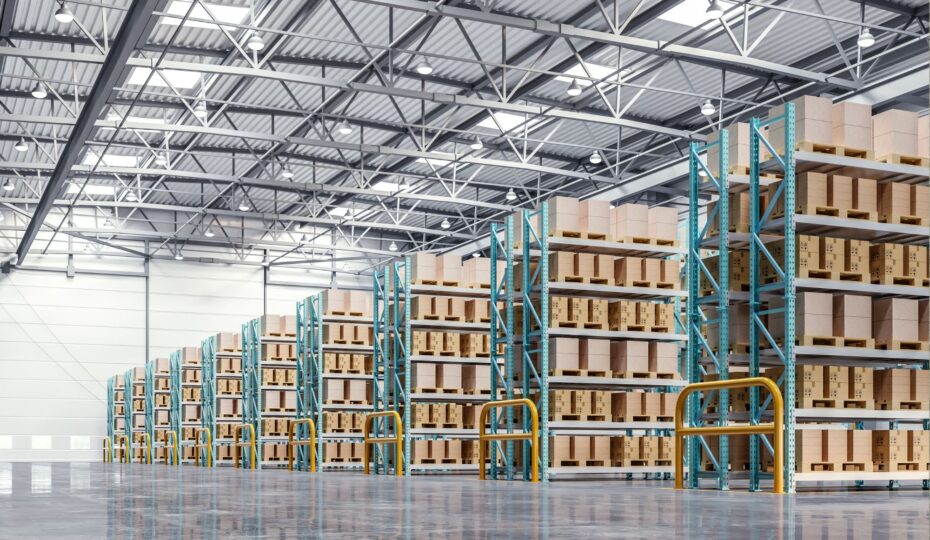
A delayed sugar shipment can quickly become a production problem. Bulk sweetener distribution helps food manufacturers maintain a steady supply by coordinating stocked inventory, warehouse selection, freight, documentation, and scheduled delivery. For bakeries, beverage manufacturers, confectionery plants, breweries, and food processors, access to multiple fulfillment points can reduce the risk of weather, congestion, inventory shortages, or carrier delays disrupting a scheduled production run.
A strong multi-warehouse distribution network gives buyers more options than relying on one distant shipping origin. US Sweeteners uses a multi-warehouse model to support customers across the United States, helping connect procurement teams with available inventory, practical shipping locations, sanitary transportation, and delivery schedules that match production needs.
What Is Bulk Sweetener Distribution?
Bulk sweetener distribution is the coordinated sourcing, storage, packaging, transportation, and delivery of commercial quantities of sugar, syrups, and other sweetening ingredients. It helps food manufacturers maintain access to the materials they need while managing freight, food safety, inventory, documentation, and production schedules.
A distributor sits between ingredient producers and commercial buyers. It may hold stock in regional warehouses, arrange suitable packaging, select a practical shipping location, and coordinate transportation to the customer’s plant or distribution center. This is different from simply placing an order with a mill and waiting for the product to travel from one fixed origin.
An effective distribution system usually includes:
- Confirming the sweetener and product specification
- Checking stock across available warehouses
- Matching the order with the right packaging
- Selecting a practical shipping location
- Coordinating freight and receiving requirements
- Providing product and shipment documentation
- Planning replenishment for recurring demand
US Sweeteners operates numerous warehouses across the country and supplies bulk sugar and other food ingredients to customers throughout the United States. Its available formats include packaged dry products, supersacks, IBC totes, bulk loads, and food-grade tanker options, depending on the ingredient and order requirements.
Why Does a Multi-Warehouse Network Improve Sugar Supply Continuity?
A multi-warehouse network improves sugar supply continuity by giving a distributor more than one possible location from which to fulfill an order. When inventory, weather, transportation capacity, or regional demand changes, the distributor can evaluate other stock positions and shipping routes instead of relying entirely on one facility.
Single-origin shipping creates a concentrated point of risk. Even when a supplier has enough total inventory, a disruption at the originating warehouse, nearby highway, rail connection, or regional carrier market can affect every customer that depends on that location. A national warehouse footprint distributes that exposure across more than one point.
Multiple warehouses may help a supplier:
- Position stock closer to major customer regions
- Reduce dependence on one warehouse or shipping lane
- Identify alternative inventory during shortages
- Support customers with facilities in different states
- Coordinate recurring deliveries from practical locations
- Respond more flexibly to regional disruptions
These advantages do not mean every order will ship from the closest warehouse. Product availability, lot requirements, packaging, freight capacity, certifications, and the delivery date all influence the final decision. However, a multi-site model gives procurement teams more options than a system tied to one shipping origin.
US Sweeteners’ network includes numerous warehouse locations across the country. The company uses this national footprint to serve customers in different US markets rather than routing every order from its Brooklyn, New York base.
How Does Warehouse Location Affect Transit Time?
Warehouse location affects transit time because the distance between available inventory and the receiving plant influences how long freight may spend in transit. Shorter routes can also reduce exposure to congestion, weather systems, driver scheduling limits, and handoffs that may make delivery times less predictable.
Transit-time planning involves more than dividing mileage by average truck speed. Freight managers must consider pickup appointments, warehouse loading time, required rest periods, highway bottlenecks, delivery appointments, weekend schedules, and site-specific receiving rules.
A Practical Transit-Time Comparison
Consider a food manufacturer that needs a truckload of granulated sugar for a scheduled production run. The following simplified example shows why warehouse choice matters:
| Shipping Scenario | Approximate Road Distance | Planning Effect |
| Regional warehouse | 250 miles | Potential same-day or next-day transit after loading |
| Mid-distance warehouse | 750 miles | Often requires a longer delivery window |
| Single distant origin | 1,500 miles | Greater exposure to congestion, weather, and scheduling changes |
These figures illustrate planning differences rather than guaranteed delivery times. Actual transit depends on the carrier, route, product availability, loading schedule, receiving appointment, and current road conditions.
How Do Freight Costs Change Across a Warehouse Network?
Freight costs depend on distance, product weight, equipment type, fuel, route demand, carrier availability, delivery appointments, and whether the order fills an entire truck. A nearby warehouse can lower line-haul distance, but the lowest-mileage option is not automatically the least expensive or most practical choice.
Sweeteners are heavy products, so freight can represent a meaningful part of the delivered cost. Procurement teams should compare the total delivered price rather than looking only at the ingredient’s price per pound. A lower product price from a distant origin may lose its advantage after transportation, handling, delay exposure, or expedited delivery costs are added.
Freight Trade-Offs
| Factor | Potential Cost Impact |
| Distance | Longer routes generally require more carrier time and fuel |
| Shipment size | Full-truckload quantities can improve cost efficiency per pound |
| Product form | Liquid and dry products require different equipment |
| Delivery appointment | Tight receiving windows may limit carrier options |
| Equipment availability | Food-grade tankers, dry vans, or bulk trailers may have different rates |
| Urgency | Expedited service can raise the delivered cost |
| Warehouse stock | The lowest-cost warehouse cannot fulfill an order if the required product is unavailable |
A multi-warehouse distributor can compare available inventory with freight options rather than automatically shipping from one fixed point. This creates room to balance product cost, transport cost, timing, and supply risk.
Why Weather and Regional Disruptions Require Redundancy
Warehouse redundancy helps protect ingredient supply when severe weather, flooding, winter storms, hurricanes, wildfires, power outages, road closures, or regional transportation shortages disrupt normal shipping patterns. A distributor with stock in several regions may have alternative fulfillment options when one location or route becomes temporarily unreliable.
No warehouse network can remove every supply-chain risk. A widespread storm or national carrier shortage may affect several regions at once. Still, distributing inventory across multiple locations reduces the chance that one isolated disruption will block all available supply.
A resilient sourcing strategy should include:
- More than one potential fulfillment location
- Early ordering before forecast weather events
- Safety stock for essential ingredients
- Clear reorder points
- Alternative approved products or specifications
- Updated receiving contacts and site hours
- Communication between procurement, production, and logistics teams
National freight systems regularly face congestion and other reliability challenges. The Bureau of Transportation Statistics notes that truck travel data can identify freight bottlenecks, while the Department of Transportation has highlighted how disruptions at ports and inland transportation points can affect the broader movement of goods.
For manufacturers that use sugar in nearly every production run, warehouse diversity works best when paired with realistic forecasting. Waiting until stock reaches a critical level leaves less time to use the network’s flexibility.
What Is the Real Cost of Waiting for Sugar?
The real cost of a missing sugar shipment extends beyond the ingredient itself. A production line waiting for sugar may still incur labor, equipment, utility, sanitation, scheduling, and overhead costs even though it cannot produce saleable food or beverages.
The exact cost of downtime varies widely by facility. A national beverage plant, commercial bakery, confectionery line, and small co-packer will have very different hourly costs. For that reason, manufacturers should calculate their own exposure rather than relying on a broad industry average that may not match their operations.
A practical downtime calculation can include:
Estimated downtime cost = idle labor + lost production margin + restart costs + schedule disruption + expedited sourcing costs
For example, suppose a bakery schedules a large batch of baked goods but does not have enough granulated sugar to begin. The bakery may need to pay employees who are already on site, reschedule oven time, move other recipes forward, delay customer orders, and arrange an urgent ingredient shipment. Even when the sugar arrives later that day, the production calendar may remain disrupted.
Food manufacturers can reduce this risk by setting reorder points based on:
- Average daily or weekly usage
- Supplier lead times
- Demand variability
- Seasonal production increases
- Warehouse capacity
- Shelf-life and storage conditions
- The financial impact of a missed run
Safety stock is not free because it requires cash, storage space, and inventory management. However, the right level can be far less expensive than stopping a high-output production line.
Which Sweeteners Benefit From Multi-Warehouse Distribution?
Multi-warehouse distribution supports dry sugars, liquid sweeteners, corn sweeteners, syrups, and certain alternative sweeteners. The right storage and transportation system depends on whether the product arrives in bags, supersacks, totes, drums, bulk trailers, or food-grade tankers.
Manufacturers choose sweeteners according to formulation, sweetness, flavor, texture, viscosity, browning, fermentation, body, and shelf-life goals. A bakery may rely on granulated or powdered sugar, while beverage manufacturers may use liquid sugar, corn syrup, high-fructose corn syrup, stevia, sucralose, or other products based on the recipe and labeling requirements.
Common Bulk Sweetener Categories
| Category | Examples | Common Applications |
| Granulated and dry sugars | Granulated sugar, powdered sugar, brown sugar | Baking, confectionery, dry mixes, coatings |
| Liquid sugars and syrups | Liquid sugar, invert sugar, corn syrup, honey | Beverages, sauces, baked goods, confectionery |
| Corn-based sweeteners | Dextrose, corn syrup solids, HFCS, maltodextrin | Beverages, bakery products, candy, processed foods |
| High-intensity sweeteners | Stevia, sucralose, aspartame | Low-sugar beverages, dry mixes, selected bakery products |
| Polyols | Erythritol, xylitol, sorbitol | Confectionery, gums, reduced-sugar formulations |
Sweeteners do more than add sweetness. Depending on the ingredient and application, they can contribute volume, texture, viscosity, browning, moisture retention, fermentation performance, flavor balance, or product body. Buyers should confirm technical suitability with their formulation and quality teams rather than selecting an ingredient based only on sweetness or price.
US Sweeteners supplies dry and liquid sugar formats along with other essential food ingredients, custom packaging, private labeling, and nationwide distribution support.
How Should Dry and Liquid Sweeteners Be Transported?
Dry and liquid sweeteners require transportation equipment that protects ingredient quality and matches the product’s physical form. Packaged dry products may travel in enclosed trailers, while bulk powders and liquids may require specialized food-grade trailers, tankers, pumps, hoses, seals, and unloading procedures.
Food transportation also requires sanitary controls. The FDA’s Sanitary Transportation Rule sets requirements for shippers, loaders, motor or rail carriers, and receivers to use practices that protect food from contamination during transportation. Its requirements cover vehicles and equipment, transportation operations, training, and records.
Dry Sweetener Considerations
Granulated sugar, powdered sugar, dextrose, maltodextrin, and other dry ingredients need protection from moisture, contamination, damaged packaging, and unsuitable prior cargo. Large-scale storage systems should also control humidity and prevent clumping or foreign-material exposure.
Liquid Sweetener Considerations
Liquid sugar, corn syrup, invert sugar, and similar products may move in drums, totes, or food-grade tankers. Buyers must confirm tank capacity, hose connections, pump requirements, unloading time, temperature considerations, and whether the receiving system is ready before the vehicle arrives.
The FDA specifically emphasizes proper vehicle condition, adequate cleaning, food protection, and sanitary transportation practices. Covered carriers may also need personnel training and records related to their transportation responsibilities.
How Do Documentation and Traceability Protect Buyers?
Documentation and traceability help buyers verify that a shipment matches approved specifications and can be tracked during an audit, complaint, recall, or investigation. A reliable distributor should provide or coordinate the product records required by the customer’s procurement, quality, and food-safety teams.
Documentation requirements vary by ingredient and facility. Buyers may request:
- Product specification sheets
- Certificates of Analysis
- Lot or batch information
- Allergen statements
- Country-of-origin information
- Kosher, non-GMO, or other certification records
- Safety or handling documents
- Bills of lading and shipment records
- Supplier approval information
A Certificate of Analysis can help confirm that tested product characteristics fall within the stated specification for a particular lot. However, a COA does not replace a manufacturer’s supplier approval, receiving inspection, traceability, or food-safety procedures.
Federal recordkeeping rules require certain businesses that manufacture, process, pack, transport, distribute, receive, hold, or import food to maintain information identifying the immediate previous source and immediate subsequent recipient of food. These records support traceability during investigations.
Before ordering, buyers should tell the distributor which documents their facility requires. This reduces delays during vendor approval and helps prevent a usable ingredient from sitting at the dock while the quality team waits for missing paperwork.
How Can Procurement Teams Strengthen Sugar Supply Continuity?
Procurement teams can strengthen sugar supply continuity by combining a multi-warehouse supplier with realistic forecasts, safety stock, clear specifications, and scheduled replenishment. The goal is not to hold unlimited inventory but to create enough flexibility to absorb normal changes in demand, freight, or regional availability.
Start by measuring actual usage instead of relying only on purchase history. Production waste, seasonal recipes, customer promotions, new products, and changes in batch size can all affect future requirements.
A practical continuity plan should address:
- Approved sweeteners: Document exact products, grades, and acceptable alternatives.
- Usage rates: Track average and peak consumption.
- Reorder points: Order before inventory reaches an emergency level.
- Safety stock: Hold an amount based on risk and storage capacity.
- Delivery frequency: Match scheduled deliveries with production demand.
- Warehouse options: Ask where approved inventory may ship from.
- Documentation: Confirm required records before the first order.
- Escalation contacts: Identify who handles urgent inventory or freight issues.
Procurement should also avoid relying on an unapproved substitute during a shortage. Changing from liquid sugar to granulated sugar, or from one alternative sweetener to another, can affect sweetness, flavor, texture, labeling, processing, and results.
US Sweeteners works with manufacturers, wholesalers, and distributors to align products, packaging, and delivery windows with their supply needs. Buyers can request lead times, routing information, specifications, and COAs before placing an order.
Why US Sweeteners Uses a Multi-Warehouse Model
US Sweeteners uses a multi-warehouse model to support nationwide customers with broader inventory access and more flexible logistics. Instead of treating Brooklyn as the only shipping origin, the company works through numerous warehouse locations across the United States to match available stock with customer destinations.
This model supports several types of buyers:
- A bakery that needs recurring pallet quantities of granulated sugar
- A beverage manufacturer sourcing liquid sugar or corn sweeteners
- A confectionery plant using sugar, dextrose, maltodextrin, or syrups
- A wholesaler ordering custom-packaged ingredients
- A manufacturer with plants in several states
- A distributor that needs private-label packaging
US Sweeteners combines more than 30 years of logistics experience with stocked inventory, multiple package formats, custom packaging, private labeling, and national distribution. Its product pages state that warehouse selection and lead time depend on the buyer’s ZIP code, required product, available stock, and order details.
The case for multi-warehouse distribution is ultimately practical. A national footprint gives the distributor more possible inventory points, while strong procurement and logistics planning help determine which option best balances availability, cost, timing, and risk.
Conclusion
Multi-warehouse bulk sweetener distribution gives food manufacturers more flexibility than relying on one distant shipping origin. It can support shorter routes, alternative inventory points, regional redundancy, and better coordination among procurement, freight, quality, and production teams. The strongest results come when the warehouse network is combined with accurate forecasting, suitable safety stock, complete documentation, and clear delivery requirements.
US Sweeteners supports distributors, wholesalers, bakeries, breweries, beverage producers, confectionery companies, and food manufacturers across the United States. With more than 30 years of logistics experience, stocked inventory, multiple warehouse locations, custom packaging, private labeling, and dry and liquid sweetener formats, the company helps buyers build a more dependable supply plan. Contact us to discuss your product specification, order volume, packaging, delivery ZIP code, and production schedule.
FAQs
What is bulk sweetener distribution?
Bulk sweetener distribution is the sourcing, storage, packaging, transportation, and delivery of commercial quantities of sweeteners. It connects food manufacturers, beverage producers, bakeries, confectionery plants, wholesalers, and distributors with the products they need for production. A complete distribution service also coordinates freight, documentation, inventory, and scheduled replenishment.
Why are multiple warehouses better than one shipping origin?
Multiple warehouses give a distributor more possible inventory and routing options. When one location lacks stock or faces a regional disruption, another warehouse may provide an alternative, depending on the product and destination. A broader network can also reduce reliance on long-distance shipping from one fixed origin.
Does the nearest warehouse always offer the lowest delivered cost?
No. The nearest warehouse may reduce mileage, but buyers must also consider product cost, stock availability, packaging, carrier capacity, equipment, and delivery timing. The best option is the warehouse that provides the strongest overall match among availability, delivered cost, and production needs.
How much safety stock should a food manufacturer keep?
The right amount depends on daily usage, delivery lead time, demand changes, storage space, shelf life, and the cost of stopping production. Buyers can calculate a reorder point using expected usage during lead time plus an additional safety-stock amount. High-volume or hard-to-replace ingredients may justify a larger buffer than products that are readily available.
What information is needed for a bulk sweetener quote?
Buyers should provide the sweetener name, specification, quantity, packaging preference, delivery ZIP code, requested date, and whether the order will recur. They should also mention certifications, documentation, private-label needs, receiving hours, dock limits, and unloading equipment. Complete information helps the distributor check suitable inventory and freight options.

Thomas is a product expert at US Sweeteners, a trusted bulk sugar and sweetener distributor serving food and beverage manufacturers across the USA. He writes about sweetener sourcing, ingredient trends, and supply chain insights for the food industry.