Why is Pure Organic Cane Sugar not Completely White?
Last Updated: April 28, 2026
Have you ever asked yourself, why is pure organic cane sugar not completely white? Organic cane sugar appears off-white primarily because it undergoes fewer refining and decolorization steps than refined white sugar. Because of this, pure organic cane sugar often keeps a naturally light amber tone.
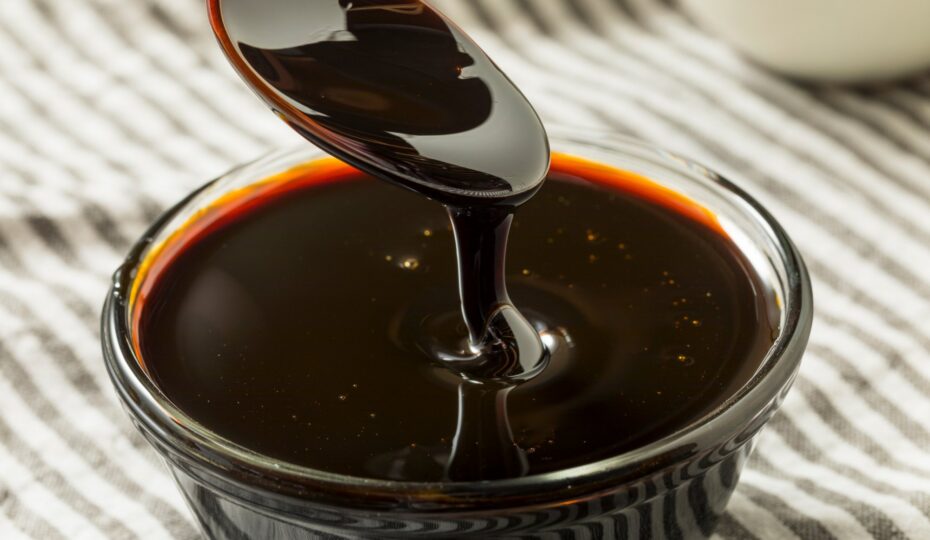
This color comes from a thin residual molasses layer (typically under 1–2%) that remains on the crystal surface after minimal processing. Molasses is the darker, more flavorful part of sugar cane juice that gives organic cane sugar its warmer color and mild taste. This does not mean the sugar is dirty, impure, or lower quality.
For food manufacturers, formulators, and ingredient buyers, this color can matter beyond appearance. Even trace molasses can impact final product color, especially in clear beverages, light syrups, or pale baked goods, and may introduce slight flavor variability that formulators need to account for. Variability in residual molasses between production batches can also affect color consistency, which may require tighter supplier specifications for applications with strict visual or branding requirements.
Understanding the Origins: Sugar Cane
All sugar comes from plants, most often sugar cane or sugar beets. Cane sugar comes from sugar cane, a tall tropical grass with sweet juice stored inside its stalks. Once harvested, the stalks are crushed to release the juice, which becomes the starting point for cane sugar production.
From there, the juice is cleaned, heated, and concentrated until sugar crystals begin to form. Sugar begins as plant juice before crystallization, and the extent of refining determines its final appearance. How much that sugar is refined afterward helps explain why some sugars look bright white, while organic cane sugar often appears as a naturally light amber tone.
Why the Brown Color?
The color difference is driven by residual molasses retained during minimal refining. Organic cane sugar is not completely white because it can retain a small amount of molasses around the sugar crystals. Molasses comes from sugar cane juice, and even a little molasses content can give organic cane sugar a naturally variable light amber tone.
It usually means the sugar was not processed as much. Processed cane sugar, especially refined white sugar, goes through extra steps to create a pure white appearance. Organic cane sugar is typically minimally processed, so it may keep more of the sugar cane plant’s natural color and delicate flavor.
Here’s why organic cane sugar is not completely white:
- Reduced refining intensity: Organic cane sugar bypasses additional decolorization and recrystallization stages used in refined sugar processing.
- Residual molasses retention: A small fraction of molasses remains adhered to the crystal surface, influencing both color and flavor.
- It is not made to look bright white: Organic cane sugar is not processed to remove every bit of natural color.
- Its color can naturally vary: The final color may look slightly different by brand, crop, or processing method.
The Refining Process: Organic Sugar vs. White Sugar
The journey from sugar cane to the sugar bowl can vary depending on the type of sugar being produced. For organic cane sugar, the process is usually shorter and less intensive than the process used to make refined white sugar.
- Sugar cane juice is extracted, filtered, and heated until sugar crystals begin to form.
- The crystals are spun in a centrifuge to separate them from the remaining syrup and molasses.
- Because the process avoids full decolorization and secondary crystallization, a small molasses fraction remains, contributing to slight color and compositional variability.
For white sugar, additional refining steps remove more molasses content and natural color. This creates the pure white appearance people associate with regular table sugar or white granulated sugar.
Why Choose Organic Cane Sugar?
Many people choose organic cane sugar because it is less refined than regular white sugar and has a mild, natural molasses flavor. For food brands and manufacturers, it can also support organic, clean-label, or NON-GMO product positioning when backed by proper supplier documentation.
Here’s why it’s a popular choice:
- Natural flavor: Trace molasses can give organic cane sugar a light caramel-like taste, which works well in baked goods, beverages, sauces, and other foods.
- Clean-label compatibility: Supports formulations requiring recognizable ingredients and minimal processing claims.
- Regulatory and sourcing alignment: Enables organic, NON-GMO, and USDA/NOP-compliant product positioning when supported by supplier documentation (COA, spec sheets, certification records).
A Closer Look at Types of Sugar
Not all brown or golden sugars are the same. Organic cane sugar, raw cane sugar, refined white sugar, and brown sugar can look similar in some cases, but they are not always made or certified the same way.
| Type of Sugar | What It Means | Common Appearance | Best Fit |
| Organic cane sugar | Cane sugar is made from sugar cane grown and handled under organic standards | A naturally light amber tone | Organic, clean-label, or NON-GMO-positioned products |
| Raw cane sugar | Sugar that is less refined, but not always certified organic | Golden to light brown | Recipes or products where natural color and mild molasses flavor are acceptable |
| Refined white sugar | Sugar is refined further to remove more molasses and color | Bright white | Products that need neutral color and flavor |
| Brown sugar | Usually, refined sugar with molasses added back in | Light brown to dark brown | Baked goods, sauces, and products needing a stronger molasses flavor |
For home use, the choice often comes down to flavor and color. For food manufacturers and ingredient buyers, the choice may also depend on label claims, product positioning, and documentation such as organic certificates, NON-GMO statements, and spec sheets.
Conclusion
The answer to why is pure organic cane sugar not completely white comes down to minimal refining and trace natural molasses. Unlike refined white sugar, organic cane sugar is not processed to remove every bit of natural color, resulting in its characteristic off-white appearance with a mild molasses flavor. For food manufacturers and ingredient buyers, that color can also point to the need for proper sourcing details, including organic status, NON-GMO requirements, USDA/NOP compliance, product specs, and supplier documentation.
For commercial organic cane sugar sourcing, US Sweeteners can help you compare bulk supply options, review documentation requirements, and choose the right sweetener format for your application. Whether you need organic cane sugar for beverages, baked goods, sauces, or packaged foods, contact us today for bulk sourcing support and documentation guidance.
FAQs
Can pure cane sugar be white?
Yes, pure cane sugar can be white if it is refined enough to remove most of its natural molasses and color. Pure organic cane sugar is usually not completely white because it is processed less, which allows it to keep its naturally light amber tone.
Is organic cane sugar better than white sugar?
Organic cane sugar is not automatically healthier than white sugar because both are still sugar. The main difference is that organic cane sugar is usually less refined, may keep trace natural molasses, and can support organic or clean-label product goals when proper documentation is available.
Is it worth it to buy organic cane sugar?
Yes, organic cane sugar can be worth it if you want a less refined sugar with a mild molasses flavor, organic sourcing, and a more natural color. For food manufacturers and ingredient buyers, it can also be worth it when certified organic ingredients, NON-GMO support, USDA/NOP documentation, and supplier traceability are required.
What are the differences between unrefined, raw, and refined sugars?
Unrefined sugar is the least processed and keeps more of the sugar cane plant’s natural molasses, color, and flavor. Raw sugar is partially processed, so it still has some natural color but is not always certified organic. Refined sugar is processed further to remove most molasses and color, which gives white sugar its pure white appearance and more neutral taste.