
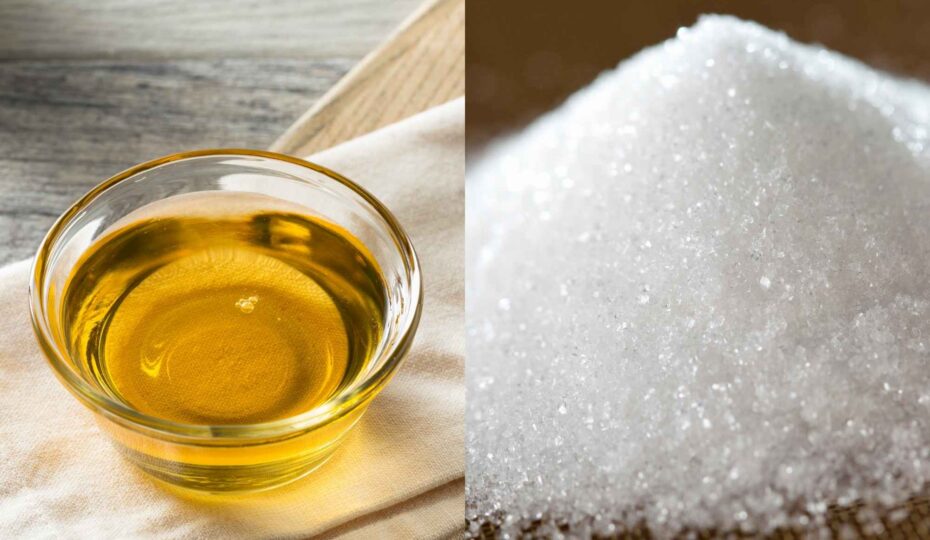
Agave syrup vs sugar has become a common comparison as more people look for a natural sweetener that fits into different diets. Both options add sweetness, but they affect blood sugar, liver health, and the body’s metabolism in different ways. Many choose agave nectar because it has a low glycemic index, but its high fructose content creates other concerns related to insulin resistance and metabolic syndrome.
At US Sweeteners, we support food manufacturers, distributors, beverage producers, and bakeries with bulk sweetener supply. We provide reliable delivery, consistent inventory, and ingredient expertise for operations that depend on stable production. This article explains how agave syrup and table sugar differ so businesses can choose the sweetener that best supports their product needs.
Understanding Agave and Its Origin
Agave comes from the genus Agave, which includes plants such as the blue agave plant, agave tequilana, and agave salmiana. These plants grow in warm regions and have long been used to create sweeteners, beverages, and other natural ingredients. When used for food production today, agave nectar is valued for its sweet taste and fast solubility in cold drinks and simple syrup blends. Many consumers view it as a natural alternative to regular sugar.
Agave sweetener is created by extracting the sap from the agave plant and heating it until it forms a syrup. During this process, the natural fructans in the plant break down into dietary fructose. While raw plants contain dietary fiber and some beneficial effects, heating removes most of those beneficial health effects, leaving a concentrated sweetener. This is why agave is considered a processed syrup even though it begins as a natural plant.
How Agave Syrup Is Made
The process begins by cutting the core of the blue agave or other agave varieties. The sap is filtered and heated, which reduces moisture and increases sweetness. This breakdown produces a syrup that is high in fructose and low in glucose. Many view this as an advantage because it gives agave syrup a low glycemic index.
Agave syrup is made in several grades, such as light, amber, and dark syrup. These varieties differ in color and flavor. Light agave has a milder taste and is common in beverages. Darker syrups carry more caramel notes and are used in baked goods, sauces, or products that need extra sweetness. Because it dissolves quickly, food manufacturers often use it in cold drinks, flavored syrups, and ready-to-drink beverages.
Understanding Sugar and Its Role in Food Production
Table sugar, also called traditional sugar or regular sugar, is made from sugarcane or sugar beets. Through extraction and refinement, sucrose crystals form a sweetener widely used by the food industry. Table sugar contains equal parts glucose and fructose, which gives it predictable behavior in both cooking and manufacturing.
Sugar is used for sweetness, structure, browning, and fermentation. It remains one of the most versatile sweeteners because it affects texture, color, and flavor consistently. Sugar is found in baked goods, sauces, beverages, and other syrups. Its stability is why many large-scale manufacturers continue to depend on it.
Nutritional Differences Between Agave and Sugar
Agave syrup contains more calories per tablespoon than sugar, even though many people use less of it because it tastes sweeter. Agave sweetener contains high fructose content, low glucose, and very small amounts of other nutrients such as vitamin K and minerals. These nutrients are not present in meaningful amounts, so the nutritional profile is similar to other added sugar options.
Table sugar contains glucose and fructose in equal parts. Because glucose raises blood sugar levels quickly, sugar has a higher glycemic index. While sugar may have a stronger impact on blood glucose, it does not carry the same long-term concerns related to high fructose intake. Both sweeteners can contribute to weight gain and health impacts when used in large amounts.
How Agave and Sugar Affect Blood Sugar and Metabolism
Agave has a low glycemic index because fructose does not raise blood sugar levels as quickly as glucose. While this may seem like a benefit, the body must metabolize glucose differently from fructose. Fructose moves directly to the liver, which carries the long-term risk of fatty liver disease and reduced insulin sensitivity. Research in the field of public health often points to high fructose sweeteners as contributors to metabolic syndrome.
According to a peer-reviewed study comparing agave nectar to sucrose, mice fed a diet with agave nectar showed lower weight gain, reduced fat pad weight, lower fasting blood glucose, and lower insulin levels compared with mice fed sucrose. These findings suggest that, under controlled conditions, agave sweetener may create more favorable responses for glucose control and fat accumulation than regular sugar, although the study notes that results in humans are not yet confirmed.
Sugar raises blood sugar levels faster because of its glucose content. This can affect insulin sensitivity over time when consumed in high amounts. A diet high in added sugar can contribute to heart disease, cardiovascular disease, and weight gain. While sugar acts quickly in the bloodstream, it does not strain the liver in the same way that too much fructose does.
Liver Health and Long-Term Effects
Agave syrup is high in fructose, and too much fructose can worsen liver health. When the liver receives excess fructose, it begins converting it into fat. Over time, this can contribute to fatty liver disease and metabolic syndrome. This creates ongoing concerns in public health because high fructose intake is common in modern diets.
Sugar can also impact the liver, but not as strongly as agave syrup or high fructose corn syrup. The body breaks down glucose and uses it for energy before storing any excess. When glucose intake is high for long periods, it contributes to insulin resistance, weight gain, and cardiovascular disease. Both sweeteners carry risks when used in excess.
Common Misunderstandings About Agave
Many people choose agave nectar because it comes from the agave plant and is often labeled as a natural sweetener. Even though the plant is natural, agave syrup is still a processed syrup with concentrated fructose. The low glycemic index creates the idea that it is better than sugar, but long-term health impacts depend more on fructose content than GI score.
Another misunderstanding is that agave contains meaningful, beneficial effects from the plant itself. Heating removes most natural antioxidants and dietary fiber, leaving only the sweetener. This makes agave similar to other processed sugars rather than a plant-based health ingredient.
How These Sweeteners Perform in Food Applications
Agave syrup dissolves quickly, which works well in cold drinks, sauces, and simple syrup mixes. It blends easily with other natural ingredients and is common in beverages, flavored syrups, and desserts. Its texture provides smooth sweetness without graininess.
Sugar provides structure and browning benefits that agave syrup cannot replace. In baked goods, sugar helps create texture and volume. In fermentation, sugar supports yeast activity. These qualities make sugar essential for bakeries, confectioners, and beverage producers who need consistent results.
If you are looking for Bulk Liquid Sugar, we offer dependable supply solutions for beverage producers, commercial kitchens, and food manufacturers that need consistent sweetness at scale. Our liquid sugar delivers fast solubility and smooth blending for cold drinks, syrups, and high-volume production. Visit our Bulk Liquid Sugar page to learn how we support efficient, nationwide delivery for your operation.
Healthier Alternatives to Agave and Sugar
Some manufacturers and consumers choose alternative sweeteners or artificial sweeteners to reduce calories or manage blood glucose. Options include stevia, monk fruit, and other sweeteners that do not raise blood sugar. Some brands also use other syrups, such as maple syrup or honey, for natural flavor, though these still count as added sugar.
Whole fruits remain the most natural source of sweetness because they include dietary fiber and other nutrients not found in syrups. These options support more balanced digestion and provide sweetness through natural ingredients.
Which Sweetener Is Healthier?
Both agave syrup and sugar add sweetness, but work differently in the body. Agave syrup is high in fructose and low in glucose, which lowers its glycemic index but increases pressure on the liver. Sugar raises blood sugar faster but carries a more predictable metabolic response than high fructose sweeteners. Health impacts depend on total intake, type of sweetener, and overall diet.
Manufacturers often choose based on functional needs rather than health outcomes. Agave offers solubility and mild flavor, while sugar provides structure and fermentation benefits. Each sweetener supports different product goals in the food industry.
Conclusion
Agave syrup and sugar both offer sweetness, but they each affect metabolism, blood glucose, and liver health in different ways. Agave syrup has a low gi but is high in fructose, while sugar raises blood sugar faster but carries less risk of liver strain. Both products should be used in moderate amounts as part of a balanced diet, and no sweetener is completely without health impacts.
At US Sweeteners, we support your production needs with a wide range of bulk sweetener options for beverages, food manufacturing, and commercial baking. We supply reliable, high-quality ingredients and nationwide delivery for businesses that need a consistent supply. Contact us to learn more about our bulk sweetener solutions.
FAQs
Is agave syrup better than sugar?
No. Agave syrup has a lower glycemic index but contains more fructose, which can strain the liver and affect insulin resistance.
Does agave raise blood sugar levels?
Agave raises blood sugar less quickly than sugar, but high fructose intake may still impact long-term metabolic health.
Is agave considered a natural sweetener?
Agave starts as a natural plant, but agave syrup is processed and contains concentrated fructose, making it similar to other added sugars.
Which sweetener works best in baking?
Sugar works better in baking because it supports browning, structure, and texture, while agave syrup works better in beverages and cold applications.

Thomas is a product expert at US Sweeteners, a trusted bulk sugar and sweetener distributor serving food and beverage manufacturers across the USA. He writes about sweetener sourcing, ingredient trends, and supply chain insights for the food industry.