Is Organic Cane Sugar Healthy? Benefits & Facts
Last Updated: April 30, 2026
Is organic cane sugar healthy compared to refined sugar or table sugar? This question comes up often because sugar is part of nearly every diet, whether from baked goods, processed foods, or everyday drinks. Organic cane sugar is seen as a cleaner choice since it is less processed and keeps some natural molasses, but its actual benefits are often misunderstood.
Organic cane sugar still has the same sweetness as white granulated sugar and refined cane sugar, but it carries slightly more nutrients and a richer flavor. While it may be a better option than regular sugar, it is still an added sugar. Knowing how it is made, its nutritional value, and how it compares to other types of sugar helps decide if it can fit into a healthy diet.
What Is Organic Cane Sugar?
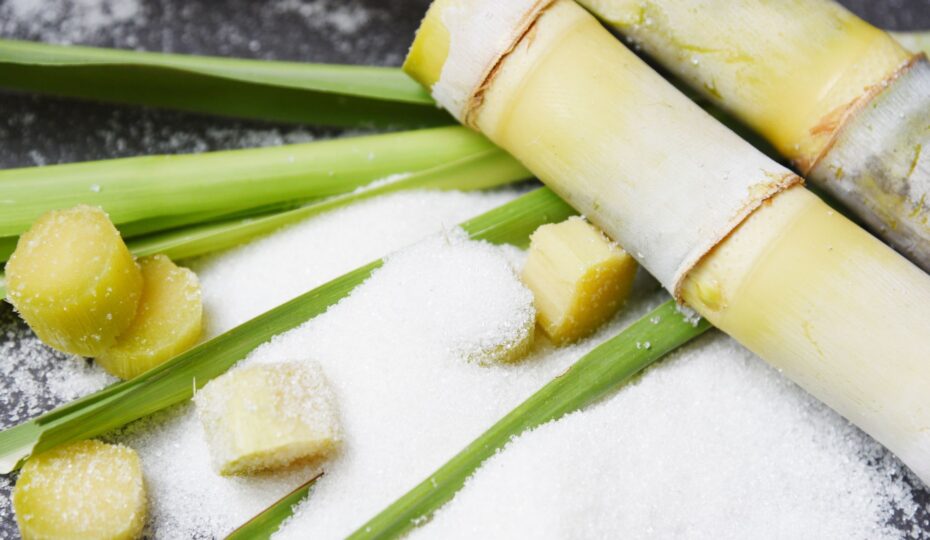
Organic cane sugar comes from sugar cane, a tropical grass that has been cultivated for centuries. Along with sugar beets, it is one of the two main crops used in global sugar production. Cane sugar includes several varieties such as whole cane sugar, raw sugar, unrefined cane sugar, and evaporated cane juice. All are forms of natural sugars, though they differ in how much processing they go through before reaching grocery store aisles.
When sugar is produced from sugarcane juice, the result depends on the refining process. White granulated sugar and table sugar go through heavy refining to remove molasses and impurities, leaving nearly pure sucrose. Organic cane sugar, in contrast, is minimally processed and retains natural molasses, which gives it a different texture and flavor.
How Organic Cane Sugar Is Produced
The production process begins at sugar mills located near cane fields. Freshly harvested sugarcane is crushed to extract sugarcane juice, which is clarified and then concentrated into a syrup. The syrup is crystallized, leaving behind granules that still contain molasses. According to the USDA, organic cane sugar is produced through a simple, physical process: cane is harvested, crushed to extract juice, then filtered, concentrated, crystallized, dried, and packaged without using synthetic fertilizers, pesticides, or chemical refining agents.
Beyond nutrients, organic cane sugar provides the same sweetness with a slightly richer flavor, making it useful in baked goods and sauces. Because it retains small amounts of natural molasses, it can also contribute to a slightly softer texture in some applications.
Nutritional Value and Composition
Organic cane sugar is still sugar. Like white sugar, it is composed mainly of simple sugars such as glucose and fructose, which combine into sucrose. One teaspoon contains about 16 calories, all from carbohydrates. It provides quick energy but very few nutrients. Compared to refined sugar, it may contain trace amounts of vitamins and minerals such as calcium, potassium, and iron, as well as small amounts of essential amino acids.
Unrefined sugar and whole cane sugar can contain natural molasses, which contributes slightly more nutrients and antioxidants. These amounts are small and not enough to replace food sources rich in vitamins and minerals. The main role of organic cane sugar is flavor and sweetness, not nutrition.
Health Benefits of Organic Cane Sugar
Organic cane sugar has some advantages compared to refined cane sugar. Because it retains small amounts of natural molasses, organic cane sugar contains trace nutrients such as minerals and antioxidants, though the amounts are too low to have a meaningful impact on health. Its glycemic index may also be slightly lower, which could provide minor support for blood sugar response. The difference is small, but it makes organic cane sugar a cleaner alternative to heavily refined options.
In everyday use, organic cane sugar is valued for its flavor and texture in baking and cooking. Since it is made up of simple carbohydrates, it is quickly absorbed by the body and can provide a short-term energy boost, although the effect does not last long.
The Health Risks and Limitations
Even though organic sugar is less processed, overconsumption carries the same risks as refined sugar. High added sugar intake is linked to weight gain, fatty liver disease, and heart disease. Too much sugar can also contribute to insulin resistance, tooth decay, and inflammation.
The issue is not just the type of sugar but overall intake. Whether from organic cane sugar, brown sugar, or white sugar, consuming large amounts of added sugar increases calorie intake without providing meaningful nutrients. This can lead to excess calories that replace more nutrient-dense foods in the diet.
Blood Sugar and Glycemic Index
Both refined sugar and organic cane sugar affect blood sugar levels. Organic cane sugar may have a slightly lower glycemic index, but it still raises blood sugar quickly. For people with diabetes or those monitoring their energy levels, this remains a concern.
The refining process does not change the fact that sugar is made up of simple carbohydrates. Even unrefined sugar and evaporated cane juice raise blood sugar levels, which over time can strain the body’s ability to manage glucose and contribute to long-term health concerns.
Comparing Organic Cane Sugar to Other Types of Sugar
Below are the different types of sugar. Each provides similar calories and similarly affects blood sugar, though organic cane sugar is less processed and retains trace amounts of nutrients.
Organic Cane Sugar vs. Table Sugar
Table sugar, often made from sugar beets or sugar cane, is processed until nearly pure sucrose. Granulated sugar and granulated white sugar have no natural molasses, and their nutritional value is limited to calories. By comparison, organic cane sugar is minimally processed and contains slightly more nutrients.
Despite these differences, both table sugar and organic cane sugar contribute to added sugar intake and can raise blood sugar levels. The slightly more nutrients in organic sugar do not offset the negative health effects of overconsumption. It is better described as a cleaner alternative rather than a healthy food.
Refined Cane Sugar and White Granulated Sugar
Refined cane sugar is heavily processed to remove impurities and molasses, often using chemicals like phosphoric acid and sulfur dioxide. The result is white granulated sugar, one of the most common sweeteners in processed foods.
Compared to organic cane sugar, refined cane sugar is stripped of natural compounds and flavor. Organic options provide a cleaner ingredient with trace minerals, but both types still function as added sugar in the diet.
Brown Sugar and Raw Sugar
Brown sugar is usually refined white sugar with molasses added back in, while raw sugars like turbinado and demerara retain a small amount of natural molasses. Both types provide coarse crystals and a richer flavor than regular sugar.
When compared to organic cane sugar, these sugars are still more processed. Organic cane sugar delivers similar taste benefits but is minimally processed from the start, making it a cleaner choice.
Whole Cane Sugar and Evaporated Cane Juice
Whole cane sugar, muscovado, and panela are unrefined cane sugars that naturally retain molasses, flavor, and antioxidants. Evaporated cane juice is another minimally processed form often marketed as a natural sugar.
These are closer to organic cane sugar in production style, but organic certification ensures they avoid synthetic chemicals. Both options share the same sweetness and calorie content, with only minor nutrient differences.
Sugarcane Juice
Consumed sugarcane juice has been used as a traditional drink and natural remedy in many cultures. It contains small amounts of vitamins and minerals and can serve as a natural source of hydration.
Compared to organic cane sugar, sugarcane juice is simply the liquid form of the crop before crystallization. While it may provide slightly more nutrients, it still raises blood sugar quickly and counts as added sugar.
Effects Beyond Sweetness
Sugar may give quick energy and a temporary mood boost, but frequent use leads to crashes and long-term health risks. Both short bursts and chronic overconsumption affect blood sugar and can contribute to weight gain, heart disease, and other negative health effects.
Short-Term Effects
Sugar provides a quick energy boost because simple sugars are rapidly absorbed. It also triggers a temporary mood boost by raising serotonin levels. This is why many people satisfy a sweet tooth when they want quick relief from fatigue.
These effects are short-lived. After the initial rise in blood sugar, energy levels can drop quickly, leading to sugar crashes. This can leave people feeling tired or irritable, showing the limits of sugar as a reliable energy source.
Long-Term Effects of High Sugar Consumption
Long-term high sugar consumption is linked to chronic health conditions. Added sugar intake contributes to heart disease, fatty liver disease, obesity, and type 2 diabetes. The impact is not only from calories but also from how frequent spikes in blood sugar affect the body over time.
Processed foods that contain large amounts of sugar also replace nutrient-rich foods, leading to imbalances in a healthy diet. Over time, this pattern can weaken metabolism, cause weight gain, and create long-term negative health effects.
Organic Cane Sugar for Food Manufacturers
For food manufacturers, organic cane sugar is often used as a cleaner alternative to refined sugar, especially in products built around simple ingredient lists. Because it is minimally processed and produced without synthetic chemicals, it fits well with organic, non-GMO, and clean label positioning.
In formulation, it works much like white sugar in terms of sweetness and browning, but small differences can matter. The trace molasses it retains helps it hold slightly more moisture, which can improve softness in baked goods. In drier or shelf-stable products, that same property may require adjustments in formulation or packaging to maintain consistency.
It also brings a mild molasses flavor and a slightly darker color, which can influence the final product. Nutritionally, the difference is minimal since it provides similar calories and sugar content as refined sugar. For most manufacturers, the value comes from ingredient positioning rather than health impact.
Practical Tips for Consumers
When shopping in grocery store aisles, look for labels that specify organic cane sugar, whole cane sugar, or unrefined sugar. These options are minimally processed and provide a richer flavor. For baking, organic sugar can be used as a 1-to-1 substitute for white sugar, though the texture and moisture may change slightly.
For manufacturers, organic sugar is in demand due to growing interest in clean-label, organic, and non-GMO products. Choosing organic cane sugar for baked goods and packaged foods meets this trend while maintaining the same sweetness as refined sugar. US Sweeteners supplies organic sugar in bulk formats for consistent quality and reliable supply.
Conclusion
Organic cane sugar is healthier than refined sugar in the sense that it is minimally processed and contains trace amounts of natural molasses, vitamins, and minerals. It also avoids the chemicals found in inorganic sugars and supports sustainable farming practices. However, it remains a form of sugar, and excess sugar consumption still contributes to weight gain, heart disease, fatty liver disease, and other negative health effects. The health benefits of organic cane sugar are real but small, and they only matter when sugar intake is kept within recommended limits.
US Sweeteners supplies bulk organic cane sugar for food manufacturers looking for clean and consistent ingredients. Learn more about our organic sugar options and how they can support different product applications
FAQs
Is organic cane sugar healthier than white sugar?
Yes, organic cane sugar is less processed and retains natural molasses, giving it slightly more nutrients than white sugar. However, both contribute to added sugar intake and should be consumed in moderation.
Does organic cane sugar have a lower glycemic index?
Organic cane sugar has a glycemic index close to refined sugar, around 62–64. This means it still raises blood sugar levels quickly, so the difference is minimal.
Can you use organic cane sugar in baking?
Yes, organic cane sugar can be substituted 1-to-1 for table sugar in most baked goods. It may add a richer flavor and more moisture because of the natural molasses it retains.
What is the difference between organic cane sugar and brown sugar?
Brown sugar is refined sugar with molasses added back, while organic cane sugar retains molasses naturally during minimal processing. Both taste similar, but organic cane sugar is less processed.
Is organic cane sugar better for a healthy diet?
It is a cleaner option than refined sugar, but it is still sugar. A healthy diet depends on keeping total sugar consumption low, regardless of type.

Thomas is a product expert at US Sweeteners, a trusted bulk sugar and sweetener distributor serving food and beverage manufacturers across the USA. He writes about sweetener sourcing, ingredient trends, and supply chain insights for the food industry.