Understanding the Difference Between Light and Dark Brown Sugar
Updated: May 5, 2026
The difference between light and dark brown sugar comes down to molasses content, which affects flavor, moisture, and baking performance. Light brown sugar contains about 3.5% molasses, while dark brown sugar contains around 6.5%, giving it a deeper flavor and higher moisture level.
In recipes, this affects texture, color, and sweetness. At higher molasses levels, increased water activity can shorten shelf stability unless controlled through bake temperature, humectants, or packaging. This is especially relevant in high-moisture products like soft cookies or bars. This guide explains how each type works so you can choose the right option for your recipe or application.
What is Brown Sugar?
Brown sugar is simply white sugar, with molasses added back in, giving it a moist texture and rich, caramel-like flavor. Whether it’s made from sugar cane or sugar beets, this small change adds depth to both sweet and savory recipes. The molasses not only enhances flavor but also boosts moisture, helping to create chewy cookies, moist cakes, and flavorful sauces.
How Brown Sugar is Made
Commercial brown sugar production typically follows one of two paths:
- Partial refining: Sugar cane juice is processed to a point where some molasses remains with the sugar crystals. This method produces a more natural brown sugar.
- Re-combining method: Fully refined white sugar is mixed with molasses in controlled amounts. This is the most common commercial method today because it allows for consistent product quality.
During production, controlled amounts of molasses are blended into white sugar until each crystal is evenly coated. The more molasses added, the darker the sugar. Advanced equipment ensures consistent mixing, which is essential for bakers and manufacturers who need reliable, uniform results. The re-combining method is preferred in commercial production because it allows precise control over molasses percentages, ensuring consistent flavor, moisture, and performance across batches.
Light Brown Sugar: Characteristics and Properties
Light brown sugar, sometimes called golden brown sugar, contains approximately 3.5% molasses. This relatively modest molasses content gives it distinct characteristics:
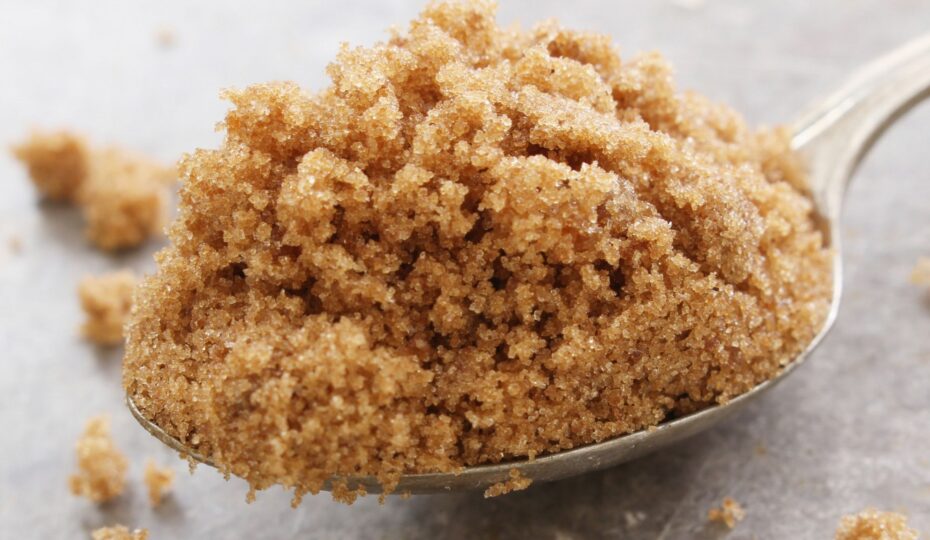
- Color: Light brown sugar has a warm, golden-tan appearance. The color is consistent throughout when properly mixed.
- Flavor Profile: It offers a gentle caramel flavor with subtle toffee notes. The molasses taste is present but not overwhelming, allowing other flavors in your recipe to shine through.
- Texture: Light brown sugar feels moist to the touch and will hold shape when pressed. It’s slightly clumpier than white sugar but will separate easily when handled.
- Aroma: A mild, sweet scent with hints of caramel and warmth. The aroma is noticeably different from white sugar but less intense than dark brown sugar.
Light brown sugar’s balanced profile makes it exceptionally versatile. It provides just enough molasses flavor to enhance recipes without dominating more delicate flavors. In product formulation, light brown sugar is often used when a consistent, mild flavor is needed without affecting the overall balance of other ingredients. Its lower molasses content also makes it easier to standardize across large batches.
Dark Brown Sugar: Characteristics and Properties
Dark brown sugar contains approximately twice the molasses of its lighter counterpart, around 6.5%. This higher molasses content creates several distinguishing features:
- Color: Dark brown sugar has a deep, rich brown color that’s immediately distinguishable from light brown sugar.
- Flavor Profile: It delivers a robust, more complex flavor with pronounced caramel, toffee, and almost smoky notes. The molasses flavor is unmistakable and becomes a central flavor in recipes.
- Texture: Dark brown sugar tends to be slightly moister than light brown sugar due to its higher molasses content. The crystals may clump together more readily.
- Aroma: A strong, rich smell with prominent molasses notes that’s more intense than light brown sugar.
This more assertive profile makes dark brown sugar ideal for recipes where you want a pronounced molasses flavor. It stands up well to other strong flavors like ginger, cinnamon, and coffee. At scale, the higher molasses content can increase moisture levels and affect mixing behavior, which is why it’s typically used in formulations where a denser texture and stronger flavor are intentional.
Key Differences: Light vs. Dark Brown Sugar
Understanding the precise differences between these two sweeteners helps you make informed choices in your cooking:
| Characteristic | Light Brown Sugar | Dark Brown Sugar |
| Molasses Content | ~3.5% | ~6.5% |
| Color | Golden-tan | Deep brown |
| Flavor Intensity | Mild caramel notes | Strong molasses, toffee-like taste |
| Moisture Content | Moist | Slightly moister |
| Best Used In | Versatile, all-purpose | Recipes needing a stronger flavor |
| Acidity | Slightly acidic | More acidic |
| Effect on Baking | Subtle flavor, good rise | More pronounced flavor, denser texture |
Beyond these obvious differences, there are some subtle variations worth noting:
- Baking Chemistry Effects: The increased acidity in dark brown sugar can react more strongly with baking soda, potentially affecting the rise in baked goods. This chemical reaction produces carbon dioxide, creating lift in your recipes.
- Caramelization: Dark brown sugar caramelizes at a slightly lower temperature than light brown sugar, which can affect browning in certain recipes.
- Dissolution Rate: Light brown sugar typically dissolves more quickly in liquids than dark brown sugar.
In commercial production, these differences function as process variables, not just flavor choices. Even small changes in molasses percentage can affect moisture retention, shelf stability, and how the product behaves during mixing and baking.
For example, higher molasses content increases hygroscopicity, which raises moisture retention in baked goods. In commercial cookies, this can extend softness by 1–2 days but may require longer bake times or moisture-barrier packaging to prevent surface stickiness and microbial risk.
Brown Sugar in Commercial Formulation
In formulation, brown sugar functions as both a sweetener and a moisture-modulating agent. The molasses fraction contributes invert sugars and minerals, which increase water binding and reduce crystallization. This directly impacts texture stability, spread ratio in cookies, and resistance to staling.
In commercial production, molasses percentage is treated as a functional input, directly controlling moisture retention, dough viscosity, and final texture. Even a 1–2% variation can alter spread, density, and shelf stability. In high-speed mixing systems, higher molasses content can increase stickiness and reduce flowability, requiring adjustments in mixing time, anti-caking agents, or hopper design to maintain throughput.
Acidity levels also influence how brown sugar reacts with leavening agents, which can affect rise and texture in large batches. Because of these factors, brown sugar is often selected based on performance requirements rather than just flavor preference.
Choosing the Right Molasses Spec
In commercial applications, selection typically depends on balancing flavor intensity with process control. Light brown sugar is typically used when a neutral base and consistent texture are required, while dark brown sugar is chosen for products where a deeper flavor and higher moisture content are important.
In some cases, manufacturers adjust molasses levels to meet specific product targets, such as chewiness, color, or shelf life. This allows better control over the final product, especially in high-volume production.
When to Use Light Brown Sugar
Light brown sugar is ideal for recipes that need sweetness and moisture with a mild molasses touch. It creates chewy textures in cookies, adds gentle richness to cakes, and blends smoothly into glazes and sauces without overpowering other flavors.
It’s especially useful in chocolate chip cookies, yellow cakes, fruit crisps, and light caramel sauces, bringing just enough depth to enhance the dish without stealing the spotlight. That’s why many bakers reach for light brown sugar when they want dependable flavor, moisture, and versatility in everyday baking.
When to Use Dark Brown Sugar
Dark brown sugar brings bold, rich flavor to recipes, making it the go-to choice when you want the molasses to shine. Its deep, toffee-like taste pairs perfectly with warm spices in gingerbread, spice cakes, and molasses cookies, and it adds intensity to desserts like pecan pie and sticky toffee pudding.
It also works well in savory dishes, enhancing barbecue sauces, baked beans, and marinades with complexity and depth. Often called for in holiday baking, dark brown sugar delivers warmth and richness that stand up to strong flavors, making it a favorite when you want the sugar to play a starring role.
Can You Swap One for the Other?
Light and dark brown sugar can usually be swapped in recipes, but there are a few things to keep in mind. Dark brown sugar has a stronger molasses flavor, a darker color, and slightly higher acidity, which can affect texture and taste, especially in delicate recipes or those using larger amounts.
If substituting light for dark, you can add ½ teaspoon of molasses per cup to boost flavor. If using dark in place of light, consider reducing the amount slightly to avoid overpowering the dish. Most recipes are flexible enough for these swaps, with only subtle differences in the final result.
Conclusion
Knowing the difference between light and dark brown sugar can help you choose the best option for your cooking and baking. Light brown sugar adds gentle sweetness and moisture, while dark brown sugar brings a deeper, richer flavor. Both are great in different recipes, and with a few small adjustments, they can even be swapped when needed.
At US Sweeteners, we offer top-quality light and dark brown sugars, along with a full range of sweeteners to fit every need. Whether you’re baking at home or for a business, you can count on our products to deliver great results. Contact us today to explore options to find the right brown sugar spec for your application.
FAQs
Can you substitute light brown sugar for dark brown sugar?
Yes, you can usually substitute light brown sugar for dark brown sugar (and vice versa) in most recipes. Light brown sugar contains less molasses, so the flavor will be milder and the color lighter. For recipes where a stronger molasses flavor is key, consider adding about ½ teaspoon of molasses per cup when substituting light for dark.
What is dark brown sugar used for?
Dark brown sugar is great for bold-flavored recipes like gingerbread, spice cakes, baked beans, barbecue sauces, and molasses cookies. It adds depth and richness, much like raw sugar, but with more moisture and a stronger molasses taste.
Is light or dark brown sugar better for banana bread?
Light brown sugar is usually preferred for banana bread because it adds moisture and a subtle caramel note that complements the banana flavor. It also gives the bread a golden hue that many food stylists favor for its warm, appealing look.
Is light brown sugar healthy?
Light brown sugar is not significantly healthier than white granulated sugar, as it contains only about 3.5% molasses, which adds minimal nutritional value. While it contains trace amounts of minerals from the molasses content, these amounts are too small to provide meaningful nutritional benefits, and it should still be consumed in moderation as part of a balanced diet.
Can I make brown sugar at home?
Yes! You can easily make brown sugar at home by mixing molasses with white granulated sugar. For best results, blend them using a food processor to ensure even distribution and proper texture. This DIY method is especially handy when you run out of brown sugar but have the basic ingredients on hand.

Thomas is a product expert at US Sweeteners, a trusted bulk sugar and sweetener distributor serving food and beverage manufacturers across the USA. He writes about sweetener sourcing, ingredient trends, and supply chain insights for the food industry.