Sugar processing plays a direct role in how food manufacturers source ingredients, manage consistency, and plan production. From how sugar is extracted to how sugar crystals are formed and packaged, each step in the process affects quality, moisture content, and performance in finished foods. Understanding sugar processing helps manufacturers choose the right type of sugar for baked goods, candy, syrups, and many other foods.
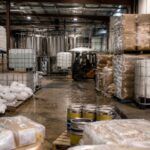
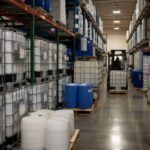
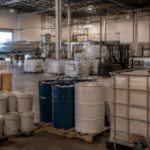
At US Sweeteners, sugar sourcing is supported by more than three decades of experience in sugar production logistics and ingredient distribution. The company supplies bulk granulated sugar, refined sugar, liquid sugar, and other essential ingredients through a nationwide warehouse network, serving distributors, bakeries, beverage producers, and food manufacturers that rely on steady inventory and dependable delivery.
Understanding Where Sugar Comes From
Sugar is made in plants through photosynthesis, where sunlight converts carbon dioxide and water into energy stored as sucrose. This sucrose is the same sugar used in foods, regardless of whether it comes from sugar cane or sugar beet. Both plants are grown for sugar production because they contain high levels of pure sucrose that can be efficiently extracted.
Sugar cane grows above ground in warm climates, while sugar beet grows underground in cooler regions. Beets are harvested from the ground and transported to a sugar beet factory, while cane stalks are cut and sent to a mill. Even though the plants differ, both are processed to produce table sugar with the same chemical structure and functionality in foods.
Sugar Cane and Sugar Beet Processing Differences
Sugar cane processing usually happens in two locations. The cane is crushed at a mill to extract sugar juice, then converted into raw sugar. This raw sugar is sent to a sugar refinery for further refining. Sugar beet processing happens in one facility, where extraction and refining occur together.
For food manufacturers, the difference matters less than the outcome. Beet sugar and cane sugar both produce refined sugar with high purity. The key difference is how impurities, molasses, and remaining syrup are removed during sugar refining, which affects how white sugar, brown sugar, and other products are produced.
Harvesting and Initial Preparation
Sugar cane is harvested by cutting the stalks and transporting them to the mill. The cane is washed, then crushed to release juice. Sugar beets are harvested from the ground, washed, and sliced into long strips that resemble French fries. This shape increases surface area and improves extraction.
At this stage, the goal is to separate sugar juice from plant material. Cane fiber and beet pulp are removed and often reused as animal feed or fuel. The juice extracted at this point contains sugar, water, and impurities that must be removed during later steps.
Extracting Sugar Juice
In sugar cane processing, heavy rollers crush the stalks to release juice. In beet sugar production, sliced beets are soaked in hot water, allowing sucrose to move into the liquid. This process extracts sugar without breaking down the plant structure too aggressively.
The result is raw juice that contains sucrose along with natural plant materials. This juice is heated and prepared for purification. At this stage, sugar is still mixed with impurities and is not suitable for food use.
Clarification and Purification
The clarification process removes impurities from sugar juice. Lime, often referred to as milk of lime, is added to bind unwanted particles. Carbon dioxide is then introduced, causing the impurities to clump together and settle out. This step reduces microbial growth and improves product safety.
After clarification, the liquid becomes clarified juice. This liquid is filtered to remove solids and prepared for concentration. The purification process at this stage plays a major role in final sugar quality, especially for manufacturers that require consistent performance in foods.
According to research published by the Institute of Food Technologists, sugar processing follows a tightly controlled series of steps that directly affect sugar quality and usability in food manufacturing. The IFT outlines how sugar cane and sugar beets are washed, crushed or sliced, and exposed to hot water to extract sugar juice, followed by clarification using lime and carbon dioxide to remove impurities. The clarified juice is concentrated in vacuum evaporators, crystallized in vacuum pans, and separated from molasses through centrifugation before drying and packaging. This controlled refining process produces sugar crystals with low moisture content and high purity, which supports consistent performance in baked goods, candy, beverages, and other foods.
Thin Juice and Thick Juice Formation
Once clarified, the juice enters evaporation systems. Water is removed to increase sugar concentration. The first result is thin juice, which still contains a large amount of water. Continued heating produces thick juice, a dense sugar syrup ready for crystallization.
Vacuum pan systems are used to control temperature and moisture content. Boiling under vacuum prevents caramelization and protects the sucrose structure. This control helps produce sugar crystals with consistent size and performance.
The Crystallization Process
Crystallization is where sugar crystals are formed from thick juice. Small seed crystals are added to guide crystal growth. This creates uniform crystals with a desired size. Smaller crystals dissolve quickly, while larger crystals provide structure in certain applications.
Crystal size affects how sugar performs in baked goods, candy, and liquid products. For food manufacturers, consistent crystallization supports predictable mixing, dissolution, and texture in finished foods.
Raw Sugar and Refined Sugar
Raw sugar is produced when sugar crystals are separated from syrup during early processing. It still contains remaining syrup and molasses, giving it a brown color. Raw sugar is typically not food grade and must be refined before use in foods.
Refined sugar goes through additional refining steps at a sugar refinery. Raw sugar is washed, melted, filtered, and purified to remove color and impurities. This produces refined sugar that meets food safety and quality standards.
If you are looking for bulk raw cane sugar for refining, blending, or further processing, we offer sourcing solutions designed for food manufacturers and distributors that need a reliable supply and consistent specifications. At US Sweeteners, we offer bulk raw cane sugar options that support downstream refining while maintaining predictable handling and logistics. Our nationwide warehouse network helps reduce supply disruptions and supports production planning for manufacturers that require steady access to raw cane sugar at scale.
Sugar Refining Methods and Filtration
During sugar refining, filtration methods vary. Some refineries use bone char, while others rely on activated carbon or ion exchange systems. Bone char is used as a filtering medium to remove color, not as an ingredient, and is regulated under food safety rules, including standards followed by the European Union.
Beet sugar refining does not use bone char, and beet sugar is naturally white. Regardless of method, the refining process is designed to produce white sugar with high purity and stable performance.
Why White Sugar Is Naturally White
Sugar crystals are naturally white because pure sucrose has no color. Brown color comes from molasses and plant compounds that cling to crystals during early processing. Refining removes these compounds, restoring sugar to its natural white color.
White sugar is used in many foods where color control is required. Consistent whiteness supports uniform appearance in baked goods, candy, and beverages.
Brown Sugar and Other Sugar Types
Brown sugar is made by mixing refined sugar with molasses. The amount of molasses determines color and flavor. This process allows refineries to control product characteristics without changing crystal structure.
Many types of sugar are produced through refining, including granulated sugar, powdered sugar, and liquid sugar. Powdered sugar includes cornstarch to prevent clumping. Liquid sugar and sugar syrup are used in beverages and processed foods where fast dissolution is required.
Byproducts and Reuse in the Sugar Industry
Sugar processing generates byproducts that are reused across industries. Beet pulp is commonly used as animal feed. Cane fiber may be burned as fuel to power mills. Molasses is used in foods, fermentation, and feed.
Water removed during processing is often reused, reducing waste. These practices support efficient sugar production and a stable supply across the sugar industry.
Quality Control and Storage
Quality checks occur throughout sugar refining. Sugar is tested for purity, moisture content, and crystal size. Storage tanks are designed to keep liquid sugar and syrup stable before packaging or transport.
Proper packaging protects sugar from moisture and contamination. For manufacturers, consistent quality supports stable production and reduces formulation adjustments.
How Sugar Processing Affects Food Manufacturers
Sugar processing influences sourcing decisions by affecting purity, crystal size, and moisture content. Granulated sugar works well in dry mixes and baked goods, while liquid sugar supports beverage and sauce production.
Understanding refining steps helps manufacturers choose the right sugar type for each application. Reliable sugar production and refining reduce supply disruptions and support consistent food quality.
Conclusion
Sugar processing affects how sugar performs in foods, how it is stored, and how reliably it can be sourced. From extraction and clarification to crystallization and refining, each step shapes purity, consistency, and usability across many food applications. Manufacturers that understand these processes can make better sourcing decisions that support stable production and predictable results.
At US Sweeteners, bulk sugar sourcing is built around these processing realities. The company supplies refined sugar, granulated sugar, liquid sugar, and related ingredients through a nationwide logistics network designed for food manufacturers and distributors. If you are reviewing ingredient sourcing or planning future production needs, contact us to discuss available products, packaging options, and delivery coverage that align with your operation.
FAQs
How is sugar processed from sugar cane and sugar beet?
Sugar cane is crushed at a mill to extract juice, while sugar beet is sliced and soaked in hot water to extract sucrose. Both processes produce sugar juice that is clarified, concentrated, and crystallized into sugar.
What is the difference between raw sugar and refined sugar?
Raw sugar contains remaining syrup and molasses and is not food grade. Refined sugar has gone through additional purification and filtration to remove impurities and meet food safety standards.
Why is white sugar white after refining?
Sugar crystals are naturally white, and refining removes molasses and plant compounds that cause brown color. The result is pure sucrose with a consistent appearance.
Does sugar processing affect how sugar works in foods?
Yes, processing affects crystal size, moisture content, and purity, which influence how sugar dissolves, mixes, and performs in baked goods, candy, and beverages.

Thomas is a product expert at US Sweeteners, a trusted bulk sugar and sweetener distributor serving food and beverage manufacturers across the USA. He writes about sweetener sourcing, ingredient trends, and supply chain insights for the food industry.