
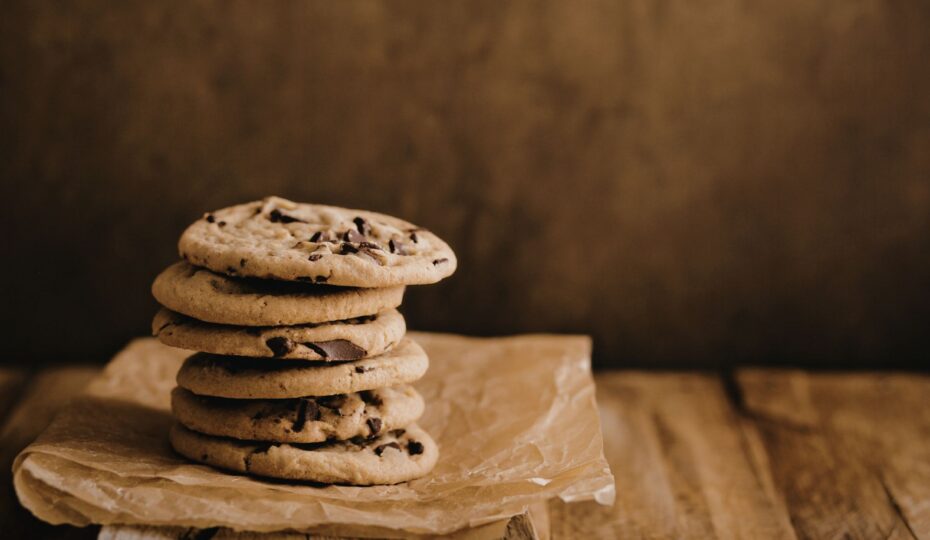
Kosher sugar cookies are a simple and familiar holiday treat, especially during Chanukah and Hanukkah. A good sugar cookie recipe depends on a short list of ingredients, clear steps, and the right balance of sugar, flour, eggs, and fat to produce cookies that bake evenly and taste sweet without being heavy. When the dough is mixed correctly and baked at the right time, kosher sugar cookies can be crisp at the edges, soft in the center, and ready to roll, cut, and decorate. The sweetener used in sugar cookies affects texture, color, and how the cookies hold their shape after baking, making sugar a functional ingredient rather than just a source of sweetness.
At US Sweeteners, ingredient consistency and supply reliability support food manufacturers, bakeries, and distributors across the United States. With more than 30 years of logistics experience and a multi-warehouse distribution system, US Sweeteners supplies bulk sugar, powdered sugar, and essential baking ingredients used in both home-style and commercial baking. This same focus on consistent ingredients applies whether cookies are prepared for a small holiday gathering or produced in a larger batch during peak seasonal demand.
What Makes Sugar Cookies Kosher?
Kosher sugar cookies rely on ingredients that meet kosher requirements and are handled in a way that supports kosher cooking practices. Common ingredients such as flour, sugar, eggs, baking powder, vanilla extract, and salt are typically kosher when sourced correctly. These ingredients are mixed in a bowl to form a smooth dough that can be rolled and cut into shapes without losing structure.
Another factor is whether the cookies are dairy or pareve. Butter and milk create a richer cookie, while oil or margarine keeps the recipe pareve. Pareve cookies are often served during holidays because they can be eaten with both meat and dairy meals. Choosing the fat affects texture, but both approaches can produce delicious cookies when the recipe is followed carefully.
According to an organization’s guidance, the kosher status of a food cannot be determined solely by reading an ingredient list. Even when ingredients such as sugar, flour, eggs, oil, or margarine are kosher in their raw form, processing methods, shared equipment, and undisclosed processing aids can affect kosher compliance. The organization explains that industrial food production often involves equipment, release agents, and additives that are not required to appear on labels, which is why reliable kosher supervision is necessary for processed foods and baking ingredients. This guidance highlights the importance of sourcing sugar and other baking components from suppliers that support verified kosher handling throughout production and distribution.
Choosing The Right Sugar For Kosher Sugar Cookies
Granulated sugar is the most common choice for kosher sugar cookies. It provides sweetness while also controlling how the cookies spread as they bake. When sugar is mixed with eggs and fat, it dissolves slowly and supports even browning. This helps create crisp edges and a soft center, which many people expect from a sugar cookie recipe.
Powdered sugar serves a different purpose and is usually used for decorating. Because powdered sugar dissolves quickly, it creates a smooth glaze or icing that melts slightly when eaten. Powdered sugar mixed with milk or a non-dairy substitute and vanilla works well for decorating cut cookies after baking, especially during Chanukah or Hanukkah celebrations.
If you are looking for a consistent supply of kosher-certified sugar for baking or production, we offer bulk kosher sugar options designed to support reliable results. Our sugar is sourced and handled to support clean baking performance, predictable spread, and consistent sweetness across every batch. Whether you are producing cookies for a holiday rush or planning ahead for regular production, we offer bulk quantities supported by nationwide distribution to help keep operations running smoothly.
How Sugar Quality Affects Baking Results
Sugar quality affects consistency in every batch of cookies. Uniform sugar crystals mix evenly with flour and eggs, helping the dough stay balanced. When sugar varies in texture, cookies may bake unevenly, spread too much, or lose clean edges during baking.
For bakeries and food producers, sugar consistency helps maintain reliable results across large batches. Even for home baking, consistent sugar helps avoid missed results and wasted ingredients. Predictable sugar performance supports consistent bake time, color, and texture across every tray of cookies.
Essential Ingredients For Kosher Sugar Cookies
A classic kosher sugar cookie recipe uses a short list of ingredients that work together. Flour provides structure, eggs bind the dough, baking powder adds lift, and salt balances sweetness. Vanilla extract adds flavor without overpowering the cookie. Sugar controls sweetness, texture, and color during baking.
Optional ingredients add flexibility. Butter adds richness, while oil or margarine supports pareve recipes. Milk or non-dairy milk may be used in icing. Sprinkles and food color help decorate cookies and make them suitable for holidays and gifts without changing the base recipe.
Preparing The Dough
To prepare the dough, place sugar, eggs, oil or butter, and vanilla in a bowl and mix until smooth. Add flour, baking powder, and salt, then mix until the ingredients are combined. The dough should feel soft and easy to handle, not sticky or dry.
Some recipes require the dough to be refrigerated before rolling. Chilling the dough for several hours helps it firm up and makes it easier to roll and cut. Refrigerating also helps cookies hold their shape and keeps edges clean during baking.
Rolling And Cutting Cookies
Once the dough is ready, place it on a lightly floured surface and roll it evenly. Thin cookies bake crisp, while thick cookies stay soft and tender. Use cookie cutters to cut shapes, then gather scraps, re-roll, and cut again until the dough is used.
Place cut cookies on a lined baking sheet with space between them. If the dough becomes warm, return it to the refrigerator briefly. This helps cookies keep their shape and bake evenly, especially when working with detailed holiday shapes.
Baking For Consistent Results
Preheat the oven before baking. Most sugar cookies bake quickly, and the bake time depends on the thickness. Watch the edges closely, as light browning indicates the cookies are ready.
Remove cookies from the oven and allow them to cool slightly before moving them. Cooling helps cookies set and prevents breakage. Proper baking and cooling help cookies stay intact and ready for decorating or serving.
Decorating Kosher Sugar Cookies
Cookies can be decorated before or after baking. Sprinkles or colored sugar can be added before baking, so they set into the surface. Powdered sugar glaze or icing is applied after cookies cool completely.
A simple glaze uses powdered sugar, milk, or non-dairy milk, and vanilla. Mix until smooth and adjust thickness as needed. Decorating cookies is a popular holiday activity and helps make cookies suitable for gifts and celebrations.
Baking In Batches And Storage
When baking a batch of sugar cookies, consistent measurements help results stay uniform. Scaling a recipe requires careful measurement of sugar, flour, and fat to keep texture consistent from batch to batch.
Baked cookies can be stored in airtight containers for several days. Dough can be refrigerated or frozen and baked later. This helps manage time during busy holiday periods and supports consistent results when baking in stages.
Serving And Gifting Sugar Cookies
Kosher sugar cookies are often served during holiday meals and celebrations. Their simple flavor makes them easy to pair with many foods. Cookies can be placed on trays, wrapped as gifts, or shared at gatherings.
Decorated cookies are commonly given during Chanukah and Hanukkah. Proper packaging helps cookies stay fresh and look beautiful when served or gifted.
Common Mistakes To Avoid
Overmixing dough can make cookies dense. Skipping refrigeration can cause cookies to spread too much. Baking too long dries cookies and hardens edges. Uneven measurements of sugar or flour affect texture and appearance.
Following the recipe closely and paying attention to timing helps avoid these issues. Simple steps done carefully support good results and help each batch turn out consistently.
Conclusion
Kosher sugar cookies rely on simple ingredients, clear steps, and the right sweetener to produce reliable results. Sugar affects texture, shape, and how cookies bake and decorate. Following a clear recipe and using consistent ingredients helps cookies stay smooth, sweet, and ready to serve during the holiday season.
At US Sweeteners, supplying dependable bulk sugar and baking ingredients supports bakeries, food manufacturers, and distributors nationwide. Our multi-warehouse distribution system helps businesses stay stocked and ready during high-demand periods. If you would like to discuss ingredient supply needs or learn more about our services, contact us to explore how we support consistent production and reliable delivery.
FAQs
Are kosher sugar cookies always dairy-free?
No. Kosher sugar cookies can be dairy or pareve, depending on whether butter or milk is used. Oil or margarine keeps the cookies pareve.
What sugar works best for sugar cookies?
Granulated sugar works best for baking structure and sweetness. Powdered sugar is better for icing and decorating.
Why do sugar cookies spread too much
Cookies spread too much when the dough is warm or not refrigerated. Chilling the dough helps control the spread.
Can sugar cookie dough be made ahead?
Yes. Dough can be refrigerated for several hours or frozen and baked later with good results.

Thomas is a product expert at US Sweeteners, a trusted bulk sugar and sweetener distributor serving food and beverage manufacturers across the USA. He writes about sweetener sourcing, ingredient trends, and supply chain insights for the food industry.