
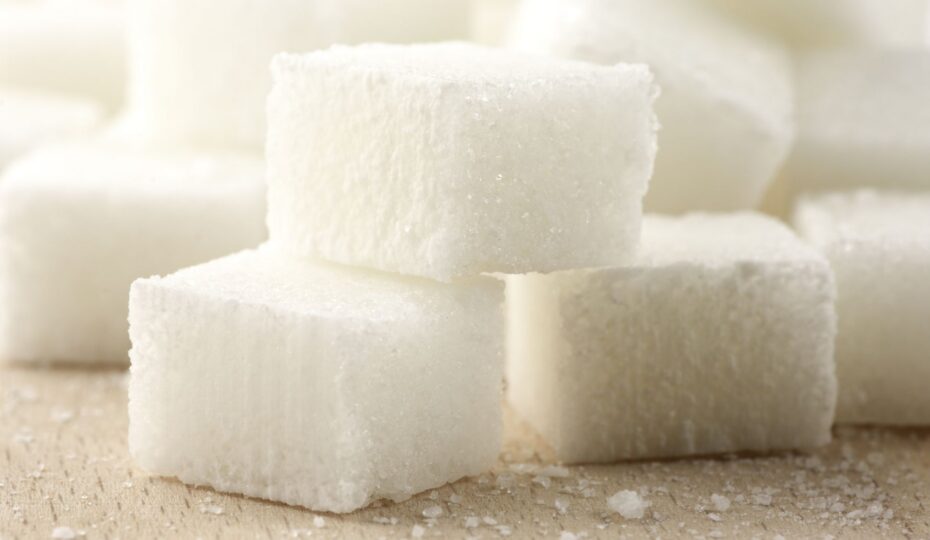
Sugar Cubes: History, Production, and Commercial Uses
Sugar cubes were born out of necessity in the 1840s, when a Swiss inventor created them after his wife injured herself trying to break a solid sugarloaf. What began as a safety solution quickly became a symbol of convenience and elegance, revolutionizing how we sweeten drinks.
More than just compact sugar, these neat little blocks represent innovation and practicality. From tea and cocktails to pharmaceuticals and DIY recipes, sugar cubes continue to serve both functional and creative roles. This guide explores their history, uses, and where to find or make them today.
What are Sugar Cubes?
Sugar cubes are compact blocks of granulated sugar, typically measuring one teaspoon each. Designed for clean, consistent portioning, they eliminate the mess and guesswork of loose sugar, making them ideal for sweetening coffee, tea, and cocktails.
Available in standard sizes and weights (usually 3–5 grams), sugar cubes also come in brown, flavored, or decorative varieties. From vanilla-infused to novelty shapes, they offer both function and flair. Their measured convenience and tidy presentation have made them a favorite in both homes and professional settings.
The History of Sugar Cubes
In the 19th century, sugarloafs—hard, cone-shaped blocks of sugar—were a household hazard, requiring sharp tools to break apart. After his wife was injured while chopping one, Swiss inventor Jakub Kryštof Rad created a safer alternative in the 1840s: sugar cubes. By pressing moist sugar into molds and drying them, he introduced a neat, uniform way to sweeten drinks.
Though Rad’s invention began modestly, it gained traction when Eugen Langen developed a more efficient production method. British entrepreneur Henry Tate secured the rights in 1875 and scaled up manufacturing, turning sugar cubes into a global staple. Later innovations, like Gustav Adant’s tablet-cutting machines, cemented the cube’s place in kitchens and cafés—so much so that refined sugar prices in London were once quoted in “Tate’s cubes.”
Modern Sugar Cube Manufacturing
Modern sugar cube production is fully automated, with some factories producing up to 50 tons daily. The three main industrial methods are the Vibro Process (using vibration and heat ovens), the Chambon Process (featuring rotating molds and vertical dryers), and the Elba Process, a variation offering flexible system designs. Each method efficiently forms, dries, and shapes uniform sugar cubes at scale.
Production starts with slightly moistened granulated sugar, which is pressed into molds and dried. The final cube’s texture and dissolution rate depend on factors like sugar crystal size, moisture content, molding pressure, and drying speed. Manufacturers carefully balance these variables to meet consumer preferences, whether for slow-dissolving cubes eaten as candy or quick-melting ones for hot drinks.
Comprehensive Sugar Cube Uses and Applications
Traditional Beverage Service
Sugar cubes remain the epitome of elegant beverage service. In formal tea settings, they provide guests with precise sweetening control while maintaining the ceremony’s sophistication. Coffee shops often purchase cubes for premium service, particularly in European-style establishments where tradition matters.
The perfect dissolution rate makes them ideal for hot drinks. Unlike loose sugar that can settle at the bottom of cups, properly made cubes dissolve evenly, distributing sweetness throughout the beverage.
Cocktail and Bar Applications
The craft cocktail renaissance has brought renewed attention to cube sugar in professional bars. The classic Old Fashioned cocktail specifically calls for muddling a sugar cube with Angostura bitters, creating a ritual that loose sugar simply cannot replicate.
Absinthe service represents perhaps the most theatrical use of sugar cubes. The traditional method involves placing a cube on a slotted spoon over the glass, then slowly dripping water over it to create the mystical louche effect. Some bohemian variations even involve setting the alcohol-soaked cube aflame – definitely not recommended for beginners!
Champagne cocktails also benefit from the elegant presentation that only sugar cubes can provide. The slow dissolution creates a delightful effervescence while maintaining the drink’s visual appeal.
Specialty and Creative Applications
Modern applications extend far beyond beverages. Sugar cubes serve as powerful visual aids in health education, with nutritionists stacking them to demonstrate the sugar content in various products. This method has proven particularly effective in convincing people to reduce their sugar consumption.
Arts and crafts enthusiasts have discovered creative uses for cubes, building edible sculptures and decorative displays. The uniform shapes make them perfect building blocks for temporary installations or photography props.
In Germany and other European countries, individually wrapped cubes with collectible pictures or advertisements became popular in the 1920s, though these have largely been replaced by modern packaging methods.
DIY Sugar Cube Making Guide
Creating homemade sugar cubes is surprisingly easy and allows for creative customization impossible with store-bought varieties. You’ll need just a few basic supplies: granulated sugar, candy molds, and a small amount of water.
Basic Equipment and Materials
Start with flexible plastic or silicone candy molds – the same type used for making chocolates work perfectly. These can be found at craft stores or ordered online from any shopping page. For the sugar itself, regular white granulated sugar works well, though superfine sugar dissolves more quickly if you prefer faster dissolution.
Step-by-Step Process
Begin by mixing your sugar with just enough water to achieve a “wet sand” consistency – about 2-3% moisture by weight. This is crucial: too little water and the cubes won’t hold together; too much and they’ll be difficult to remove from molds.
Press the dampened sugar firmly into your molds, ensuring it fills all crevices completely. Use a bench scraper or knife edge to remove excess sugar from the mold’s surface for clean, professional-looking results.
Immediately flip the mold over and tap gently – the cubes should fall out easily. If they stick, your mixture might be too dry. The cubes will be delicate at first but firm up within an hour of drying at room temperature.
Flavoring and Customization
This is where homemade cubes truly shine. Add a few drops of vanilla extract to your sugar mixture for vanilla-flavored cubes perfect for coffee. Citrus zest creates bright, aromatic varieties ideal for tea service.
Food coloring opens up endless creative possibilities. Natural options like beet powder for pink, turmeric for yellow, or spirulina for green create beautiful results without artificial additives. Remember that a little goes a long way – you want subtle color, not overwhelming flavor.
Spices like cinnamon, cardamom, or even finely ground vanilla beans create sophisticated flavor profiles. For special occasions, try incorporating freeze-dried fruit powders or edible flower petals to celebrate special moments.
Storage and Shelf Life
Store your finished cubes in an airtight container to prevent moisture absorption and maintain their shape. Plain sugar cubes will keep indefinitely, while flavored varieties gradually lose their intensity over time. For best results, use flavored cubes within 2-3 months. Keep detailed notes about your recipe variations to recreate successful mixtures.
Commercial Applications and Sourcing
Sugar cubes remain popular in the food service industry for their polished look and precise portioning. Restaurants, hotels, and caterers favor them for their consistent presentation, while grocery stores continue to offer them, though many now rely on online or bulk suppliers for greater variety and convenience.
Commercial buyers often partner with distributors for reliable delivery and competitive pricing, sometimes opting for private label options to match their branding. While homemade sugar cubes can be cost-effective for small batches or custom flavors, larger operations usually benefit from commercial sourcing. To avoid supply issues, it’s best to choose well-reviewed suppliers with dependable inventory and shipping practices.
Nutritional Information and Market Trends
Each standard sugar cube contains approximately 12-16 calories, derived entirely from simple carbohydrates. The contents are straightforward: compressed sucrose with minimal processing additives. This transparency appeals to health-conscious consumers who prefer to know exactly what they’re consuming.
The modern market has seen interesting developments. While traditional white cubes remain the standard, brown sugar varieties have gained popularity among consumers seeking richer flavors. The craft cocktail movement has also driven renewed interest in premium cubes, with some establishments willing to pay higher prices for artisanal varieties.
However, sugar cubes face challenges in today’s health-conscious market. Many consumers have shifted toward artificial sweeteners or natural alternatives, viewing traditional sugar as less desirable. This trend has pushed manufacturers to innovate, creating reduced-calorie versions and exploring alternative sweetener formulations.
Conclusion
From a 19th-century safety innovation to a staple in both culinary and commercial settings, sugar cubes have stood the test of time. Their simple elegance, practical convenience, and rich history make them more than just a sweetener. Whether enhancing a classic cocktail or providing portion control in professional kitchens, sugar cubes continue to evolve with consumer preferences and industry needs.
Looking for a reliable supplier of bulk sugar cubes? At US Sweeteners, we offer high-quality white and brown sugar cubes in various sizes to meet the needs of restaurants, cafes, distributors, and manufacturers. With fast shipping, competitive pricing, and exceptional service, we’re your trusted partner in wholesale sweeteners. Contact us today to request a quote or place your order.
FAQs
What is the point of sugar cubes?
Sugar cubes provide precise portion control (typically 1 teaspoon each), elegant presentation for formal beverage service, and eliminate the mess of loose sugar while ensuring consistent sweetening for customers.
What country invented sugar cubes?
Switzerland – invented by Swiss businessman Jakub Kryštof Rad in the early 1840s after his wife injured herself trying to break apart hard sugarloaf blocks.
Is sugar cube better than sugar?
Sugar cubes aren’t nutritionally different from granulated sugar, but they offer better portion control, cleaner presentation, and more convenient handling, especially for beverage service and formal occasions.
What’s the difference between sugar cubes and loose sugar?
Sugar cubes are compressed granulated sugar with minimal moisture to bind granules together, typically packed in a box with standard sugar cubes size of 16-20mm per side, providing the same sweetness as loose sugar but in pre-measured, mess-free cube form.