Full Guide to Sugar Confectionery: What You Need to Know
Sugar confectionery is one of the oldest forms of food art and remains one of the most popular around the world. From boiled sweets and gummy candies to marshmallows and fudge, sugar confections are made using sugar as the main ingredient. These sweet treats are part of an industry that combines science, precision, and creativity to produce candies, chocolate, and other sweet items enjoyed by every generation.
At US Sweeteners, we supply bulk sweeteners and essential food ingredients that support confectionery making for bakeries, candy producers, and food manufacturers across the country. With over 30 years of experience in logistics and multi-warehouse distribution, we provide fast, reliable delivery of granulated sugar, glucose syrups, and other ingredients vital to food and beverage production.
What Sugar Confectionery Means
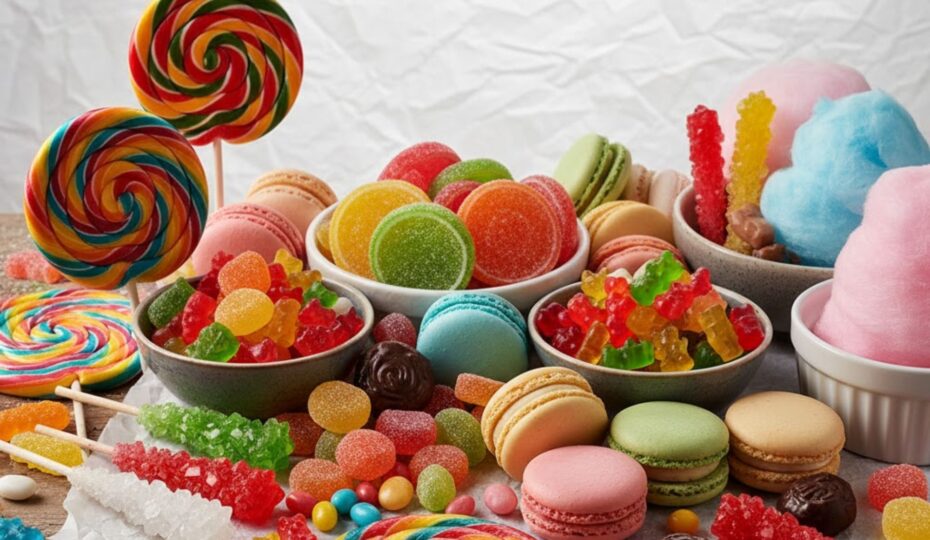
Sugar confectionery refers to food products that use sugar as the primary ingredient. These include hard candies, caramels, marshmallows, jellies, fondant, toffees, nougat, and many others. The term “confectionery” comes from the craft of making confectionery foods known for their sweetness and unique texture. In British English, confectionery is often called “sweets,” while in the United States, it’s known as “candy.”
The confectionery industry separates sweet products into three main types: sugar confectionery, chocolate confectionery, and flour confectionery. Sugar confections are made mainly from sugar syrup and sweeteners. Chocolate confectionery includes truffles, candy bars, and chocolate-covered fruits. Flour confectionery involves baked products such as cakes and pastries. Each category uses different production methods and ingredients but shares one goal to create enjoyable sweet flavors.
According to research, sugar confectionery refers to a wide range of food items commonly known as sweets, including boiled sweets, toffees, marshmallows, and fondant. These products are made primarily from sugar (sucrose) and are produced by balancing the recipe, mixing ingredients, boiling the mixture to the correct temperature, cooling, shaping, and packing. The research notes that by adjusting the ingredients, boiling temperature, and shaping method, manufacturers can create an enormous variety of sweet items from soft fudges to clear, hard candies, all following the same basic production principles.
History of Confectionery
The story of sugar confectionery has a long history that began with honey. Ancient civilizations used honey to sweeten food before sugar cane became common. When sugar production spread from India to the Middle East and Europe, confectionery making developed quickly. Early confectioners used sugar syrups and fruit to make preserved sweets and medicinal candies.
As sugar became more available, confectioners started experimenting with different shapes, textures, and flavors. This innovation gave rise to modern confectionery products such as boiled sweets, toffees, and gummy candies. Over the centuries, confectionery making turned into a specialized trade supported by science and artistry, influencing how we make sweets today.
Main Ingredients in Sugar Confections
Sugar is the main ingredient in sugar confectionery. It provides sweetness, bulk, and texture while helping extend shelf life. Other sweeteners are sometimes used, such as invert sugar and glucose syrups, to balance taste and prevent crystallization. These mixtures keep candies smooth and chewy instead of grainy or brittle.
Dairy products such as butter and cream add richness to toffees, caramels, and fudge. Gelling agents like gelatin, starch, and pectin are used to give jellies, marshmallows, and gummy candies their structure. Fruits, nuts, and flavors such as vanilla, chocolate, or fruit extracts help create variety and appeal. A confectioner adjusts these ingredients carefully to produce the right texture, flavor, and appearance for each product.
How Confectionery Making Works
Sugar confections depend on controlled heating and cooling. During production, sugar syrup is boiled at high temperatures to reach specific stages, from soft-ball to hard-crack. These temperature points determine the final texture, whether the candy will be chewy, soft, or hard. For example, fudge is cooked to a lower temperature for softness, while boiled sweets reach higher heat levels to achieve a crisp, glassy finish.
Once the syrup is cooked, it’s shaped and cooled. Common methods include moulding, cutting, pulling, and depositing. Confectioners may make lollipops, hard candies, gums, or fondant shapes. Some sweet items are later filled or covered with chocolate or cream. Professional confectioners manage this process precisely to maintain uniform texture and consistent results.
Flavor and Texture in Sugar Confectionery
The texture and flavor of confections depend on the combination of ingredients and process control. Gelatin and pectin create the elastic chew in gummy candies. Butter, cream, and sugar produce the smooth richness of caramels and toffees. Hard candies are made with minimal water, resulting in a brittle texture, while marshmallows contain whipped air for a soft, foamy bite.
Flavor variety is another hallmark of sugar confectionery. Fruit, nuts, and chocolate are used to create balanced tastes. Each ingredient interacts differently with sugar, changing not only flavor but also appearance and mouthfeel. The goal is to deliver sweetness without overpowering natural flavors.
How Shelf Life Is Managed
Shelf life is a key factor in confectionery production. The amount of water in a product determines how long it will stay fresh. High-sugar candies, such as boiled sweets and lollipops, can last for years if stored properly. Soft candies like jellies and marshmallows have shorter shelf lives due to higher moisture content.
Packaging and storage conditions are critical to keeping quality consistent. Proper wrapping prevents moisture gain or loss, which can change texture and cause candies to become sticky or hard. Temperature control also prevents sugar crystals from forming inside candies, preserving flavor and appearance.
The Role of Confectioners
A confectioner is a professional skilled in making confections and understanding how each ingredient behaves. Confectioners combine technical skill with creativity to produce sweets that meet both taste and texture expectations. They measure ingredients precisely and monitor each stage of production to maintain consistency.
Many confectioners work in commercial facilities, while others run small sweet shops or confectioners’ shops that produce artisanal candies and baked desserts. Whether preparing truffles, nougat, or fondant for decorating cakes, their goal remains the same: to create reliable, high-quality sweet products that satisfy every sweet tooth.
Common Types of Confectionery Products
The confectionery industry includes a wide variety of sweet products made from sugar, chocolate, or flour. Each type offers a different texture, flavor, and production method, from hard-boiled sweets to soft fudges and baked pastries. Understanding these common types helps confectioners and manufacturers choose the right ingredients, processes, and equipment for their specific confectionery products.
Boiled Sweets
Boiled sweets are cooked at high temperatures until the sugar syrup hardens into a clear, glassy texture. Examples include hard candies, lollipops, and brittles. These sweets are known for their long shelf life, vibrant colors, and intense flavor.
Chewy Confections
Chewy confections include toffees, caramels, fudge, and nougat. They are made with butter, cream, or other dairy products that create a soft, flexible texture. These sweets deliver a rich, smooth flavor that appeals to anyone with a sweet tooth.
Gelled Sweets
Gelled sweets such as gummy candies, jellies, and pastilles rely on gelling agents like gelatin, starch, or pectin. These ingredients create a firm but elastic bite and are often flavored with fruit extracts or natural colorants.
Aerated Confections
Aerated confections include marshmallows and fondant. Air is whipped into the mixture to form a light and fluffy texture. These confections are soft, sweet, and often used in decorating cakes or paired with chocolate.
If you’re looking for high-quality bulk fondant for commercial confectionery production, US Sweeteners offers reliable supply solutions for bakeries, candy makers, and food manufacturers. We provide smooth, easy-to-work fondant that helps achieve consistent texture, flavor, and appearance in every batch. Our bulk options are designed for efficiency, long shelf life, and fast delivery nationwide.
Baked and Flour Confectionery
Baked and flour confectionery includes cakes, pastries, and baked desserts. Made with flour and sugar, these sweet foods can be layered, filled, or glazed. They represent the link between traditional baking and modern dessert production.
Chocolate Confectionery
Chocolate confectionery covers candy bars, truffles, and chocolate-covered nuts or fruits. These sweets combine chocolate with sugar-based fillings for a smooth texture and balanced flavor. Chocolate manufacturers often refine these recipes for consistency and shelf stability.
Cultural and Market Importance
Sugar confectionery has played a role in culture for centuries. Sweet shops have been part of communities since the early days of trade, offering treats to mark holidays and special events. Sweets such as lollipops, chocolates, and marzipan are often used in celebrations and as gifts.
Today, the confectionery industry is global. Large chocolate manufacturers produce candy bars and boxed chocolates, while smaller producers specialize in artisan sweets. The market continues to expand through innovation in flavors, packaging, and natural ingredients. Consumers are also looking for cleaner labels, with fewer artificial colors and a focus on real sugar and natural flavorings.
Ingredient Sourcing and Modern Production
Confectionery production depends on high-quality raw materials. Sugar cane remains a major source of refined sugar around the world, while glucose syrups are made from corn or starch. Modern confectioners work closely with suppliers to maintain consistency, especially when producing large batches for national distribution.
Manufacturers also focus on sustainable sourcing of ingredients such as cocoa, fruit, and nuts. Efficient logistics and quality control support long shelf life and product safety. Every stage of making confections, from boiling sugar syrup to packaging finished sweets, relies on dependable supply chains and reliable partners.
The Connection Between Science and Craft
Confectionery making brings together both science and craftsmanship. Each stage of heating, cooling, and shaping sugar requires accuracy to reach the right consistency. For example, heating sugar syrup beyond a certain point produces hard candies, while maintaining lower heat yields soft, chewy fudge or caramels.
Skilled confectioners also consider humidity, air circulation, and ingredient ratios. Small differences can affect texture and sweetness. Balancing flavor, appearance, and structure takes experience, and that balance defines the success of every confectionery product.
Conclusion
Sugar confectionery combines the precision of science and the satisfaction of creativity. Whether it’s hard candies, chewy caramels, or chocolate-covered fruits, these sweets share one purpose: to bring joy through flavor and texture. The craft has a long history, and its success today depends on high-quality ingredients, careful production, and dependable suppliers that understand food manufacturing needs.
At US Sweeteners, we supply bulk sugar, glucose syrups, and other sweeteners that help confectioners and food manufacturers produce consistent, high-quality products. Our nationwide logistics network and experience in ingredient distribution make us a trusted partner for confectionery production. Contact us to learn more about our supply options and fast delivery.
FAQs
What is an example of a confectionery?
An example of a confectionery is a hard candy, fudge, chocolate bar, marshmallow, or toffee. These are sweet foods made primarily with sugar.
What is the difference between sugar confectionery and baker’s confectionery?
Sugar confectionery is made mainly from sugar syrup and includes candies and gummies, while baker’s confectionery (or flour confectionery) involves baked items such as cakes and pastries made with flour.
What is the meaning of confectionery sugar?
Confectionery sugar, also called powdered sugar, is finely ground sugar used in icing, frosting, and decorating cakes or pastries.
Is confectionery sugar the same as regular sugar?
Confectionery sugar is different from regular granulated sugar because it is ground into a fine powder and mixed with a small amount of starch to prevent clumping.