Maple syrup as a sweetener is gaining wider use in food and beverage manufacturing as brands look for natural sweetener options that offer flavor, label clarity, and functional performance. While maple syrup is widely known as a retail product, its role as a manufacturing ingredient goes far beyond table use. When used correctly, maple syrup can support clean label goals, provide consistent sweetness, and add depth that refined sugar alone cannot deliver.
At US Sweeteners, maple syrup is supplied as part of a broader bulk ingredient portfolio built for manufacturers that require reliable inventory, consistent specifications, and nationwide distribution. With a multi-warehouse system and decades of logistics experience, US Sweeteners supports food producers, beverage brands, and commercial kitchens that depend on steady ingredient access at scale.
What Maple Syrup Is as a Sweetener
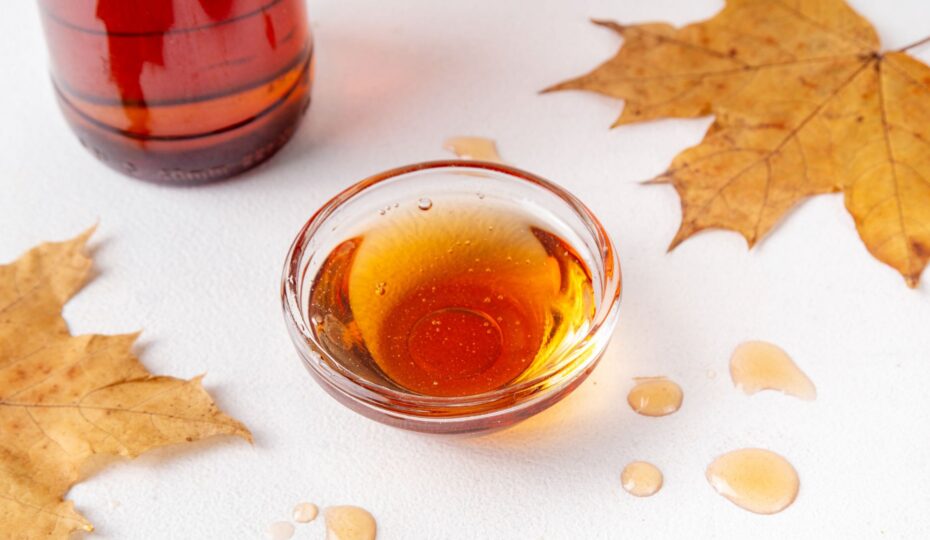
Maple syrup is a natural sweetener produced by concentrating sap collected from sugar maple trees. The sap is heated to remove water, leaving behind a syrup that is primarily composed of sucrose with small amounts of glucose and fructose. This minimal processing process preserves the syrup’s natural characteristics while creating a stable, shelf-ready ingredient.
From a formulation standpoint, maple syrup behaves differently than refined sugars. Its sweetness level is slightly lower than white sugar by weight, but it contributes flavor compounds that refined sweeteners do not provide. This makes maple syrup useful in applications where sweetness and flavor development must work together rather than act separately.
Nutritional Profile of Maple Syrup
Maple syrup is an added sugar and should be treated as such in product development. One tablespoon contains roughly 52 calories and about 12 grams of sugar, mostly from sucrose. For manufacturers, this means maple syrup functions as a carbohydrate source similar to other sugars, with no fiber or protein contribution.
Beyond sugar content, maple syrup contains trace amounts of minerals such as manganese, zinc, calcium, and potassium. It also contains naturally occurring plant compounds that act as antioxidants. These compounds are present in small quantities and should not be positioned as nutritional drivers, but they support the ingredient’s perception as less processed than refined alternatives.
Maple Syrup Compared to Other Sweeteners
Compared to refined cane sugar, maple syrup undergoes fewer processing steps and retains natural color and flavor compounds. Cane sugar delivers neutral sweetness, while maple syrup contributes both sweetness and taste. This difference matters in baked goods, sauces, and beverages where flavor layering is part of the product identity.
When compared to high fructose corn syrup, maple syrup offers a simpler ingredient label and avoids corn-derived inputs. Many manufacturers select maple syrup to meet consumer demand for recognizable ingredients. While cost and sugar content must still be managed, maple syrup supports cleaner labeling without relying on artificial sweeteners or blends.
Functional Benefits in Manufacturing Applications
One of the strongest benefits of maple syrup as a sweetener is its ability to enhance flavor while delivering consistent sweetness. Its caramelized notes work well in baked goods, coffee beverages, dairy products, sauces, and marinades. This allows formulators to reduce reliance on added flavors or coloring agents.
Maple syrup dissolves easily in both hot and cold applications, making it suitable for beverages, syrups, and ready-to-drink products. Its liquid form allows for uniform distribution during mixing, reducing processing time and minimizing separation issues. These functional traits support efficient production without complex handling steps.
Maple Syrup Grades and Manufacturing Uses
Maple syrup is categorized by color and flavor strength, which directly affects its performance in formulations. Lighter grades offer mild sweetness with minimal flavor impact, while darker grades provide stronger maple notes. Selecting the correct grade helps control taste and cost across production runs.
For beverage formulations, lighter or amber grades work well where sweetness is needed without dominating the base flavor. Darker grades are commonly used in baking, sauces, and glazes where stronger flavor is desired. Matching grade selection to application allows manufacturers to maintain consistency while managing ingredient spend.
Maple Syrup Formats for Manufacturers
Liquid maple syrup is widely used in beverage production, sauces, and dairy applications due to its ease of handling and uniform consistency. It integrates smoothly into liquid systems and supports predictable sweetness levels when Brix values are controlled.
Maple sugar is produced by further concentrating maple syrup until it crystallizes into granules. This format works well in dry blends, baking mixes, and applications where moisture control is critical. Maple sugar also offers longer shelf stability and simpler storage compared to liquid syrup.
When Maple Sugar Makes More Sense Than Syrup
In dry manufacturing environments, maple sugar provides sweetness without adding water to the formulation. This helps preserve texture, structure, and shelf life in baked goods and powdered products. It also allows manufacturers to replace granulated sugar on a one-to-one basis in some applications.
Maple sugar delivers the same ingredient recognition benefits as syrup while improving handling efficiency. For manufacturers managing moisture-sensitive products, this format reduces processing adjustments and simplifies production planning.
Research Perspective on Maple Syrup
Maple syrup contains naturally occurring compounds that show antioxidant activity in laboratory testing. These compounds may interact with enzymes related to carbohydrate digestion. While these properties are of interest, they should not be framed as health outcomes in finished products.
According to research, maple syrup is frequently discussed as a natural alternative to refined sugar when used within reduced-sugar formulations. The research explains that maple syrup differs from refined sugar because it contains naturally occurring plant compounds, minerals, and organic acids that contribute to its sensory and functional profile. While maple syrup remains a carbohydrate-based sweetener and should be used in moderation, its less refined composition and lower glycemic response compared to table sugar have driven interest in its use as a substitute sweetener in food systems focused on ingredient transparency and formulation balance.
From an industry standpoint, maple syrup should be positioned as a natural sweetener with functional and flavor benefits rather than a health product. Clear labeling and responsible formulation maintain regulatory clarity and consumer trust.
Bulk Purchasing Considerations for Manufacturers
Consistency is a key concern when sourcing maple syrup at scale. Flavor, color, and sweetness can vary by harvest and grade, making reliable sourcing critical. Manufacturers benefit from suppliers that maintain standardized specifications across shipments.
Packaging and logistics also affect purchasing decisions. Maple syrup is commonly supplied in pails, drums, or totes depending on volume requirements. Proper storage helps preserve quality, while dependable distribution reduces production delays and inventory gaps.
If you are looking for a dependable source of bulk maple syrup for food or beverage production, we offer supply options designed for commercial use at scale. US Sweeteners supports manufacturers with consistent maple syrup specifications, bulk packaging formats, and nationwide distribution through a multi-warehouse network. This allows production teams to maintain steady inventory levels while simplifying sourcing and logistics for maple-based formulations.
Supply Chain Reliability and Ingredient Planning
Ingredient availability directly affects production schedules. Maple syrup sourcing requires dependable warehousing and transportation systems that support steady delivery across regions. Delays or inconsistencies can disrupt batch planning and formulation timelines.
A multi-warehouse distribution model reduces risk by positioning inventory closer to manufacturing sites. This approach supports faster fulfillment and greater flexibility for manufacturers operating across multiple locations.
Limitations and Use Boundaries
Maple syrup remains a sugar-based ingredient and must be used with portion control in formulation. Overuse can increase sweetness beyond target levels and affect texture or browning reactions. Careful formulation helps balance flavor impact and sugar content.
Cost is another factor when compared to refined sweeteners. Maple syrup often carries a higher price point, making it best suited for products where flavor contribution and label appeal justify its use. Blending strategies can help manage cost while retaining desired characteristics.
Is Maple Syrup the Right Sweetener for Your Product
Maple syrup works best in products where flavor matters as much as sweetness. Baked goods, sauces, dairy products, and beverages benefit most from its profile. Products that rely solely on sweetness without flavor development may not require maple syrup.
For manufacturers seeking clean-label ingredients with functional performance, maple syrup offers a practical option. Selecting the right grade and format supports predictable results and consistent production outcomes.
Conclusion
Maple syrup as a sweetener offers manufacturers a natural option that combines sweetness, flavor, and functional performance. It supports clean labeling, dissolves well in liquid systems, and adds depth that refined sugars cannot provide. When matched correctly to application and grade, maple syrup fits into a wide range of food and beverage products without complicating production. Its use requires balance, but it delivers clear value when applied with intent.
At US Sweeteners, bulk maple syrup and related sweetener formats are supplied with a focus on consistency, logistics, and nationwide access, giving manufacturers dependable inventory, multi-warehouse distribution, and packaging options that support different production scales while keeping operations steady and aligned with formulation and sourcing goals. Contact us to discuss bulk maple syrup sourcing, maple sugar options, and sweetener supply planning, with reliable delivery and flexible packaging built into every supply solution.
FAQs
Is maple syrup a better sweetener than sugar for manufacturing?
Maple syrup provides sweetness with added flavor, while refined sugar offers neutral sweetness. The better option depends on whether flavor contribution is needed in the product.
Can maple syrup be used in beverages?
Yes. Maple syrup dissolves easily in hot and cold liquids, making it suitable for coffee drinks, dairy beverages, and ready-to-drink products.
What grade of maple syrup is best for food manufacturing?
Lighter grades work well for beverages and mild products, while darker grades suit baking, sauces, and applications that require stronger flavor.
Does maple syrup work for clean-label products?
Yes. Pure maple syrup contains no artificial additives and is commonly used to support clean label ingredient lists.

Thomas is a product expert at US Sweeteners, a trusted bulk sugar and sweetener distributor serving food and beverage manufacturers across the USA. He writes about sweetener sourcing, ingredient trends, and supply chain insights for the food industry.