Liquid sugar for cocktails is used by bars, restaurants, and beverage makers because it blends fast, delivers steady sweetness, and removes the problems caused by undissolved sugar. It is made from just two ingredients: sugar and water. This simple syrup format has become a must-have for cold drinks, mixed cocktails, iced tea, lemonade, and many other applications because it dissolves on contact and saves time behind the bar.
At US Sweeteners, we supply food and beverage businesses with granulated sugar, white granulated sugar, brown sugar, liquid sugar, and other bulk sweetener ingredients for cocktail programs and large-batch production. Our service supports wholesalers, distributors, bakeries, drink manufacturers, and bars that want a steady supply, fast delivery, and reliable logistics backed by more than 30 years of industry experience.
What Liquid Sugar Is and Why It Works
Liquid sugar is made by combining an equal amount of sugar and water to form a syrup that blends into cold or hot drinks without clumping. This format works better than dry sugar because it removes the wait time needed for sugar crystals to dissolve. Liquid sugar provides consistent sweetness in cocktails, iced tea, soda, and fruit drinks. Many bars rely on simple syrup because it speeds up each mix and helps create balanced drinks every time.
Simple syrup ingredients are easy to work with. Basic syrup is made by heating sugar and water until fully dissolved. Bars may also use filtered water to maintain clarity. A richer syrup uses two parts sugar and one part water to create a thicker syrup with a longer shelf life. Either syrup is a key ingredient in many drinks and can be adjusted to match the flavor profile of different spirits or fruit mixes.
Types of Liquid Sugar Used in Cocktail Programs
Simple syrup is the base liquid sugar for cocktails and is made from equal parts sugar. This recipe creates a clean, neutral flavor that works in most drinks. It blends well with ice, cold liquids, and fruit purées. Most bartenders lean on simple syrup because it gives a predictable level of sweetness and is super easy to make in small-batch or large-batch production.
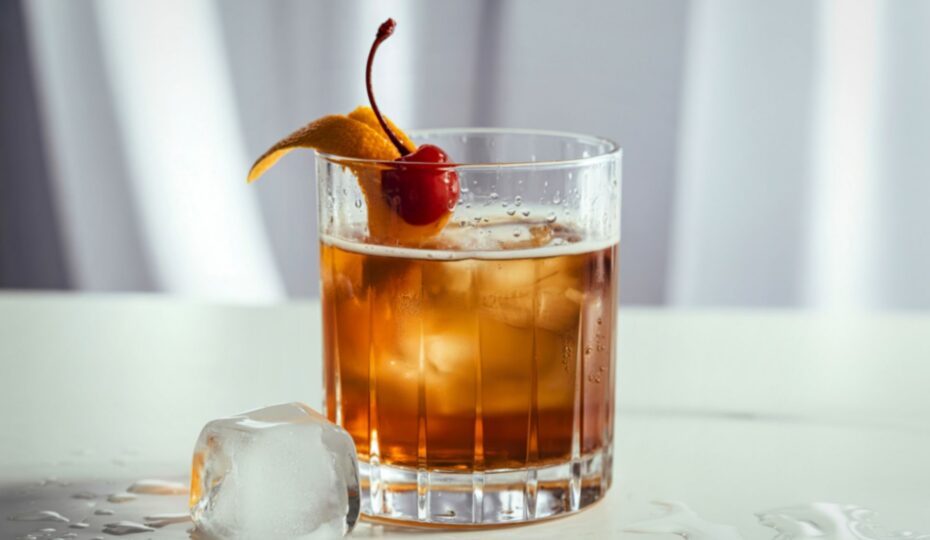
Rich simple syrup uses two parts sugar to one part water. This richer syrup creates more body and holds up well in spirit-forward cocktails like whiskey drinks. Many bars use rich syrup when they want more sweetness without increasing the amount of liquid in a recipe. The thicker syrup texture also helps round out the taste of citrus drinks.
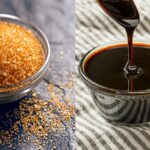
Brown sugar syrup brings a deeper flavor. It is made the same way as simple syrup but uses brown sugar or turbinado sugar instead of white sugar. Brown sugar syrup works well for cocktails with spices, rum drinks, or coffee-based drinks. It carries notes of caramel and molasses, giving the syrup a warm taste that pairs well with fall or winter menus.
How to Make Simple Syrup for Cocktails
Making simple syrup is a super-easy process that uses just two ingredients.
- Combine an equal amount of granulated sugar and one part water in a saucepan.
- Apply medium heat or low heat and stir until fully dissolved.
- Avoid a long boil because it may cause caramel notes if the sugar darkens.
- Once the sugar water looks clear, remove it from the heat and let it cool completely before storing.
Most bars make homemade simple syrup in small batch form, using one cup of sugar to one cup of water. For a richer syrup, use two parts sugar to one part water. After the mixture cools, pour it into a clean jar, glass jar, bottle, or airtight container. Store the syrup in the fridge. Homemade simple syrup generally keeps for several weeks, while rich syrup may have a longer shelf life due to the higher amount of sugar.
Flavor Variations and When to Use Them
Flavored syrups help bars create signature drinks without adding extra prep during service. Many cocktails use vanilla, cinnamon, lemon, strawberries, honey, or caramel flavor. These flavors can be made by simmering the add-in with the base syrup until the flavor transfers. For example, adding cinnamon sticks creates a warm, spiced syrup. Adding strawberries produces a fruit syrup that fits summer drinks.
Bars also make flavored syrups by stirring in ingredients such as vanilla extract, lemon peel, or sliced fruit once the syrup is off the heat. The syrup absorbs the flavor while it cools. After steeping, strain the syrup and store it in an airtight container. Many bars prefer flavored syrups because they help keep recipes steady without bringing in new steps during service.
Why Bars Use Liquid Sugar Instead of Dry Sugar?
Liquid sweetener blends fast and avoids clumps. Dry white sugar often stays at the bottom of a glass, especially when added to cold liquids. Liquid sugar removes this issue and produces steady sweetness with every stir or shake. For bars that make many iced drinks, liquid sugar keeps service organized and helps bartenders move quickly.
According to a study by the CDC, the leading sources of added sugars in the U.S. diet are sugar-sweetened beverages, desserts, and sweet snacks. The study also states that added sugars include sweeteners, syrups, honey, and sugars from concentrated fruit or vegetable juices.
Another reason bars rely on syrup is control over taste. Equal parts sugar syrup gives a predictable sweetness level. Rich simple syrup lets bartenders add more sweetness without changing the drink volume. This helps maintain balance in recipes that rely on fixed alcohol or citrus amounts.
How Liquid Sugar Improves Cocktail Production
Liquid sugar blends smoothly with spirits, citrus, and fruit. This helps bartenders achieve a consistent drink mix every time. The syrup also combines well with ice and reduces the chance of uneven flavor. Drinks such as mojitos, lemon cocktails, whiskey sours, and rum cocktails rely on syrup for steady sweetness.
Liquid sugar is also used in iced tea, coffee drinks, fruit sodas, and lemonades. Many bars and cafés use liquid sugar instead of dry sugar because it mixes quickly and does not settle at the bottom. Syrup works well for high-volume beverage programs because it keeps the process simple.
Large Batch Uses in Bars and Beverage Production
Bars often prepare large batches of syrup for service. Making one gallon or more saves prep time and reduces daily work. The process stays the same: combine sugar and water, apply heat until dissolved, and cool completely. Using hot water can help speed up dissolving in bigger batches. Once cooled, the syrup is stored in food-safe containers.
Large beverage producers may use liquid sugar because it cuts down on production steps. Instead of dissolving sugar on site, a ready-to-use liquid sweetener arrives fully dissolved and ready for use. This removes temperature control needs and saves time. Bulk liquid sugar also helps maintain consistent flavor in bottled drinks.
Choosing the Right Sugar for Flavor and Color
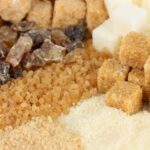
White granulated sugar creates a neutral flavor and clear syrup. This is the most common choice for cocktail programs because it keeps the drink color consistent. Bars that want a deeper flavor often use brown sugar or turbinado sugar to make brown sugar syrup. These syrups carry notes of caramel and molasses.
Some bars may add small amounts of honey to adjust the taste. Honey can be mixed with hot water to create a honey syrup that blends more easily. Flavor-based syrups can also be made by simmering ingredients like strawberries or cinnamon until the flavor transfers.
Storage and Shelf Life Tips
Simple syrup should be stored in a bottle, a clean jar, or an airtight container. Keeping syrup refrigerated helps maintain freshness. Basic syrup made from equal parts sugar usually keeps for around two to three weeks. A richer syrup made with two parts sugar may last longer because sugar raises stability.
Flavored syrups may have a shorter shelf life because of fruit or herbs. Using filtered water helps maintain clarity and keeps the syrup stable. Bars that prepare syrup regularly often mark dates on each container so that batches rotate smoothly.
Where to Buy Bulk Liquid Sugar and Syrup Ingredients
Bars, cafés, and beverage manufacturers need a steady supply to keep their drink programs running. Bulk sugar, liquid sweetener, and brown sugar help support daily production. Many businesses buy syrup ingredients in larger quantities once they begin making simple syrup in-house.
If you are looking for bulk liquid sugar for your beverage or cocktail program, we offer reliable supply options that help support steady production. Our ready-to-use liquid sweetener blends quickly into drinks and helps maintain consistent sweetness across every batch. If you would like to keep your bar or manufacturing operation running smoothly, you can explore our liquid sweetener solutions at US Sweeteners.
Conclusion
Liquid sugar plays a central role in cocktail programs because it mixes fast, blends smoothly, and supports reliable sweetness in every drink. Simple syrup, rich syrup, flavored syrups, and brown sugar syrup each offer different flavor benefits, and they all help bartenders keep service consistent. Liquid sugar supports balance, speed, and quality in both small batch and large batch production.
At US Sweeteners, we help bars, cafés, drink manufacturers, and wholesalers keep their ingredient supply steady with bulk sugar, liquid sugar, brown sugar, and other essential sweeteners. Our team supports nationwide delivery with multi-warehouse logistics and industry experience. Contact us to discuss bulk supply options for your beverage or cocktail program.
FAQs
What is liquid sugar for cocktails made from?
Liquid sugar for cocktails is made from sugar and water mixed in equal parts and heated until fully dissolved.
How long does simple syrup last in the fridge?
Simple syrup made with equal parts sugar can last about two to three weeks in the fridge when stored in an airtight container.
What is the difference between simple syrup and rich simple syrup?
Simple syrup uses equal parts sugar and water, while rich simple syrup uses two parts sugar to one part water for a thicker syrup and longer shelf life.
Can I use brown sugar to make syrup for cocktails?
Yes, brown sugar and turbinado sugar can be used to make brown sugar syrup, which adds caramel and molasses flavor to drinks.

Thomas is a product expert at US Sweeteners, a trusted bulk sugar and sweetener distributor serving food and beverage manufacturers across the USA. He writes about sweetener sourcing, ingredient trends, and supply chain insights for the food industry.