
Is Honey a Natural Sweetener? Benefits and Drawbacks
Last updated: May 8, 2026
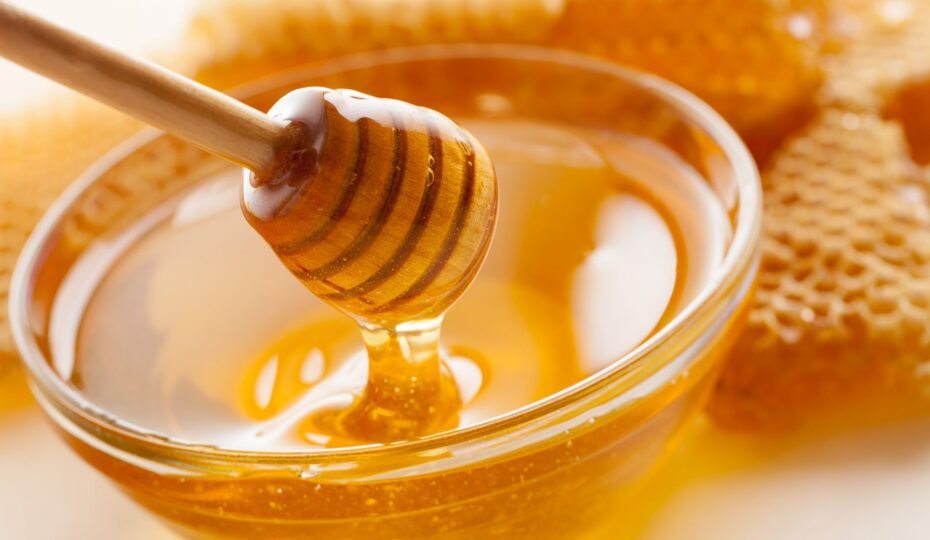
Yes. Honey is a natural sweetener because bees make it from flower nectar. Its sweetness comes from natural sugars, mainly fructose and glucose, not from artificial sweeteners, high fructose corn syrup, or heavy refining.
Honey is still a form of sugar, so it should be used in moderation. But it also brings qualities that regular table sugar does not, including flavor, color, moisture, and browning. That is why food manufacturers use honey in baked goods, beverages, sauces, dressings, and sweet treats.
For manufacturers, the bigger question is whether honey can deliver the right flavor, label appeal, cost stability, and batch consistency. When supply or pricing becomes difficult to manage, honey alternatives may be worth comparing.
What Makes Honey Natural?
Honey is considered a natural sweetener because bees make it from flower nectar, and pure honey does not need added sugars, artificial sweeteners, synthetic preservatives, or chemical refining. Unlike refined sugar, white sugar, or regular table sugar, honey keeps more of its original natural compounds from the hive. This natural origin is one reason many consumers view honey as a healthier alternative to processed sugars, although it should still be treated as an added sugar.
Most quality honey only goes through basic handling before sale, such as gentle filtering, light warming, and bottling. Raw honey is usually less processed than processed honey, but both should still contain only honey if sold as pure honey. For manufacturers, this distinction matters because products blended with sugar, corn syrup, high fructose corn syrup, or other sweeteners should not be labeled simply as pure honey.
The Natural Production Process
Honey’s journey from flower to jar follows a precise natural process. Bees collect nectar, transform it with enzymes, reduce its moisture, and store it in honeycomb cells. This process creates a naturally concentrated sweetener with a distinct flavor, sugar profile, and moisture level.
The process generally includes:
- Collection: Worker bees collect nectar from flowers and store it in a special honey stomach.
- Enzyme transformation: Enzymes begin breaking down complex sugars into simpler sugars.
- Hive processing: Bees pass the nectar between each other while continuing the transformation.
- Dehydration: Bees fan their wings to evaporate excess water and thicken the honey.
- Capping and storage: Once honey reaches about 17–20% moisture, bees seal the honeycomb cells with wax.
This natural process is one reason honey is different from refined sugar. Refined sugar is extracted, purified, crystallized, and standardized through industrial processing, while honey is created through nectar collection, enzyme activity, moisture reduction, and hive storage before it is harvested and packed.
Chemical Composition and Natural Properties
Honey contains natural sugars, mainly fructose and glucose, along with water, trace minerals, enzymes, organic acids, antioxidants, phenolic acids, and plant-derived compounds. One tablespoon of honey contains calories and carbohydrates, so it should still be treated as an added sugar in the diet. However, honey is different from regular sugar because it is not just crystallized sucrose.
Unlike refined sugar, honey brings flavor, color, aroma, viscosity, and moisture into a formula. It can influence browning, mouthfeel, water activity, texture, and finished-product flavor. That is why replacing honey with cane sugar, brown sugar, maple syrup, agave nectar, glucose syrup, rice syrup, or high fructose corn syrup is not always a one-to-one swap.
Natural Sugars and Energy
The main natural sugars in honey are glucose and fructose. These sugars come from flower nectar that bees collect and transform during honey production. Table sugar is primarily sucrose, which gives it a different sweetness profile and functional behavior.
For consumers, honey is still a sugar and should be used in moderation. For manufacturers, honey’s sugar composition affects sweetness perception, browning, crystallization, texture, and moisture retention. In baked goods, bars, sauces, glazes, and beverages, these differences can affect how the finished product tastes, flows, browns, and holds moisture over time.
Honey may be viewed as one of several healthy sugar alternatives because it contains trace amounts of enzymes, minerals, and plant compounds. However, natural sugars still contribute calories and can affect blood sugar, so honey can support better flavor and positioning without removing the need to manage total sugar intake.
Water Content and Preservation
Honey typically contains about 17–20% water. This relatively low moisture level helps create a concentrated sweetener with strong natural stability. It also contributes to honey’s thick texture and long shelf life when stored properly.
For manufacturers, moisture content matters because it can affect viscosity, blending, texture, shelf life, and batch consistency. A honey with higher moisture may behave differently in sauces, dressings, fillings, or baked products than one with lower moisture. This is why bulk honey should be reviewed for functional specifications, not just flavor and price.
Enzymes and Nutrients
Honey contains enzymes introduced during the bee’s conversion of nectar into honey, along with trace minerals, organic acids, antioxidants, phenolic acids, and plant-derived compounds. These components help distinguish honey from refined sugar, although they are present in small amounts and should not be overstated as major health benefits.
For product development teams, these compounds matter most for flavor, color, ingredient positioning, and consumer perception. Honey can support a more recognizable ingredient statement than refined sugar or high fructose corn syrup, especially in products marketed as natural, premium, or minimally processed.
Colors and Flavors
The color and taste of honey come from the flowers bees visit. Light honeys tend to have a milder flavor, while darker honeys, such as buckwheat honey or some manuka honey products, usually have a stronger taste and deeper color. This natural variation can be useful in flavor-forward products, but it can also create consistency challenges.
For manufacturers, floral source and color should match the product goal. A mild clover honey may work well in a beverage or light dressing, while a darker honey may be better for bakery, sauces, marinades, or glazes. If a product needs a consistent flavor and appearance, suppliers should provide clear specifications for color, moisture, floral source, and batch variation.
Is Honey Practical for Food Manufacturers?
Honey can be practical for food manufacturers when a product needs natural sweetness, floral flavor, browning, moisture retention, viscosity, or a cleaner ingredient statement. It can work well in baked goods, sauces, marinades, teas, snack bars, cereals, dressings, and premium sweet treats. It is especially useful when honey flavor or honey positioning is part of the product identity.
At scale, honey needs tighter control than many processed sweeteners because color, flavor, viscosity, moisture, and floral source can vary by batch. Manufacturers should evaluate what honey does in the formula: sweetness, flavor, browning, moisture retention, binding, color, or label appeal. Once that role is clear, it becomes easier to decide whether honey should stay in the formula or whether a honey alternative can meet the same production goal.
Common food applications for honey include:
- Baked goods and breakfast products
- Sauces, marinades, and glazes
- Teas and ready-to-drink beverages
- Snack bars, cereals, and granola
- Dressings and condiments
- Premium confectionery and sweet treats
When Should Food Manufacturers Consider Honey Alternatives?
Food manufacturers may consider honey alternatives when honey supply, cost, flavor consistency, or authenticity risk becomes difficult to manage. Honey is valuable, but it is also a natural agricultural product. Weather, floral source, crop conditions, bee health, import conditions, and supplier reliability can affect availability and pricing.
Honey alternatives may also make sense when a product does not need honey’s distinct flavor or premium positioning. In some formulas, honey is used mainly for sweetness, binding, moisture, or syrup solids. Use honey when flavor, natural positioning, browning, and label appeal matter most; consider alternatives when the formula needs tighter cost control, lower flavor impact, lighter color, easier processing, or more predictable supply.
Common Honey Alternatives for Food Manufacturers
Honey alternatives can support different production goals. Some help with cost control, while others offer more neutral flavor, steadier supply, easier blending, or tighter control over color and viscosity. The right choice depends on what honey contributes to the formula.
| Honey Alternative | Best For | Main Tradeoff |
| Invert syrup | Moisture retention, softness, bakery, confectionery | Less honey flavor and label appeal |
| Glucose syrup | Body, viscosity, controlled sweetness | More functional than premium-positioned |
| Rice syrup | Bars, cereals, snacks, mild sweetness | Different sweetness profile than honey |
| Tapioca syrup | Binding, texture, and cleaner-label syrup use | Does not match the honey flavor or color |
| Agave nectar | Beverages, sauces, lighter sweetness | Different consumer perception from honey |
| Maple syrup | Premium, flavor-forward products | Strong flavor and higher cost |
| Cane sugar syrup | Liquid sweetness and easy blending | Less natural honey identity |
Invert syrup can support moisture retention, softness, and smooth texture in bakery, confectionery, fillings, and sweet sauces. Glucose syrup can add body, viscosity, and controlled sweetness when a formula needs texture and stability without honey’s distinct flavor. Rice syrup and tapioca syrup can provide mild sweetness, binding, and texture support in bars, cereals, snacks, and baked goods where a neutral syrup is preferred.
Agave nectar, maple syrup, and cane sugar syrup can also replace honey in selected applications. Agave offers high sweetness with a lighter flavor, maple syrup works best in flavor-forward products, and cane sugar syrup provides simple liquid sweetness. Each option changes the formula differently, so manufacturers should test sweetness, color, viscosity, and finished-product flavor before replacing honey at scale.
Honey vs. Honey Alternatives: Key Formulation Tradeoffs
Replacing honey depends on what the honey contributes to the product. If honey is used only for sweetness, replacement may be easier. If it contributes flavor, color, browning, viscosity, water activity, moisture retention, and label appeal, a full replacement may require reformulation.
| Formulation Factor | Why It Matters | What to Check Before Replacing Honey |
| Sweetness | Different syrups do not taste equally sweet | Usage rate, sweetness timing, aftertaste |
| Flavor | Honey adds floral or earthy notes | Whether the honey flavor is part of the product identity |
| Color | Dark honey can change the finished appearance | Target color and batch consistency |
| Viscosity | Honey affects the body, coating, and pourability | Pumping, filling, mixing, and mouthfeel |
| Moisture retention | Honey can help keep products soft | Shelf life, softness, stickiness, and texture |
| Browning | Honey can influence baked color and aroma | Heat process, finished color, flavor development |
| Supply stability | Honey can vary by source and season | Year-round availability and supplier reliability |
| Label appeal | Honey is familiar and consumer-friendly | Whether the replacement weakens the positioning |
Sweetness, flavor, moisture retention, viscosity, and supply stability are the biggest variables to test before replacing honey. Honey, agave, invert syrup, cane sugar syrup, and glucose syrup do not all taste equally sweet at the same usage level. Neutral syrups may reduce flavor variation, but they may also weaken honey’s natural identity and consumer appeal.
Moisture retention and viscosity also affect production performance. Honey can help retain softness in bakery and snack products while adding body to sauces, glazes, and fillings. Some alternatives may provide similar functional benefits, but the final texture, flow, shelf stability, and processing behavior should be tested before full replacement.
Health Benefits of Natural Honey
Honey is still a form of sugar, so it should be used in moderation. However, unlike refined sugar or regular table sugar, honey contains trace amounts of enzymes, minerals, plant compounds, and antioxidants. These natural compounds are one reason many people choose honey as a natural sweetener.
The health benefits of honey should be described carefully. Research suggests that antioxidants in honey may contribute to its overall health appeal, especially in darker varieties, but honey should not be treated as medicine. Consuming honey in large amounts can still contribute to weight gain, blood sugar issues, and other health risks tied to excess added sugars.
Antioxidant Content
Honey, especially darker varieties, may contain antioxidants and plant-derived compounds. These compounds are one reason honey is often viewed as more than a basic sweetener. However, antioxidant levels vary depending on floral source, color, processing method, and storage conditions.
Some studies suggest that certain honey varieties may contain powerful antioxidants and phenolic acids. These compounds may support antioxidant properties and anti-inflammatory properties in limited contexts, but the effect depends on the type and amount consumed. Honey should still be positioned as a sweetener with trace beneficial compounds, not as a treatment.
Natural Energy Source
Honey provides carbohydrates, mainly from fructose and glucose. This makes it a quick source of energy and a familiar sweetener in snacks, drinks, and breakfast products. It is often used in products where consumers expect natural sweetness and fast carbohydrate availability.
For manufacturers, this energy positioning may be useful in granola bars, sports snacks, breakfast biscuits, gels, teas, and ready-to-drink beverages. Honey can support a natural energy message while also contributing sweetness, binding, color, and flavor. However, it should still be presented accurately as a caloric sweetener.
Soothing Properties
Honey is commonly used as a home remedy in warm drinks for coughs or sore throats because its thick texture can coat the throat and provide temporary comfort. Some consumers also view honey as a natural cough suppressant in certain home-use situations. For food and beverage brands, this traditional use can support honey’s familiarity in teas, lozenges, syrups, and wellness-positioned beverages.
Some honey varieties may contain antibacterial properties, and medical grade honey is used in wound care settings. Food-grade honey, however, should not be promoted as a product to heal wounds or treat medical conditions. It is safer to focus on honey’s traditional use, taste, and texture rather than making aggressive medical claims.
Digestive and Gut Health Support
Honey may support digestive health because some natural compounds can act like prebiotics. Prebiotics help feed good bacteria, which play a role in digestion and gut health. This gives honey some natural-interest value, but the effect depends on the honey type, the amount consumed, and the person’s overall diet.
This does not mean honey should be treated as a digestive treatment or a fix for an upset stomach. Manufacturers should be careful not to overstate gut health claims unless the finished product has proper substantiation. Honey works best as part of a balanced diet, not as a therapeutic ingredient.
Immune System Considerations
Raw honey and local honey may contain trace pollen, bee pollen, enzymes, antioxidants, phenolic acids, and plant-derived compounds. These elements contribute to honey’s natural profile and consumer appeal. However, honey should not be treated as a proven treatment for seasonal allergies, immune system issues, or medical conditions.
Honey remains an added sugar, so people managing blood sugar, weight, or heart health risks should use it in moderation. This is true even when the honey is raw, local, organic, or minimally processed. Natural does not automatically mean unlimited or risk-free.
Health Considerations for Honey Consumption
Honey is natural, but it is still a sugar. Consuming honey in large amounts can contribute to weight gain, blood sugar issues, and other health concerns. This is why honey should be positioned as a natural sweetener, not as a free-pass health food.
Honey may have a lower glycemic index than some refined sugars, but it still raises blood glucose. People managing diabetes, insulin resistance, or blood sugar control should use honey carefully and follow professional dietary guidance. Manufacturers should also avoid implying that honey makes a high-sugar product automatically healthy.
High intake of added sugars has been linked to increased risk of heart disease and other health risks. Honey may have antioxidant properties that support heart health in a general nutrition context, but it should still be consumed responsibly. Honey should also not be given to infants under one year old because of the risk of infant botulism.
How to Choose High-Quality and Safe Honey
Not all honey is created equal. Some store-bought varieties may be highly processed, overheated, diluted, or blended with other sweeteners. Consumers and manufacturers should verify quality before buying, especially when honey is used for natural positioning or bulk production.
Pure honey should list honey as the only ingredient. If a product contains sugar syrup, corn syrup, high fructose corn, or other sweeteners, it is not pure honey. This matters for shoppers, but it matters even more for manufacturers that need accurate ingredient declarations and supplier transparency.
Food manufacturers should request relevant supplier documentation when buying bulk honey, including specifications for moisture, color, floral source, country of origin, filtration, purity, and handling conditions. Strong documentation helps protect quality, labeling accuracy, and batch-to-batch consistency.
When evaluating honey, check for:
- Ingredient statement and purity
- Moisture level and viscosity
- Color and floral source
- Country of origin
- Filtration and processing method
- Packaging condition
- Supplier documentation
- Batch-to-batch consistency
Warning Signs: When to Avoid Honey
Although honey has natural preservative properties and can last for a long time, certain changes may indicate spoilage, contamination, fermentation, or poor handling. These warning signs matter for household use and for commercial food production. Honey that looks, smells, or behaves abnormally should be reviewed carefully before use.
Avoid honey if you notice:
- Fermentation or bubbling
- Sour or unusual odors
- Excessive watery separation
- Mold or unusual discoloration
- Damaged packaging
- Broken seals or leaking containers
- Signs of tampering or poor storage
Fermentation, bubbling, sour odors, mold, discoloration, damaged packaging, leaking containers, or broken seals should be treated as quality risks. These signs may indicate contamination, tampering, poor storage, or handling problems. If honey shows signs of contamination, discard it and do not use it in food production or home consumption.
Conclusion
Honey is a natural sweetener made by bees from flower nectar. It contains natural sugars, trace compounds, antioxidants, enzymes, flavor, color, and moisture, which make it different from refined sugar or regular table sugar. However, honey is still a form of sugar, so it should be enjoyed in moderation as part of a balanced diet. For food manufacturers, honey can add natural sweetness, browning, viscosity, and moisture to products like baked goods, sauces, teas, snack bars, and dressings, but the right choice depends on flavor goals, supply needs, consistency, cost control, and product formulation.
For food and beverage manufacturers, US Sweeteners offers bulk honey and alternative sweetener options that support changing cost, supply, flavor, and formulation needs. Compare honey with other sweeteners for baked goods, beverages, sauces, and commercial applications, then request a quote for the option that fits your product.
FAQs
Is honey healthier than sugar?
Honey contains trace enzymes, minerals, and antioxidants that refined sugar does not have. However, it is still added sugar and should be used in moderation. It may be a healthier alternative for flavor and ingredient positioning, but total sugar intake still matters.
Is honey naturally sweetened?
Yes. Honey is naturally sweet because bees make it from flower nectar. Pure honey does not need added sugar or artificial sweeteners. Its sweet flavor comes from natural sugars such as fructose and glucose.
Is pure honey made with nothing added?
Yes. Pure honey should contain only honey. It should not include corn syrup, sugar syrup, artificial sweeteners, or preservatives. Consumers and manufacturers should check labels and supplier documentation.
What can food manufacturers use instead of honey?
Food manufacturers can use invert syrup, glucose syrup, rice syrup, tapioca syrup, agave nectar, maple syrup, or cane sugar syrup. The best option depends on sweetness, flavor, moisture, viscosity, cost, and supply needs. The right replacement depends on what honey does in the formula.
Can honey be replaced one-to-one?
Not always. Honey adds sweetness, moisture, viscosity, color, flavor, and browning. If those functions matter, the formula may need testing and adjustment before replacement. A direct swap may change texture, taste, or shelf stability.

Thomas is a product expert at US Sweeteners, a trusted bulk sugar and sweetener distributor serving food and beverage manufacturers across the USA. He writes about sweetener sourcing, ingredient trends, and supply chain insights for the food industry.