
Best Methods on How to Store Bulk Sugar for Long-Term Use
Last Updated: May 04, 2026
Knowing how to store bulk sugar properly is important for maintaining quality and consistent performance over time, especially in food production, baking, and large-scale operations. Bulk sugar is widely used across baked goods, cooking applications, and other foods, but improper storage can reduce usability and affect production outcomes.
Even though sugar is shelf-stable, exposure to moisture, air, and poor storage conditions can lead to clumping, contamination, and handling issues. These factors directly impact batch consistency, flowability, and production efficiency, particularly in commercial environments where reliable performance is critical.
This guide explains how to store bulk sugar using proper storage methods, moisture control practices, and scalable systems such as palletized storage and bulk handling setups. The focus is on preventing clumping, preserving flowability, and ensuring reliable handling across different storage and production setups.
Why Proper Sugar Storage Matters?
Sugar is considered shelf-stable, but it remains sensitive to air, moisture, and environmental exposure. In commercial settings, even small changes in humidity or storage conditions can directly affect how sugar performs during handling, storage, and use in recipes.
According to research, long-term food storage should focus on protecting dry goods like sugar from moisture, pests, and temperature swings to preserve safety and quality over time. Their guidelines recommend using food-grade containers with tight seals and placing sugar in dry, cool locations off the floor to reduce spoilage risks.
When sugar is exposed to high humidity or stored improperly, it begins to clump, reducing flowability and causing issues in automated systems such as feeders and mixers. Air exposure can also introduce odors or contaminants that impact flavor and final product quality. In large-scale operations, these issues can slow production lines, increase spoilage risk, and reduce consistency across batches. Proper storage prevents clumping, reduces contamination risk, and ensures sugar flows consistently during handling and processing.
Shelf Life of Different Sugars
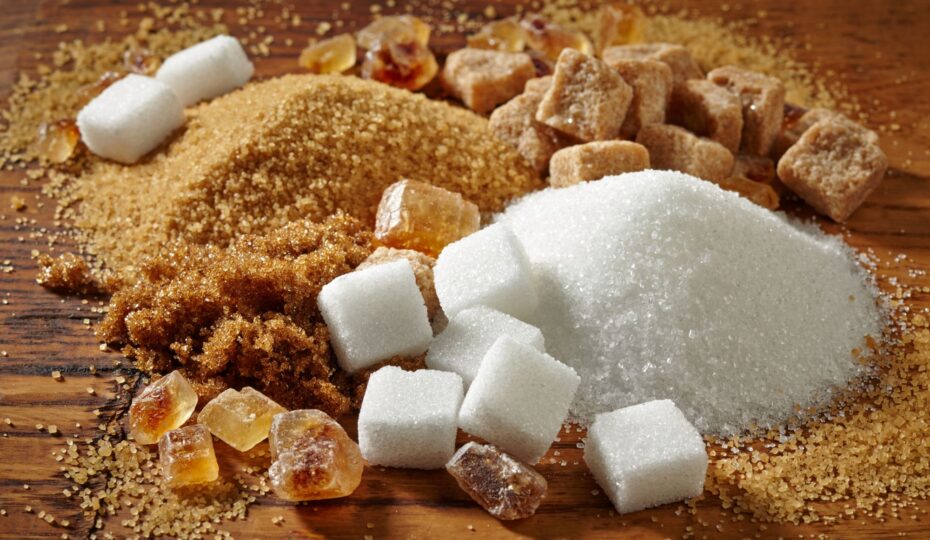
White sugar has the longest shelf life because of its low moisture content and stable crystal structure, making it ideal for long-term food storage and bulk supply planning. Brown sugar contains molasses, which introduces moisture and makes it more prone to hardening over time, especially when not stored properly in an airtight container. Powdered sugar has a finer texture, which increases exposure to air and makes it more sensitive to moisture and odors.
Storage conditions directly affect how long sugar stays fresh, maintains texture, and performs in baking, cooking, and food processing.
| Sugar Type | Shelf Life if Stored Properly |
| White Sugar | 2 years to indefinite |
| Brown Sugar | 4 to 6 months |
| Powdered Sugar | Up to 2 years |
Moisture Targets for Bulk Sugar Storage
Moisture control is the most important factor when you store sugar long-term, especially in commercial environments where consistent flow and handling are required.
For bulk sugar storage:
- Relative humidity should stay below 60 percent
- Storage temperature should remain stable in a dry environment
- Sugar moisture content is typically below 0.05 percent
If sugar is exposed to air and moisture, it can absorb liquid from the environment, leading to clumping, reduced flowability, and equipment blockages. This is especially critical when sugar is used in continuous production systems.
Controlled humidity, proper sealing, and ventilation prevent moisture absorption and keep sugar free-flowing during storage and use.
Choosing the Right Storage Method by Scale
The best storage method depends on operational scale and handling requirements:
- Small-scale/kitchen/retail: Airtight containers or Mylar bags
- Mid-scale (bakeries, distributors): Palletized bags with protective wrapping
- Large-scale manufacturing: Bulk silos with controlled airflow and discharge systems
Choosing the correct format helps maintain flowability, reduce handling time, and prevent material loss.
Functional Comparison of Bulk Sugar Storage Methods
| Storage Method | Best For | Key Risk | Advantage |
| Airtight Containers | Small batch use | Moisture exposure during handling | Easy portion control |
| Pallets | Warehouse storage | Compression, humidity | Scalable and transport-ready |
| Silos | Continuous production | Bridging, condensation | Automated flow and efficiency |
Pallet Storage Specifications for Bulk Sugar
Bulk sugar is commonly stored in bags stacked on pallets or in larger bulk formats such as supersacks. This storage method supports efficient handling, transport, and long-term storage across warehouses.
Standard pallet loads typically range from 1,000 to 2,000 kilograms. Bags are stacked in interlocking patterns to maintain stability and prevent shifting. Keeping pallets elevated off the floor reduces exposure to moisture, insects, and contamination from surrounding environments.
Recommended pallet handling practices:
- Use heat-treated or plastic pallets to reduce moisture transfer
- Keep pallets off the floor in a dry place to protect against pests and liquid exposure
- Limit stacking height to prevent compression and maintain product quality
- Use stretch wrap, liners, or bags to seal and protect sugar during storage
These practices reduce moisture exposure, prevent compression issues, and improve handling efficiency during storage and transport.
Best Storage Methods for Bulk Sugar
At the operational level, storage systems must balance moisture protection with handling efficiency. Airtight containers with tight-fitting lids are commonly used when breaking down pallet quantities into smaller portions. These containers help protect sugar from air, moisture, and contamination while maintaining usability.
Mylar bags are also used in long-term storage setups because they provide an air-tight barrier that protects against exposure. Metal containers, jars, and sealed bins are commonly used for portion control and easier access during daily operations.
Regardless of the container used, it must be clean, dry, and sealed properly to protect sugar quality. Storage systems should also support efficient inventory rotation and handling to maintain a reliable supply.
Silo Handling for Industrial Sugar Storage
In large-scale food production, sugar is often stored in silos to support a continuous supply and handling. This method allows bulk sugar to be stored and transferred efficiently into production systems.
Silos must maintain controlled air conditions to prevent moisture buildup and condensation. Internal surfaces are designed to protect sugar from contamination and maintain sanitation standards. Flowability is supported through aeration systems that prevent bridging and ensure consistent discharge.
Silo handling considerations:
- Maintain stable humidity and air conditions inside the silo
- Use sealed transfer systems to protect sugar from exposure
- Install aeration systems to maintain a consistent flow and prevent blockages
- Inspect and clean regularly to maintain quality and system performance
Proper silo storage helps maintain a steady supply of sugar while reducing downtime and improving production efficiency.
Where to Store Sugar for Long-Term Use
Sugar should be stored in a cool, dry place that protects it from moisture, heat, and contamination. In commercial facilities, this often means climate-controlled storage areas or dedicated ingredient storage zones. Avoid storing sugar near liquid sources, chemicals, or strong-smelling foods, as these can affect flavor and quality. Maintaining a dry environment helps preserve texture and prevents clumping over time. A controlled storage environment prevents moisture exposure and preserves usability over time.
How to Prevent Spoilage, Pests, and Texture Changes
Although sugar does not spoil like perishable food, it can still be affected by pests, insects, and moisture if not stored correctly. Exposure to air and humidity increases the risk of clumping and contamination.
Routine inspection and proper sealing help prevent spoilage and maintain product quality. Using dry tools and keeping containers sealed reduces the risk of introducing moisture during handling.
Best practices for maintaining sugar quality:
- Store sugar in airtight containers with tight-fitting lids
- Keep storage areas clean, dry, and free from pests
- Inspect regularly for signs of insects, moisture, or contamination
- Use FIFO rotation to maintain freshness and reduce waste
These practices reduce contamination risk and ensure consistent handling and processing performance.
Storage Tips by Sugar Type
Different types of sugar require slightly different storage approaches. White sugar is the most stable and can be stored long-term in sealed containers, pallets, or silos. Brown sugar requires airtight storage to retain moisture and prevent hardening. Powdered sugar must be protected from air and humidity to maintain its fine texture and usability.
Adapting the storage method to each type of sugar helps preserve quality, flavor, and performance in baking, cooking, and food production.
Conclusion
Bulk sugar storage is fundamentally a moisture-control problem. Storage conditions and system selection, whether containers, palletized formats, or silo systems, directly determine flowability, handling efficiency, and usability over time. Aligning storage methods with operational scale helps prevent clumping, reduce material loss, and maintain consistent performance across production and application use.
If you are looking for a reliable bulk sugar supply that supports efficient storage and consistent performance, US Sweeteners provides products in formats designed for commercial handling and large-scale operations. You can contact us to learn more about available bulk options and supply formats that fit your production needs.
FAQs
How do you store bulk sugar long-term?
Store bulk sugar in an airtight container or sealed bags in a cool, dry environment with low humidity. For larger quantities, palletized storage or sealed bulk systems can help reduce moisture exposure and improve handling efficiency over time.
What is the best way to store sugar long-term?
The best way is to keep sugar in airtight containers or Mylar bags in a dry place with controlled humidity. Maintaining relative humidity below 60 percent helps prevent clumping and preserves flowability during storage.
Can sugar be stored in Mylar bags?
Yes, Mylar bags are effective for long-term storage because they block air and moisture. They are often used with secondary containers like buckets to provide additional protection and improve durability during storage.
Why does sugar clump during storage?
Sugar clumps when it absorbs moisture from the air, which affects texture and flowability. This is more likely in high-humidity environments or when containers are not properly sealed during storage or handling.

Thomas is a product expert at US Sweeteners, a trusted bulk sugar and sweetener distributor serving food and beverage manufacturers across the USA. He writes about sweetener sourcing, ingredient trends, and supply chain insights for the food industry.