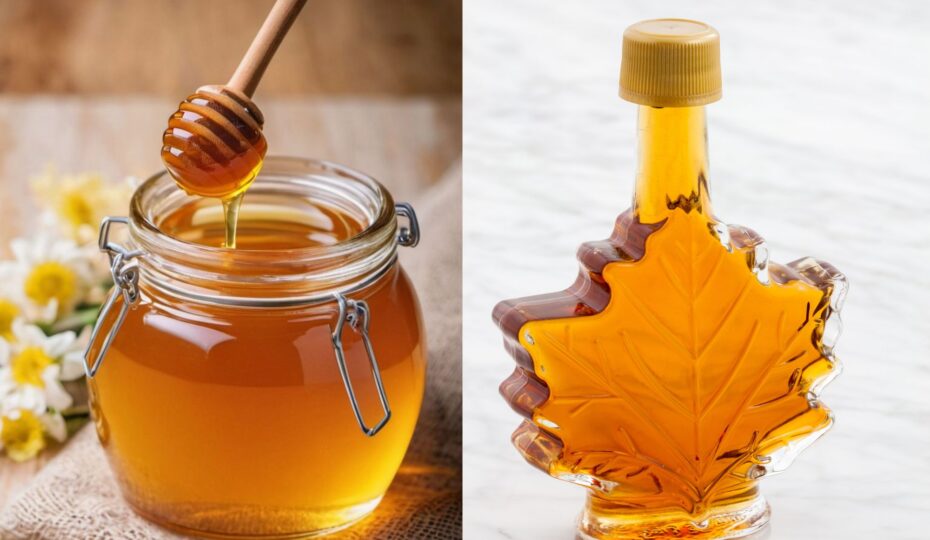
Honey vs maple syrup sweeteners are often grouped as natural sugar alternatives, but they behave very differently once they move into large-scale food and beverage production. For manufacturers, bakeries, beverage producers, and distributors, the choice between honey vs maple syrup sweeteners affects flavor consistency, cost control, processing behavior, storage, and long-term supply planning. Understanding how these sweeteners perform beyond the nutrition label helps production teams select ingredients that support stable formulations and predictable output.
At US Sweeteners, we supply bulk sweeteners to food manufacturers, distributors, and producers across the United States. Our inventory includes liquid sweeteners, specialty sugars, and natural sugar alternatives supported by nationwide logistics and multi-warehouse distribution. This allows production teams to source honey vs maple syrup sweeteners with consistent availability, standardized packaging, and dependable delivery for commercial use.
What Are Honey and Maple Syrup Sweeteners
Honey and maple syrup sweeteners are natural liquid sugars used in food and beverage production to add sweetness, flavor, and functional performance. While both are often grouped together as natural alternatives to refined sugar, they come from different sources and behave differently during processing, mixing, and heating. Understanding how honey and maple syrup sweeteners are produced and structured helps manufacturers choose the right option for specific formulations and production goals.
Honey As A Natural Sweetener
Honey is produced when bees collect nectar from flowering plants and convert it into a concentrated sugar solution. The final product is made up primarily of fructose and glucose, along with water and trace compounds that influence flavor, aroma, and color. Honey is not vegan and varies widely based on floral source, climate, and processing method, which can lead to differences in taste and texture between batches.
From a production standpoint, honey is valued for its strong sweetness, adhesive qualities, and ability to add depth to sauces, baked goods, and glazes. These same characteristics can also create challenges in standardization, especially when working with large batch sizes that require tight flavor control.
Maple Syrup As A Natural Sweetener
Maple syrup is produced by collecting sap from maple trees and boiling it to concentrate the natural sugars. Its primary sugar is sucrose, which breaks down into glucose and fructose during digestion. Maple syrup is vegan-friendly and typically offers a cleaner, more uniform sweetness profile compared to honey.
In food manufacturing, maple syrup is often chosen for its predictable flavor range and smoother handling during mixing and heating. Variations in maple syrup are categorized by grade rather than floral source, which allows producers to select sweetness intensity and flavor strength with more control.
Nutritional Differences Between Honey And Maple Syrup Sweeteners
Honey and maple syrup sweeteners differ in their sugar makeup, calorie levels, and mineral content, which can influence how they are discussed on labels and positioned in finished products. While both are considered added sugars, their nutritional profiles are not identical and may affect formulation decisions in certain applications. A clear comparison of these differences helps manufacturers understand how each sweetener contributes to sweetness, total sugar content, and product consistency.
Calories Sugars And Carbohydrates
Honey vs maple syrup sweeteners differ in sugar concentration and caloric density. One tablespoon of honey contains more total sugar and slightly more calories than the same serving of maple syrup. Honey’s sugar content is largely fructose, while maple syrup consists mostly of sucrose, which can influence sweetness perception and labeling decisions.
In scaled production, these differences affect sweetness intensity per unit and total sugar load across a batch. Manufacturers often adjust usage rates based on these differences to maintain consistent flavor without over-sweetening.
Minerals And Glycemic Index
Maple syrup generally contains higher levels of minerals such as potassium, calcium, manganese, and zinc. Honey contains smaller amounts of vitamins and antioxidants but fewer minerals overall. When comparing honey vs maple syrup sweeteners, maple syrup is often referenced as having a lower glycemic index, which can be relevant for product positioning even though both are added sugars.
From a formulation standpoint, these nutritional differences are usually secondary to performance, cost, and flavor stability. Both sweeteners are used in moderation within finished products and should be evaluated as functional ingredients rather than health supplements.
According to research, honey has been widely studied for its functional and metabolic effects when used as a food ingredient. The review found that honey intake is generally associated with more favorable outcomes when it replaces other sweeteners, particularly in relation to glucose response and metabolic markers. Researchers also noted that honey’s functional properties are linked to its natural sugar composition and phenolic compounds, which vary based on botanical and geographic origin and influence how honey performs in food applications.
Flavor Profiles And Sensory Impact In Product Formulation
Flavor plays a direct role in how sweeteners perform in finished products, especially at production scale. Honey and maple syrup sweeteners bring different taste profiles, aroma intensity, and sensory effects that influence consumer perception and product consistency. Understanding these flavor characteristics helps manufacturers select a sweetener that supports the intended taste, texture, and repeatability of their formulations.
Honey Flavor Characteristics
Honey offers a wide range of flavor profiles that can include floral, herbal, fruity, or earthy notes. These flavors depend on the nectar source and can vary between harvests. This variability adds character to products like sauces, snack coatings, and specialty baked goods, but it can complicate batch-to-batch consistency.
For manufacturers, this means honey often works best in products where slight flavor variation is acceptable or even desirable. When used in standardized consumer goods, additional quality controls may be needed to maintain uniform taste.
Maple Syrup Grades And Flavor Intensity
Maple syrup is graded by color and flavor strength, ranging from lighter, mild profiles to darker, more robust ones. Lighter grades deliver subtle sweetness, while darker grades provide stronger caramel and molasses-like notes. This grading system allows producers to select a consistent flavor profile aligned with specific product goals.
In honey vs maple syrup sweeteners comparisons, maple syrup is often preferred for applications that require repeatable flavor outcomes across production runs. The grading structure supports reliable sourcing and easier formulation scaling.
Functional Performance In Food And Beverage Manufacturing
Beyond sweetness, honey and maple syrup sweeteners affect texture, mixing, heating, and overall processing behavior. Their sugar composition and viscosity influence how they perform during production and how consistent the final product remains. Comparing functional performance helps manufacturers choose a sweetener that aligns with equipment capabilities and formulation requirements.
Sweetness And Sugar Composition
Fructose is sweeter than sucrose on a per-unit basis, which means honey can deliver higher perceived sweetness at lower volumes. Maple syrup’s sucrose-based sweetness is more balanced and predictable, which can simplify sweetness calibration during product development.
In commercial production, this difference affects ingredient ratios, sweetness curves, and overall cost per batch. Choosing between honey vs maple syrup sweeteners often comes down to whether intensity or control is the priority.
Viscosity Mixing And Heat Behavior
Honey is thicker and more viscous, with a tendency to crystallize over time. This can affect pumping, blending, and storage, especially in cooler environments. Maple syrup flows more consistently and remains stable under a wider range of temperatures, making it easier to handle in automated systems.
During heating, both sweeteners caramelize, but honey browns faster due to its sugar composition. Maple syrup offers steadier browning, which can help maintain visual consistency in baked and cooked products.
Application-Based Comparison For Manufacturers
Honey and maple syrup sweeteners perform differently depending on how they are used in finished products. Their impact on moisture, texture, and flavor varies across baked goods, beverages, sauces, and coatings. Reviewing applications side by side helps manufacturers match each sweetener to the production needs of specific product categories.
Bakery And Snack Production
In baked goods, honey contributes moisture retention and deeper browning, which can extend softness but may require adjustments to bake time. Maple syrup adds sweetness without as much moisture impact, supporting cleaner textures and lighter crumb structures.
For snack coatings and bars, honey’s stickiness improves adhesion, while maple syrup offers smoother coverage with less tack. The choice between honey vs maple syrup sweeteners depends on texture goals and shelf stability.
Beverages Sauces And Dressings
In beverages, maple syrup dissolves more evenly and maintains flavor clarity. Honey can introduce haze or sediment depending on processing and filtration. For sauces and dressings, honey provides thickness and cling, while maple syrup supports pourable consistency and balanced sweetness.
Manufacturers often select sweeteners based on how they interact with acids, fats, and emulsifiers rather than sweetness alone.
Shelf Life Storage And Food Safety
Shelf life and storage conditions affect how honey and maple syrup sweeteners are handled in production and distribution. Differences in moisture content and stability influence storage requirements and quality control practices. Understanding these factors helps manufacturers manage inventory while maintaining product safety and consistency.
Honey Storage And Stability
Honey has a long shelf life and resists microbial growth due to its low water activity. Crystallization can occur over time, but this does not indicate spoilage. In production environments, controlled storage temperatures help manage consistency and flow.
Proper handling practices allow honey to remain stable for extended periods, making it suitable for long production cycles when managed correctly.
Maple Syrup Storage And Handling
Maple syrup contains more water than honey, which makes it more susceptible to microbial growth once opened. Commercial storage often requires refrigeration or controlled environments to maintain quality. Packaging integrity plays a key role in preventing contamination.
In honey vs maple syrup sweeteners decisions, maple syrup may require more structured storage planning but offers easier handling during processing.
Cost Supply Chain And Procurement Factors
Cost control and ingredient availability play a central role in production planning. Honey and maple syrup sweeteners differ in price stability, seasonal supply, and sourcing reliability, which can affect long-term procurement decisions. Reviewing these supply chain factors helps manufacturers select sweeteners that support consistent production and predictable costs.
Price Stability And Availability
Honey pricing can fluctuate based on harvest conditions, environmental factors, and regional supply. Maple syrup is also seasonal but benefits from established grading systems that support predictable sourcing.
For manufacturers, cost stability often matters more than raw ingredient price. Reliable availability supports consistent production schedules and contract fulfillment.
Bulk Packaging And Logistics
Both honey and maple syrup are commonly supplied in drums, pails, and totes for commercial use. Logistics efficiency, warehouse access, and lead times influence procurement decisions as much as ingredient choice.
Working with a supplier that maintains inventory across multiple locations helps reduce disruptions and simplifies national distribution.
Choosing Between Honey and Maple Syrup Sweeteners For Production
Honey fits well in products that rely on bold sweetness, natural adhesion, and layered flavor. It is commonly used in snack coatings, glazes, and traditional baked goods where moisture retention and deeper browning support texture and appearance. Honey’s complex flavor profile can enhance finished products, but its natural variability may require tighter controls to maintain consistency in large production runs.
Maple syrup is often selected for vegan formulations, beverages, and products that require clean sweetness and predictable performance. Its consistent flow, graded flavor system, and balanced sugar composition support repeatable results across high-volume production. For manufacturers focused on scalability, flavor uniformity, and easier processing, maple syrup can simplify formulation and operational planning.
If you are looking for a reliable source of maple syrup for commercial production, we offer bulk maple syrup designed for food manufacturers, bakeries, and beverage producers. Our bulk maple syrup options support consistent flavor, controlled sweetness, and scalable use across a wide range of applications. With nationwide logistics and multiple warehouse locations, we help production teams maintain steady supply, standardized packaging, and dependable delivery for ongoing manufacturing needs.
Conclusion
Honey vs maple syrup sweeteners are both viable ingredients for commercial food production, but they serve different roles. The right choice depends on formulation goals, processing requirements, storage capabilities, and supply consistency rather than perceived health benefits. Production teams benefit from matching sweetener characteristics to real-world manufacturing needs instead of general comparisons.
At US Sweeteners, we support manufacturers and distributors with bulk sweeteners, custom packaging, and nationwide logistics designed for production-scale sourcing. Our team works with food producers across the U.S. to supply honey vs maple syrup sweeteners that align with formulation demands and operational planning. To learn more about sourcing options, contact us to discuss bulk sweetener supply, packaging formats, and delivery support for your operation.
FAQs
Which is better for food manufacturing, honey or maple syrup?
Maple syrup is often easier to manage in large-scale production due to its consistent flavor and flow. Honey works well when strong sweetness and adhesion are needed.
Does honey or maple syrup handle heat better?
Maple syrup provides steadier browning during heating. Honey browns faster and can darken products more quickly.
Is maple syrup vegan, while honey is not?
Yes, maple syrup is plant-based and suitable for vegan products. Honey is produced by bees and is not considered vegan.
Can honey and maple syrup be swapped one-to-one in production?
They can be substituted by volume in some cases, but adjustments are often needed for sweetness, moisture, and texture control.