Monk fruit sweetener syrup is a liquid sweetening ingredient used by food manufacturers to reduce or replace sugar while maintaining sweetness in finished products. It delivers high sweetness intensity with zero calories and no direct contribution from fructose or glucose, making it suitable for reduced sugar and no added sugar formulations. In syrup form, monk fruit sweetener blends smoothly into liquid systems and supports precise dosing in commercial production.
At US Sweeteners, we supply bulk sweeteners and liquid ingredients to food manufacturers, distributors, and processors across the United States. Our focus is reliable inventory, scalable packaging, and nationwide logistics that support consistent production. Monk fruit sweetener syrup is part of a broader ingredient offering designed for food manufacturing environments that require accuracy, stability, and dependable supply.
What Is Monk Fruit Sweetener Syrup
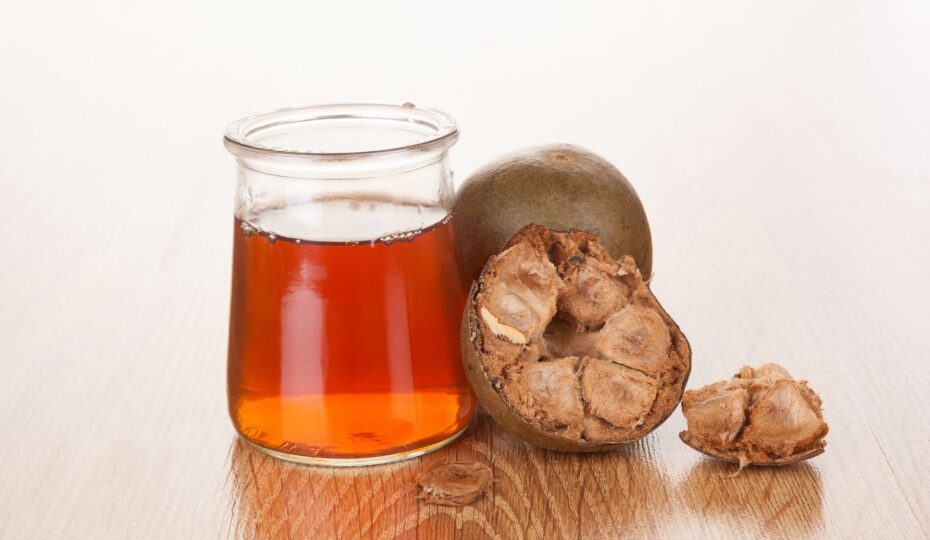
Monk fruit, also called luo han guo, is a small fruit traditionally grown in Southeast Asia. The sweetness of monk fruit does not come from naturally occurring sugars. Instead, it comes from compounds known as mogrosides. Mogrosides are glycosides that provide sweetness without contributing calories or carbohydrates.
In monk fruit sweetener syrup, mogrosides are concentrated into a liquid format that allows consistent sweetness delivery. Because mogrosides are significantly sweeter than sugar, only small amounts of the syrup are needed in food manufacturing. This makes monk fruit sweetener syrup a high-intensity ingredient rather than a bulk sweetener.
How Monk Fruit Sweetener Syrup Is Produced
Production begins with harvesting ripe monk fruit and removing the skin and seeds. The fruit is crushed to extract juice, which is filtered to remove solids. Mogrosides are then separated and concentrated before being blended into a liquid syrup base designed for food use.
The syrup format allows easier handling in liquid food systems compared to powdered sweeteners. It integrates efficiently during mixing and batching, which supports consistency across production runs.
Monk Fruit Sweetener Syrup Vs Traditional Sugar Syrups
Monk fruit sweetener syrup and traditional sugar syrups serve different roles in food manufacturing. Understanding how they differ in sweetness intensity, calorie content, and functional performance helps manufacturers choose the right option for their formulations.
Sweetness Intensity And Usage Ratios
Monk fruit sweetener syrup is estimated to be 100 to 250 times sweeter than traditional sugar. Because of this intensity, it is not used as a direct one-to-one replacement for sugar syrup. Even small measurement differences can lead to noticeable changes in sweetness.
Manufacturers rely on precise metering and formulation controls when using monk fruit sweetener syrup. It is often combined with other ingredients to help manage sweetness levels and achieve the desired flavor profile.
Caloric And Glycemic Differences
Traditional sugar syrups contribute calories and carbohydrates and can raise blood sugar levels. Monk fruit sweetener syrup contains zero calories and does not add fructose or glucose to formulations. This allows manufacturers to maintain sweetness while reducing total sugar content.
For food producers focused on sugar reduction, monk fruit sweetener syrup supports label goals without adding caloric load. This makes it useful in beverages, sauces, and dairy products where sugar content is closely monitored.
Functional Benefits In Food Manufacturing
Functional benefits in food manufacturing relate to how an ingredient performs during production and in the finished product. Monk fruit sweetener syrup offers specific advantages for sugar reduction, stability, and formulation control in commercial food systems.
According to research, monk fruit sweeteners are classified as no-calorie sweeteners and are used to reduce added sugar while maintaining sweetness in foods and beverages. The research explains that monk fruit sweeteners derive their sweetness from mogrosides, which are not absorbed in the upper digestive tract and do not contribute calories. It also confirms that monk fruit sweeteners are stable during food processing and suitable for use in beverages, dairy products, baked goods, and condiments, while recognizing that sugar replacement may affect texture and volume depending on the formulation.
Sugar Reduction Without Flavor Compromise
Monk fruit sweetener syrup allows manufacturers to reduce sugar while maintaining sweetness. Its liquid form helps distribute sweetness evenly throughout formulations, which is important for consistency in beverages and syrups.
When used at controlled levels or in blends, monk fruit sweetener syrup delivers a clean sweetness profile. This helps preserve overall flavor balance without overwhelming other ingredients.
Stability In Liquid Systems
Monk fruit sweetener syrup performs well across a range of liquid food systems. It remains stable during cold-fill and hot-fill processes and functions across common pH ranges found in beverages and sauces.
The syrup format also supports predictable shelf performance when stored and handled properly. This stability helps manufacturers maintain consistent taste and quality from batch to batch.
Clean Label Positioning
Monk fruit sweetener syrup supports clean label positioning when used appropriately. It allows manufacturers to sweeten products without adding artificial sweeteners or high-calorie sugars.
For reduced sugar or no added sugar products, monk fruit sweetener syrup offers flexibility while keeping ingredient lists straightforward.
Common Food Manufacturing Applications
Monk fruit sweetener syrup is used across a range of food manufacturing categories where controlled sweetness is needed without added sugar. Its liquid format makes it suitable for products that require consistent sweetness and easy integration during production.
Beverages And Drink Concentrates
Monk fruit sweetener syrup is widely used in beverages such as teas, flavored waters, and drink concentrates. Its liquid format integrates easily into large-scale mixing systems and supports consistent sweetness across production volumes.
In beverage formulations, monk fruit sweetener syrup is often paired with other sweeteners to refine taste and mouthfeel while limiting sugar content.
Sauces And Condiments
In sauces and condiments, monk fruit sweetener syrup provides controlled sweetness without contributing bulk sugar. It blends smoothly into viscous products and supports balanced flavor profiles.
Manufacturers use it in reduced sugar sauces where sweetness is needed but total sugar levels must remain low.
Dairy And Frozen Products
Monk fruit sweetener syrup is used in yogurt, flavored dairy drinks, and frozen desserts. It delivers sweetness without increasing carbohydrate levels and performs well in cold-processing environments.
In frozen applications, it supports sweetness control without affecting freezing behavior when used at appropriate levels.
Baked Goods And Specialty Foods
In baked goods, monk fruit sweetener syrup is typically used in combination with other sweeteners. Because it does not provide bulk or browning, it works best as part of a blended system.
Specialty foods with precise sweetness requirements often use monk fruit sweetener syrup to fine-tune flavor while keeping sugar levels low.
Why Monk Fruit Sweetener Syrup Is Used In Blends
Monk fruit sweetener syrup is often combined with other sweeteners to achieve balanced sweetness and proper functionality in finished products. Blended systems help manufacturers manage sweetness intensity, texture, and overall flavor consistency.
Blending With Other Sweeteners
Monk fruit sweetener syrup is rarely used alone in commercial food production. Its sweetness intensity means it does not replace sugar’s functional properties such as bulk or texture. Manufacturers often blend it with ingredients like erythritol or other bulk sweeteners.
Blended systems allow monk fruit sweetener syrup to deliver sweetness while other ingredients handle texture and mouthfeel. This approach supports more balanced formulations.
Managing Sweetness Profile
Some formulations can produce a lingering sweetness if monk fruit sweetener syrup is used on its own. Blending helps smooth the sweetness curve and reduce aftertaste.
Careful formulation allows manufacturers to achieve sugar-like sweetness while maintaining consistency and control.
Safety And Regulatory Status
Safety and regulatory status play a direct role in ingredient selection for commercial food production. Monk fruit sweetener syrup is used within established food safety frameworks that support consistent and compliant manufacturing.
FDA GRAS Recognition
Monk fruit sweetener syrup is recognized as Generally Recognized As Safe for use in food products in the United States. This supports its use across a wide range of commercial food applications.
Manufacturers rely on standardized mogroside content to maintain predictable sweetness and regulatory compliance.
Quality And Consistency
Consistency is critical when sourcing monk fruit sweetener syrup. Variations in mogroside concentration can affect sweetness and finished product quality.
Reliable suppliers provide consistent specifications, documentation, and quality controls to support manufacturing needs.
Monk Fruit Sweetener Syrup Compared To Other Sweeteners
Monk fruit sweetener syrup differs from traditional sugar syrups and other alternative sweeteners in function. It provides sweetness without calories but does not offer bulk or texture. Sugar syrups deliver sweetness and bulk but increase calorie and carbohydrate content.
Compared to other high-intensity sweeteners, monk fruit sweetener syrup offers a neutral sweetness profile when blended correctly. Its role in food manufacturing is focused on sweetness delivery rather than full sugar replacement.
Sourcing Monk Fruit Sweetener Syrup At Scale
Safety and regulatory status guide how monk fruit sweetener syrup is used in commercial food production. It is recognized for use in food products in the United States and supports consistent, compliant manufacturing when sourced and applied according to specification.
If you are looking for bulk monk fruit sweetener to support commercial production, we offer reliable supply options designed for food manufacturing and distribution. Our bulk monk fruit sweetener solutions support consistent formulation, scalable volumes, and packaging formats suited for production environments. We offer dependable inventory and nationwide logistics to help manufacturers maintain steady ingredient flow without disruptions.
Is Monk Fruit Sweetener Syrup Right For Your Product
Monk fruit sweetener syrup works well in products that need sweetness without added sugar or calories. It is effective in beverages, sauces, dairy products, and reduced sugar formulations.
Products that rely on sugar for structure or browning often require blended systems. Testing and formulation support help determine the best application.
Conclusion
Monk fruit sweetener syrup is a practical ingredient for food manufacturers focused on sugar reduction and clean label goals. Its high sweetness intensity, liquid format, and stability in food systems support consistent performance across many applications. When used correctly and often as part of a blend, it allows manufacturers to control sweetness without adding sugar or calories.
US Sweeteners supplies monk fruit sweetener syrup as part of a broad bulk sweetener portfolio for manufacturers and distributors across the United States. We support food production with dependable inventory, scalable packaging, and nationwide logistics. Contact us to discuss sourcing options, bulk formats, and ingredient support aligned with your production needs.
FAQs
What is monk fruit sweetener syrup used for in food manufacturing?
Monk fruit sweetener syrup is used to add sweetness to foods and beverages without adding sugar or calories. It is commonly used in drinks, sauces, dairy products, and reduced sugar formulations.
Is monk fruit sweetener syrup safe for commercial food products?
Yes. Monk fruit sweetener syrup is recognized as Generally Recognized As Safe for use in food products in the United States when used according to formulation guidelines.
Can monk fruit sweetener syrup replace sugar completely?
No. Monk fruit sweetener syrup provides sweetness but does not replace sugar’s bulk or texture. Most manufacturers use it as part of a blended sweetener system.
Does monk fruit sweetener syrup affect blood sugar?
Monk fruit sweetener syrup does not contain glucose or fructose and does not raise blood sugar levels when used in food products.

Thomas is a product expert at US Sweeteners, a trusted bulk sugar and sweetener distributor serving food and beverage manufacturers across the USA. He writes about sweetener sourcing, ingredient trends, and supply chain insights for the food industry.