Flavoring water without artificial sweeteners is a way to add taste to water without using ingredients like aspartame or relying on added sugar. Instead of turning water into a soda-style drink, this approach focuses on light flavor, balance, and drinkability. Many people use flavored water to support hydration, replace sugary sodas, and make drinking water easier throughout the day without adding unnecessary additives or extra calories.
This type of water flavoring works by combining natural flavor sources, acids, and aroma compounds that change how water tastes without changing what it is. The result is still water, just with a mild flavor boost that helps people drink more water and stay consistent with their hydration routine.
At US Sweeteners, we supply food-grade ingredients used by beverage brands, manufacturers, and distributors across the United States. Our focus is on reliable access to bulk sweeteners, acids, and functional ingredients that support clean-label water flavoring, flavored water drops, and flavor packets produced at scale. With nationwide logistics and multi-site warehouses, we help brands maintain consistent supply and predictable formulation results.
What Flavoring for Water Without Artificial Sweeteners Means
Flavoring for water without artificial sweeteners means adding taste to drinking water without ingredients like aspartame or sucralose. These products avoid artificial ingredients while still delivering flavor through natural water flavoring systems, fruit-based notes, and acids. The goal is not sweetness first, but balance that makes plain water easier to drink.
Unlike soda or juice, this type of flavored water does not rely on sugar to carry flavor. It often delivers zero sugar or very low sugar levels, zero calories, and simple ingredient lists. This difference matters for people who want hydration without turning water into another sugary drink.
Why People Use Water Flavoring Instead of Plain Water
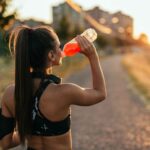
Plain water meets hydration needs, but many people struggle to drink enough of it across a full day. Flavor changes the experience without changing the purpose of the drink. A light lemon lime note or citrus hint can make a glass of water easier to finish, which supports daily water intake goals like drinking eight ounces at a time.
Replacing sugary sodas with flavored water also reduces sugar intake without removing enjoyment. Unlike soda, flavored water made without artificial sweeteners avoids heavy sweetness, dyes, and unnecessary additives. This makes it easier for people to hydrate consistently at work, during exercise, or while traveling.
How Flavor Works Without Artificial Sweeteners
Most flavor comes from aroma and acid balance, not sugar. Natural flavor compounds interact with smell and taste receptors, shaping how the body perceives flavor even when sweetness is low or absent. Citrus notes such as lemon, orange, and grapefruit are common because they deliver a clean taste without needing sugar.
According to research, non-nutritive artificial sweeteners are widely used in the food and beverage industry as sugar substitutes because they provide sweetness with little or no calories compared with sucrose. The study explains that these sweeteners are often hundreds of times sweeter than sugar, which allows manufacturers to use very small amounts while maintaining sweetness levels in beverages. It also notes that commercial beverage formulations frequently combine multiple sweeteners in blends to balance flavor and reduce unwanted bitterness or metallic aftertaste.
Citric acid plays a central role in this process. It adds brightness and structure to water flavoring, helping fruit flavors stand out without added sugar. When paired with natural flavor systems, citric acid creates a clear flavor boost while keeping calories and sweetness low.
Sweetness Without Sugar or Artificial Sweeteners
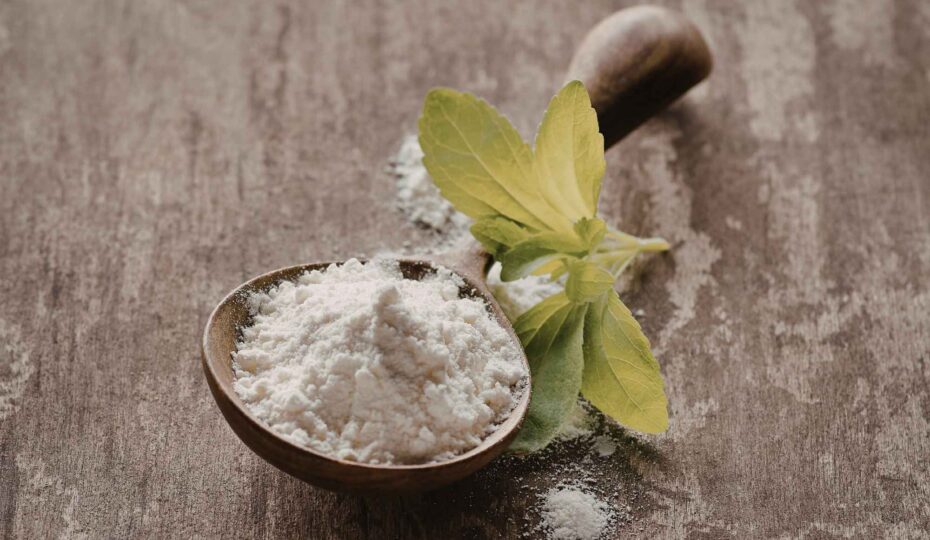
Sweetness perception does not always require sugar. Small amounts of stevia are sometimes used to add balance, not to create soda-level sweetness. When used correctly, stevia supports flavor without overpowering the drink or adding calories.
This approach differs from artificial sweeteners, which are many times sweeter than sugar and can change taste expectations. Flavoring water without artificial sweeteners focuses on mild sweetness and drinkability, unlike soda or energy drinks that aim for strong sweetness.
Common Types of Water Flavoring Products
Flavored water drops are liquid concentrates added by the drop to a glass or bottle. They allow flexible dosing, letting users add a bit of flavor at a time. Drops mix quickly and often require no stirring, which makes them easy for daily use.
Flavor packets and stick packets use powdered mixes that dissolve in water. These packets are common for travel, offices, and exercise routines. Powdered mixes may need stirring, but they offer consistency and controlled portion sizes that many people prefer.
What Is Inside Natural Water Flavoring
Natural water flavoring often starts with citrus-based acids such as citric acid. These acids create a clean, sharp taste that works well in water. Citrus profiles like lemon lime, orange, and grapefruit are common because they pair well with water and feel light.
Flavor systems may include natural flavor extracts from fruit, vegetables, or herbs. Some products include vitamin C or other vitamins to support label appeal, while others add electrolytes for use during exercise. Many are gluten-free, kosher, and sometimes organic, depending on formulation goals.
What These Products Leave Out
Flavoring for water without artificial sweeteners avoids aspartame and other artificial sweeteners. It also limits artificial ingredients, dyes, and heavy additives that can make water feel like soda. This focus keeps ingredient lists short and easier to read.
Many products also avoid juice concentrates to keep sugar and calories low. While real fruit flavors may be present, they are often used in trace amounts for taste rather than nutrition. This difference helps maintain zero calories or very low-calorie profiles.
How to Read Labels on Flavored Water Products
Start by checking for artificial sweeteners and added sugar. Labels that state zero sugar or no added sugar help set expectations, but it is still useful to review the ingredient list for clarity. Avoid products that rely heavily on additives or artificial ingredients.
Next, check calorie content and functional additions. Zero calories is common, but some products include small amounts of calories due to vitamin or electrolyte content. Packaging details, such as packets or drops, also affect how the product fits into a hydration routine.
How Brands Formulate Clean Water Flavoring
Brands balance sweetness, acidity, and aroma to create flavor without sugar. Citric acid provides structure, while natural flavor systems deliver fruit-forward taste. Stevia, when used, is added in small amounts to round out flavor rather than dominate it.
Stability also matters. Powder mixes must dissolve cleanly without residue, while drops must stay consistent in different temperatures. Packaging protects flavor integrity and allows controlled use across bottles, glasses, and large-volume containers.
How to Use Water Flavoring in Daily Routines
Using water flavoring is simple. Add drops or a packet to a bottle or glass of regular water, stir if needed, and adjust to taste. Starting with less flavor helps prevent overuse and keeps the drink balanced.
Keeping packets at a desk, in a bag, or near exercise gear supports consistent hydration. Alternating flavored water and plain water can help people hydrate without relying on strong flavor every time.
Simple DIY Alternatives to Water Flavoring
Some people prefer adding flavor directly from nature. Citrus slices like lemon, orange, and grapefruit can add a mild hint of flavor to water. Cucumber and herbs such as mint are also common options.
DIY infusions usually need time to steep and may vary in taste. Unlike packaged water enhancers, they offer less consistency but avoid additives altogether. These options work well for home use but are less practical for travel or daily work routines.
At US Sweeteners, we offer bulk ingredient supply designed specifically for beverage brands and manufacturers producing flavored water, drink mixes, hydration beverages, and other liquid products. If you are looking for reliable ingredient sourcing and large-scale supply support, explore our Sweeteners for Beverage Manufacturing solutions. Our team provides bulk sweeteners, acids, and beverage ingredients backed by nationwide logistics and multi-warehouse distribution to help beverage companies maintain stable formulations and consistent production.
Flavored Water and Hydration
Flavored water hydrates the body because it is still water. The presence of natural flavor, acids, or vitamins does not change the hydration function. For people who drink more water when it has flavor, flavored water can support better hydration habits.
During exercise, some products include added electrolytes to replace minerals lost through sweat. These products still rely on water as the base and should not be confused with soda or sugary sports drinks.
Conclusion
Flavoring for water without artificial sweeteners works by changing how water tastes without changing what it is. Through natural flavor systems, citrus acids, and careful balance, water gains taste without sugar, artificial sweeteners, or unnecessary additives. This approach supports hydration, reduces reliance on soda, and helps people simply meet daily water intake goals.
At US Sweeteners, we support beverage brands and manufacturers with bulk ingredients used in clean-label water flavoring and flavored water products. Our nationwide logistics, multi-warehouse distribution, and consistent inventory help teams source citric acid, sweeteners, and functional ingredients with confidence. If your business is developing or scaling water flavoring products, contact us to discuss ingredient supply and distribution support.
FAQs
Is flavored water without artificial sweeteners still hydrating?
Yes. Flavored water without artificial sweeteners hydrates the body the same way plain water does because the base is still water.
Does flavoring water without artificial sweeteners contain sugar?
Most products contain zero sugar or no added sugar. Some may include trace amounts depending on formulation, but calories are usually very low or zero.
What ingredients replace artificial sweeteners in water flavoring?
Natural flavor systems, citric acid, fruit flavors, and sometimes stevia replace artificial sweeteners. These ingredients focus on taste rather than strong sweetness.
Can I drink flavored water every day?
Yes. Many people drink flavored water daily as part of a hydration routine, especially when it helps them drink more water and avoid sugary sodas.