
Does Coconut Sugar Taste Like Coconut?
Last updated: April 28, 2026
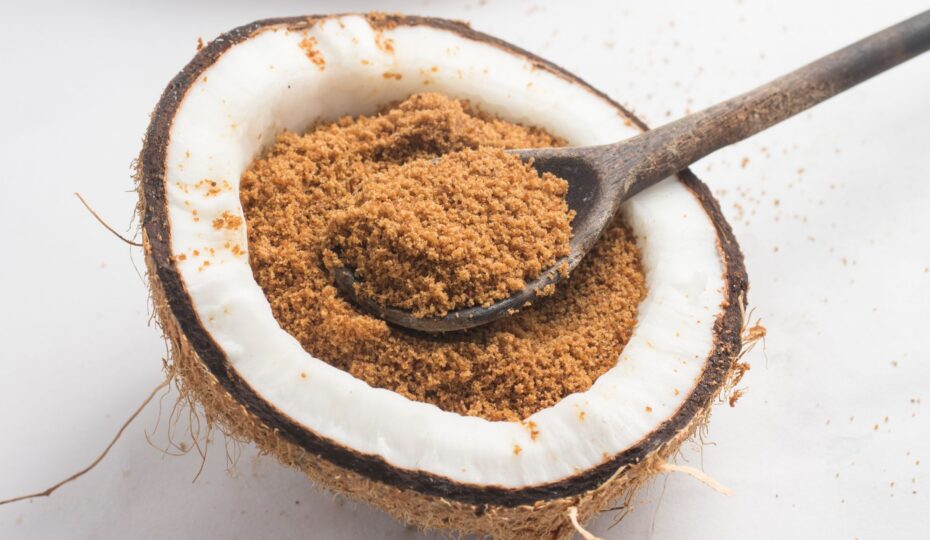
If you have ever looked at coconut sugar or coconut palm sugar as an alternative to regular table sugar, you might expect it to have a tropical coconut flavor, but it actually has a warm, caramel-like taste with mild notes of toffee, butterscotch, and brown sugar, making it a versatile option for baking, beverages, sauces, and other recipes where a deeper, more rounded sweetness is preferred.
For manufacturers and commercial bakeries, this allows coconut sugar to add flavor depth without introducing competing notes, making it suitable for cookies, muffins, snack cakes, granola, and other bakery products.
The Real Taste of Coconut Sugar
Coconut sugar tastes closer to caramel or light brown sugar than coconut. It has a rounded sweetness with subtle earthy notes and a mild molasses-like finish.
Its flavor comes from minimal processing and natural caramelization. Unlike refined white sugar, coconut sugar retains more of its original compounds during evaporation, which gives it a deeper taste.
Here is a simple breakdown of coconut sugar’s flavor profile:
Primary Flavor Notes:
- Rich caramel undertones
- Warm toffee flavor
- Subtle butterscotch hints
- Mild earthy sweetness
Secondary Characteristics:
- Light molasses-like finish
- Gentle roasted notes
- Subtle mineral undertones
- Clean natural sweetness
In bakery formulation, this profile provides additional flavor depth without introducing molasses solids, allowing developers to enhance sweetness complexity while maintaining a cleaner label compared to traditional brown sugar systems.
Understanding How Coconut Sugar Is Made
Coconut sugar tastes nothing like coconut because it is not made from coconut meat. It comes from the sap of coconut palm flower buds.
Farmers collect the sap by cutting the flower buds and allowing the liquid to drip out slowly. This sap is different from coconut water and does not carry the same tropical coconut flavor.
During processing, the sap is filtered, heated, evaporated, and crystallized into granules. The heating process creates natural caramelization, which is why coconut sugar tastes more like caramel or toffee than coconut.
Collection Phase:
- Sap is collected from coconut palm flowers
- Each tree may produce sap regularly over many years
- Fresh sap has a light sweetness before processing
Processing Steps:
- Filtering removes natural debris
- Heating begins caramelization
- Evaporation concentrates the sugars
- Crystallization forms coconut sugar granules
For food manufacturers, the absence of coconut flavor makes coconut sugar more versatile across bakery applications, including cookies, muffins, snack bars, granola, sauces, and specialty organic products.
Coconut Sugar Taste Comparison
To better understand how coconut sugar performs, it helps to compare it with other common sweeteners. While many share similar sweetness levels, the flavor profile and behavior in recipes can vary significantly.
| Sweetener | Flavor | Color | Sweetness Level | Best Uses |
| Coconut sugar | Caramel, toffee, mild earthy notes | Golden brown | Moderate | Baking, beverages, and sauces |
| Brown sugar | Molasses, caramel | Light to dark brown | High | Baking, glazes, and sauces |
| White sugar | Clean, neutral sweetness | White | High | General use |
| Raw honey | Floral, complex | Golden | Very high | Beverages, drizzling |
Coconut sugar stands out because it delivers deeper sweetness without added molasses, unlike brown sugar. This gives it a more subtle and balanced flavor in recipes. White sugar, on the other hand, provides sweetness without adding flavor. This makes it useful when a clean taste is needed, but it does not contribute the same depth. Honey offers a stronger, more distinct flavor and higher sweetness, which can change the taste and texture of recipes more noticeably.
From a formulation standpoint, these differences influence sweetness intensity, flavor contribution, and product positioning. Coconut sugar is often selected when moderate sweetness and controlled flavor development are needed without introducing strong molasses notes.
Is Coconut Sugar a Good Substitute for Regular Sugar?
Coconut sugar can usually replace white sugar or brown sugar at a 1:1 ratio in many recipes. It works especially well in baked goods, sauces, beverages, and recipes where a slightly deeper sweetness is welcome.
However, coconut sugar is drier than brown sugar. Some recipes may need a small liquid adjustment, especially in cakes, cookies, and softer baked goods.
For manufacturers, organic coconut sugar can support bakery reformulation when a product needs a less refined, clean-label sweetener. In commercial baking, it may help create warmer flavor, deeper color, and better product positioning without requiring artificial flavor changes.
Does Coconut Sugar Change the Flavor of Recipes?
Yes, coconut sugar can change the flavor of recipes, but not by adding a coconut taste. It contributes a deeper, lightly roasted sweetness and a slightly richer finish.
This works well in:
- Cookies
- Muffins
- Cakes
- Granola
- Coffee and tea
- Sauces and marinades
- Breakfast foods
In bakery formulation, this subtle flavor shift can improve perceived richness while keeping the product familiar to consumers, especially in cookies, muffins, granola, and snack cakes.
Culinary and Commercial Applications
Coconut sugar’s balanced, lightly roasted sweetness makes it useful in both home kitchens and commercial food production.
It pairs well with:
- Coffee and tea
- Baked goods
- Oatmeal and granola
- Chocolate products
- Savory sauces
- Asian-inspired marinades
- Snack bars and better-for-you products
For commercial bakeries, coconut sugar may work well in cookies, muffins, snack cakes, granola, and specialty baked goods. It can support organic, natural, or premium product positioning while keeping the flavor profile familiar.
Pro Tips for Cooking and Baking with Coconut Sugar
Coconut sugar is easy to use, but a few adjustments can improve results.
- Moisture: Coconut sugar is drier than brown sugar, so softer baked goods may need slightly more liquid.
- Temperature: Coconut sugar can brown faster than white sugar, so baked goods should be watched closely.
- Storage: Keep coconut sugar in an airtight container to reduce clumping.
- Measurement: Use a 1:1 ratio when substituting for white or brown sugar in most recipes.
At scale, moisture control and storage conditions matter even more. Beyond handling and storage, coconut sugar also behaves differently during baking and thermal processing.
Functional Behavior in Baking Systems
Coconut sugar behaves differently from refined sucrose in baking systems due to its residual minerals and natural composition. It tends to brown earlier during baking, contributes to a slightly denser crumb structure, and may require small hydration adjustments in softer baked goods. It can also influence surface browning and moisture distribution, which may affect texture uniformity and shelf stability in finished products. In commercial production, these differences can affect texture, color development, and batch consistency, making formulation testing important when scaling.
Quality Factors That Affect Coconut Sugar Taste
According to a study, coconut sugar is gaining attention as a natural alternative sweetener due to its lower glycemic index and increasing demand for minimally processed ingredients in the food industry. This growing demand is closely tied to consumer preference for natural and organic product formulations.
Not all coconut sugar tastes exactly the same. Flavor can vary depending on production methods, harvesting conditions, and storage.
Production Factors:
- Traditional or industrial processing
- Heating temperature
- Evaporation time
- Crystallization method
- Harvesting practices
Environmental Factors:
- Soil conditions
- Climate
- Harvesting season
- Tree age and health
Storage Factors:
- Temperature stability
- Humidity control
- Container quality
- Shelf life management
For manufacturers and bulk buyers, these quality factors can affect batch-to-batch consistency. A reliable supply is important when coconut sugar plays a role in flavor, color, texture, or product positioning.
What Bulk Buyers Should Consider When Sourcing Coconut Sugar
For commercial use, coconut sugar should be evaluated beyond taste. While flavor is important, consistency and performance in production often matter more for long-term use.
For manufacturers, even small variations in an ingredient can affect texture, color, and overall product quality across batches.
When sourcing coconut sugar at scale, key factors to consider include:
- Flavor consistency: Coconut sugar should maintain a stable caramel-like taste across shipments. Variations in processing or sourcing can lead to noticeable differences in finished products.
- Color uniformity: Consistent color helps ensure a predictable appearance in baked goods, sauces, and beverages. Darker or uneven batches may affect product presentation.
- Granulation and texture: The size and uniformity of granules influence mixing, dissolving, and overall processing efficiency. Fine or consistent granules are often preferred in commercial baking.
- Moisture content: Coconut sugar is naturally drier than brown sugar, but excess moisture can lead to clumping or handling issues. Proper moisture control supports better storage and usability.
- Supply reliability: A steady and dependable supply is important for production planning. Inconsistent availability can disrupt operations and product consistency.
- Documentation and specifications: Clear product specifications, including moisture levels, particle size, and sourcing details, help manufacturers maintain quality standards and meet internal requirements.
At scale, these factors directly affect texture consistency, color stability, and processing performance. Choosing a supplier that can meet these standards helps reduce variability and supports smoother production.
Buying Guide
When buying coconut sugar, choose a product that has a clean aroma, consistent color, and proper granulation. High-quality coconut sugar should smell mildly sweet and caramel-like, not sour, burnt, or overly smoky.
Quality Indicators:
- Uniform brown color
- Even granule size
- Clean caramel aroma
- Proper packaging
- Reputable supplier
Storage Tips:
- Store in an airtight container
- Keep in a cool, dry place
- Avoid direct sunlight
- Protect from moisture
- Check for clumping before use
If you are evaluating coconut sugar for production, it helps to work with a supplier that can provide consistent quality, reliable specs, and support based on your application.
Conclusion
Coconut sugar does not taste like coconut. It has a mild caramel-like flavor with notes of toffee, butterscotch, and brown sugar. For home use, it works well in baked goods, drinks, sauces, and recipes that benefit from deeper sweetness. For food manufacturers and bakeries, coconut sugar can also serve as a practical ingredient when a more natural, less refined sweetness is needed.
At US Sweeteners, our coconut sugar is designed to support commercial baking and food production with consistent flavor, controlled granulation, and reliable supply for scalable manufacturing. Contact us today to discuss your formulation needs, request specifications, or evaluate coconut sugar for your next product.
FAQs
Does coconut sugar taste like coconut?
No, coconut sugar does not taste like coconut. It has a mild caramel-like flavor with notes of toffee and brown sugar because it is made from coconut palm sap, not coconut meat.
What does coconut sugar taste like?
Coconut sugar tastes like caramel or light brown sugar. It has a warm, slightly earthy sweetness with subtle toffee and molasses-like notes.
Does coconut sugar taste like brown sugar?
Yes, coconut sugar tastes similar to brown sugar but is usually less sweet and slightly more earthy. Brown sugar has a stronger molasses flavor, while coconut sugar is milder and more balanced.
Does coconut sugar change the taste of baking?
Yes, coconut sugar can slightly change the taste by adding a deeper caramel flavor. It does not add coconut flavor, but it can make baked goods taste richer.
Can coconut sugar be used as a 1:1 sugar substitute?
Yes, coconut sugar can usually replace white or brown sugar at a 1:1 ratio, though some recipes may need slight moisture adjustments.

Thomas is a product expert at US Sweeteners, a trusted bulk sugar and sweetener distributor serving food and beverage manufacturers across the USA. He writes about sweetener sourcing, ingredient trends, and supply chain insights for the food industry.