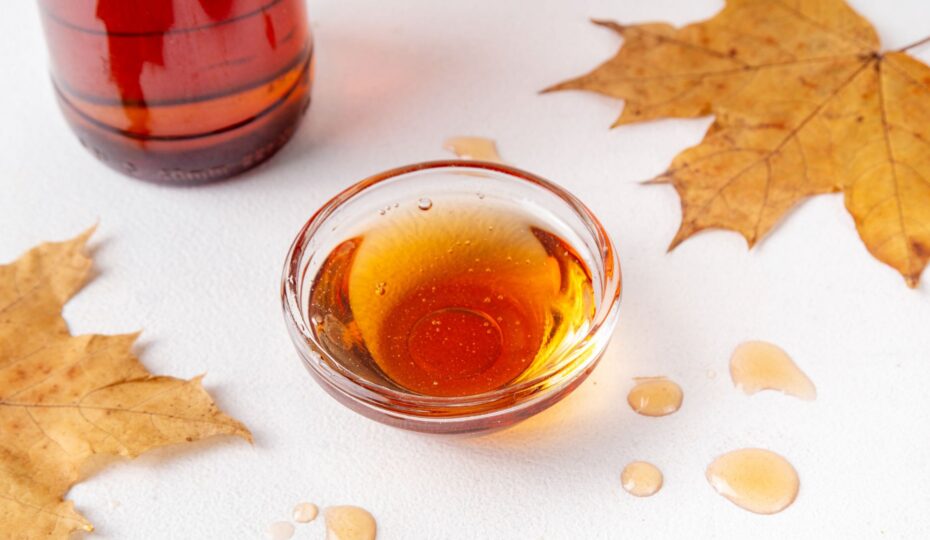
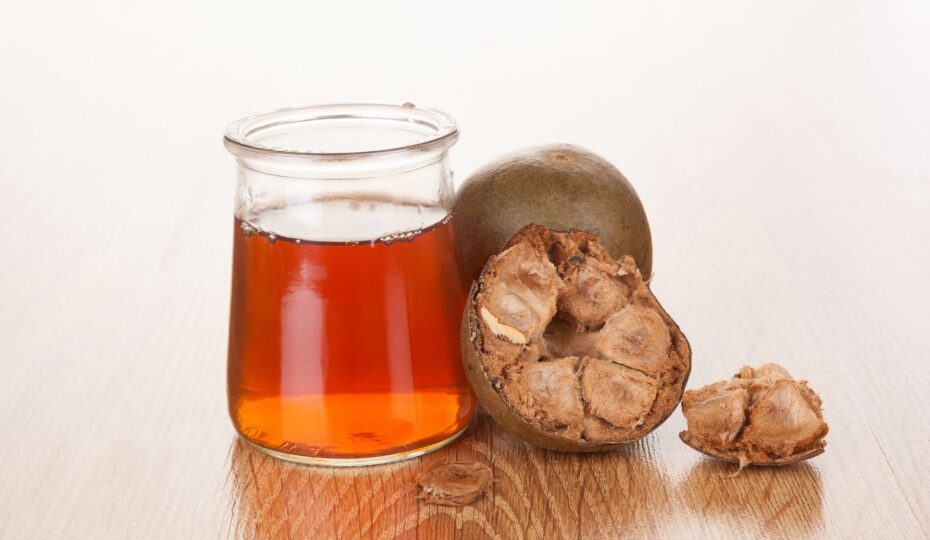
Monk Fruit Sweetener Syrup

Monk Fruit Sweetener Syrup: Uses in Food Manufacturing

Monk fruit sweetener syrup is a liquid sweetening ingredient used by food manufacturers to reduce or replace sugar while maintaining sweetness in finished products. It delivers high sweetness intensity with zero calories and no direct contribution from fructose or glucose, making it suitable for reduced sugar and no added sugar formulations. In syrup form, monk…
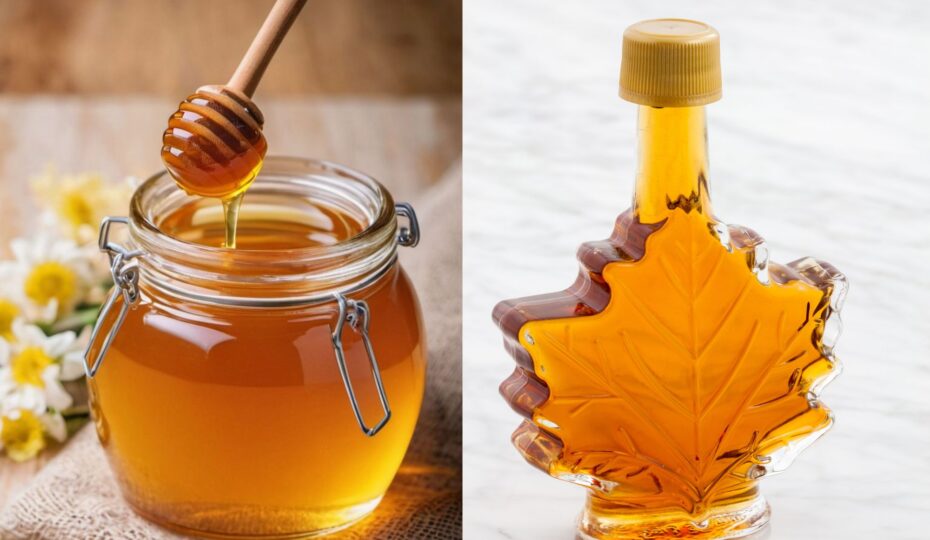
Honey vs. Maple Syrup Sweeteners

Honey vs. Maple Syrup Sweeteners: Choosing for Production Use

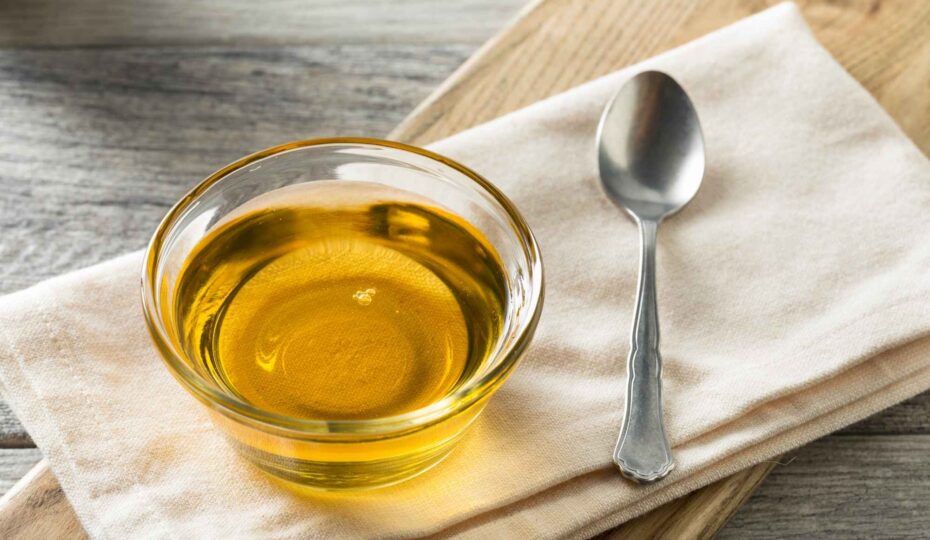
Honey vs maple syrup sweeteners are often grouped as natural sugar alternatives, but they behave very differently once they move into large-scale food and beverage production. For manufacturers, bakeries, beverage producers, and distributors, the choice between honey vs maple syrup sweeteners affects flavor consistency, cost control, processing behavior, storage, and long-term supply planning. Understanding how…
Maple Syrup as a Sweetener

Maple Syrup as a Sweetener: Uses & Benefits for Manufacturers

Maple syrup as a sweetener is gaining wider use in food and beverage manufacturing as brands look for natural sweetener options that offer flavor, label clarity, and functional performance. While maple syrup is widely known as a retail product, its role as a manufacturing ingredient goes far beyond table use. When used correctly, maple syrup…

Benefits of Agave Syrup for Food and Beverage Manufacturing

Benefits of Agave Syrup for Food and Beverage Manufacturing Agave syrup is widely used in commercial food and beverage production because it delivers reliable sweetness, strong solubility, and consistent performance. Manufacturers evaluate the benefits of agave syrup based on how it behaves in formulation, batching, and large-scale processing. Operational efficiency and repeatable output matter more…

Why Beverage Manufacturers Use Agave Syrup for Cocktails

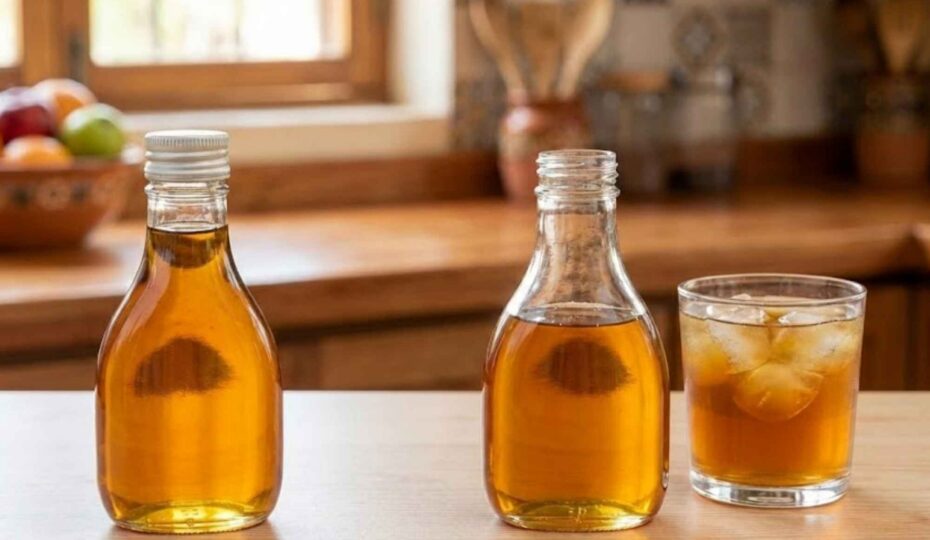
Why Beverage Manufacturers Use Agave Syrup for Cocktails Beverage manufacturers widely use agave syrup for cocktails because it delivers consistent sweetness, dissolves fully in cold formulations, and performs reliably in scaled production. In commercial cocktail, RTD, and mocktail manufacturing, ingredient behavior matters as much as flavor. Agave syrup supports repeatable results across batches without heat…

Why Use Agave Syrup? A Guide for Manufacturers

Why Use Agave Syrup? A Guide for Manufacturers Why use agave syrup is a common question across the food industry as brands review sweetener choices that balance flavor, labeling, and functionality. It is used as a natural sweetener in beverages, baked goods, and packaged food where clean sweetness, solubility, and consistency matter. It is often…

Agave Syrup for Coffee Manufacturing: Sweetness Control and Beverage Performance

Agave Syrup for Coffee Manufacturing: Sweetness Control and Beverage Performance Coffee manufacturers and beverage producers increasingly use agave syrup as a liquid sweetener because it provides consistent sweetness, a clean flavor, and reliable performance across production systems. Compared to sugar, brown sugar, or honey, agave syrup dissolves quickly, delivers predictable sweetness, and works well in…

Agave Syrup in Drinks: Uses and Flavor Benefits

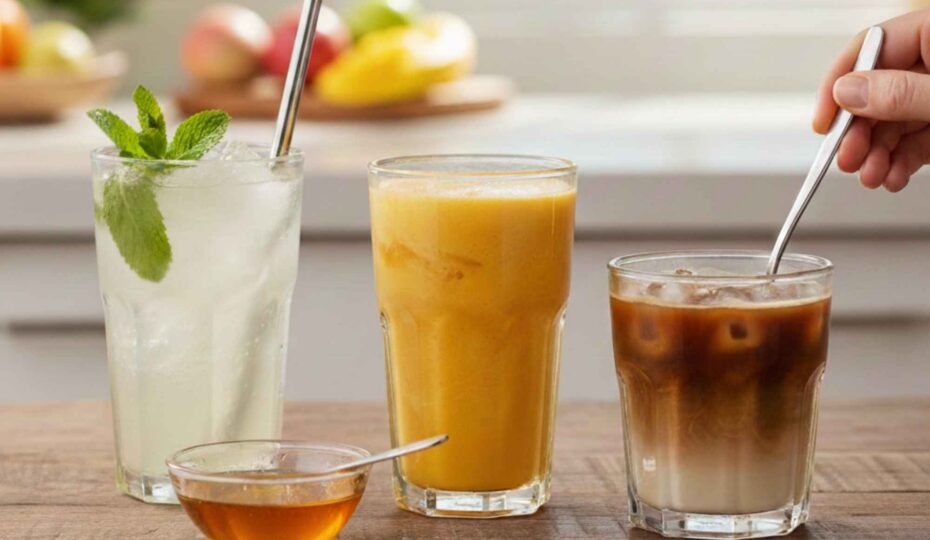
Agave syrup in drinks has become a common choice for bartenders, beverage developers, and home users who want a natural sweetener that mixes smoothly and adds a balanced taste. It blends well with cocktails, coffee, tea, mocktails, and nearly any drink because it dissolves quickly and does not add a heavy flavor. Many drink makers…

Is Agave Syrup Healthy? Benefits and Concerns

Many buyers want simple information about agave syrup and how it compares to other sweeteners used in food and beverage products. Because it is marketed as a natural sweetener with a low glycemic index, questions often focus on blood sugar, fructose content, and how the body reacts to it. These points help answer the main…

What Is a Liquid Food Grade Sugar Tanker?

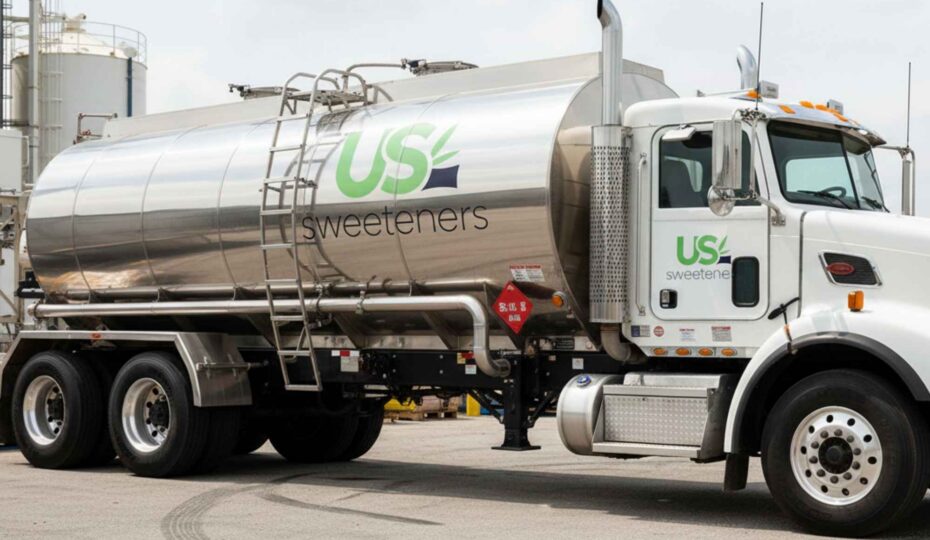
A liquid food-grade sugar tanker is used to transport liquid sweeteners, liquid sugar, corn syrup, fruit juices, vegetable oils, milk, and other liquid foods in a safe and controlled way. These tankers support the food industry by protecting product quality during transport and helping manufacturers keep production on schedule. The ability to maintain product integrity…