Confectioners Sugar vs Powdered Sugar: Know the Difference
Last Updated: May 04, 2026
Understanding confectioners sugar vs powdered sugar is important not just for baking results, but also for production consistency. Both are finely ground sugar made from granulated sugar, but small differences in starch content and particle size can affect texture, flow, and handling. In industrial bakery settings, these differences directly impact mixing efficiency, dusting performance, and final product quality.
At US Sweeteners, bulk sweeteners are supplied to commercial bakeries, food manufacturers, and distributors. The focus is on consistent quality, controlled particle size, and reliable supply, with powdered and confectioners sugar available in different mesh sizes to meet production specifications.
What is Powdered Sugar?
Powdered sugar is made by grinding granulated sugar, also known as white sugar or table sugar, into a very fine powder. It contains no added starch, which means it dissolves quickly and delivers a clean sweetness in recipes and industrial formulations.
In large-scale production, powdered sugar is often selected for applications where starch-free ingredients are required. However, because it lacks an anti-caking agent, it can clump more easily in storage systems such as silos or feeders, especially in humid environments, which may affect flow during processing.
What is Confectioners Sugar?
Confectioners sugar starts the same way as powdered sugar but has starch added during processing. The most common type of starch is cornstarch, though some products use tapioca starch or potato starch. This added starch makes up about two to five percent of the total weight and helps prevent clumping, improve flow, and keep the sugar in a dry, powdered state for longer periods.
In industrial bakery operations, this added starch plays a functional role beyond storage. It improves flow through automated systems, reduces stoppages caused by caking, and helps maintain a consistent coating on finished baked goods such as donuts, pastries, and cakes.
The Difference Between Confectioners and Powdered Sugar
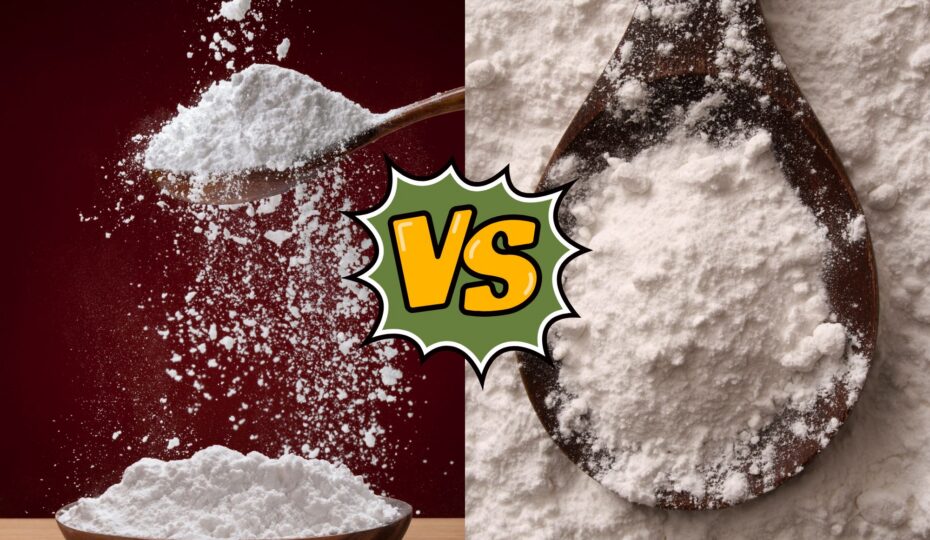
The main difference between powdered sugar and confectioners sugar is whether starch is present. Both are finely ground sugars that start as granulated sugar and are processed into a smooth, powdered texture. Powdered sugar has no starch, while confectioners sugar contains a small percentage of added starch to help prevent clumping and make it easier to handle and store.
According to research, confectioners’ or powdered sugar is made from finely ground sucrose crystals combined with a small amount of cornstarch, typically around 3%, to help prevent clumping and keep it in a powdered state. In production environments, this difference affects not just texture but also how the sugar performs in bulk handling, mixing, and long production runs.
The Role of Fineness and “X” Grades
When you see 6X, 10X, or 14X on a package, it refers to how many times the sugar has been ground. This is not an exact measurement across all manufacturers, but it is a general guide to particle size and mesh fineness used in the sugar industry. A 6X sugar has larger particles than a 14X sugar, which affects both texture and performance in bakery applications.
In industrial bakery specs, finer grades like 10X to 14X are preferred for smooth icings, frostings, and coatings because they dissolve easily and create a uniform finish. Coarser grades, such as 6X, may be used for dusting where a slight texture is acceptable and where reduced airborne dust improves handling in production environments.
When to Use Powdered Sugar
Powdered sugar is a good choice when you want fast dissolving and no added starch. It works well in both small-scale and industrial applications where clarity and clean flavor are required.
- Beverages and liquid systems: Powdered sugar dissolves quickly without adding starch, which helps maintain clarity and consistent texture in liquids.
- Quick-mix icings and glazes: It blends rapidly, making it suitable for applications prepared just before use.
- Starch-free formulations: It is preferred when ingredient labeling or product specs require no added starch.
When to Use Confectioners Sugar
Confectioners sugar is better when you need more stability and consistent handling. In industrial bakery environments, it is often the preferred choice due to its improved flow and moisture resistance.
- Frostings and icings: The added starch helps maintain structure and prevents breakdown over time.
- Dusting baked goods: It stays visible longer on pastries and donuts, even in humid conditions.
- Automated production systems: Improved flow reduces clumping and supports consistent feeding through equipment.
Making Your Own Powdered Sugar
If you do not have powdered sugar on hand, you can make your own powdered sugar from ordinary granulated sugar. Place one cup of regular sugar in a blender or food processor and process until it becomes a very fine powder. This method works best in small batches and is typically used in non-industrial settings.
To make confectioners sugar at home, you can add about one tablespoon of starch per cup of sugar before processing. However, homemade versions are not milled to the same particle size consistency as commercial grades like 10X or 14X, which can lead to differences in texture and performance in professional applications.
Why the Names Cause Confusion
One reason for the confusion between powdered sugar and confectioners sugar is that in many grocery stores and recipes, the names are used interchangeably. In some regions, powdered sugar is also called icing sugar, which adds to the misunderstanding.
For industrial buyers and manufacturers, the distinction is clearer because specifications include starch content, particle size, and intended use. These details are critical for maintaining consistency across production batches.
Use in Industrial Food Production
In industrial food production, the choice between powdered sugar and confectioners sugar is not just about recipe outcome; it also affects handling, storage, and equipment performance.
- Grind size and mesh specs: 10X is standard for most bakery applications, while 14X is used for ultra-smooth finishes and coatings.
- Flow and mixing efficiency: Confectioners sugar improves flow in bulk systems, reducing interruptions during production.
- Moisture control: Added starch helps reduce caking and supports consistent product quality in humid environments.
Taste and Texture Differences
While most people will not notice a difference in casual baking, professionals sometimes detect a change in taste or texture when starch is present. In cooked applications, the difference is minimal, but in uncooked products like buttercream or dusted pastries, the texture can vary slightly.
Powdered sugar tends to deliver a cleaner sweetness, while confectioners sugar may provide a smoother and more stable texture. In industrial settings, consistency in texture is often more important than small differences in taste.
Conclusion
The choice between powdered sugar and confectioners sugar depends on your goal and production requirements. Powdered sugar works well when you need fast dissolving and a starch-free ingredient, while confectioners sugar provides better stability, flow, and performance in large-scale bakery systems. Matching the correct mesh size and formulation to your application helps maintain consistency and reduce variability across batches. In industrial bakery operations, even small differences in sugar specs can affect efficiency and final product quality.
At US Sweeteners, a range of powdered and confectioners sugar options is available for commercial and industrial use. Products are offered in different particle sizes and formulations to meet bakery and manufacturing requirements. If you are sourcing for production, contact us to explore available bulk options. The right specification can help support consistent results and smoother operations.
FAQs
Is confectioners sugar the same as powdered sugar?
No. Confectioners sugar contains added starch, usually cornstarch, which helps prevent clumping. Powdered sugar, on the other hand, does not contain starch and dissolves faster.
What mesh size is used for bakery icing?
For smooth icings and coatings, 10X to 14X sugar is commonly used. These finer grades ensure a smooth, consistent texture in baked goods and glazes.
Why is starch added to confectioners sugar?
Starch is added to prevent clumping and improve flow during storage, particularly in humid environments. It helps maintain the sugar’s texture and makes it easier to handle in large-scale production.
Can powdered sugar be used in industrial baking?
Yes, powdered sugar can be used, but it may clump more easily and lacks the moisture resistance of confectioners sugar. It’s less stable in humid conditions and may not perform as well in automated systems.

Thomas is a product expert at US Sweeteners, a trusted bulk sugar and sweetener distributor serving food and beverage manufacturers across the USA. He writes about sweetener sourcing, ingredient trends, and supply chain insights for the food industry.