Is Cane Sugar Brown Sugar? Know the Difference
Last updated: April 28, 2026
Is cane sugar brown sugar? Not always. Cane sugar refers to sugar derived from sugarcane, while brown sugar is defined by its molasses content. This distinction matters not only in home baking but also in large-scale food production, where differences in moisture, texture, and shelf life can significantly impact final product quality.
In large-scale food production, sugar selection goes beyond sweetness. Molasses content primarily affects moisture retention and spread behavior, which in turn influences texture and shelf stability. Even small variations can lead to inconsistent results, making it important to understand how each type of sugar performs in real formulations.
Is Cane Sugar Brown Sugar?
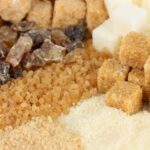
Cane sugar is not always brown sugar. Cane sugar is any sugar produced from sugar cane juice, and it can be white sugar, raw sugar, light brown sugar, dark brown sugar, or unrefined cane sugar. Brown sugar is defined by molasses content, not by source.
In commercial baking and food production, this distinction affects formulation control, particularly in how products retain moisture, spread during baking, and maintain shelf stability. Two sugars may appear similar but behave differently in baking systems. Brown sugar contains molasses, which increases moisture and softness, while refined cane sugar does not. This difference impacts water activity, product spread, and shelf stability.
What Is Cane Sugar?
Cane sugar is produced by extracting sugar cane juice, then boiling, evaporating, and crystallizing it into sugar crystals. The final product can be refined or left partially unrefined, depending on the intended use.
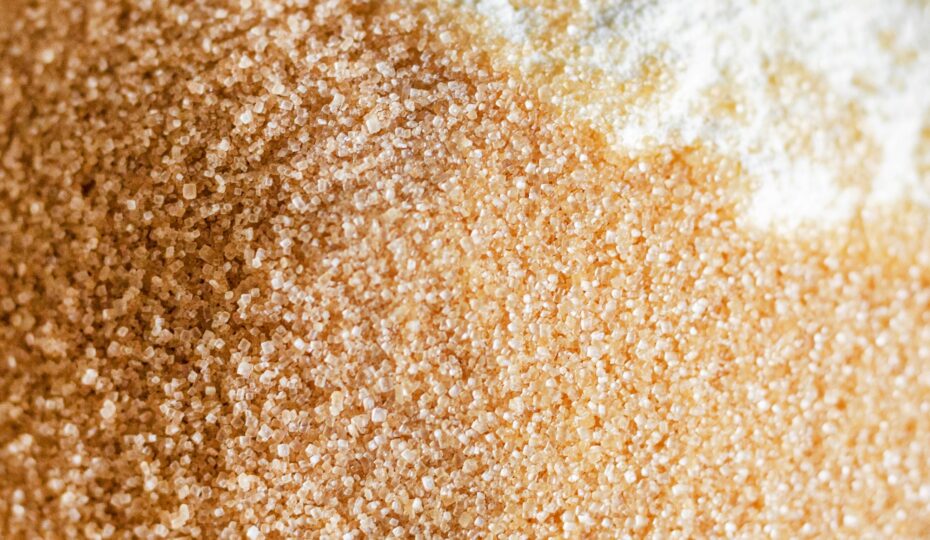
For manufacturers, the level of refining determines performance. White granulated sugar is highly refined, with low moisture and consistent crystal size, making it suitable for controlled baking systems. Raw sugar and unrefined cane sugar retain trace molasses, which may slightly affect color and flavor. These variations influence how sugar performs in mixing, aeration, and final texture.
What Is Brown Sugar?
Brown sugar is sugar that contains molasses, either retained during processing or added back to refined white sugar. This molasses content creates a darker color, higher moisture level, and richer caramel flavor.
In bakery formulations, brown sugar acts as a functional ingredient. It increases moisture retention, supports softness, and contributes to browning reactions. Because molasses levels vary, sourcing consistency matters. Even small differences in molasses content can shift texture, spread, and shelf life across production batches.
Cane Sugar vs. Brown Sugar in Bakery Formulations
The difference between cane sugar and brown sugar is not just the origin. It is how each ingredient performs in production systems.
Cane sugar provides structure, aeration, and a clean sweet taste. It supports consistent crumb formation in cakes and stable structure in baked goods. Brown sugar contributes moisture, softness, and flavor complexity due to its molasses content.
In practice, this means:
- Cane sugar supports volume and structure
- Brown sugar supports softness and moisture retention
- Cane sugar creates lighter-colored products
- Brown sugar creates darker, richer products
Molasses increases hygroscopic behavior, meaning brown sugar attracts and retains moisture. This helps extend shelf life in soft baked goods, but can reduce crispness if not controlled.
Sugar Specs That Affect Bakery Formulations
Procurement decisions should be based on measurable specifications, not just ingredient names. Small variations in sugar properties can change product performance at scale. Moisture content directly affects shelf life and softness. Higher moisture sugars, such as brown sugar, help products stay soft longer but may increase stickiness and reduce crisp texture.
Molasses content affects flavor, color, and spread. Higher molasses levels create darker products with stronger caramel notes and greater dough spread. Variations in molasses content can also lead to inconsistent results between batches. Crystal size impacts mixing and aeration. Fine crystals dissolve faster and support uniform mixing, while larger crystals affect texture and structure during baking.
Hygroscopicity influences how the product retains moisture over time. Brown sugar increases water retention, which improves softness but requires tighter formulation control. Color consistency affects the final product’s appearance. Inconsistent molasses levels can lead to variation in finished products, which may impact quality control.
How to Choose the Right Sugar for Your Formulation
Choosing the right sugar depends on the performance you need in your final product. Procurement decisions should align with formulation goals, not just ingredient type.
- Use brown sugar when moisture retention and softness are required. It is best for cookies, soft baked goods, and products where shelf life depends on retaining moisture.
- Use white sugar when structure, aeration, and consistency are critical. It works best in cakes, biscuits, and products that require a stable crumb and lighter color.
- Use dark brown sugar when a stronger caramel flavor, darker color, and higher moisture retention are needed. It is ideal for rich baked goods and sauces.
- Use light brown sugar when moderate moisture and balanced flavor are required. It allows more control over color and taste compared to dark brown sugar.
- Use refined cane sugar when batch consistency and repeatability are priorities. It provides predictable results across large-scale production.
- Avoid inconsistent molasses blends when scaling production. Variations can lead to changes in spread, texture, and shelf life, which may require reformulation.
Light Brown Sugar vs. Dark Brown Sugar
Light brown sugar and dark brown sugar differ based on molasses levels. The Light brown sugar contains around 3.5% molasses, while dark brown sugar contains around 6.5%.
In bakery applications, light brown sugar provides moderate moisture and mild caramel flavor. It is suitable for cookies, muffins, and standard baked goods. Dark brown sugar delivers higher moisture retention, deeper flavor, and darker color.
From a procurement perspective, selecting between them depends on product targets. Dark brown sugar supports softer products with longer shelf life, while light brown sugar offers more control over formulation balance.
Is Brown Sugar Healthier Than White Sugar?
Brown sugar contains slightly more minerals, such as calcium, potassium, and iron, due to molasses content. However, both brown sugar and white sugar are primarily composed of sucrose and deliver similar calories.
According to a study, minimally refined brown sugar contained higher levels of potassium, manganese, selenium, and phenolic compounds compared to refined sugar. It also retained more compounds from sugarcane molasses due to less processing.
In formulation terms, these differences do not change formulation performance. Both sugars behave as simple carbohydrates. Ingredient selection should be based on functionality rather than perceived nutritional differences.
How Cane Sugar And Brown Sugar Are Produced
Cane sugar production begins with harvesting sugar cane and extracting sugar cane juice. The juice is filtered, boiled, and evaporated until sugar crystals form. These crystals can then be refined to remove molasses or left partially unrefined.
Brown sugar is produced by retaining natural molasses or by adding molasses back into refined white sugar. This step determines moisture content, color, and flavor. For manufacturers, consistency in this process is critical because variation can affect product quality.
Best Uses For White Sugar
White sugar is used when manufacturers require structure, consistency, and a clean flavor. It is common in beverages, syrups, candies, and baked goods where moisture must be controlled.
In baking, white sugar supports aeration and structure development. It allows for consistent results across batches and is ideal for products that require crispness or a lighter color.
Best Uses For Brown Sugar
Brown sugar is selected when moisture retention and softness are required. It is widely used in cookies, cakes, sauces, and desserts where texture and flavor depth are important.
In commercial production, brown sugar supports product differentiation. It creates a richer taste and softer texture while helping maintain moisture over time.
Best Uses For Cane Sugar
Cane sugar is used in applications where ingredient sourcing and labeling matter. Raw sugar and unrefined cane sugar are often used in beverages, organic products, and specialty foods.
Cane sugar also provides flexibility in formulation. It can be refined or unrefined depending on the required moisture, flavor, and color.
What Manufacturers Should Compare When Buying Sugar
Sugar selection should be based on functional specifications such as moisture, molasses content, and crystal size, all of which directly influence product performance at scale. Consistency across batches is critical. Variations in sugar properties can lead to changes in texture, spread, and shelf life. Reliable sourcing helps reduce reformulation risk and supports stable production.
If you are looking for bulk raw cane sugar for beverages, baked goods, snack foods, sauces, or less processed product lines, we offer reliable supply options for manufacturers and food producers. Bulk raw cane sugar supports products that require a more natural profile, light molasses flavor, and consistent performance. We offer large-volume supply, custom packaging, private labeling, and nationwide distribution through US Sweeteners.
Functional Chemistry in Baking Systems
Molasses in brown sugar contributes not only moisture but also reactive compounds that influence browning reactions. In baking, this accelerates Maillard reactions, leading to deeper color and more complex flavor development. Molasses also slightly lowers pH, which can affect leavening efficiency when baking soda is used. These chemical interactions are critical when scaling formulations, as small variations in molasses content can lead to noticeable differences in color, flavor, and texture.
Conclusion
Cane sugar and brown sugar are not the same, and the difference directly affects bakery formulations and product consistency. Cane sugar defines the source, while brown sugar defines molasses content, which impacts moisture, texture, and flavor. Light brown sugar, dark brown sugar, raw sugar, and refined sugar each behave differently in recipes, making proper selection essential for consistent results.
If you are sourcing sugar for manufacturing, US Sweeteners offers bulk brown sugar, cane sugar, and liquid sweeteners with consistent quality and nationwide distribution. We support large-scale production with custom packaging and private labeling options. Contact us to learn more about a reliable sugar supply for your operations.
FAQs
Is cane sugar the same as brown sugar?
No. Cane sugar refers to the source, while brown sugar refers to sugar with molasses content. Cane sugar can be white, raw, or brown depending on processing.
Which sugar is better for baking cookies?
Brown sugar is better for cookies when moisture and softness are required, while white sugar creates a firmer texture.
What is the difference between light brown sugar and dark brown sugar?
The difference is molasses content. Light brown sugar has less molasses, while dark brown sugar has more, affecting moisture, flavor, and color.
Can manufacturers substitute brown sugar for white sugar?
Yes, but it changes formulation results. Brown sugar increases moisture and softness, while white sugar supports structure and crispness.

Thomas is a product expert at US Sweeteners, a trusted bulk sugar and sweetener distributor serving food and beverage manufacturers across the USA. He writes about sweetener sourcing, ingredient trends, and supply chain insights for the food industry.