Does Stevia Break a Fast? A Complete Guide
Last updated: April 29, 2026
In recent years, intermittent fasting has emerged as more than just a diet trend. It’s become a lifestyle choice for millions seeking better health and weight management. As this practice grows in popularity, so do the questions about what exactly breaks a fast. One of the most common queries revolves around stevia, a natural sweetener that’s gained significant attention as a zero-calorie alternative to sugar.
In addition to personal use, it has also become a key ingredient in sugar-free product development, where consistent sweetness and clean taste are important.
Understanding Stevia: Nature’s Zero-Calorie Sweetener
Stevia isn’t just another artificial sweetener. It’s a natural compound derived from the leaves of the Stevia rebaudiana plant, native to South America. What makes this plant truly remarkable is its ability to provide intense sweetness without the caloric impact of regular sugar. In fact, stevia is 200-350 times sweeter than traditional table sugar, yet it contains virtually no calories.
The secret behind stevia’s sweetness lies in its natural compounds called steviol glycosides. These include different compounds such as Rebaudioside A (Reb A), which is commonly used for its cleaner taste and reliable performance in both personal use and product formulation. These compounds are responsible for both the sweet taste and many of stevia’s potential health benefits. Unlike artificial sweeteners, stevia is processed by your body in a unique way that doesn’t typically trigger the same metabolic responses as regular sugar. This stability is also why stevia is widely used in sugar-free applications where predictable sweetness and consistency are required. The FDA has generally recognized stevia as safe (GRAS) for consumption, making it a trusted option for those looking to reduce their sugar intake while maintaining a fasting routine.
How Stevia Affects Your Fast
Understanding how stevia affects your fast requires knowledge of how fasting works in your body. During a fast, your body undergoes several important metabolic changes. After 8-12 hours without food, insulin levels drop significantly, blood glucose regulation shifts, and your body switches from using glucose to stored fat for energy. Additionally, cell recycling processes begin to accelerate, and your body becomes more efficient at switching between fuel sources.
Research suggests that pure stevia extract has minimal impact on these fasting processes. This same property makes it useful in formulations that require sweetness without affecting blood sugar or caloric content. Unlike glucose or sucrose, stevia is not metabolized into circulating blood sugar, which allows the body to maintain stable glucose levels and continue operating in a fasted metabolic state.
With zero calories, stevia doesn’t provide energy that could break your fast, and it doesn’t interfere with your body’s ability to maintain a fasted state.
While stevia does not provide calories, its interaction with sweet taste receptors may trigger a mild cephalic phase insulin response in some individuals. Current evidence suggests this response is inconsistent and significantly lower than the insulin release caused by caloric sweeteners. For most users, this effect is not sufficient to disrupt fat oxidation or the metabolic state associated with fasting.
Choosing the Right Stevia Product
Not all stevia products are created equal, and understanding these differences is crucial for maintaining your fast. Pure stevia extract is the most fasting-friendly option available, containing no added fillers or calories and offering maximum benefits with minimal risks. In addition to fasting benefits, purity also matters in sugar-free products. Stevia extracts are often standardized based on their steviol glycoside content, particularly Rebaudioside A (Reb A). Higher Reb A grades are preferred because they provide a cleaner sweetness with less bitterness, making them suitable for beverages, baked goods, and other sugar-free applications. When selecting a stevia product, look for those labeled “pure stevia extract” or “steviol glycosides” as the only ingredient. This ensures consistent performance, especially in applications where uniform output and taste are important.
Many commercial stevia products contain additional ingredients that could potentially impact your fast, including:
- Dextrose: A simple sugar that adds calories
- Maltodextrin: A carbohydrate that can raise blood sugar
- Erythritol: A sugar alcohol with minimal impact
- Natural flavors: May contain trace calories
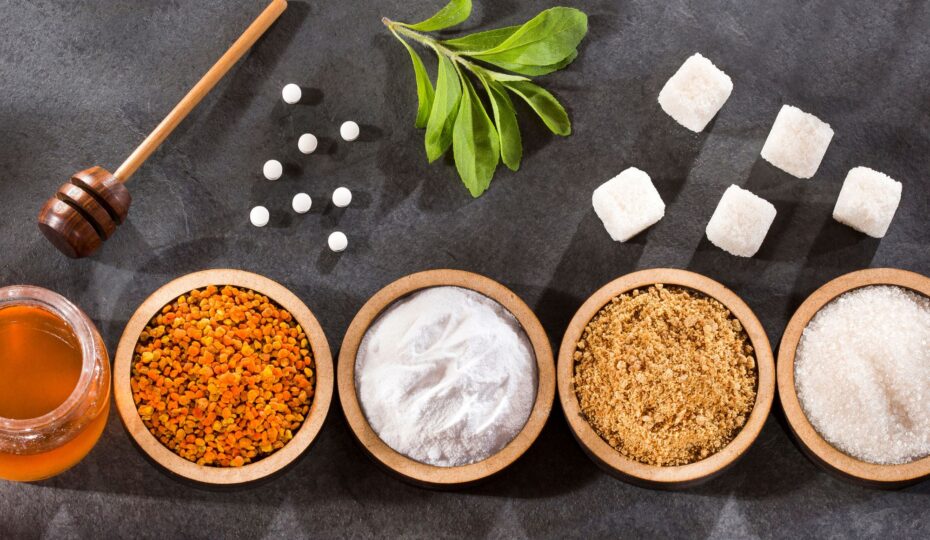
For optimal fasting results, stick to liquid stevia drops, powdered pure stevia extract, or green leaf stevia. These forms are least likely to interfere with your fasting goals while providing the sweetness you desire.
Stevia and Blood Sugar Control
One of the biggest concerns for those practicing intermittent fasting is maintaining stable blood sugar levels. Since stevia does not contain glucose, it has minimal impact on blood sugar control. This makes it a reliable option for sugar-free products. It helps maintain stable energy levels without added sugars, and some studies suggest that stevia may even improve insulin sensitivity over time, making it a beneficial sugar substitute for individuals managing diabetes or metabolic health concerns.
By choosing to consume stevia instead of traditional sugar, you may reduce sugar intake while supporting stable energy levels during fasting. This makes stevia a valuable option for those looking to maintain metabolic health and avoid the blood sugar spikes associated with refined sugars and high-glycemic sweeteners.
Metabolic Health and Stevia
Fasting plays a crucial role in metabolic health by improving insulin sensitivity, reducing inflammation, and promoting fat metabolism. Since stevia does not contribute to an increase in blood sugar levels, it allows the body to remain fasted while still providing a touch of sweetness. Compared to sugar and high-glycemic sweeteners, stevia helps maintain a low-insulin environment, which is essential for sustaining lipolysis (fat burning) and metabolic flexibility during fasting.
Stevia Extract in Sugar-Free Product Formulation
Beyond personal use during fasting, stevia extract plays an important role in sugar-free product formulation. It allows manufacturers to replace sugar while maintaining sweetness, stability, and consistent results.
One of the key factors in formulation is the type of steviol glycosides used. Rebaudioside A (Reb A) is commonly selected because it provides a smoother taste with less bitterness compared to other compounds.
In applications such as beverages, dairy products, and baked goods, stevia helps deliver consistent sweetness without adding calories or affecting blood sugar levels. This makes it a reliable choice for both small-scale and large-scale production.
Potential Benefits of Stevia Beyond Fasting
Beyond intermittent fasting, stevia offers several long-term health benefits. Research suggests that stevia may help reduce sugar intake, lower blood pressure, and support weight management. Additionally, it may have anti-inflammatory properties that contribute to overall wellness. When used in place of sugar, it can be a key component in preventing metabolic disorders such as type 2 diabetes and obesity.
Sugar Substitutes and Their Effects on Fasting
When considering alternative sweeteners, it’s essential to compare their impact on fasting. Stevia remains one of the best options, as it contains zero calories and has minimal influence on insulin or blood sugar levels. However, other sugar substitutes can also be considered based on individual preferences and fasting goals.
For example, sucralose is another widely used zero-calorie sweetener. While it differs from stevia in origin and processing, it is commonly included in sugar-free products and can be an option for those looking to enhance the taste of their beverages or foods while fasting.
Can Stevia Help Reduce Sugar Cravings?
One of the biggest challenges of fasting is dealing with sugar cravings. Using stevia in moderation can help satisfy these cravings without breaking your fast. But individual responses can vary. Some people experience increased hunger or prolonged cravings after consuming sweet-tasting compounds during a fast, even when those compounds contain no calories. In these cases, stevia may indirectly shorten fasting duration by making adherence more difficult.
Many people find that incorporating stevia into their fasting routine allows them to extend their fasting window and make healthier dietary choices when they do eat.
However, it’s essential to use stevia mindfully. Over-reliance on sweeteners, even calorie-free ones, may affect taste preferences over time, making naturally sweet foods seem less appealing. Being mindful of your intake ensures that you maintain a balanced approach to sweetness while fasting.
Best Ways to Consume Stevia During a Fast
To maximize the benefits of stevia while fasting, consider the following methods:
- Adding it to beverages: A few drops of liquid stevia in coffee or tea can make your fasting period more enjoyable.
- Using it sparingly: While stevia is fasting-friendly, excessive consumption might lead to increased cravings for sweetness.
- Selecting high-quality stevia: Always choose pure stevia extract without additives to ensure you get the most benefits without breaking your fast.
Conclusion
Pure stevia extract is an ideal sweetener for intermittent fasting, offering a natural, zero-calorie solution that satisfies cravings without disrupting metabolic benefits. Unlike artificial alternatives or stevia blends with additives, pure stevia allows you to enjoy sweetness without affecting blood sugar or insulin levels, making it a trusted choice for maintaining your fast. By selecting high-quality stevia, you can enhance your fasting experience while supporting overall metabolic health.
At US Sweeteners, we offer high-quality stevia extracts suitable for both everyday use and sugar-free product development. If you are exploring reliable sweetener options, you can learn more about available products or reach out to discuss bulk supply and available stevia extract options.
FAQs
Does stevia break an intermittent fast?
Pure stevia extract generally doesn’t break an intermittent fast since it contains zero calories and has minimal impact on insulin levels. However, be cautious with commercial stevia products that may contain additives like maltodextrin or dextrose, which could potentially break your fast.
Will stevia break ketosis?
Stevia does not break ketosis as it has zero carbohydrates and doesn’t affect blood sugar levels significantly. Pure stevia extract is considered keto-friendly and safe to consume while maintaining ketosis.
What sweetener will not break a fast?
Pure stevia extract and monk fruit extract are the safest sweetener options during fasting, as they contain zero calories and have minimal impact on blood sugar and insulin levels. Other options like sugar alcohols or artificial sweeteners may technically not break a fast but could impact other fasting benefits.
Does stevia affect fasting blood sugar?
Research shows that pure stevia extract has minimal to no significant impact on fasting blood sugar levels. While stevia may cause a very slight insulin response in some people, it’s generally not enough to meaningfully affect blood glucose levels during a fast.
What is the healthiest sugar substitute?
Pure stevia extract stands out as one of the healthiest sugar substitutes, thanks to its natural origin and zero-calorie content, along with potential benefits for blood sugar control. For optimal health benefits, choose pure stevia products without additives or fillers.
Is it bad to have stevia every day?
Research shows that consuming moderate amounts of pure stevia extract daily is safe for most people, with the FDA setting an acceptable daily intake of 4mg per kilogram of body weight. However, it’s important to choose pure stevia products without additives and monitor your body’s response, as some people may experience mild digestive issues or headaches when consuming too much.

Thomas is a product expert at US Sweeteners, a trusted bulk sugar and sweetener distributor serving food and beverage manufacturers across the USA. He writes about sweetener sourcing, ingredient trends, and supply chain insights for the food industry.