What To Do With Confectioners Sugar? – US Sweeteners
Confectioners sugar is one of the most available sweeteners in most food-based businesses. Powdered confectioners sugar is a finely milled sugar often used in baking, and is different from regular powdered sugar, which may contain added ingredients like tapioca starch that can affect sweetness and texture. It does not only find its popularity due to sweetness, but its use as well. In other parts, it’s normally known as powdered sugar since its texture is soft and powdery.
Powdered confectioners sugar is commonly sold in convenient sizes, such as a 1 pack, making it easy for home bakers to purchase just what they need.
However, despite the popularity and versatility, it has not been maximally utilized by some people due to prevailing myths or lack of information.
What Is Confectioners Sugar?
Bulk Confectioner’s sugar, powdered sugar, or icing sugar is a powdered form of common granulated sugar to which a small amount of anti-caking agent, usually cornstarch, has been added. Powdered confectioners sugar is specifically milled to a fine texture, making it ideal for baking and decorating due to its smooth consistency and ease of blending.
This addition prevents clumping and makes it easy to use in many foodstuffs. Regular confectioners sugar is often used to achieve a smooth and creamy texture in desserts, while regular powdered sugar may contain different starches, such as tapioca starch, which can affect the sweetness and texture of recipes. Many bakers find little difference in baking outcomes between regular confectioners sugar and regular powdered sugar, though some caution is advised for specific uses like caramelizing.
What Is Confectioners Sugar and How Does It Differ From Granular Sugar?
Several factors differentiate it from granulated sugar. First, bulk confectioners’ sugar is ground into a powder-like consistency that makes it dissolve much faster compared to granulated sugar. Such fineness in texture is great for smooth icings, frostings, and dusting desserts. Regular confectioners sugar is often used in recipes like chess cake to achieve a smooth, melt-in-the-mouth consistency that is difficult to replicate with other sugars.
On the other hand, granulated sugar consists of larger and coarser crystals, which have a gritty texture. This finds its application in general sweetening in baking and cooking. Furthermore, cornstarch is usually added in small proportions, about 3-5%, in confectioners’ sugar to prevent clumping and help improve shelf stability.
Other factors that make it different from sugar are its applications. This variety of sugar works best in recipes that involve a velvety or smooth texture, particularly frostings, glazes, and whipped cream besides tender baked goods. Whereas, granulated sugar has broad applications creaming along with butter, liquids sweetening and caramelizing, etc in desserts.
Types of Sugar
When it comes to baking and cooking, understanding the different types of sugar can make a big difference in your recipe results. The most common type is granulated sugar, which is the classic white sugar found in most kitchens. Its coarse texture makes it ideal for general sweetening, creaming with butter, and caramelizing.
Powdered sugar, also known as confectioners sugar or icing sugar, is much finer and often contains a small amount of starch—like cornstarch or organic tapioca starch—to prevent clumping. This ultra-fine sugar dissolves quickly, making it perfect for smooth icings, glazes, and dusting desserts.
For those seeking more natural options, organic sugar and organic tapioca starch are available. These alternatives can be especially useful for those with dietary preferences or sensitivities. By understanding the unique characteristics of each sugar type, you can choose the best one for your baking needs—whether you’re making a fluffy cake, a glossy icing, or a tender cookie.
Sugar Substitutions
Sometimes you might find yourself out of a specific type of sugar, or you may want to experiment with different sweeteners in your recipes. When substituting sugar, it’s important to consider both the type of sugar being replaced and the desired texture and consistency of your final product.
For example, if you need powdered sugar but only have granulated sugar on hand, you can make your own by blending granulated sugar with a bit of cornstarch in a food processor or powerful blender. This homemade confectioners sugar works well in most recipes, though the texture may be slightly different from store-bought versions.
Other substitutions, like using honey or natural sweeteners, can change the flavor and moisture content of your food. Always test and adjust your recipe as needed, since sugar substitutions can affect both taste and texture. Remember, the right sugar makes all the difference in achieving the perfect consistency for your icing, frosting, or baked goods.
Gluten Free Options
If you’re following a gluten free diet, you’ll be glad to know that many sugar products, including powdered sugar and confectioners sugar, are naturally gluten free. However, it’s always wise to check the ingredient label to ensure there’s no cross-contamination or added ingredients that contain gluten.
For those looking for a gluten free alternative to traditional cornstarch, organic tapioca starch or regular tapioca starch are excellent options. These starches can be used in homemade powdered sugar or as thickeners in frostings and glazes. With so many gluten free sugar options available, you can enjoy sweet treats and beautiful desserts without worry.
Baking with Confectioners Sugar
Essential in Frostings and Icings
Confectioners’ sugar adds the right of sweetness and texture to your frostings and icings. Glazes, which give a glossy finish to cakes and pastries, are also made with ease using confectioners’ sugar.
Quick Recipe for Basic Icing or Glaze
- In a bowl, whisk together 1 cup of confectioners’ sugar and 2-3 tablespoons of milk/water.
- Beat in ½ teaspoon of vanilla extract, if desired.
- Beat until smooth. Drizzle over baked goods. To change the consistency to thinner/thicker, vary the amount of liquid.
Light and Fluffy Baked Goods
Its fine particles go well in any batter or dough, making the cooked item light and fluffy. So, it has been a top choice for recipes ranging from shortbread cookies, where it gives it that melt-in-your-mouth quality, to sponge cakes, where it helps to achieve a fluffy structure. However, using the wrong type of sugar can result in an awful texture and taste, sometimes making it necessary to throw away the entire batch.
A classic example can be meringues in which the confectioners sugar dissolves into the whipped egg whites and ensures a smooth and glossy finish. It is cookies, cakes, or all other sorts of baked goods, confectioner’s sugar comes in for help in both textures and taste.
Decorative Uses of Confectioners Sugar
Besides baking, you can use this ingredient for decorative purposes, as follows.
Dusting Desserts for a Polished Look
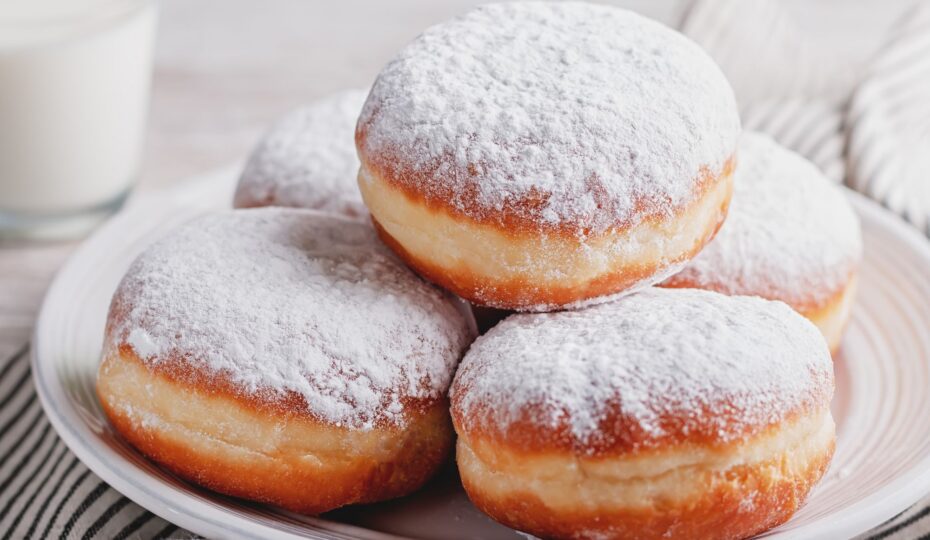
It automatically gives desserts that professional touch when confectioner’s sugar is lightly dusted. Brownies immediately have the added touch of sophistication sprinkled atop; sprinkled atop the baked goods like donuts for a classic finish; snowflaking with panache on pastry or croissant tops.
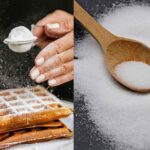
Using a fine-mesh sieve or dedicated sugar duster achieves uniform coverage. The sweetness provided is subtle, besides enhancing the look with such a modest approach. The decoration of the confectionaries may then please the eyes, if not more than the taste buds themselves.
Stenciling and Other Creative Applications
You can also use stencils to create patterns or messages onto cakes, tarts and even cookies. You just need to place a stencil on dessert and dust the sugar evenly over it. Then lift the stencil off, and voila! You see your beautiful design.
Sprinkle confectioners sugar over a gingerbread house or a bundt cake for an extra holiday flair and to give it some snow effect. They make such character and personality to your creations, and are just these little artistic touches that turn simple desserts into show stopping centerpieces.
Confectioners Sugar Beyond Desserts
Homemade Whipped Cream and Marshmallows
Confectioners’ sugar is a secret to making homemade whipped cream and marshmallows. The fine texture, with added cornstarch in it, helps to stabilize whipped cream and keep it light and fluffy for a longer time.
Whipped cream is simply made by beating heavy cream with a few tablespoons of confectioners sugar until soft peaks are obtained. Confectioner sugar doubles the task in Marshmallows that sweetens mix it with its presence it prevents these gooey treats that stick together inside any type of storage; homemade versions too can be super, so easy to be made and in contrast do test pretty much better against whatever store-bought ones would.
Savory Applications
Though confectioners’ sugar is often thought of as a sweetener, it can really come into its own in savoury dishes. Tomato based sauces or vinaigrettes benefit from a pinch to add acidity balance. This is also true of barbecue sauces, which have a little sweetness to complement the smoky and tangy flavors. Also, the suggestion of a little confectioner’s sugar in spice rubs or marinades will give you a slight caramelization when grilled or roasted.
DIY and Fun Projects with Confectioners Sugar
Here are some fun things you can do with this product, either alone, with family, or with friends—these projects are perfect to enjoy together or to recommend to a friend for a fun group activity.
Make Your Own Confectioners Sugar
If you’re out of confectioners’ sugar, there’s no problem making your own. Use a blender or food processor to puree your standard granular sugar until it’s powdery. Then add cornstarch and you have your confectioner’s sugar.
Kid-Friendly Activities
Fun and edible crafts with kids are great uses for confectioners sugar. The easiest way to make “edible snow” is to mix confectioners sugar with a bit of water to form a pastey consistency.
It can be shaped by kids into snowmen or other winter decorations. Simple ideas to make candy include rolling small dough balls in confectioners sugar to coat them. They aren’t just fun, it also encourages creativity and bonding with family.
Sharing your confectioners sugar creations online or in sweepstakes entry comments can inspire others and highlight your baking successes.
Buying Sugar
When shopping for sugar, consider both the type and quality that best suits your baking needs. Powdered sugar and confectioners sugar are widely available in most grocery stores, but if you’re looking for a more natural option, organic and non-GMO varieties are also on the market.
Buying sugar in bulk can save money, especially if you bake often. To keep your sugar fresh and maintain its fine texture and consistency, store it in an airtight container in a cool, dry place. This prevents clumping and ensures your sugar is always ready for your next batch of cookies, cakes, or glazes.
Tips for Storing and Handling Confectioners Sugar
The sugar requires proper storage to maximize longevity, as follows.
Proper Storage Techniques
Store powdered sugar in an airtight container in a cool, dry place to keep it fresh and prevent clumping. Keep it away from moisture because this may make the substance clump. Using a resealable bag with a silica packet is another good option to maintain its quality.
Troubleshooting Common Issues
If it becomes lumpy, just sift the confectioners sugar through a fine-mesh sieve before using. When measuring, spoon the sugar into your measuring cup instead of scooping directly from the container to avoid messes. This will ensure accuracy, reduce spills, and make the whole process much smoother.
Common Mistakes
Even experienced bakers can run into trouble when working with sugar. One frequent mistake is not sifting powdered sugar before using it, which can lead to clumps and an uneven texture in your icing or batter. Using the wrong type of sugar for a recipe can also affect the taste and consistency of your final product.
Overmixing sugar with other ingredients may result in a dense or tough texture, especially in delicate baked goods. To avoid these pitfalls, always follow your recipe closely, measure ingredients accurately, and store your sugar in an airtight container to keep it fresh and free from moisture. With a little care, you’ll achieve the perfect sweetness and texture every time.
Conclusion: Sweet Ideas Await!
You can, in fact, be fairly creative with confectioner’s sugar and you don’t have to just limit it to a sweetener. The uses are almost endless from frosting cakes and dusting desserts to homemade whipped cream, even savory dishes. Finer sugar will let you add creativity to your dishes and become dearer to your kitchen with novel recipes and skills. Sweet surprises await you! Inspired by confectioners’ sugar to sprinkle some real sugar in your life.