Sugar for cake baking plays a larger role than sweetness alone. In commercial baking, sugar affects texture, structure, color, moisture, and shelf life across cakes and other baked goods. The type of sugar used in a cake recipe can change how batter mixes, how cakes rise during the baking process, and how the final product tastes and holds up after it is baked.
At US Sweeteners, bulk sugar and ingredient supply is built around consistency and logistics. With nationwide distribution, multiple warehouse locations, and custom packaging options, US Sweeteners supports manufacturers that rely on steady inventory, uniform specifications, and reliable delivery for large-scale cake baking and food production.
Why Sugar Matters in Cake Baking
Sugar acts as a flavor enhancer that supports sweetness while allowing other ingredients to stand out. White sugar has a clean taste that works well in vanilla cakes, pound cakes, and many chocolate cake formulas. Brown sugar and other sugars with molasses added bring caramel flavor and a deeper taste that shape the final profile of cakes.
Sugar also affects structure and moisture. Sugar helps attract water molecules, which slows moisture loss and supports shelf life. In cakes, this helps maintain a tender crumb instead of a dry or crumbly texture. When sugar levels drop too low, baked goods often lose moisture faster and show a lighter color after baking.
Sugar’s Impact on Texture, Rise, and Color
Sugar’s impact starts during mixing. In the creaming method, sugar is mixed with butter to form air pockets. These air pockets expand during the leavening process and help cakes rise evenly. Uniform sugar crystals improve this process by creating consistent aeration across each batch.
During baking, sugar contributes to browning and color. As sugar heats, it caramelizes and supports a light golden color or deeper brown shades depending on the amount and type used. Cakes with higher sugar levels tend to bake softer and darker, while cakes with reduced sugar often bake drier and lighter in appearance.
According to research, sugar plays a functional role in baking beyond sweetness. Their analysis explains that when sugar molecules bind with water molecules, they help baked goods retain moisture and stay soft over time. Sugar also limits how proteins and starches set during baking, which helps create a more tender crumb rather than a tough structure. In cake batters, sugar crystals contribute to leavening by creating air pockets during mixing, which expand in the oven and support even rise and volume. The same research notes that sugar drives browning through caramelization and the Maillard reaction, giving cakes their characteristic golden color and developed flavor.
Crystal Size and Why It Matters
Crystal size is one of the most overlooked factors in sugar for cake baking. Granulated sugar has medium-sized crystals that balance dissolution and structure. White granulated sugar works well in most cake batters because it blends evenly with flour, eggs, and other ingredients.
Finely ground sugars dissolve faster. Superfine sugar and caster sugar reduce graininess in delicate batters and whipped egg systems. Larger crystals, such as those found in turbinado sugar or sanding sugar, dissolve slowly and create a crunchy texture when used as a finishing touch rather than mixed into batter.
Granulated Sugar as the Production Standard
Granulated sugar remains the most common sugar used in baking. It is produced from sugar beets or sugar cane and refined into uniform crystals that deliver predictable sweetness and performance. White granulated sugar works well in a wide range of cake recipes, from sheet cakes to layered cakes and pound cakes.
For manufacturers, granulated sugar offers consistent results across varying levels of production. It blends evenly, supports proper creaming with butter, and delivers stable color and texture in baked goods. Cane sugar may be preferred for labeling or sourcing preferences, but performance between cane sugar and beet sugar remains similar.
Superfine Sugar and Caster Sugar in Cake Systems
Superfine sugar, sometimes called baker’s special sugar, is granulated sugar that has been finely ground. Caster sugar falls into the same category, with smaller crystals that dissolve quickly in batter. These sugars work well in sponge cakes, chiffon cakes, and batters that rely on whipped eggs or egg whites.
Because superfine sugar dissolves quickly, it reduces undissolved grains in batter and supports smoother crumb structure. Some manufacturers create superfine sugar using a food processor, though this approach may create uneven particle sizes at scale. Commercial milling offers better control over uniform crystals and dust management.
Powdered Sugar and Icing Sugar for Frosting
Powdered sugar, also known as icing sugar or confectioners’ sugar, is granulated sugar that has been finely ground and mixed with starch to prevent clumping. This sugar works best in frosting, glazes, and decorative finishes rather than cake batter.
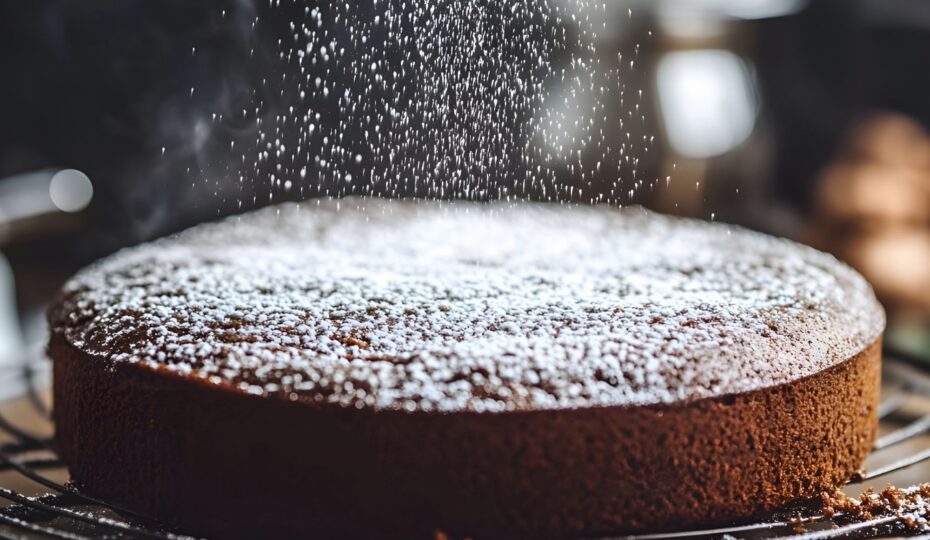
Using powdered sugar directly in cake batter often leads to a gummy texture due to rapid dissolution and added starch. For frostings, powdered sugar creates smooth texture, stable structure, and a clean sweet taste. It also serves as a finishing touch when dusted lightly on baked cakes.
Brown Sugar and Molasses Content
Brown sugar is granulated sugar with molasses added back after refining. Light brown sugar contains less molasses and provides mild caramel flavor and added moisture. Dark brown sugar has higher molasses content, deeper molasses flavor, and darker color.
Brown sugar works well in chocolate cake, spice cakes, and recipes where moisture and deeper flavor are desired. In high-volume cake production, brown sugar increases moisture but may also shorten shelf life if not balanced properly with other ingredients.
Demerara Sugar and Turbinado Sugar
Demerara sugar and turbinado sugar are less processed sugars with larger crystals and some retained molasses. These sugars offer light caramel flavor and a crunchy texture when used on the surface of baked goods.
In cake baking, these sugars work best as toppings rather than primary sugars. They provide visual appeal and texture on muffins, coffee cakes, and crumb toppings. Their large crystals dissolve slowly and may create grainy batter if mixed directly into cake recipes.
Muscovado Sugar and Whole Cane Sugars
Muscovado sugar is a dark, sticky sugar that retains most of its molasses. It delivers strong caramel flavor and high moisture content. Whole cane sugars behave similarly, though color and flavor vary by processing method.
These sugars work well in specialty cakes where bold flavor is part of the product identity. In production settings, muscovado sugar requires careful handling due to clumping, moisture variability, and sticky texture that can affect mixing equipment.
Coconut Sugar and Maple Sugar in Specialty Cakes
Coconut sugar is made from the nectar of coconut blossoms. It has a darker color, gritty texture, and mild toffee-like taste. Maple sugar delivers distinct maple flavor and works best in limited applications where that flavor supports the recipe.
Both sugars add flavor but also darken batter and baked cakes. They work best in premium or limited-run cakes rather than high-volume production, where consistency and neutral flavor are often preferred.
Liquid Sweeteners Like Honey and Maple Syrup
Liquid sweeteners such as honey and maple syrup add sweetness, moisture, and flavor. These ingredients behave differently from dry sugars and require recipe adjustments to manage moisture levels and structure.
In cake baking, liquid sweeteners increase moisture but may reduce rise or change crumb texture. They also affect browning and flavor balance. Manufacturers often use them in specific products rather than as direct replacements for granulated sugar.
Matching Sugar Types to Cake Categories
Different cakes respond differently to sugar selection. Butter cakes and pound cakes perform best with granulated sugar or blends that include light brown sugar for moisture. Sponge cakes rely on caster sugar or superfine sugar to support whipped eggs and stable foam.
Chocolate cake often benefits from brown sugar or small amounts of muscovado sugar to balance cocoa bitterness. Frosting systems require powdered sugar for smooth texture, while decorative finishes use sanding sugar or coarse sugars for appearance and crunch.
If you are developing cake products that rely on dry formulations or premixed ingredients, the quality and consistency of your sweetener supply becomes even more important. We offer ingredient sourcing for manufacturers producing commercial baking mixes, helping brands maintain stable sweetness, texture, and performance across packaged cake mixes and other baking products. If you are looking for reliable bulk sweetener supply for premix production, explore our Sweeteners for Baking Mixes solutions to see how our ingredient distribution supports large-scale baking operations.
Substituting Sugars Without Breaking the Recipe
Sugar substitution is possible, but results vary based on crystal size and moisture content. Substituting granulated sugar with caster sugar often works with minor mixing adjustments. Replacing granulated sugar with brown sugar increases moisture and flavor but may alter structure.
Reducing sugar in a cake recipe often leads to drier texture and lighter color. Increasing sugar softens crumb and increases sweetness but may weaken structure if pushed too far. Liquid sweeteners can replace dry sugar only when water balance and mixing times are adjusted.
Storage and Handling for Consistent Results
Sugar quality depends on proper storage. Moisture exposure leads to clumping, especially in powdered sugar and brown sugar. Starch added to icing sugar helps prevent clumping, but dry storage remains essential.
Manufacturers benefit from consistent sugar specifications, sealed packaging, and predictable delivery. Uniform crystals, stable moisture levels, and clean handling reduce production issues and support repeatable cake results.
Conclusion
Sugar selection shapes texture, rise, color, moisture, and flavor in cake baking. Granulated sugar remains the standard for most production needs, while superfine sugar, brown sugar, and specialty sugars support specific cake types and product goals. Crystal size, molasses content, and moisture levels all affect how cakes mix, bake, and hold up over time. Consistent sugar specifications help manufacturers maintain quality across batches and improve shelf life without changing core recipes.
US Sweeteners supports manufacturers with bulk sugar supply, nationwide logistics, and custom packaging options that align with large-scale cake baking and food production. With multiple warehouse locations and reliable inventory, supply planning becomes simpler and more predictable. If you want to review sugar options or discuss sourcing for cake production, contact us to start the conversation. Our team can help align sugar supply with production schedules and packaging needs.
FAQs
What is the best sugar for cake baking in commercial production?
Granulated sugar is the most reliable choice for commercial cake baking because it offers consistent sweetness, predictable texture, and stable performance across large batches.
Can I substitute granulated sugar with caster sugar in a cake recipe?
Yes. Caster sugar dissolves faster and usually works in the same quantity, though mixing times may need adjustment to avoid over-aeration.
What does brown sugar do differently than white sugar in cakes?
Brown sugar adds moisture and molasses flavor, which creates a softer crumb and darker color compared to white sugar.
When should powdered sugar be used instead of granulated sugar?
Powdered sugar works best in frosting and decorative finishes, not in cake batter, where it may cause gummy texture.