
Sugar Crystals for Baking: How to Make Every Treat Sparkle
Picture this: you’ve just pulled a batch of perfectly golden cookies from the oven, but something’s missing. They look good, but they don’t have that magical sparkle that makes people stop and stare. That’s where sugar crystals for baking come in. These tiny, glittering gems transform ordinary baked goods into show-stopping masterpieces.
Whether you’re decorating Christmas cookies, adding elegance to wedding cupcakes, or simply want to discover what makes professional bakers’ creations so visually stunning, understanding sugar crystals is your ticket to baking success. These aren’t just regular table sugar. They are specially crafted crystals designed to add both visual appeal and delightful texture to your favorite treats.
What Are Sugar Crystals?
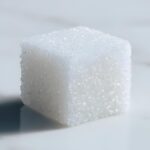
Sugar crystals used in baking are specially manufactured decorative sugars that maintain their shape and sparkle when exposed to oven heat. Unlike regular table sugar that dissolves quickly, these crystals are larger and more stable, making them perfect for adding visual appeal to your baked goods.
The science behind these crystals is fascinating. They’re made from the same sucrose (C12H22O11) as normal sugar, but the crystallization process is carefully controlled. The sugar syrup is heated to create a supersaturated solution, then cooled slowly to form larger, uniform crystals that catch and reflect light beautifully.
Most sugar crystals start as cane sugar, though some are made from sugar beets. The manufacturing process ensures each crystal is the right size and density to resist melting during typical baking temperatures.
Types of Sugar Crystals for Baking
Sanding Sugar
Sanding sugar features fine crystals that are slightly larger than regular granulated sugar. These work perfectly for creating an even, glittery coating on cookies and small pastries. They’re ideal when you want sparkle without overwhelming texture.
Coarse Sugar Crystals
Coarse sugar crystals are the most popular choice for decorative baking. These larger crystals, similar in size to pretzel salt, provide excellent visual impact while maintaining their structure during baking. They’re perfect for decorating cookies, muffins, scones, cupcakes, and holiday baking projects.
Sparkling Sugar
Sparkling sugar falls between sanding and coarse varieties. These crystals are specifically designed to catch light and create maximum visual impact, making them perfect for special occasions like weddings or holidays.
Color Options
Sugar crystals come in numerous colors, including white, red, blue, green, yellow, orange, pink, and brown. Each color maintains the same baking properties while adding themed decoration possibilities. This makes them a versatile choice for seasonal, holiday, or custom-themed treats.
How to Use Sugar Crystals in Baking
The Egg Wash Method
The most effective way to apply sugar crystals is by using an egg wash technique:
- Mix the egg wash: Beat one egg with a tablespoon of water or milk
- Brush onto dough: Use a pastry brush to apply a thin layer on unbaked cookies or pastries
- Add crystals: Sprinkle or roll the crystals onto the wet surface
- Bake normally: The crystals will adhere during baking without melting
Direct Application
For some uses, sugar crystals can be applied directly by pressing them into cookie dough, sprinkling over muffin batter, or rolling shaped dough in crystals before baking. This enhances both the texture and appearance of your baked goods. The crystals hold their shape during baking, adding a sweet crunch and a touch of sparkle.
Coverage Guidelines
A 4-ounce package of sugar crystals typically covers:
- 2-3 dozen cupcakes with a moderate sprinkling
- 4-5 dozen cookies with a light application
- 1-2 dozen items with heavy coverage
Best Applications for Sugar Crystals
Cookies and Biscuits
Sugar crystals are perfect for holiday cookies, sugar cookies, and any baked goods where you want extra visual appeal. They won’t dissolve like regular sugar, maintaining their sparkle throughout the baking process.
Cakes and Cupcakes
Add elegance to birthday cakes, wedding cupcakes, or any special occasion desserts. The crystals create a professional-looking finish that catches light beautifully. They’re an easy way to elevate homemade treats with bakery-style charm.
Breads and Pastries
Coarse sugar crystals add a delightful crunch and shine to sweet breads, coffee cakes, scones, muffins, Danish pastries, and even pie crusts for an extra touch of sparkle. They enhance both texture and presentation, making everyday baked goods feel more special. Simply sprinkle before baking for a bakery-quality finish.
Specialty Applications
Coarse sugar crystals are perfect for chocolate-dipped treats, ice cream toppings, candy making, and seasonal decorations. They add texture, color, and a festive sparkle to confections. Use them to create eye-catching sweets for holidays, parties, or gifts.
Why Sugar Crystals Don’t Melt
The key advantage of sugar crystals over regular sugar is their resistance to melting. This happens because:
- Larger size: The crystals are much bigger than regular sugar granules
- Lower surface area: Less surface area means slower heat absorption
- Crystalline structure: The organized molecular structure is more stable
- Controlled manufacturing: The crystals are specifically designed for baking applications
Regular table sugar has a melting point around 366°F (186°C), but sugar crystals can withstand typical baking temperatures of 325-375°F without losing their structure or sparkle.
Storage and Handling Tips
Proper Storage
Store sugar crystals in airtight containers or resealable bags, and keep them in a cool, dry place away from humidity. To preserve their color and texture, avoid mixing different colors during storage. Proper storage helps maintain their crispness and sparkle, ensuring they’re ready for decorating whenever you need them.
Shelf Life
Sugar crystals have an indefinite shelf life when stored properly. However, they may lose some sparkle over time if exposed to moisture or humidity. Keeping them sealed and dry ensures they maintain their color, crunch, and decorative appeal for years to come.
Quality Indicators
When buying coarse sugar crystals, look for ones that are uniform in size and color, free from clumping, bright and sparkly, and properly packaged in food-safe containers. These qualities ensure the best texture, appearance, and safety for your baked goods.
Troubleshooting Common Issues
Crystals Won’t Stick
If sugar crystals fall off during or after baking, the problem is often due to poor adhesion. To prevent this, use a proper egg wash technique and apply the crystals to a slightly damp surface so they stick better during baking.
Crystals Melt or Disappear
If crystals lose their shape during baking, it may be due to high oven temperatures or using the wrong type of sugar. Make sure you’re using coarse baking crystals, not regular sugar, and double-check that your oven is set to the correct temperature.
Uneven Distribution
If some areas end up with too many sugar crystals while others have too few, it’s likely due to uneven application. To fix this, use a small spoon or shaker to apply the crystals more evenly and with better control. This helps create a consistent finish and enhances the overall look of your baked goods.
Colors Bleeding
If colored sugar crystals lose their vibrancy, it’s often due to improper storage or age. To maintain brightness, store them in a cool, dry place and use fresh crystals when possible. Some slight fading is normal, especially with certain colors, but proper care helps preserve their visual appeal.
Tips for Success
- Choose the right size: Fine crystals for delicate work, coarse for bold statements
- Apply to slightly damp surfaces: Egg wash or light syrup helps crystals stick
- Don’t overdo it: A little sparkle goes a long way
- Consider the occasion: White for weddings, colors for holidays or themes
- Store properly: Keep crystals dry and separate by color
- Experiment with combinations: Mix sizes and colors for unique effects
Conclusion
Sugar crystals are more than just a pretty finishing touch. They are a simple, effective way to add texture, color, and sparkle to your baked creations. From cookies and cupcakes to breads and candies, these decorative sugars help elevate everyday treats into eye-catching delights. With the right type, application method, and storage, sugar crystals can bring professional-quality charm to your home baking and special occasions alike. We hope this guide helps you bake with more confidence and creativity moving forward.
Looking to buy high-quality sugar crystals in bulk? US Sweeteners has you covered with a wide selection of decorative sugars and other essential ingredients in vibrant colors and crystal sizes, perfect for bakeries, food manufacturers, and home-based businesses. We hope to be your go-to supplier as you move forward with your baking goals. Contact us today to place an order or speak with our team about custom packaging options.
FAQs
What is crystal sugar in baking?
Crystal sugar in baking refers to specially manufactured decorative sugar crystals that are larger than regular granulated sugar and designed to maintain their sparkle and structure when baked, adding visual appeal and texture to cookies, cakes, and other baked goods.
Can you bake with sugar crystals?
Yes, you can bake with sugar crystals as they’re specifically designed to withstand typical baking temperatures without melting or losing their decorative properties.
Do you put sugar crystals on cookies before or after baking?
You put sugar crystals on cookies before baking, typically after brushing the unbaked dough with egg wash to help the crystals adhere properly during the baking process.
What sugar is best for sugar crystals?
Cane sugar is typically best for making sugar crystals due to its pure sucrose content and ability to form stable, uniform crystals during the controlled crystallization process.