
How Manufacturers Use Monk Fruit Liquid Sweetener
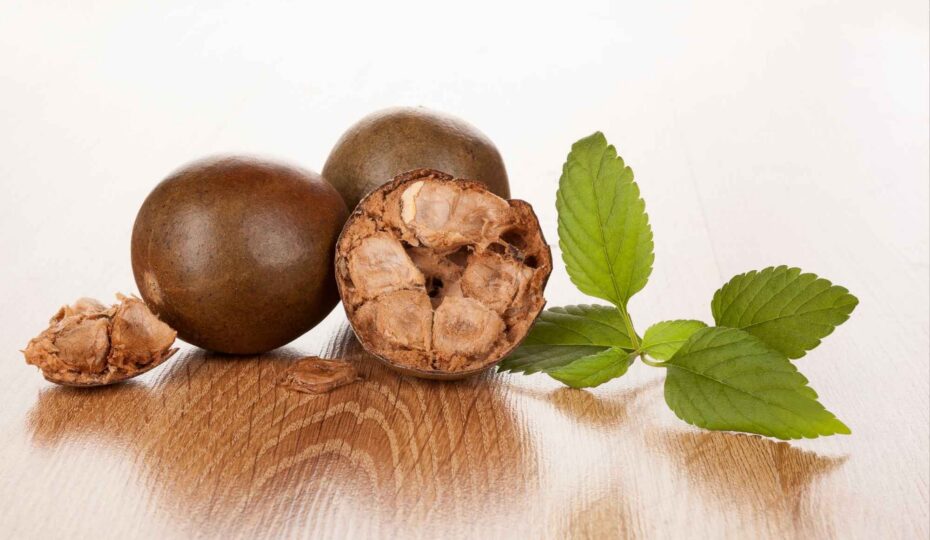
Monk fruit liquid sweetener is a natural sweetener used by food and beverage manufacturers that want a sugar replacement without the calories of traditional sugar. It comes from monk fruit extract, derived from the fruit known as luo han guo, and it delivers intense sweetness in very small amounts. Because it contains zero calories, zero net carbs, and a zero glycemic profile, many manufacturers use it in products designed to reduce sugar while maintaining a sweet taste. Today, it appears in beverages, foods, and specialty products where companies want zero sugar, sugar-free, or keto-friendly labeling.
At US Sweeteners, companies across the United States source ingredients used in commercial food production, beverage manufacturing, and ingredient distribution. The company supplies bulk sweeteners and food ingredients with nationwide logistics support and multi-warehouse distribution. Many manufacturers rely on suppliers like US Sweeteners to secure a consistent inventory of ingredients such as monk fruit extract, natural sweeteners, and other sugar alternatives used in modern food formulations.
What Is Monk Fruit Liquid Sweetener?
Monk fruit liquid sweetener is the liquid form of monk fruit extract, a concentrated sweetening ingredient made from the fruit called luo han guo. The extract contains naturally sweet compounds that provide strong sweetness without the calorie load of traditional sugar. Because it functions as a zero-calorie sweetener, monk fruit extract is commonly used in products that need sweetness while reducing total calories and sugar content.
Manufacturers often prefer monk fruit liquid because liquid ingredients dissolve quickly in beverages and syrups. The liquid format is useful in drinks, flavored concentrates, and sweetening systems where accurate dosing is needed. Many consumer products, such as monk fruit drops or liquid sweeteners, rely on a few drops to sweeten beverages, which highlights how concentrated the ingredient can be compared with traditional sugar.
Why Monk Fruit Liquid Sweetener Is So Potent
Monk fruit extract is significantly sweeter than traditional sugar, which means only small amounts are needed to create the same level of sweetness. This high sweetness intensity allows manufacturers to reduce the total sugar content of their products while still maintaining a sweet taste. For example, when used in beverages or flavored syrups, a manufacturer may only need a few drops of monk fruit liquid to achieve the desired sweetness level.
According to research, monk fruit contains natural compounds called mogrosides, which are responsible for the intense sweetness of the fruit. The study explains that mogrosides are triterpene glycosides that can be up to 300 times sweeter than sucrose, which helps explain why monk fruit extract can deliver strong sweetness with very small quantities in food and beverage formulations. These compounds are the main reason manufacturers can use monk fruit extract as a sugar substitute in products that aim to reduce calories and sugar content.
Because of this potency, many commercial formulations rely on blends that include other ingredients. These blends help balance the taste, manage sweetness intensity, and improve functionality in recipes. Even though monk fruit provides the sweet profile, manufacturers often combine it with ingredients that improve texture or bulk when replacing sugar in complex food formulas.
How Monk Fruit Liquid Sweetener Is Made
The production of monk fruit extract begins with harvesting the fruit known as luo han guo. The fruit is processed to remove the seeds and outer skin, and the pulp is crushed to release its juice. This juice is refined to isolate the sweet components of the fruit, creating a concentrated extract that contains the compounds responsible for sweetness.
Once the extract is produced, it can be diluted into liquid sweetener systems. This creates monk fruit liquid products packaged in bottles or bulk containers measured in fl oz or oz units. Some products are sold as concentrated drops, while others are diluted to make dosing easier for beverage companies and food manufacturers that require precise sweetness control.
Why Manufacturers Use Monk Fruit Liquid Sweetener
Manufacturers use monk fruit liquid sweetener because it helps reduce or remove sugar in products while maintaining sweetness. Many companies develop sugar-free products using monk fruit to support growing demand for natural sweeteners and sugar alternatives. These products appeal to consumers who want lower sugar intake but still expect a sweet taste in foods and beverages.
Another reason manufacturers use monk fruit sweetener is its compatibility with low-carb product categories. Products labeled keto-friendly, zero sugar, or zero net carbs frequently use monk fruit extract to achieve sweetness without raising blood sugar levels. This makes monk fruit attractive for product lines aimed at consumers managing carbohydrate intake or products marketed to people concerned about diabetes and glycemic control.
Common Food And Beverage Applications
Monk fruit liquid sweetener is widely used in beverage production because it dissolves easily and delivers consistent sweetness. Many ready-to-drink products, including flavored waters, nutrition drinks, and powdered drink mixes, rely on monk fruit extract as a sugar substitute. It is also used to sweeten coffee, tea, flavored syrups, and drink concentrates that are mixed with milk or water.
Beyond beverages, monk fruit sweetener appears in a wide range of foods. Manufacturers use it in dairy products like yogurt, nutrition shakes, and flavored smoothies. Some brands add monk fruit to breakfast foods such as oatmeal mixes or drinkable nutrition products where sweetness is required but sugar content must remain low.
Using Monk Fruit In Baking And Recipes
Replacing sugar in baking is more complex than replacing sugar in beverages. Sugar contributes not only sweetness but also structure, moisture, and browning in baked foods. When manufacturers use monk fruit extract in recipes, they often combine it with other ingredients to maintain the desired texture.
Food formulators sometimes add bulking ingredients or create sweetener blend systems to replace the physical properties of sugar. These blends allow the final product to maintain the correct mouthfeel and baking performance while still delivering zero-calorie or zero-sugar claims on the finished food product.
Monk Fruit Liquid Sweetener Compared With Other Sugar Alternatives
Monk fruit is often compared with other natural sweeteners such as stevia. Both ingredients deliver strong sweetness with low or no calories, which makes them useful sugar alternatives in reduced-sugar products. Some commercial products combine monk fruit with stevia or other sweeteners to balance flavor and reduce aftertaste.
Another common comparison involves blends with erythritol. Erythritol is frequently paired with monk fruit because it adds bulk and mild sweetness. These blends are used when replacing sugar in foods where sweetness alone is not enough to replicate the full functionality of sugar in a recipe.
Ingredient Blends And Flavor Systems
Commercial products rarely rely on pure monk fruit extract alone. Manufacturers frequently create sweetener blends that combine monk fruit with ingredients such as erythritol, stevia, or flavor components like vanilla or raspberry. These combinations help create a more balanced sweetness profile and improve the taste of the finished product.
Flavor systems also help manufacturers create different product variations. Beverage brands may produce vanilla-flavored or raspberry-flavored drinks sweetened with monk fruit. Other products use monk fruit drops that allow consumers to sweeten coffee, tea, or smoothies directly from a bottle.
What Buyers Should Check Before Purchase
When purchasing monk fruit liquid sweetener, manufacturers often review the concentration of the ingredient. Because monk fruit extract is highly concentrated, small dosing differences can change the sweetness level in a finished product. Buyers typically examine product specifications, sweetness equivalency, and recommended usage levels before completing a purchase.
Buyers also review the ingredient list to identify other ingredients in the sweetener system. Some products contain preservatives, flavorings, or bulking ingredients. Companies that sell food products labeled gluten-free or free from allergens may also verify that the sweetener does not contain ingredients derived from wheat, egg, or fish.
If you are looking for sweeteners designed for beverage production, we offer ingredient solutions tailored for beverage manufacturers. Our Sweeteners for Beverage Manufacturing page explains how companies can source ingredients used in flavored drinks, coffee beverages, tea products, nutrition drinks, and other ready-to-drink formulations. We offer supply support for manufacturers who need reliable ingredient sourcing and consistent distribution across beverage production lines.
Packaging And Product Formats
Monk fruit liquid sweetener is sold in many packaging formats depending on the buyer’s needs. Consumer products often appear in small bottles measured in fl oz, while commercial customers may purchase larger containers designed for manufacturing environments. Bulk buyers may request a specific pack size that matches their production requirements.
The packaging format also affects how the ingredient is used. Some manufacturers prefer concentrated monk fruit drops that require only a few drops per batch. Others choose diluted liquid sweeteners that allow more precise dosing in large production runs where consistent sweetness levels are required across many batches.
Safety And Regulatory Status
Monk fruit extract is accepted for use in foods in the United States through regulatory processes overseen by the FDA. Products made with monk fruit sweetener appear in a wide range of commercial foods and beverages sold in the country. Manufacturers follow ingredient labeling standards when listing monk fruit extract or blended sweeteners on product labels.
Regulatory treatment may vary by region, so companies exporting food products sometimes review ingredient rules in other markets, such as Canada. These checks confirm that the finished product meets labeling and ingredient requirements before distribution in different countries.
Conclusion
Monk fruit liquid sweetener gives manufacturers a way to reduce sugar while maintaining sweetness in beverages and foods. The ingredient comes from monk fruit extract and provides strong sweetness with zero calories and zero glycemic impact. Because it is significantly sweeter than sugar, only small amounts are needed in many formulations. Manufacturers often combine monk fruit with other ingredients such as erythritol or flavor systems to create balanced sweetener blends.
At US Sweeteners, manufacturers source ingredients used in commercial food production and beverage manufacturing across the United States. The company supplies bulk sweeteners, ingredient blends, and packaging formats suited for manufacturers and distributors. Contact us to learn about available sweetener ingredients and supply options. Our team supports companies that need reliable ingredient sourcing and consistent delivery.
FAQs
What is monk fruit liquid sweetener made from?
Monk fruit liquid sweetener is made from monk fruit extract derived from the fruit called luo han guo. The extract contains compounds that create strong sweetness without the calories found in sugar.
Does monk fruit liquid sweetener raise blood sugar?
Monk fruit sweetener does not contain the same carbohydrates as regular sugar, so it generally does not raise blood sugar levels. Many products using monk fruit are marketed as zero glycemic or keto-friendly.
Can monk fruit liquid sweetener be used in coffee and tea?
Yes. Many people use monk fruit drops to sweeten coffee, tea, smoothies, and other drinks. Because the sweetener is concentrated, only a few drops may be needed.
Is monk fruit liquid sweetener safe to consume?
Monk fruit extract is accepted for use in foods in the United States and appears in many beverages and foods. Products made with monk fruit sweetener can be consumed as part of normal diets when used according to food labeling standards.