
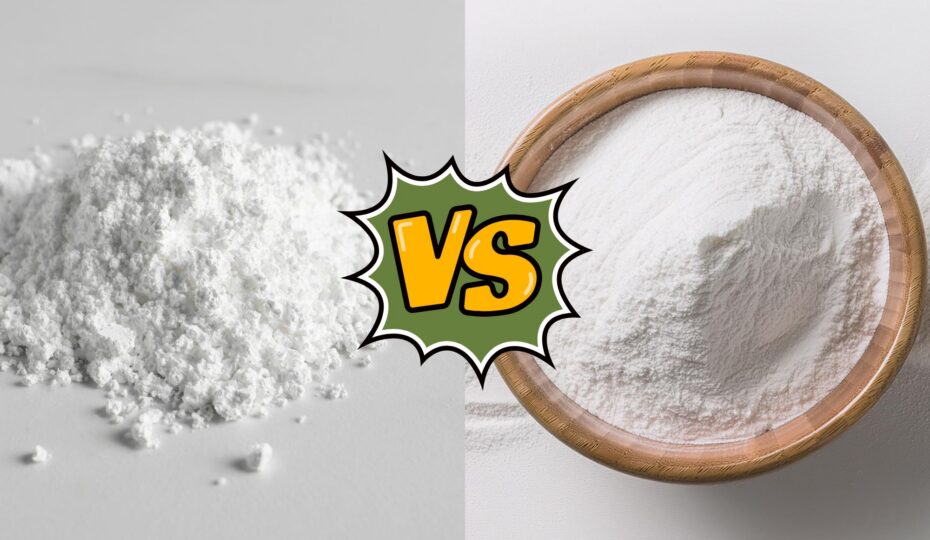
Maltodextrin vs Dextrose: Which Is Better for Your Needs?
If you’ve ever looked at the label of a sports drink or nutrition supplement, chances are you’ve seen maltodextrin or dextrose listed. These two carbohydrates are everywhere, from athletic fuel to processed foods, but choosing the right one depends on your specific goals.
Whether you’re formulating a product or planning your post-workout recovery, understanding the difference between maltodextrin and dextrose can help you get better results. This guide breaks it down simply so you can decide which carb works best for your needs.
What is Maltodextrin?
Maltodextrin is a complex carbohydrate created through the partial hydrolysis of starch, commonly derived from corn starch, potato starch, rice, or wheat. Unlike simple sugars, maltodextrin consists of glucose molecules linked together in chains of varying lengths, making it technically a polysaccharide despite its rapid absorption rate.
The production process involves breaking down starch using enzymes or acids, creating shorter glucose chains than the original starch molecule. This process gives maltodextrin its unique properties – it’s less sweet than sugar but more readily absorbed than complex carbohydrates like whole grains.
Key Characteristics of Maltodextrin:
- Neutral to slightly sweet taste
- Excellent solubility in both hot and cold water
- High glycemic index (85-105 on the GI scale)
- Acts as both an energy source and a food additive
- Commonly used in sports drinks and processed foods
Maltodextrin helps provide energy to living organisms while serving multiple functions in food manufacturing. It acts as a bulking agent, improves texture, and extends shelf life in various products. The molecular weight of maltodextrin varies depending on the degree of hydrolysis, affecting both its sweetness and absorption rate.
What is Dextrose?
Dextrose is pure glucose – the simplest form of sugar that your body can use for energy. Also known as D-glucose, it’s a monosaccharide that requires no further breakdown before absorption in the small intestine. This makes dextrose one of the fastest-acting carbohydrates available.
Usually corn-derived through complete starch hydrolysis, dextrose is chemically identical to the glucose naturally found in your bloodstream. Unlike L-glucose (which doesn’t occur naturally in living organisms), D-glucose is the form your body recognizes and metabolizes efficiently.
Key Characteristics of Dextrose:
- Pure glucose has the maximum sweetness among glucose forms
- Glycemic index of 100 (the reference standard)
- Instantly absorbed into the bloodstream
- Commonly used in medical settings for treating low blood sugar
- Essential ingredient in sports nutrition and recovery products
Dextrose provides immediate energy to your body without requiring digestion. This rapid absorption makes it invaluable for athletes during endurance performance and for medical applications where quick blood sugar elevation is necessary.
Maltodextrin vs Dextrose: The Key Differences
Understanding the core differences between these carbohydrates is crucial for making informed decisions about their use in nutrition and manufacturing.
Molecular Structure and Composition
The fundamental difference lies in their molecular structure. Dextrose is a single glucose molecule (monosaccharide), while maltodextrin consists of multiple glucose molecules linked together (polysaccharide). This structural difference affects everything from taste to absorption rate.
Maltodextrin’s longer glucose chains must be broken down by enzymes in your digestive system before absorption, though this process happens quickly. Dextrose, being already in its simplest form, bypasses this step entirely.
Absorption and Blood Sugar Impact
Both ingredients have a high glycemic index, but they affect blood sugar differently:
Dextrose:
- Immediate spike in blood glucose levels
- Peak absorption within 15-30 minutes
- Provides quick energy but shorter duration
Maltodextrin:
- Slightly more gradual blood sugar rise
- Sustained energy release over 30-60 minutes
- Better for maintaining energy levels during prolonged activities
Taste and Sweetness Profiles
The taste difference is immediately noticeable. Dextrose tastes distinctly sweet, about 70% as sweet as regular sugar. Maltodextrin has a neutral, almost bland taste with minimal sweetness, making it ideal for applications where added sweetness isn’t desired.
This taste difference makes maltodextrin the preferred choice for sports drinks where high carbohydrate content is needed without overwhelming sweetness.
Sports Nutrition Applications
The choice between maltodextrin and dextrose often comes down to timing and specific athletic goals.
Pre-Workout Fueling
For pre-workout nutrition, maltodextrin offers advantages for sustained energy release. Consuming 20-30 grams about 30-60 minutes before exercise provides steady glucose availability without causing rapid blood sugar fluctuations.
Dextrose works better for immediate pre-workout needs (within 15 minutes of exercise) when you need quick energy but haven’t had time for proper meal timing.
During Exercise
Endurance performance benefits significantly from maltodextrin’s sustained energy release. Athletes can consume 30-60 grams per hour during prolonged activities without experiencing the rapid sugar spikes and crashes associated with simple sugars.
For shorter, high-intensity activities, dextrose provides the immediate glucose needed for peak performance. The same amount of dextrose delivers faster energy but may require more frequent dosing.
Post-Workout Recovery
Both maltodextrin and dextrose excel in post-workout applications, but for different reasons:
Maltodextrin Benefits:
- Supports gradual glycogen replenishment
- Pairs well with protein for muscle recovery
- Less likely to cause digestive upset in large doses
Dextrose Benefits:
- Rapidly restores blood glucose levels
- Triggers a strong insulin response for nutrient uptake
- Ideal for the immediate post-workout window
Many successful formulations combine both ingredients to capture the benefits of immediate and sustained energy delivery.
Food Manufacturing and Industrial Uses
Beyond sports nutrition, both ingredients serve important roles as food additives in commercial food production.
Maltodextrin in Food Manufacturing
Maltodextrin functions as more than just a sweetener in processed foods. It acts as a bulking agent in low-calorie products, enhances texture in sauces and dressings, serves as a carrier for flavors and nutrients, and extends shelf life by controlling moisture. Its neutral taste and excellent stability make it ideal for applications where functionality matters more than sweetness.
Dextrose in Food Production
Pure glucose, or dextrose, serves several important functions in food manufacturing. It acts as a fermentation substrate in bread and alcohol production, promotes browning in baked goods through the Maillard reaction, helps control crystallization in confectionery, and aids preservation by reducing water activity. In medical settings, dextrose is commonly used in IV solutions and oral rehydration therapies due to its predictable absorption and metabolic effects.
Choosing the Right Option for Your Needs
The decision between maltodextrin and dextrose should be based on your specific goals and requirements.
Choose Maltodextrin When
Choose maltodextrin when you need sustained energy for 30 minutes or more, prefer a neutral taste, want to avoid excessive sweetness, or require stability in manufacturing for endurance-focused products. It mixes well and holds up under various processing conditions, making it a favorite in food and sports nutrition formulas.
Choose Dextrose When
Choose dextrose when immediate energy is the priority, post-workout recovery is the goal, or quick blood sugar correction is needed. Its high sweetness and pure glucose content also make it ideal for medical applications and fast nutrient absorption. This fast-acting carb is especially useful during intense training or in clinical settings where rapid glucose delivery is essential.
Consider Combining Both When:
Consider combining both maltodextrin and dextrose when you’re formulating sports nutrition products that require both immediate and sustained energy. This approach supports varied athletic demands and helps optimize post-workout recovery. Using both carbs tog
Many successful products use both ingredients strategically, with dextrose providing immediate energy and maltodextrin ensuring sustained availability.
Health Considerations and Safety
Both maltodextrin and dextrose are generally recognized as safe (GRAS) by food safety authorities when consumed in appropriate amounts.
Diabetes and Blood Sugar Management
People with diabetes should approach both ingredients with caution due to their high glycemic index. However, their predictable effects on blood sugar can be useful for managing hypoglycemic episodes under medical supervision. Maltodextrin may offer slightly better blood sugar control due to its more gradual absorption, but both should be carefully integrated into diabetes management plans.
Digestive Tolerance
Most people tolerate both ingredients well, though individual responses vary. Large doses (over 50 grams at once) may cause digestive upset in sensitive individuals. Starting with smaller amounts and gradually increasing intake helps assess personal tolerance.
Weight Management Considerations
Both ingredients provide calories (about 4 calories per gram) and can contribute to weight gain if consumed in excess. However, their role in supporting exercise performance may actually aid weight management when used appropriately around physical activity. For weight gain goals, both maltodextrin and dextrose can help increase caloric intake while supporting muscle recovery and growth.
Conclusion
When it comes to choosing between maltodextrin and dextrose, context is everything. Athletes may prioritize absorption speed, while manufacturers need to consider taste, texture, and shelf stability. Both carbohydrates offer distinct advantages: dextrose delivers fast-acting energy ideal for immediate fuel or recovery, while maltodextrin supports sustained energy and superior functionality in food and beverage formulations. Understanding their molecular makeup, glycemic impact, and use cases gives you the clarity needed to match each ingredient to its best application.
Looking to source high-quality maltodextrin or dextrose in bulk? At US Sweeteners, we offer food-grade, performance-tested carbohydrate ingredients trusted by leading manufacturers and nutrition brands nationwide. Whether you need a consistent supply, custom packaging, or expert guidance on formulation, our team is here to help. Contact us today to get a quote or speak with a specialist about your bulk ingredient needs.
FAQs
Is maltodextrin better than dextrose?
Neither is inherently “better” – maltodextrin provides sustained energy release, making it ideal for endurance activities, while dextrose offers immediate energy, perfect for post-workout recovery and medical applications.
Is maltodextrin safe for the body?
Yes, maltodextrin is generally recognized as safe (GRAS) by food safety authorities when consumed in normal amounts, though people with diabetes should monitor their blood sugar response due to its high glycemic index.
Is maltodextrin a healthy sugar substitute?
Maltodextrin isn’t really a sugar substitute since it has a similar glycemic impact to sugar and provides the same calories per gram – it’s more of a functional carbohydrate ingredient rather than a healthier alternative to sugar.
Is dextrose good or bad for your health?
Dextrose is neither inherently good nor bad – it’s simply pure glucose that can be beneficial for athletic performance and medical situations requiring rapid blood sugar elevation, but like any carbohydrate, excessive consumption can contribute to weight gain and blood sugar issues.