Is High Fructose Corn Syrup Gluten Free?
Last updated: May 5, 2026
High fructose corn syrup gluten-free status matters for manufacturers managing allergen labeling, supplier approvals, and gluten-free certification audits. In practice, manufacturers can face production delays or certification issues not because HFCS contains gluten, but because supplier documentation, traceability records, or facility controls are incomplete or inconsistent.
At US Sweeteners, we operate as a wholesaler supplying bulk high fructose corn syrup for beverage, bakery, snack, and packaged food manufacturing. Our focus includes ingredient consistency, bulk supply reliability, and supporting manufacturers that require ingredients aligned with gluten-free production standards and compliance documentation requirements.
What is High Fructose Corn Syrup?
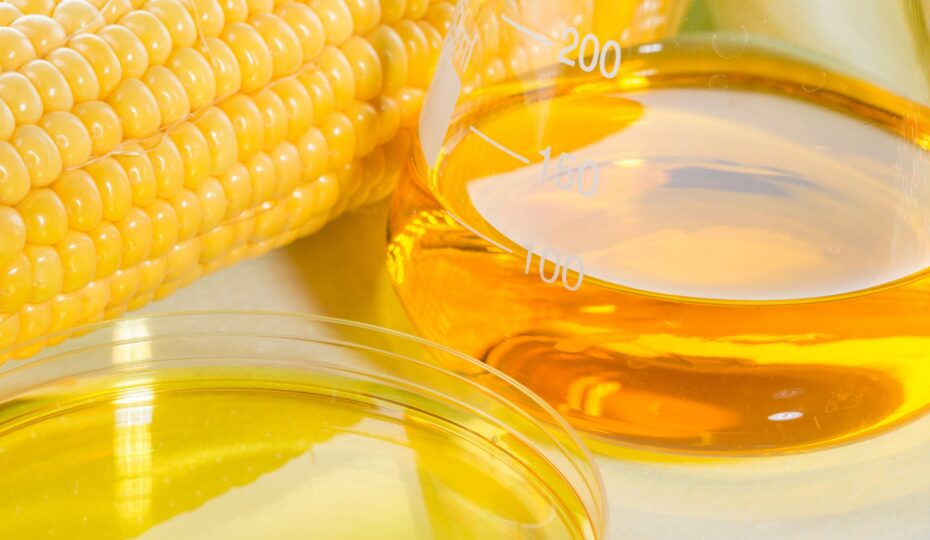
High fructose corn syrup is a sweetener used in processed foods and beverages. It is produced from corn starch through an enzymatic process that converts some glucose into fructose. The final ingredient contains different fructose-to-glucose ratios depending on the application. Manufacturers commonly use HFCS because it improves sweetness, texture stability, moisture retention, and shelf life.
HFCS differs from regular corn syrup. Traditional corn syrup is mostly glucose, while HFCS contains additional fructose for increased sweetness and functionality in commercial food production. Because HFCS blends easily into liquid systems, it is widely used in beverages, sauces, baked goods, and packaged foods.
Why HFCS Creates Confusion in Gluten-Free Manufacturing
Corn itself is naturally gluten free, which means HFCS is also naturally gluten-free in composition. However, for manufacturers pursuing gluten-free certification, ingredient composition is only one part of the approval process. Audits often evaluate supplier verification, production handling procedures, and documentation controls in addition to the ingredient itself.
According to research, high fructose corn syrup is not meaningfully different in composition or metabolism from other fructose-glucose sweeteners such as sucrose, honey, and fruit juice concentrates. The research found no evidence that HFCS behaves differently in the body compared to these sweeteners, reinforcing that many concerns about HFCS stem from misunderstanding rather than actual compositional differences.
In manufacturing environments, confusion usually comes from certification and compliance processes rather than the ingredient itself. We have seen manufacturers delay ingredient approvals because supplier allergen documentation was incomplete, outdated, or missing facility-level cross-contact controls during gluten-free audits.
Is High Fructose Corn Syrup Gluten Free?
Yes, high fructose corn syrup is naturally gluten free because it is made from corn rather than wheat, barley, or rye. This makes HFCS suitable for gluten-free food and beverage formulations. However, in manufacturing environments, certification concerns usually come from processing controls and documentation gaps rather than the ingredient itself.
Even if HFCS is gluten free by composition, manufacturers still need to verify supplier handling practices, traceability systems, and cross-contact prevention procedures before approving the ingredient for certified gluten-free products. We have seen manufacturers run into certification delays because supplier records did not clearly document allergen handling controls or cleaning validation procedures. In some cases, the ingredient itself met gluten-free standards, but incomplete supplier paperwork slowed product approvals during audits.
Food manufacturers should also review the entire formulation, not just the sweetener. Flavor systems, stabilizers, processing aids, and shared production equipment can all introduce gluten-related compliance risks if not properly controlled.
Why Gluten-Free Certification Matters in HFCS Manufacturing
Gluten-free certification matters because manufacturers are expected to prove ingredient safety beyond basic composition. Certification programs evaluate sourcing records, supplier controls, sanitation procedures, and facility handling standards before approving finished products for gluten-free labeling.
For HFCS manufacturing and ingredient sourcing, certification reviews commonly focus on:
- Ingredient sourcing documentation and gluten-free declarations
- Manufacturing process controls and contamination prevention
- Facility cleanliness, sanitation, and cross-contact prevention
In practice, we’ve seen manufacturers pass ingredient reviews but fail certification readiness because supporting documentation was incomplete or outdated. In many cases, the issue was not the HFCS itself, but the inability to quickly verify supplier controls during audit requests.
Where Gluten-Free Risk Actually Comes From in Sweeteners
The main gluten-free risk in sweetener manufacturing usually does not come from the sweetener itself. It typically comes from supplier handling procedures, production environments, and documentation gaps.
For example, switching from HFCS to cane sugar does not automatically reduce gluten-free risk if both ingredients are processed in facilities with similar cross-contact exposure or incomplete allergen controls. The real risk is not the ingredient but how consistently the ingredient is controlled, documented, and verified throughout the supply chain.
The most common certification risks manufacturers encounter include:
- Shared manufacturing equipment without validated cleaning procedures
- Incomplete or outdated supplier documentation
- Cross-contact during ingredient handling, storage, or transport
These are often the issues that create delays during gluten-free certification reviews, not the HFCS ingredient itself.
How Gluten-Free Audits Evaluate Ingredients Like HFCS
In gluten-free certification audits, ingredients like HFCS are not evaluated in isolation. Auditors assess how the ingredient fits into the full supply chain, including sourcing, handling, and documentation readiness. This means manufacturers must be able to demonstrate not just that an ingredient is gluten-free, but that it has been consistently managed under controlled conditions.
During audits, manufacturers are often required to show supplier verification records, traceability documentation, and evidence of cross-contact prevention. In practice, delays happen when documentation cannot be produced quickly or lacks sufficient detail, even if the ingredient itself is compliant. This is why audit readiness depends heavily on supplier reliability and documentation quality.
When Switching Sweeteners Does Not Reduce Gluten-Free Risk
A common assumption in product development is that replacing HFCS with another sweetener improves gluten-free compliance. In reality, this is often not the case, especially when the underlying supplier controls and processing conditions remain unchanged.
For example, switching to cane sugar or honey does not eliminate gluten risk if the new supplier has weaker allergen controls or inconsistent documentation. In some cases, manufacturers increase certification risk after reformulation because the replacement ingredient cannot meet audit requirements as consistently as the original HFCS supplier. Effective gluten-free compliance decisions should focus on supplier verification and process control rather than ingredient perception alone.
Finding Safe HFCS for Your Needs
When sourcing high fructose corn syrup for gluten-free manufacturing, supplier verification is just as important as ingredient composition. Manufacturers need confidence that ingredients meet both internal standards and external certification requirements.
Before approving HFCS for gluten-free production, manufacturers should verify:
- Supplier provides gluten-free documentation and allergen statements
- Facility has validated cross-contact prevention controls
- Ingredient traceability is documented and audit-ready
Missing even one of these areas can create delays during certification reviews or internal compliance audits.
Conclusion
High fructose corn syrup is naturally gluten free because it is derived from corn rather than wheat, barley, or rye. However, in food manufacturing, gluten-free certification depends on much more than ingredient composition alone. Manufacturers also need to evaluate supplier documentation, traceability systems, allergen controls, and audit readiness before approving HFCS for certified gluten-free production. Many certification delays happen because of incomplete records or cross-contact concerns rather than the HFCS ingredient itself.
At US Sweeteners, we supply bulk high fructose corn syrup for food and beverage manufacturers managing ingredient sourcing, production consistency, and compliance requirements. Our focus includes dependable wholesale supply, consistent specifications, and supporting manufacturers that require documentation aligned with gluten-free production standards. Contact us to learn more about our bulk HFCS supply solutions and manufacturing support services.
FAQs
Is high fructose corn syrup naturally gluten free?
Yes. HFCS is made from corn and does not naturally contain gluten.
Why can gluten-free certification still fail with HFCS?
Most failures come from documentation gaps, cross-contact risks, or incomplete supplier verification.
Can HFCS be used in certified gluten-free products?
Yes, if supplier controls and manufacturing standards meet gluten-free certification requirements.
What do manufacturers verify before approving HFCS?
Manufacturers review supplier documentation, traceability records, and cross-contact prevention controls.

Thomas is a product expert at US Sweeteners, a trusted bulk sugar and sweetener distributor serving food and beverage manufacturers across the USA. He writes about sweetener sourcing, ingredient trends, and supply chain insights for the food industry.