Is Glucose Syrup the Same as Corn Syrup?
Glucose syrup and corn syrup are used in everything from candy to sauces, but many people don’t realize they’re not the same. In recipes and ingredient lists, the terms are often used interchangeably, which leads to confusion in both home kitchens and commercial food production.
If you’ve ever asked whether glucose syrup is the same as corn syrup, the answer depends on the source and composition. While corn syrup is made only from corn starch, glucose syrup can come from other starchy foods like wheat, potatoes, or rice. Understanding the differences helps you choose the right sweetener for consistency, sweetness, and shelf life, especially if you’re making baked goods, frozen desserts, or confections.
How is Glucose Syrup Made?
Glucose syrup is made by processing starch from foods like corn, wheat, rice, or potatoes. The production process involves breaking down the starch into smaller sugar units through either acid hydrolysis or enzymatic hydrolysis. These methods convert complex carbohydrates into simpler forms, primarily glucose molecules, which form the base of the syrup.
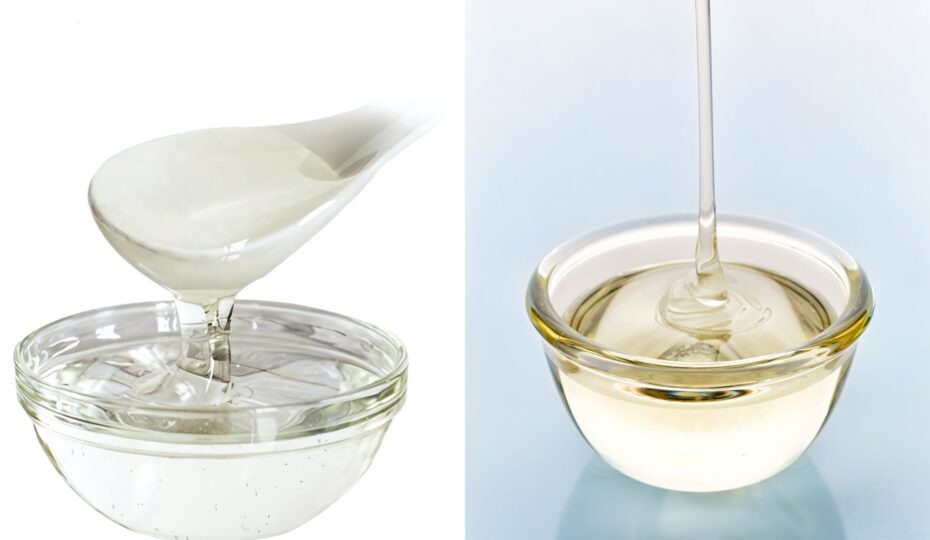
The result is a thick, sweet liquid commonly referred to as liquid glucose. This syrup is usually clear and has a high sugar content, making it useful in many food applications. Its consistency and sweetness level can vary depending on the original starch source and how completely it’s broken down during production.
Key Features and Functions
Glucose syrup is widely used in the food industry because of its functional benefits. It helps add sweetness, improve taste, and prevent sugar crystallization, making it a key ingredient in many commercial recipes. It also helps soften texture, retain moisture, and extend shelf life, which is especially useful in products that need a smooth, stable consistency over time.
You’ll commonly find glucose syrup in processed foods, frozen desserts, ice creams, baked goods, fruit juices, and soft drinks. It works well when used alongside sugar or invert sugar, helping manufacturers maintain the desired texture and quality in both sweet and savory formulations.
Types of Glucose Syrup
There are several forms of this syrup, depending on how it’s processed and its intended use.
| Type | Description |
|---|---|
| High maltose glucose syrup | Contains a high amount of maltose. Less sweet. Used to keep products dry. |
| Confectioner’s syrup | Used in candy making. Helps prevent sugar crystallization. |
| Wheat, rice, or potato-based | May offer additional functionality like improved texture or shine. |
Not all glucose syrup is the same. The source of starch and level of sugar breakdown (measured by DE or dextrose equivalent) affect sweetness and thickness.
What Is Corn Syrup?
Corn syrup is a type of glucose syrup that is made from corn starch. It is produced by breaking down corn through a similar process, yielding a sweet, viscous liquid. It is widely used in the United States and often appears in recipes, packaging, and industrial manufacturing.
Corn syrup is called glucose syrup in some contexts, but the term “corn syrup” refers only to glucose syrup made exclusively from corn.
Types of Corn Syrup
There are different types of corn syrup, each used for different purposes.
- Light corn syrup: A clear, mildly sweet syrup commonly used in baking, glazes, and sauces for smooth texture and moisture retention.
- Dark corn syrup: Contains added molasses, giving it a deeper color and richer flavor, often used in recipes like pecan pie and barbecue sauces.
- High fructose corn syrup: A processed version where some is converted into fructose. Frequently found in soft drinks, packaged snacks, and other processed foods.
How the FDA Defines Corn Syrup
The U.S. Food and Drug Administration (FDA) classifies corn syrup as a product derived from the partial hydrolysis of corn starch, resulting in a syrup made of nearly 100% glucose molecules. Their guidelines also note that “corn syrup” and “glucose syrup” are sometimes used interchangeably, though corn syrup is specifically derived from corn.
This distinction helps clarify why corn syrup is often listed separately on ingredient labels and why it functions the way it does in commercial food production. Since it’s made from just glucose, corn syrup offers a stable sweetener that blends easily into formulations, helps prevent sugar crystallization, and extends shelf life in everything from candies to sauces.
Glucose Syrup vs Corn Syrup: What’s the Difference?
| Feature | Glucose Syrup | Corn Syrup |
|---|---|---|
| Source | Made from corn, wheat, potatoes, or rice | Made only from corn starch |
| Composition | A mix of glucose, maltose, and other sugars | Just glucose (unless high fructose) |
| Sweetness | Varies based on DE level | Mildly sweet |
| Use Cases | Baking, ice creams, confections, and sauces | Candy, pies, and sauces |
| Function | Prevents crystallization, softens texture | Adds consistency and moisture |
So, is glucose syrup the same as corn syrup? No. While corn syrup is a type of glucose syrup, not all glucose syrup is made from corn.
Nutrition and Health
Calories and Sugar
Both syrups are added sweeteners with high sugar content and little to no health benefits. They are liquid sweeteners that contribute significantly to calorie intake.
| Sweetener | Calories (per tablespoon) | Sugar (grams) |
|---|---|---|
| Light corn syrup | ~57 | ~15.5 |
| High fructose corn syrup | ~53 | ~14.4 |
| Branded glucose syrup (e.g., Queen) | ~318 | ~28 |
Some glucose syrup brands contain more sugar per tablespoon than corn syrup.
Health Risks
Consuming too much added sugar, including products that contain glucose syrup or corn syrup, can contribute to several health concerns. These include weight gain, high blood sugar, cavities, and an increased risk of heart disease. Regular intake of these syrups in processed foods may lead to long-term negative health effects, especially when not balanced with a nutrient-rich diet.
Although these sweeteners are widely used in the food industry for their texture, stability, and moisture retention, they provide no nutritional benefits. Unlike the naturally occurring sugars in fruits and vegetables, these syrups do not come with fiber, vitamins, or minerals. Their role is functional, not nutritional.
Uses of Glucose Syrup and Corn Syrup
Glucose syrup is useful when you need to:
- Prevent sugar crystallization
- Add gloss to glazes or icings
- Keep candy smooth and chewy
- Maintain moisture in baked items
- Improve the texture of ice cream
Glucose syrup works well when used with table sugar or invert sugar.
Corn syrup is common in:
- Pecan pies
- Caramel sauces
- Soft candies
- Recipes that call for liquid corn syrup
Both syrups are used in many recipes to improve consistency and texture.
Corn Syrup and Glucose Syrup Substitutes
If you’re looking for corn syrup substitutes or want to replace glucose syrup, here are options:
| Substitute | Texture | Sweetness Level | Notes |
|---|---|---|---|
| Maple syrup | Thin, sticky | Medium | May change flavor; works in baking |
| Brown rice syrup | Thick | Less sweet | Good for granola and snacks |
| Golden syrup | Thick, similar | Sweet | Works in candies and frostings |
| Honey | Sticky | Sweet | Not ideal for candy; changes flavor |
| Homemade syrup | Made from table sugar and water | Customizable | Control texture and sweetness |
How to Identify Them on Labels
To identify whether a product contains glucose syrup or corn syrup, it’s important to read the ingredient label carefully. Manufacturers may list these sweeteners under different names, including glucose syrup, liquid glucose, corn syrup, liquid corn syrup, high fructose corn syrup, or invert sugar. You may also come across the phrase “called glucose syrup” in certain formulations.
Checking the label helps clarify the syrup’s source and composition, especially if you’re trying to limit added sugars or avoid fructose. Since many processed foods use these syrups for texture and stability, recognizing the terms on packaging can help you make more informed choices.
Which One Should You Use?
If you’re looking to enhance texture, improve shelf life, or prevent crystallization, especially in candies, icings, or frozen desserts, glucose syrup is often the better choice. Its ability to maintain smooth consistency and reduce crystallization makes it ideal for delicate confections, chewy candies, and ice creams that need to stay soft and stable over time. Depending on the source (wheat, rice, or potatoes), it may also add unique texture or shine to your final product.
On the other hand, corn syrup works well in recipes that need mild sweetness, moisture retention, and reliable binding properties. It’s commonly used in pecan pies, caramel sauces, glazes, and other baked goods where corn starch-derived syrup is traditionally favored. For food manufacturers or home bakers who want a familiar, versatile sweetener made purely from corn, corn syrup remains a trusted and effective option.
Conclusion
Glucose syrup and corn syrup are closely related but not identical. Corn syrup is a type of glucose syrup made exclusively from corn starch, while glucose syrup can come from other starch sources like wheat, rice, or potatoes. Both improve texture, add sweetness, and prevent crystallization in food products. Understanding their differences is important when selecting the right sweetener for your recipes or commercial applications. Knowing which type provides the right performance and consistency helps source sweeteners or work with specific formulation needs.
At US Sweeteners, we supply high-quality syrups, and other liquid sweeteners trusted by food manufacturers, bakeries, and distributors nationwide. Whether you’re scaling production or refining a recipe, our products help you get the consistency, flavor, and shelf life you need, without compromise. You can order directly from our warehouse or contact us for custom pricing.
FAQs
Is glucose syrup the same as corn syrup?
No. Corn syrup is made only from corn starch, making it a specific type of glucose syrup. In contrast, glucose syrup can come from various starchy foods like corn, wheat, rice, or potatoes. All corn syrup is glucose syrup, but not all glucose syrup is corn syrup.
Can I substitute glucose syrup for corn syrup in recipes?
Yes. In most cases, you can substitute one-to-one without changing the texture or sweetness of baked goods, candy, or sauces. Both syrups act similarly to prevent sugar crystallization and add moisture, but differences in sweetness or thickness may occur based on their source.
What’s the difference between corn syrup and high fructose corn syrup?
Corn syrup contains just glucose, while high fructose corn syrup (HFCS) is made by converting some of that glucose into fructose. Common HFCS blends are 42% or 55% fructose, with the rest being glucose.
Does corn syrup help prevent sugar crystallization?
Yes. Corn syrup helps prevent sugar crystallization in candy, caramel, and sauces by interfering with how sugar molecules align. This keeps textures smooth and glossy, which is why it’s common in candy making and chocolate glazes.