
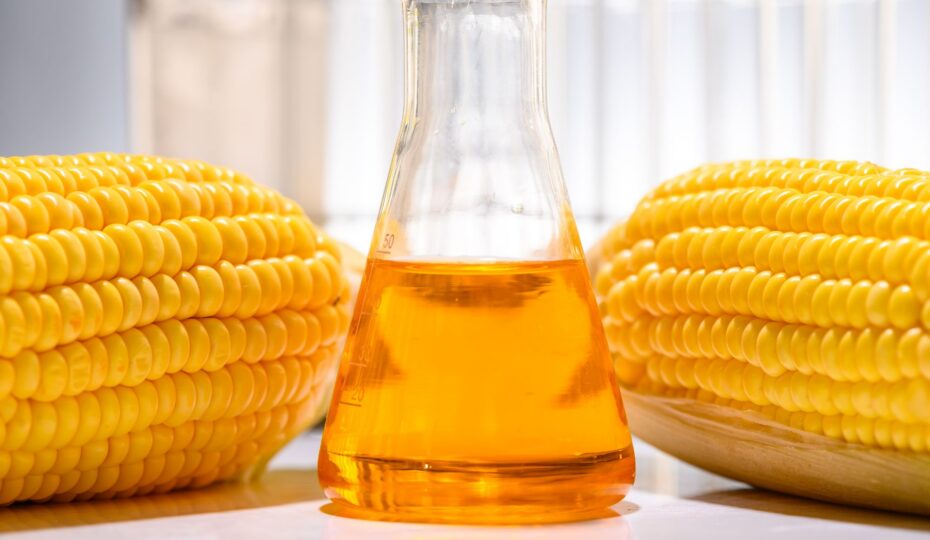
Corn syrup is one of the most widely sourced sweeteners in commercial food production, valued for its consistency, shelf stability, and performance across large-scale applications. Derived from corn starch through a controlled enzymatic process that converts starch into glucose, corn syrup serves different functions in finished product formulations — from controlling sugar crystallization in confections to delivering an ideal glaze on baked ham and barbecued meats. For procurement teams, QA managers, and R&D formulators, understanding whether corn syrup goes bad — and how to store corn syrup at commercial volumes — is essential to protecting product quality, reducing waste, and maintaining batch-to-batch consistency.
This guide answers the core question food manufacturers, breweries, and bakeries ask: does corn syrup go bad, how long syrup remains usable, and what signs indicate the ingredient has drifted below peak quality.
Quick Answer for Procurement and QA Teams
Corn syrup does not spoil quickly. When stored properly in sealed, food-grade containers away from heat, direct sunlight, and moisture, unopened corn syrup maintains freshness longer than most liquid sweeteners and can remain usable for an indefinite period. Opened corn syrup typically holds peak quality for 1–2 years beyond the expiration date or “best by” date stamped on the bottle. Spoilage is rare but possible — visible mold, sour flavor profiles, or off-odors are the primary disqualifiers for finished product use.
Corn Syrup in Commercial Formulations
Corn syrup is a staple in industrial recipe development because it delivers a smooth texture, controls sugar crystallization, and supports consistent mouthfeel across production runs. In commercial kitchens and manufacturing facilities, corn syrup serves different functions depending on the finished product:
- Confectionery and candy: Controls sugar crystallization in hard candy, caramels, and fondants, producing a smooth texture that granulated sugar alone cannot achieve.
- Baked goods: Retains moisture, extends shelf life, and supports browning in cookies, pecan pie, and other baked goods.
- Frozen desserts: Prevents the formation of ice crystals, protecting creamy texture during distribution and longer storage in frozen supply chains.
- Sauces and glazes: Acts as an ideal glaze for baked ham, barbecued meats, and baked vegetables, adding sheen and balancing sour flavor profiles in fruit sauces and marinades.
- Beverages and syrups: Blends into karo pancake syrup, flavored pancake syrup formulations, and toppings for french toast, and serves as a base that can carry vanilla, salt, and caramel color for a molasses like flavor. In some formulations it substitutes for granulated sugar or brown sugar where liquid sweeteners improve mouthfeel.
Unlike pure maple syrup — which requires refrigeration after opening and can develop visible mold — corn syrup’s low moisture content and high sugar concentration inhibit microbial growth, giving it a much longer ingredient shelf life. Honey behaves similarly, but corn syrup is typically more cost-effective at scale and easier to specify for reduced calorie products, cholesterol free foods, fat free claims, and gluten free SKUs when sourced from a facility free of gluten cross-contact.
Types of Corn Syrup B2B Buyers Should Know
Different flavor characteristics, different functions. Specifying the right type of corn syrup matters when you follow recipes developed for specific sensory outcomes.
Light Corn Syrup
Light corn syrup is clear with a delicately sweet flavor, often finished with vanilla and salt for extra smoothness. It is the default choice when fresh fruit flavor needs to stay forward — fruit sauces, jams, marshmallow, and light-colored baked goods. It pairs well with fresh fruit applications where regular corn syrup would otherwise dull delicate notes. Note that “light” is a popular description referring to color, not calories; light and dark varieties carry the same number of calories per serving, and neither contains fewer calories than the other. The case refers to appearance only, and light corn syrup may turn slightly yellow over time without any loss of safety.
Dark Corn Syrup
Dark corn syrup carries a rich brown color and a more robust flavor, thanks to added refiners’ syrup, a type of molasses. It delivers the molasses like flavor essential for pecan pie, gingerbread, baked beans, and glazes for baked ham. Its caramel color and robust flavor hold up in barbecued meats, baked vegetables, and darker baked goods where light corn syrup would disappear.
High Fructose Corn Syrup
High fructose corn syrup (HFCS) is processed to convert a portion of glucose to fructose, producing a sweeter profile than regular corn syrup. It is widely used in beverages, condiments, and shelf-stable processed foods where solubility and sweetness-per-cost drive specification.
Regular Corn Syrup
Regular corn syrup — primarily glucose — remains the workhorse for confectionery, frozen desserts, and any application where controlling sugar crystallization is critical to finished product quality.
Does Corn Syrup Go Bad?
Yes — but rarely. Corn syrup’s low moisture content and high sugar load suppress microbial activity, so properly stored product can sit in a warehouse for an indefinite period without becoming unsafe. The date stamped on the bottle or bulk container is not the number that determines safety; it is a peak quality indicator established by the manufacturer.
For B2B buyers, the risk is not sudden spoilage but gradual quality drift: color darkening, mild crystallization, or subtle flavor dulling that can affect finished product consistency. Mold only develops when water is introduced through contamination, condensation, or compromised packaging.
How Long Does Syrup Last in Commercial Storage?
| Storage condition | Expected shelf life |
|---|---|
| Unopened, sealed, cool and dry | Indefinite period; maintains freshness longer than most liquid sweeteners |
| Opened, resealed, ambient | 1–2 years past expiration date |
| Refrigerated after opening | Extends peak quality; reduces sugar crystallization risk |
| Heat-exposed or contaminated | Discard if any spoilage signs appear |
| How long syrup stays at peak quality depends almost entirely on storage conditions. Temperature swings, headspace air, and moisture ingress are the three factors that shorten usable life in commercial environments. |
Four Signs Corn Syrup Has Gone Bad
QA teams should evaluate incoming and in-use corn syrup against four checkpoints before release to production.
1. Visible Mold or Particulates
Any visible mold, film, or foreign matter is an automatic rejection. Mold can produce mycotoxins and indicates moisture contamination. Always use clean, sanitized transfer equipment to prevent introducing water or organic matter into store syrup containers.
2. Color or Consistency Changes
Fresh light corn syrup is clear; it may turn slightly yellow with age, which is normal. A dramatic darkening, cloudiness, or separation in either light or dark corn syrup warrants investigation. Dark corn syrup’s rich brown color can mask subtle changes, so rely on smell and taste as secondary checks.
3. Off-Odors
Properly stored corn syrup has a neutral, faintly sweet aroma. Sour, fermented, or yeasty notes indicate contamination and the product should not be used.
4. Sugar Crystallization
Crystallization is a quality issue, not a safety issue. Warming the container in a hot water bath typically restores smooth texture. If crystals persist or the product tastes off, replace it.
Storage Best Practices for Bulk Buyers
If you purchase corn syrup in bulk or manage inquiries and bulk sweetener orders across multiple SKUs, storage discipline directly affects product quality and yield:
- Store corn syrup in food-grade, airtight containers to block air and moisture, the two drivers of sugar crystallization and contamination.
- Maintain a cool, dry environment away from direct sunlight, ideally at stable ambient temperature. Refrigeration is optional for longer storage of opened product.
- Date every container on receipt. Track the expiration date alongside your internal lot code to manage FIFO rotation.
- Dedicate clean transfer equipment per SKU to prevent cross-contact, especially in facilities producing gluten free, fat free, or cholesterol free foods.
- Verify gluten status and facility certifications with your supplier if your finished product carries allergen claims.
Corn syrup is gluten free by nature, but claims-level assurance depends on the supplier’s facility controls.
Does Karo Pancake Syrup or Karo Corn Syrup Go Bad?
Karo pancake syrup and Karo corn syrup follow the same shelf life rules as any branded or private-label corn syrup. Sealed tightly and stored properly, Karo can last years past its expiration date. Evaluate it against the same four spoilage signs before release.
Quick-Reference FAQ
Does corn syrup really go bad?
Rarely. It loses peak quality before it becomes unsafe. Discard if you see visible mold, smell sour notes, or detect off flavors.
How long syrup lasts once opened?
Typically 1–2 years past the expiration date when tightly sealed and stored in a cool, dry place.
Do I need to refrigerate corn syrup?
No. Corn syrup is shelf-stable. Refrigeration can slow sugar crystallization and support longer storage of opened product.
Is corn syrup safe for all consumers?
Corn syrup is safe for older children and adults. It should never be given to infants under 12 months due to potential Clostridium botulinum spores — a standard guideline that also applies to honey.
Is corn syrup gluten free?
Yes. Corn syrup is naturally gluten free. For labeling claims, confirm your supplier produces in a facility free of gluten cross-contact.
Why Bulk Buyers Choose U.S. Sweeteners
U.S. Sweeteners supplies food manufacturers, breweries, and bakeries with consistent, specification-grade corn syrup — light corn syrup, dark corn syrup, and high fructose corn syrup — alongside a diverse range of sugars, sweeteners, and food enhancement ingredients such as bulk granulated sugar used for sweetness and structure, bulk confectioners sugar in frosting and icing applications, and bulk dextrose powder used as a multi-purpose sweetener. We also support customers evaluating options to substitute for corn syrup and adjacent shelf-stability questions such as whether sweetened condensed milk offers an extended shelf life when stored correctly.
As a trusted bulk sugar supplier in the US with reliable sweetener sourcing and logistics backed by our company’s long-standing focus on quality and customer service, we help procurement and R&D teams keep production lines moving and finished product quality consistent.

Thomas is a product expert at US Sweeteners, a trusted bulk sugar and sweetener distributor serving food and beverage manufacturers across the USA. He writes about sweetener sourcing, ingredient trends, and supply chain insights for the food industry.