Last updated: January 6, 2026
Does Corn Syrup Go Bad: How To Tell
Corn syrup is a popular sweetener found in baked goods, sauces, and beverages. It is also commonly used as a glaze for baked ham and barbecued meats, providing an ideal glaze that enhances both flavor and appearance. In recipes, corn syrup can sometimes be substituted for brown sugar or granulated sugar, though differences in texture and moisture content may affect the final result, and it can also be used as a substitute for simple syrup in some beverages. Using corn syrup instead of other sweeteners can result in different flavor characteristics in finished products. It is also enjoyed as a topping for french toast and is a key ingredient in karo pancake syrup, which offers a maple flavor. Some syrups use caramel color to achieve their characteristic hue.
Corn syrup is gluten free, making it suitable for those with gluten sensitivities. Both light and dark corn syrups are cholesterol free foods and fat free, but they do not contain fewer calories or qualify as reduced calorie products. It has a long ingredient shelf life, and strong consumer demand keeps it widely available in stores. It has a long shelf life, but like any food product, it can eventually lose quality or spoil. Knowing how to tell if corn syrup is bad helps you avoid wasted ingredients and ensures your recipes always taste fresh.
Introduction to Corn Syrup
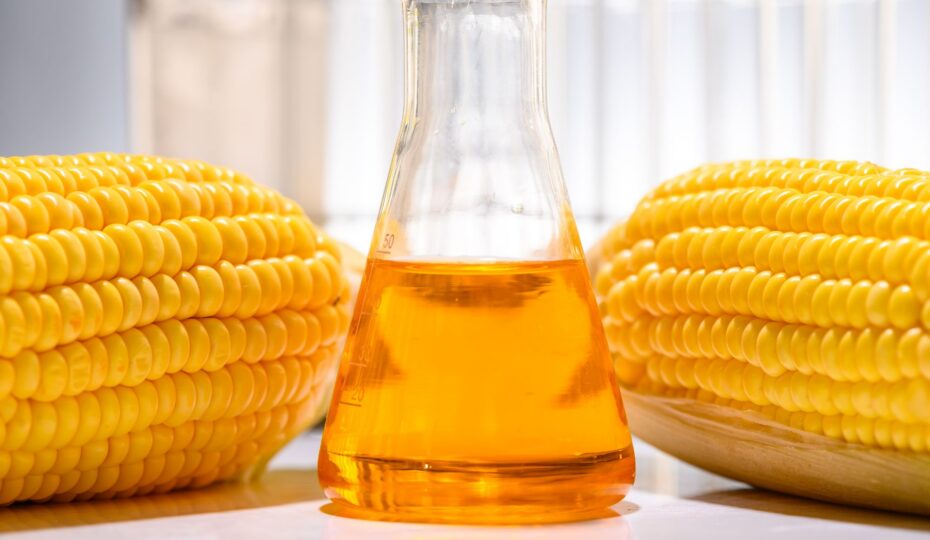
Corn syrup is a staple sweetener in many kitchens, prized for its versatility and smooth texture. Made from corn starch through a specialized enzymatic process, corn syrup comes in several varieties, each with its own unique flavor characteristics and culinary uses. Light corn syrup offers a delicately sweet flavor, making it a popular choice for fruit sauces, jams, and recipes where a subtle sweetness is desired. In contrast, dark corn syrup, made with dark corn and often enriched with molasses, boasts a rich brown color and a more robust flavor—perfect for classic desserts like pecan pie or baked vegetables that benefit from a deeper, molasses-like flavor.
High fructose corn syrup is another common type, frequently found in beverages and processed foods due to its heightened sweetness. Regardless of the variety, corn syrup serves important roles in the kitchen: it controls sugar crystallization in candies and frostings, helps prevent the formation of ice crystals in frozen desserts, and enhances the fresh fruit flavor in sauces and glazes. Unlike maple syrup, which may require refrigeration after opening, corn syrup is shelf stable and maintains freshness longer when stored in a cool, dry place away from direct sunlight. For those looking to further preserve its smooth texture and slow down sugar crystallization, refrigerating corn syrup is an option, though not a necessity.
Whether you’re making pancake syrup, fruit sauces, or adding a glossy finish to baked goods, corn syrup’s ability to deliver consistent sweetness and a smooth, pourable consistency makes it a go-to ingredient for both home cooks and professionals. Proper storage ensures that your corn syrup remains fresh and ready to use, helping you achieve the best results in every recipe.
Does Corn Syrup Go Bad?
Yes, corn syrup can eventually go bad, though it usually lasts for years when stored correctly. The high sugar content of corn syrup inhibits microbial growth, making spoilage extremely rare if the syrup is properly stored. While it doesn’t expire quickly like dairy, poor storage, exposure to air, or contamination can affect its taste, smell, and quality. For best results, corn syrup should be kept tightly sealed at room temperature in a cool, dry place.
How Long Does Corn Syrup Last? Does It Expire?
Corn syrup has a long ingredient shelf life and doesn’t spoil quickly like perishable foods. In fact, an unopened bottle can last indefinitely if tightly sealed and stored correctly. The “best by” date on the label isn’t an expiration date; it’s a guideline for peak quality. Even after that date, corn syrup is often safe to use, though it may slowly darken, lose sweetness, or crystallize.
Quick Shelf Life Guide:
- Unopened corn syrup: Indefinite ingredient shelf life if tightly sealed and stored properly
- Opened corn syrup: 1–2 years beyond the “best by” date if tightly sealed
- Refrigeration: Not required, though it may help preserve freshness and reduce crystallization
The actual shelf life depends on storage conditions. Corn syrup should be kept in a cool, dry place away from direct sunlight. Heat and humidity can accelerate quality loss. Always seal the container tightly after each use, since exposure to air may lead to crystallization or even contamination.
When you see “light” corn syrup, remember that “light” refers to the color, not the number of calories—both light and dark varieties have the same calorie content.
How to Know If Corn Syrup Has Gone Bad (4 Key Signs)
While corn syrup has a long shelf life, it’s still important to check for signs of spoilage. Visible mold or food particles in the syrup are clear signs that it has gone bad and should be discarded. Here are some indicators that your corn syrup might be past its prime:
Changes in Color or Consistency
One of the first signs that corn syrup might be going bad is a change in its appearance. Fresh corn syrup is usually clear or light amber. Light corn syrup may turn slightly yellow as it ages, which is normal and does not affect its safety or quality. However, if you notice that the syrup has turned much darker or has a cloudy appearance, it could be an indication of spoilage.
Unusual Smell
Most often, corn syrup has a neutral, barely sweet smell. If upon opening the container you smell an off or sour odor, throw it out. Bacterial growth or contamination can bring on a strange smell.
Taste Changes
If you suspect your corn syrup might be expired, you can also perform a taste test. A small amount of syrup that tastes off or sour should not be consumed. Fresh corn syrup should taste sweet and pleasant.
Crystallization
Crystallization does not mean your corn syrup has expired, but it can impair the texture and palate of your dishes. If your syrup has crystallized, try placing the container in hot water to help dissolve the sugar crystals and restore the syrup’s smooth texture. If the crystals remain after that, it may be advisable to replace the syrup.
What to Do with Expired Corn Syrup
If you determine that your corn syrup has expired or gone bad, dispose of it properly. Pour small amounts down the drain with plenty of water, or seal it in a container and place it in the trash. Avoid pouring large amounts down the drain, as this can lead to clogs.
Can Expired Corn Syrup Be Used in Any Way?
Crystallized corn syrup can sometimes be salvaged in baking recipes where texture matters less, such as cookies or cakes. However, if there are any spoilage signs, a strange odor, a cloudy appearance, or a sour taste, it should not be used. In food manufacturing, expired syrup is generally discarded to avoid inconsistent product quality.
Does Karo Syrup Go Bad?
Karo syrup, one of the most recognized corn syrup brands, follows the same shelf life rules. If stored in a cool, dry place and sealed tightly, it can last years past its “best by” date. Karo syrup’s gluten status is gluten free, making it suitable for those with gluten sensitivities. Check for the same spoilage signs before using.
Does Light or Dark Corn Syrup Go Bad?
Both light and dark corn syrup have long shelf lives. The high concentration of sugar molecules in both types helps prevent microbial growth, which is a key reason for their extended shelf stability. Light corn syrup may show discoloration more quickly, while dark corn syrup’s molasses content can mask small changes. However, both are prone to spoilage if exposed to heat, air, or contamination.
Corn Syrup Shelf Life and Storage Tips
If you purchase corn syrup in bulk, proper storage is key to ensuring it lasts as long as possible. Here are some tips to help you store your syrup effectively:
- Use Airtight Containers: Transfer corn syrup to airtight containers if the original packaging is not resealable. This will prevent air from entering and causing spoilage.
- Label Your Containers: Mark your containers with the purchase date so you can keep track of how long you’ve had the syrup.
- Store in a Cool, Dark Place: A pantry or cupboard away from heat sources is ideal for storing corn syrup.
Conclusion: How To Tell If Corn Syrup Is Bad
Corn syrup is a versatile and long-lasting sweetener when stored correctly. Knowing the signs of spoilage can help you prevent undesirable results in your recipes, while proper storage ensures that they stay fresh. If in doubt, it’s best to be safe and replace expired corn syrup rather than risk ruining a dish.
If you keep these tips in mind, you’ll be prepared to store corn syrup in bulk and make it last as long as possible. Whether you’re a home cook or a professional baker, fresh ingredients are the key to achieving the best results.
is a premier provider of bulk corn syrup, offering consistent quality and fast delivery. Request a quote today.
Does corn syrup really go bad, or does it just get old?
Corn syrup doesn’t spoil quickly like milk, but it can lose quality over time. If it looks cloudy, smells sour, or tastes off, it’s best to toss it.
How long does corn syrup last once I open it?
If stored in a cool, dry place with the lid sealed tightly, an opened bottle of corn syrup usually lasts up to 2 years beyond the “best by” date.
Do I need to refrigerate corn syrup after opening?
No. Corn syrup is shelf-stable and doesn’t require refrigeration, though chilling it won’t hurt and may slow crystallization.
What happens if I use expired corn syrup in a recipe?
If the syrup is spoiled, it may give your dish an unpleasant flavor and texture. Luckily, it’s easy to spot bad syrup before you add it to your cooking.
Does Karo syrup last as long as regular corn syrup?
Yes. Karo syrup is a branded corn syrup and follows the same storage and shelf life rules. When sealed and stored properly, it can last years past its printed date.