Best Methods on How to Store Bulk Sugar for Long-Term Use
Bulk sugar is used in homes, bakeries, and for emergency food supply planning. It’s affordable, long-lasting, and useful in cooking, baking, and preserving food. Many people buy it in bulk to save money and reduce trips to the store.
To keep bulk sugar fresh and ready to use, it needs to be stored properly. This article explains how to store bulk sugar for long-term use using the right containers, locations, and storage methods for different types of sugar.
Why Proper Sugar Storage Matters
According to research, long-term food storage should focus on protecting dry goods like sugar from moisture, pests, and temperature swings to preserve safety and quality over time. Their guidelines recommend using food-grade containers with tight seals and placing sugar in dry, cool locations off the floor to reduce spoilage risks.
Sugar is considered a shelf-stable food. But that doesn’t mean it’s immune to damage. Air, moisture, odors, and insects can affect its usability. When bulk sugar is exposed to high humidity or stored in open bags, the texture changes, pests can get in, and the sugar may absorb odors from other foods. These issues reduce its quality and usefulness for baking or cooking.
Good storage keeps your sugar ready to use and protects your long-term food storage investment. This is especially true if you’re stocking up for an emergency food supply.
Shelf Life of Different Sugars
Each type of sugar has a different shelf life. How you store it affects how long it stays fresh and safe to eat.
| Sugar Type | Shelf Life (Stored Properly) |
|---|---|
| White Sugar | 2 years to indefinite |
| Brown Sugar | 4 to 6 months |
| Powdered Sugar | Up to 2 years |
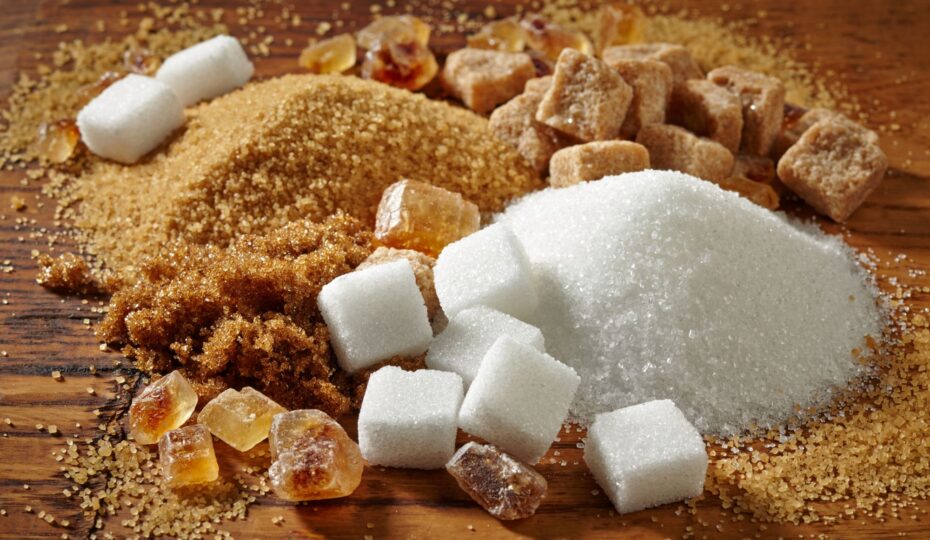
- White sugar (granulated sugar) lasts the longest. It doesn’t spoil but can clump if exposed to moisture.
- Brown sugar contains molasses and retains moisture, which causes it to harden over time.
- Powdered sugar is more sensitive to odors and air. It requires tighter control of exposure.
Best Storage Methods for Bulk Sugar
Here are some of the best storage methods for bulk sugar:
Airtight Containers
Use airtight containers with tight-fitting lids to protect sugar from air and moisture. Common options include food-grade plastic buckets, glass jars, and metal containers. These containers help maintain texture and prevent spoilage over time.
Before filling the container, make sure it is completely dry and clean. Store containers off the floor to reduce contact with moisture and to avoid attracting pests or insects.
Mylar Bags
Mylar bags are ideal for storing bulk sugar in small, sealed portions. These bags block light and air, making them useful for long-term storage when placed inside buckets or bins.
Avoid adding oxygen absorbers inside Mylar bags with sugar. Absorbers can cause clumping, which makes the sugar harder to use later.
Food-Grade Buckets
Food-grade buckets are strong, reusable, and suited for large quantities of sugar. Choose buckets with tight-fitting lids or gasket seals to block air and moisture.
Layering sugar inside Mylar bags before placing them in the bucket adds another layer of protection and makes it easier to manage portions.
Glass Jars and Small Containers
Glass jars with screw-top or gasket lids are great for storing smaller amounts of sugar. These are especially helpful for kitchen use, where sugar is used regularly.
They offer good visibility, are easy to label, and help maintain freshness for powdered sugar, brown sugar, or daily-use white sugar.
Where to Store Sugar for Long-Term Use
Store sugar in a cool, dry place like a pantry, storage room, or closet. The location should have stable temperatures and low humidity to help protect the sugar’s texture and flavor.
Avoid placing sugar near liquids, cleaning chemicals, or strong-smelling foods. Heat sources such as stoves, ovens, and dishwashers can also create moisture and spoil the sugar over time.
How to Prevent Spoilage, Pests, and Texture Changes
Sugar doesn’t spoil like meat or dairy, but it can still go bad if exposed to moisture, pests, or contamination. Protecting your bulk sugar starts with using sealed containers and keeping them in a dry location.
Avoid wet utensils, keep containers tightly closed, and label storage dates for rotation. Check for signs of moisture, insects, or spoilage every few months to make sure the sugar is still safe to use.
Storage Tips by Sugar Type
Different types of sugar require specific storage methods to maintain freshness and prevent clumping or drying out. Proper storage for each type, such as using airtight containers for white sugar, moisture-preserving techniques for brown sugar, and sealed bags for powdered sugar, ensures long-lasting quality.
White Sugar
White sugar should be stored in sealed buckets, Mylar bags, or jars to keep it dry and clump-free. It has the longest shelf life of all sugar types and doesn’t require refrigeration or freezing.
If it does clump over time, gently break it apart with a clean utensil before using. Keeping it sealed and stored off the floor helps protect it from air and moisture exposure.
Brown Sugar
Brown sugar is more sensitive to air and dries out faster than white sugar. Store it in small jars or zip-top bags placed inside larger airtight containers to preserve its moisture.
To keep it soft, add a brown sugar saver or a slice of bread inside the container. If it hardens, microwave it briefly with a damp paper towel. You can also store white sugar and molasses separately to make brown sugar fresh when needed.
Powdered Sugar
Powdered sugar should be stored in sealed jars or Mylar bags. Because of its fine texture, it easily absorbs moisture and odors, so it must be kept in a dry environment.
Before using, whisk or sift the sugar to remove any clumps that may form during storage. Always reseal containers immediately to protect texture and freshness.
How Sugar Fits Into Emergency Food Supply Plans
Sugar plays an important role in emergency food planning. It adds flavor, supports baked goods, and serves as a quick source of energy during stressful or low-resource situations.
Because of its long shelf life and versatility, sugar is one of the most commonly stored ingredients in long-term food storage kits. It also boosts morale by making meals more enjoyable during extended periods of limited food options.
Suggested Sugar Amounts for Emergency Storage
Sugar supports baked goods, flavoring, and morale during long-term events. Combine sugar with flour, grains, nuts, and rice to complete your stockpile.
| Item | Amount per Adult (1 Year) |
|---|---|
| White Sugar | 40 lbs |
| Salt | 5 lbs |
| Flour | 17 lbs |
| Rice | 25-40 lbs |
| Grains | 240 lbs (combined) |
| Canned Goods | As needed |
Conclusion
Storing sugar in bulk is about keeping it dry, protected, and easy to use. Whether you’re preparing for emergencies, stocking up for seasonal baking, or running a food business, using the right storage method makes a big difference. Containers with tight fitting lids, Mylar bags, and clean, dry storage spaces are simple but effective tools. Label your containers, rotate your supply, and check periodically for moisture, spoilage, or pests. Sugar doesn’t spoil like perishable foods, but exposure to air, liquid, or high humidity will reduce its quality. Small steps now can protect your supply for years to come.
For high-quality sugar products in bulk quantities, US Sweeteners provides granulated sugar, brown sugar, and powdered sugar suitable for long-term storage. We offer flexible options for both home and commercial use. Contact us today to place an order or learn more about how our bulk sugar options can support your food supply needs.
FAQs
How do you store bulk sugar long-term?
To store bulk sugar long-term, place it in an airtight container such as a food-grade bucket, Mylar bag, or glass jar. Keep the container in a cool, dry place away from moisture, pests, and strong odors.
Does sugar expire if stored properly?
Sugar does not expire if stored properly. White sugar can last indefinitely when kept in a sealed container in a dry, cool environment.
Should I use oxygen absorbers when storing sugar?
No, do not use oxygen absorbers when storing sugar. They can cause clumping and hardening. Sugar stores well without them in airtight containers.
Can I store sugar in Mylar bags?
Yes, sugar can be stored in Mylar bags for long-term storage. Mylar bags block light and moisture and are best used inside food-grade buckets for added protection.
What is the best container to store sugar in?
The best container to store sugar in is a food-grade bucket, metal tin, or glass jar with a tight-fitting lid. These containers keep air, moisture, and pests out.