Liquid sugar is used across the food and beverage industry because it mixes fast, provides steady sweetness, and removes the problems caused by undissolved table sugar. Many producers want to understand how is liquid sugar made because the process affects flavor, clarity, and consistency in beverages and food products. Liquid sugar is simply a controlled mixture of granulated sugar and water that is heated, filtered, and stabilized to create a smooth liquid syrup. The steps are designed to keep the sugar fully dissolved so it performs well in soft drinks, iced coffee, energy drinks, frozen desserts, baked goods, sauces, and many other items.
At US Sweeteners, we support manufacturers, distributors, and beverage producers with bulk liquid sugar, liquid sucrose, liquid invert sugar, and other sweetener solutions. The company supplies essential ingredients nationwide with logistics experience built over three decades. Our team supports industrial food operations with steady inventory, fast delivery, and packaging options designed for large-scale production.
What Does Liquid Sugar Mean?
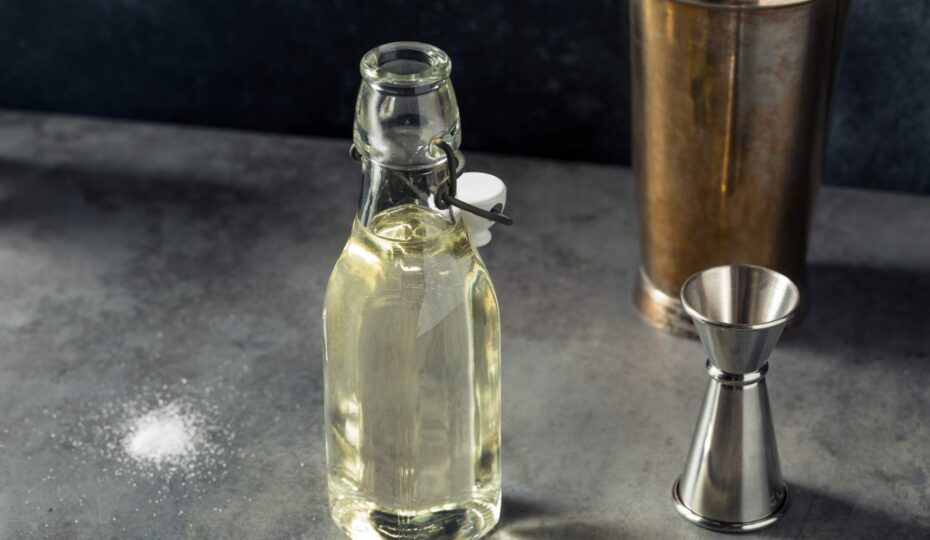
Liquid sugar is sugar in liquid form that has been mixed with water, heated, and filtered so the crystals stay fully dissolved. This creates a clear and stable mixture that blends easily into beverages and food applications without leaving grains or sediment. Most liquid sugar is made from white sugar or granulated sugar, but it can also come from brown sugar or natural syrups like maple syrup. The final sugar syrup offers the same sweetness as table sugar because its sucrose content stays consistent.
According to research, liquid sugar is simply white granulated sugar that has been dissolved in water to create a smooth syrup for food and beverage uses. Their guidance explains that simple syrup, a common variation, uses a one-to-one ratio of sugar and water, while commercial formulas may be more concentrated for manufacturing. The research also notes that liquid sugar blends easily, provides consistent sweetness, and maintains stability during storage and mixing.
There are several variations used by food manufacturers. Liquid sucrose is the most common, produced by dissolving crystalline sugar in water. Liquid invert sugar is another type where sucrose is converted into glucose and fructose using acid or enzymes. High fructose corn syrup is made from corn starch that is broken down into simple sugars. Each one has its own functional properties depending on the finished product and taste profile needed by the brand.
Ingredients Used to Make Liquid Sugar
Most industrial liquid sugar starts with white sugar or table sugar because of its purity and predictable sweetness. The mixture typically uses two parts sugar and one part water to reach the right sugar content for the beverage industry. Hot water begins the dissolving process while heat keeps the mixture from forming crystals. Some processors use lemon juice or lime juice for small-batch simple syrup at home, but commercial operations use citric acid or food-grade acids for stable pH control.
Corn and corn starch are used when producing high fructose corn syrup. Enzymes convert starch into glucose and fructose, which increases sweetness and changes how the syrup behaves in food products. Some operations also produce brown sugar syrup by blending liquid sugar with molasses for a deeper taste. Maple syrup comes from sap collected from maple trees, and although it is not part of liquid sugar manufacturing, it is another example of sugar in liquid form.
Liquid Sugar Manufacturing Process
The liquid sugar manufacturing process begins by heating water in large tanks to a controlled temperature. Granulated sugar is added slowly while operators stir the mixture to help each crystal dissolve. The goal is a smooth liquid with no grains or sediment. Small-batch preparation can be compared to warming a medium saucepan of hot water and adding sugar until it is fully dissolved, but commercial operations use automated equipment to keep temperature and heating levels steady. The mixture reaches a point where sucrose is stable, and the sweetness profile stays consistent from batch to batch.
After the sugar is dissolved, the mixture is filtered to remove any remaining particles. This step supports clarity in beverages such as soft drinks, iced coffee, and tea. It also affects flavor and light color in recipes. High-temperature steps may be used to stabilize the syrup and protect it from microbial growth. Once the mixture is heated, filtered, and checked for sugar content, it is transferred to cooling systems so it can cool completely before packaging.
How Liquid Invert Sugar Is Made
Liquid invert sugar is produced by breaking sucrose into glucose and fructose. This is done through controlled heating with acid or enzymes. Citric acid is often used because it is mild and safe for food applications. When heat and acid react with sucrose, the structure changes, and the sweetness level increases. This provides benefits such as better moisture retention, smoother texture in food products, and a longer shelf life for some applications.
Enzymes can also convert sucrose into invert sugar. Enzymatic production is common in industrial food operations because enzymes work at lower temperatures and produce consistent results. The final syrup remains in liquid form and is easy to mix with drinks or recipes. Beverage producers use invert sugar for improved flavor balance, especially when creating energy drinks, soft drinks, syrups, and flavored beverages. The functional benefits make it helpful in cakes, baked goods, and frozen desserts as well.
How High Fructose Corn Syrup Is Made
High fructose corn syrup starts with corn starch that is processed with water, heat, and enzymes. The starch breaks into glucose, and a second enzyme converts part of the glucose into fructose. This mixture increases sweetness and creates a syrup with different sugar ratios depending on the intended use. HFCS offers a light flavor and blends easily because it is already dissolved. Many beverage industry brands choose HFCS because it supports cost-effective production and consistent taste.
The mixture undergoes filtration and refining steps before shipping. This helps maintain color, flavor, and stability. Like liquid sucrose and liquid invert sugar, HFCS remains in liquid form and can be pumped directly into beverage mixing systems. The mixture supports large-scale operations because it reduces labor and improves consistency across batches.
Comparing Liquid Sugar and Granulated Sugar
Liquid sugar is preferred in many operations because it is fully dissolved and ready to use. Granulated sugar must be dissolved through heat and stirring, which slows down production. Liquid sugar avoids the problem of undissolved crystals settling at the bottom of a drink or container. This consistency is important in soft drinks, iced coffee, and flavored beverages where clarity and smooth taste matter.
Liquid sugar also improves moisture control in cakes, biscuits, and frozen desserts. The syrup format slows drying and gives baked goods a softer texture. Granulated sugar does not offer the same moisture retention because the crystals melt during baking rather than existing as a fluid component. This difference affects taste, mouthfeel, and stability in food.
How Liquid Sugar Is Used in the Beverage Industry
Liquid sugar and liquid sucrose mix quickly with cold drinks, which benefits beverage producers that run high-volume equipment. The mixture supports soft drinks, teas, coffee blends, sports drinks, and flavored water because it blends without graininess. It also keeps sweetness balanced from bottle to bottle. Because the syrup is already produced at a controlled sugar content, the final drink remains consistent.
Energy drinks and flavored beverages also use liquid invert sugar for better taste and improved stability. Invert sugar blends faster, has a slightly sweeter taste, and holds up well in refrigerated storage. Beverage industry brands also use brown sugar syrup for specialty drinks that need deeper flavor profiles. These applications depend on the functional properties of the syrup selected for the recipe.
Bulk liquid sugar is available for food and beverage operations that need a steady supply, reliable quality, and fast nationwide delivery. We offer flexible packaging options, consistent batches, and logistics support to help you keep production running without delays. If you are looking for a dependable sweetener supplier for large-scale manufacturing, you can view our product page to learn more.
How Liquid Sugar Is Used in Food Manufacturing
Food makers use liquid sugar to control moisture, flavor, and texture. Liquid sugar supports sauces, marinades, and syrups because it avoids a grainy texture and keeps the mixture smooth. It also helps balance acidity in items containing lemon juice, lime juice, or other acidic flavors. Food operations appreciate the functional benefits because the syrup stays stable during transport and storage.
Frozen desserts depend on liquid sugar to maintain a scoopable texture. It keeps ice crystals smaller and helps products stay smooth. Baked goods such as cakes also benefit because liquid sugar adds moisture that stays throughout the shelf life. Many industrial food businesses prefer liquid sugar because it is easy to pump, mix, and scale.
Quality Control and Storage
Quality control checks confirm sugar content, pH, color, clarity, and microbial safety before packaging. Producers check each batch to verify that the syrup behaves the same way every time. Heat, filtration, and proper mixing help create a consistent finished product. These steps matter because liquid sugar is used in large-scale recipes where small changes in taste or color can affect the entire batch.
Storage plays a major role in stability. Liquid sugar must be kept at the right temperature, protected from moisture, and held in clean containers. A stable pH protects the syrup from microbial growth. When stored correctly, liquid sugar maintains its taste, clarity, and performance through its entire shelf life. Facilities use stainless tanks, and the syrup must be cooled before moving to drums, totes, or tank trucks.
How Beverage Producers Choose a Supplier
Beverage producers choose a supplier based on reliability, consistency, and delivery speed. Liquid sugar must arrive ready to use, and delays can disrupt production schedules. The supplier’s ability to keep inventory available and ship on time affects the entire manufacturing chain. Many food businesses depend on suppliers with nationwide distribution because it reduces downtime.
Packaging options also influence supplier choice. Some food operations need pails or drums, while large beverage plants use tankers or totes. Technical support and consistent Brix levels matter because they affect how the syrup behaves during mixing. A strong supplier supports formulation needs and makes large-scale production more efficient.
Conclusion
Liquid sugar supports consistent sweetness, stable texture, and smooth mixing for many beverages and food products. The process of dissolving sugar, applying heat, filtering, and stabilizing creates a syrup that performs well in large-scale operations. Producers use liquid sugar because it simplifies mixing, improves moisture control, and provides predictable results for soft drinks, iced coffee, sauces, cakes, and frozen desserts.
At US Sweeteners, we supply bulk liquid sugar, liquid sucrose, liquid invert sugar, and other sweeteners to food and beverage operations across the United States. Our multi-warehouse distribution system supports fast nationwide delivery for beverage producers, bakeries, and manufacturers that require steady inventory. Contact us if you need a reliable source of sweeteners for your operation.
FAQs
What is liquid sugar made of?
Liquid sugar is made from granulated sugar and water that are heated and filtered until fully dissolved.
Is liquid sugar sweeter than regular sugar?
Liquid sugar has the same sweetness level as table sugar unless it is converted into invert sugar or high fructose corn syrup.
Can liquid sugar replace simple syrup?
Liquid sugar can replace simple syrup because both use similar sugar-to-water ratios, and both are fully dissolved.
Why do beverage producers use liquid sugar?
Beverage producers use liquid sugar because it mixes fast, stays consistent across batches, and keeps the drink clear and smooth.