
Coffee Sweeteners Guide: Types, Taste, and Health Tips
Walk into any modern coffee shop today, and you’ll find yourself staring at a condiment bar that would have bewildered coffee drinkers just decades ago. What once was a simple choice between white, pink, and blue packets has exploded into an overwhelming array of options that can leave even seasoned coffee enthusiasts scratching their heads.
The right coffee sweetener can transform your morning cup from ordinary to extraordinary, while the wrong choice might leave you wondering why your daily coffee doesn’t taste quite right. Whether you’re seeking to cut calories, manage blood sugar, or simply discover new flavors, understanding your sweetener options has never been more important.
Traditional Sugar Sweeteners: The Coffee Shop Standards
White Sugar
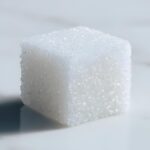
White granulated sugar remains the most popular coffee sweetener worldwide. This processed sugar provides pure sweetness without competing flavors, making it perfect for showcasing your coffee’s natural taste. Each teaspoon contains 16 calories and dissolves easily in hot beverages.
White sugar works exceptionally well with all coffee types, from light roasts to dark roasts. It won’t mask delicate flavors in specialty beans, making it an excellent choice for your morning coffee routine. The neutral taste profile means it tastes great without adding unwanted flavor notes.
Brown Sugar
Brown sugar brings depth to your cup with its molasses content, creating caramel and toffee notes. Light brown sugar offers subtle sweetness, while dark brown sugar delivers more pronounced molasses flavor that pairs beautifully with dark roasts and espresso drinks.
The higher moisture content in brown sugar can add a richer mouthfeel to your beverages. It contains similar calories to white sugar but provides trace minerals from the molasses. This makes it a slightly better nutritional choice while still being classified as added sugar.
Raw Sugar
Raw sugar varieties like turbinado offer a middle ground between white and brown sugar. These minimally processed options retain some natural molasses while maintaining good storage characteristics. The coarser crystals provide interesting texture and mild caramel hints.
Turbinado sugar dissolves well in hot coffee and contains trace nutrients from minimal processing. It’s an excellent choice for those wanting natural sweetener options without completely abandoning traditional sugar.
Natural Sweeteners: Beyond Processed Sugar
Stevia
Stevia is a natural, sugar-free sweetener made from stevia plant leaves. It’s 200 to 300 times sweeter than sugar, making it ideal for those managing weight or blood sugar. Just a few drops of liquid stevia can match the sweetness of a full teaspoon of sugar.
High-quality stevia delivers a clean, sweet taste that blends well with both hot and cold coffee. It’s a top choice for health-conscious coffee drinkers looking to reduce calorie intake without sacrificing flavor.
Honey
Honey is a natural sweetener that adds rich complexity to coffee, with flavors ranging from light and floral to deep and robust. It contains antioxidants, enzymes, and trace nutrients that processed sugar lacks, making it a more nutritious option.
Since honey is sweeter than table sugar, you can use less to achieve the same sweetness. It dissolves easily in hot beverages, creates a smooth texture, and pairs especially well with medium roast coffee for a flavorful, satisfying cup.
Maple Syrup
Pure maple syrup adds a rich, gourmet touch to coffee with its complex flavor profile. Available in grades like Golden, Amber, Dark, and Very Dark, each offers a unique taste that complements different coffee roasts.
Containing antioxidants and minerals like manganese and zinc, maple syrup has about 17 calories per teaspoon and a lower glycemic index than regular sugar. It dissolves smoothly in both hot and cold coffee, making it a favorite for iced drinks and specialty brews.
Agave Nectar
Agave nectar is a liquid sweetener with a low glycemic index, meaning it won’t cause sharp blood sugar spikes. About 25% sweeter than sugar, it lets you use less while still delivering the sweetness you want.
Its flavor ranges from neutral to mildly caramel-like, depending on the type. Light agave offers clean sweetness, while darker versions add richer notes. It dissolves easily in both hot and cold coffee, making it a great choice for iced drinks.
Artificial Sweeteners: Zero-Calorie Options
Aspartame (Equal)
Aspartame provides clean sweetness without calories, making it popular for weight management. In coffee, it performs well without introducing metallic tastes common with other artificial sweeteners. This sweetener works best in moderately hot beverages as it can break down at extremely high temperatures. Most people find that it doesn’t dramatically change their coffee’s taste profile.
Sucralose (Splenda)
Sucralose offers excellent heat stability, making it versatile for both hot and cold coffee. Being 600 times sweeter than sugar, you need only tiny amounts to achieve the desired sweetness. Unlike some artificial sweeteners, sucralose maintains its sweetening power even in boiling water. However, some users notice a distinctive aftertaste in stronger concentrations.
Coffee Pairing Guide: Matching Sweeteners to Your Brew
Hot Coffee Applications
- Espresso: White sugar or simple syrup for clean sweetness
- Americano: Honey or maple syrup to complement bold flavors
- Latte: Vanilla stevia or brown sugar works excellently
- Cappuccino: Date sugar or brown sugar enhances the foam
Cold Coffee Applications
Liquid sweeteners work best in cold beverages since they dissolve more easily:
- Iced Coffee: Simple syrup, honey, or agave nectar
- Cold Brew: Maple syrup or liquid stevia prevents grittiness
- Frappés: Powdered sweeteners blend smoothly
Roast-Specific Recommendations
- Light Roasts: Use subtle sweeteners like white sugar or light agave that won’t mask delicate flavors
- Dark Roasts: Bold sweeteners like brown sugar, molasses, or dark maple syrup complement the robust taste
- Medium Roasts: Honey, turbinado sugar, or amber maple syrup enhance natural coffee notes
Health and Nutrition Comparison
Calorie Comparison (per teaspoon)
| Sweetener | Calories (per tsp) | Carbohydrates (per tsp) |
|---|---|---|
| White/Brown Sugar | 16 | 4g |
| Honey | 21 | 6g |
| Maple Syrup | 17 | 4g |
| Agave Nectar | 20 | 5g |
| Stevia/Artificial Sweeteners | 0 | 0g |
Best Options by Health Goal
- Weight Management: Stevia, monk fruit, erythritol (zero calories)
- Diabetes Control: Stevia, erythritol, artificial sweeteners (no blood sugar impact)
- Antioxidant Benefits: Honey, maple syrup, molasses
- Minimal Processing: Raw honey, pure maple syrup, coconut sugar
Special Dietary Considerations
For a keto diet, stevia, erythritol, and monk fruit are ideal thanks to their zero net carbs. Paleo-friendly choices include raw honey, pure maple syrup, and coconut sugar. Most plant-based sweeteners suit a vegan diet, though honey is typically excluded. Choosing the right sweetener can help align your coffee routine with your dietary goals while still enjoying great taste.
Practical Usage Tips
Measurement Guidelines (per 8-oz cup)
- Sugar: 1 teaspoon
- Stevia powder: 1/8 teaspoon
- Liquid stevia: 2-3 drops
- Honey: 1/2 teaspoon
- Maple syrup: 1/2 teaspoon
Storage Best Practices
To keep sweeteners fresh, store granulated types in airtight containers away from moisture. Liquid sweeteners should be kept in a cool, dry place and refrigerated after opening if needed. For bulk storage, manage humidity and rotate stock regularly.
Dissolving Tips
- Hot Coffee: Add sweetener while the coffee is hot for best dissolution
- Cold Beverages: Use liquid sweeteners or pre-dissolve granulated options in small amounts of hot water
- Iced Coffee: Create simple syrups for consistent sweetness
Emerging Sweetener Options
Monk Fruit
Monk fruit extract, derived from a small Asian melon, provides intense sweetness (150-250 times sweeter than sugar) without calories. It offers clean sweetness without the bitter aftertaste some people experience with stevia.
Erythritol
Erythritol provides about 70% of sugar’s sweetness with only 0.2 calories per gram. This sugar alcohol doesn’t cause digestive issues like some alternatives and has a cooling sensation that some find refreshing.
Date Sugar
Made from ground dates, this option retains fiber, vitamins, and minerals. It doesn’t dissolve completely, adding texture while providing natural sweetness and nutrients. It’s a great choice for those seeking a whole food alternative to refined sugar.
Making Your Perfect Choice
The best coffee sweetener comes down to your taste, health goals, and how you prepare your coffee. Traditional sugars offer a familiar flavor, natural options add nutritional value, and artificial sweeteners support calorie control. Specialty choices can also enhance specific brews.
Think about whether you prefer neutral or flavored sweetness, need to manage calories or blood sugar, and which roast or brew style you enjoy most. Try small amounts of different sweeteners. Many coffee lovers find their favorites vary depending on the roast or time of day.
Conclusion
Choosing the right coffee sweetener isn’t just about taste. It’s about enhancing your daily ritual to match your preferences, lifestyle, and health goals. From classic sugars to innovative natural and zero-calorie options, each sweetener offers unique benefits that can transform the flavor and experience of your coffee. By understanding how each type interacts with different roasts and brewing methods, you can confidently craft the perfect cup every time, whether you’re cutting calories, exploring new flavors, or simply savoring your favorite blend.
Looking to buy premium sweeteners in bulk for your café, restaurant, or product line? US Sweeteners offers a wide selection of high-quality sugars, natural sweeteners, and sugar substitutes to meet every need. With fast shipping, competitive pricing, and trusted service since 1987, we’re your partner in sweetening success. Browse our products or contact us today to place your wholesale order.
FAQs
What sweetener is best for coffee?
The best sweetener depends on your preferences. White sugar offers neutral sweetness that won’t compete with coffee flavors, while stevia provides zero calories and honey adds beneficial antioxidants. Most coffee experts recommend starting with white sugar or stevia and experimenting from there.
Is a coffee sweetener just sugar?
No, coffee sweeteners include many options beyond regular sugar like natural alternatives (stevia, honey, maple syrup), artificial sweeteners (aspartame, sucralose), and specialty options (monk fruit, erythritol). Traditional sugar is just one category among dozens of sweetening options available today.
What is the healthiest sweetener?
Stevia and monk fruit are considered the healthiest options since they’re natural, zero-calorie sweeteners that don’t impact blood sugar levels. Honey and pure maple syrup also offer health benefits through antioxidants and minerals, though they do contain calories.
What can I add to coffee to make it sweet without sugar?
You can use natural zero-calorie options like stevia or monk fruit, artificial sweeteners like Splenda, or add natural sweetness through spices like cinnamon or vanilla extract. Honey, maple syrup, and agave nectar are also excellent sugar alternatives that dissolve well in coffee.