Clean Label Sweeteners: What They Are and Why They Matter
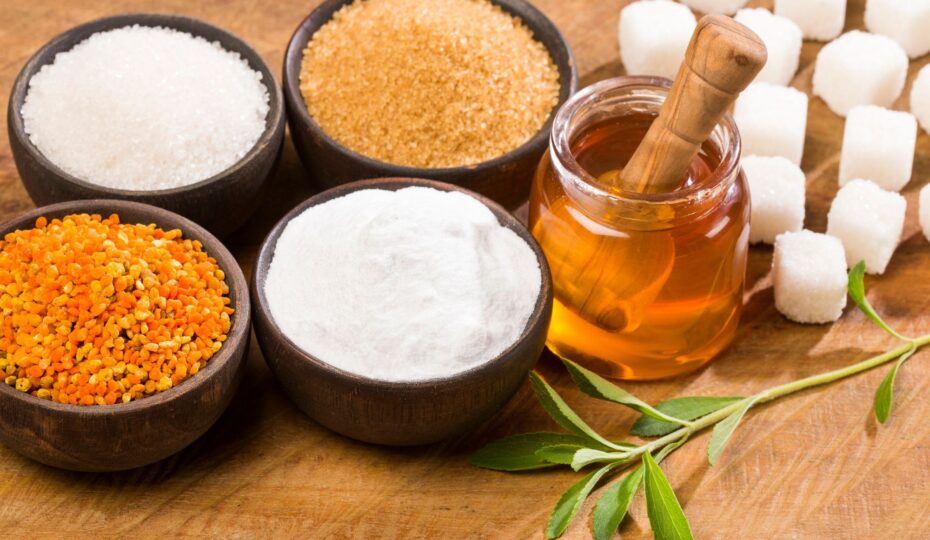
Clean-label sweeteners are becoming a popular choice in the food and beverage industry. As more consumers look for simple, natural ingredients, brands are moving away from artificial sweeteners and added sugars. Instead, they’re using sweeteners like stevia, monk fruit, allulose, and honey to create products that taste good and align with health-conscious goals. These sweeteners help meet consumer demand for transparency, better nutrition, and products made with recognizable ingredients.
This shift isn’t just about removing sugar; it’s about building trust. People are reading labels, checking sugar content, and choosing items with fewer artificial ingredients. Clean-label sweeteners allow manufacturers to offer great taste without compromising on health or quality. Whether used in beverages, baked goods, or snacks, they provide a way to support both better nutrition and cleaner product labels.
Why Clean Label Sweeteners Are Gaining Attention
Clean-label sweeteners are gaining strong momentum in the food and beverage industry. Consumers are reading ingredient lists more closely and looking for familiar, natural ingredients. The demand for reduced sugar products and alternatives to artificial sweeteners is driving food and beverage manufacturers to rethink how they formulate their products.
Natural sweeteners like stevia, monk fruit, honey, and allulose offer a sweet taste without added sugars or artificial ingredients. These sweeteners meet consumer expectations for better nutrition, fewer calories, and ingredient transparency. Clean label sweeteners are now central to product development in categories like baked goods, beverages, snacks, and functional foods.
What Are Clean Label Sweeteners?
Clean label sweeteners are sugar alternatives made from natural ingredients and free from artificial additives. Commonly used in food and beverage products, they support simple ingredient lists and recognizable names like stevia, monk fruit, honey, and allulose, each providing a sweet taste without added sugars or artificial sweeteners such as sucralose or aspartame. These sweeteners help brands meet consumer demand for healthier options and product labeling claims like “no artificial sweeteners” or “naturally sweetened,” allowing manufacturers to reduce sugar content without compromising flavor, shelf life, or nutrition.
Clean label sweeteners come from natural sources and are often used to avoid synthetic additives. As the FDA explains, some sugar substitutes are natural, and some are synthetic. Those that are not natural are synthetic and are sometimes referred to as artificial sweeteners. This distinction is important for consumers who want to avoid artificial ingredients in their food and beverage products.
Common Types of Clean Label Sweeteners
| Sweetener | Source | Calories | Notes |
|---|---|---|---|
| Stevia | Stevia plant | 0 | High intensity, zero-calorie sweetener |
| Monk Fruit | Monk fruit extract | 0 | Natural, often blended with erythritol |
| Allulose | Wheat, figs, etc. | 0.4 | Low-calorie, sugar-like taste and texture |
| Honey | Bees | ~64/tsp | Natural sugar with added nutritional benefits |
| Erythritol | Corn fermentation | 0.2 | Sugar alcohol is often used with stevia/monk fruit |
These clean-label ingredients are found in food and beverage products such as drinks, protein bars, bakery items, and sugar-free confections.
What Today’s Consumers Care About
Shifting Attitudes
Today’s consumers are more informed and selective. They check sugar content and ingredient lists before purchasing. Familiar ingredients, recognizable names, and health claims influence their purchase decisions. Artificial sweeteners like sucralose and aspartame are less appealing due to concerns about long-term health effects.
Proprietary research from manufacturers like Cargill and Tate & Lyle shows that label-friendly terms like “no artificial sweeteners” and “naturally sweetened” are more likely to increase sales. Consumer attitudes have shifted in favor of clean label ingredients.
Drivers of Consumer Demand
- Growing concerns about sugar-related health issues
- Desire for foods with fewer calories and added sugars
- Interest in better taste and fewer artificial ingredients
- Importance of transparency and product labeling
- Influence of pricing, especially for sugar alternatives like allulose and monk fruit
Brands that offer food and beverage products with clean label sweeteners are meeting these demands while creating healthier options.
Why Replacing Sugar Is a Real Challenge
Sugar’s Role in Food and Beverages
Replacing sugar is a challenge because it plays several key roles in food and beverage products beyond just adding sweetness. Sugar affects mouthfeel, volume, shelf life, and overall texture. These functions are especially important in baked goods, beverage products, and other processed foods where consistency and taste matter to both consumers and manufacturers.
When food brands try to reduce sugar content, they often face formulation challenges. Using high-intensity sweeteners like stevia or monk fruit may affect the texture or leave an aftertaste. To meet consumer expectations for great taste and familiar ingredients, product developers must balance sweetness, nutrition, and product stability without relying on artificial sweeteners or compromising the final result.
Formulation Challenges
Product developers face several challenges:
- High-intensity sweeteners like stevia can have bitter or lingering aftertastes
- Removing sugar may reduce viscosity or mouthfeel in beverages
- Consumers still expect a full, sweet taste without added sugars
To address these issues, manufacturers often blend clean label sweeteners with fibers, bulking agents, and flavors.
How Brands Are Meeting Consumer Expectations
Ingredient Solutions
To meet consumer expectations for clean label products, manufacturers are turning to natural sweeteners and label-friendly ingredient combinations. These solutions help reduce sugar content while maintaining sweet taste, texture, and nutritional benefits. By using clean label ingredients, brands can offer healthier options without relying on artificial sweeteners or added sugars, aligning with what today’s consumers desire.
Common ingredient solutions include stevia blended with erythritol for a balanced sweetness, monk fruit paired with soluble fiber for better texture and calorie control, and allulose for a sugar-like mouthfeel with fewer calories. Other options like chicory root and soluble corn fiber help improve both mouthfeel and nutrition, especially in functional beverages and food and beverage products aiming for a healthier image.
Industry Examples
Brands in the food and beverage industry are using advanced ingredient systems to meet consumer demand for clean label sweeteners. Cargill, for example, offers EverSweet combined with ClearFlo, a stevia-based sweetening system designed for beverage manufacturers looking to reduce sugar without affecting solubility or taste. This helps create beverage products that align with consumer expectations for natural ingredients and no artificial sweeteners.
Tate & Lyle also supports sugar reduction through its TASTEVA stevia and DOLICIA allulose solutions. These clean label ingredients give product developers flexibility when formulating reduced-sugar products across various categories, including baked goods and functional beverages. These systems are helping brands deliver sweet taste and nutritional benefits without compromising texture, flavor, or product labeling claims.
Clean Label in Beverages
Beverage Industry Shifts
The beverage industry is at the forefront of the clean label movement, with many manufacturers shifting to natural sweeteners. Growing consumer demand for better taste, nutrition, and recognizable ingredients has led brands to reformulate their products using clean label options.
This shift is especially noticeable in categories like sports drinks, fruit-flavored waters, and functional beverages with added vitamins. These drinks now often feature simpler ingredient lists that appeal to health-conscious shoppers.
Technical Solutions for Sweetness
To achieve the right level of sweetness with clean label ingredients, manufacturers often turn to blends using stevia, erythritol, and monk fruit. These ingredients can present technical challenges like off-notes or poor solubility, which require specialized solutions.
To address these issues, texturizers and modulators are added. For instance, EverSweet provides a quick onset of sweetness, ClearFlo improves solubility and masks bitterness, and soluble corn fiber enhances texture and body.
Clean Label and Sustainability
Consumer Expectations Around Sustainability
Clean label also includes how ingredients are sourced. Today’s consumers want brands that support environmental health. Natural sweeteners from regenerative agriculture or ethical sourcing are preferred.
Certifications and Traceability
Brands use third-party certifications like Regenerative Organic to show credibility. Products made from fermented stevia or organic monk fruit highlight both clean label and sustainable practices.
How to Choose the Right Sweetener
Matching Sweeteners to Products
| Product Type | Best Clean Label Sweeteners |
|---|---|
| Beverages | Stevia + erythritol, allulose |
| Baked Goods | Honey, monk fruit, soluble fiber |
| Confections | Allulose, stevia, erythritol |
| Supplements | Soluble corn fiber, monk fruit, stevia |
Key Questions for Manufacturers
Manufacturers selecting clean label sweeteners must consider the level of sugar reduction needed, the labeling claims that matter to their target customers, and any cost or shelf life constraints. These factors impact how a product performs in the market and how well it meets consumer expectations for healthier options, natural ingredients, and recognizable ingredient lists.
Product developers also need to understand how each ingredient affects sweet taste, texture, and overall product labeling. By working with ingredient suppliers, they can create custom blends of natural sweeteners that support sugar reduction goals without using artificial sweeteners or compromising taste and functionality.
Conclusion
Clean label sweeteners are changing how manufacturers approach sugar reduction. Stevia, monk fruit, erythritol, and allulose are helping brands replace sugar without losing sweetness or quality. Clean label ingredients support the needs of today’s consumers and give food and beverage manufacturers a way to improve nutrition and meet demand for natural products.
US Sweeteners supplies a wide selection of clean label sweeteners designed for real-world applications. Whether you’re reformulating beverages or developing better-for-you snacks, we provide the ingredients that meet modern standards. Contact us and explore our full range of clean label and natural sweeteners today.
FAQs
What are clean label sweeteners?
Clean label sweeteners are natural or minimally processed sweeteners made from recognizable ingredients. They contain no artificial ingredients or chemical additives and are often used in products that promote transparency and simple ingredient lists.
Are clean label sweeteners better than artificial sweeteners?
Yes. Clean label sweeteners are generally preferred over artificial sweeteners because they come from natural sources and align with consumer preferences for healthier, more transparent food products.
Which sweeteners are considered clean label?
Examples of clean label sweeteners include stevia, monk fruit, allulose, erythritol, honey, and chicory root fiber. These are used as sugar alternatives in beverages, baked goods, and other food products.
Why do consumers prefer clean label sweeteners?
Consumers prefer clean label sweeteners because they offer a natural sweet taste without added sugars or artificial ingredients. They also support health goals and make product labels easier to understand.
Can clean label sweeteners be used to replace sugar?
Yes. Clean label sweeteners can replace sugar in many food and beverage products. Manufacturers often blend natural sweeteners with fibers or other ingredients to match sugar’s taste and texture.