Flavoring Water Without Artificial Sweeteners

How Does Flavoring Water Without Artificial Sweeteners Work?

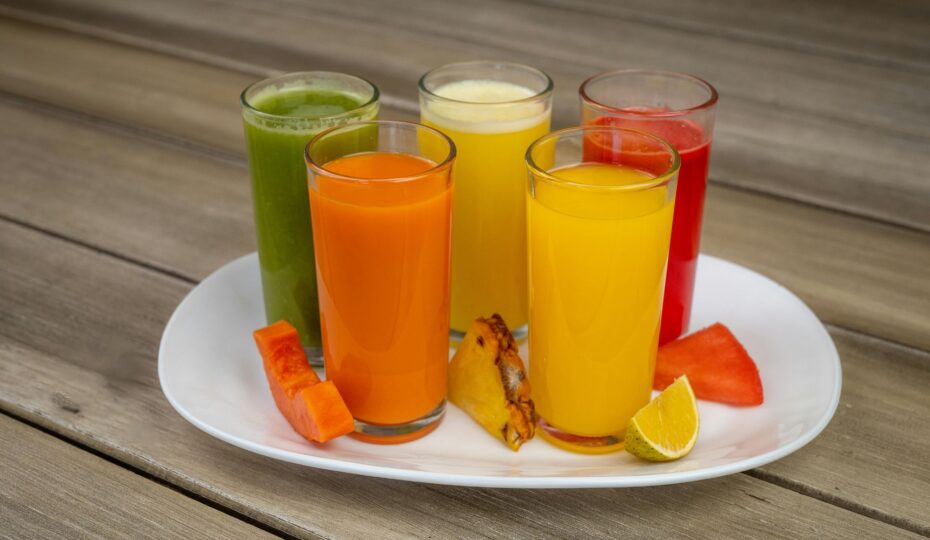
Flavoring water without artificial sweeteners is a way to add taste to water without using ingredients like aspartame or relying on added sugar. Instead of turning water into a soda-style drink, this approach focuses on light flavor, balance, and drinkability. Many people use flavored water to support hydration, replace sugary sodas, and make drinking water…
Sweetener for Cold Drinks

Sweetener for Cold Drinks for Beverage Manufacturers

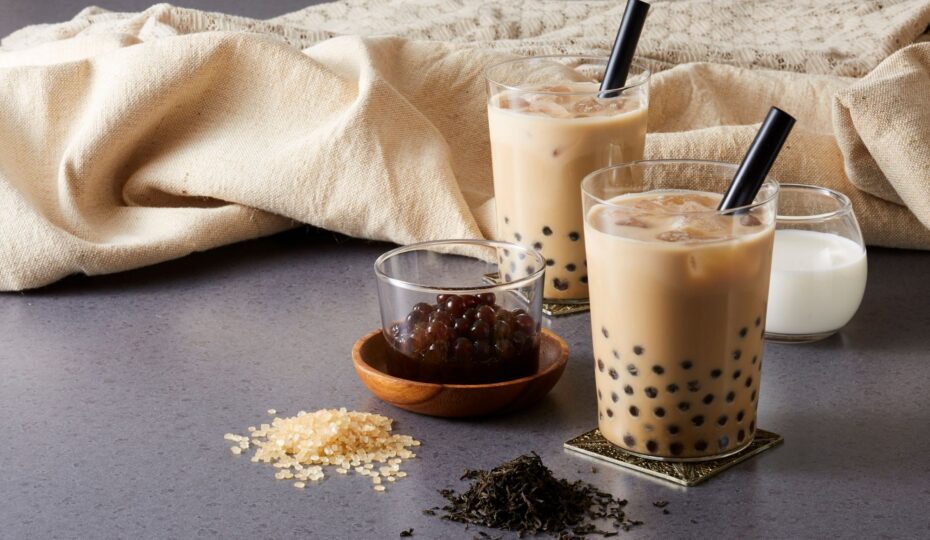
Choosing the right sweetener for cold drinks directly affects flavor, sweetness, calories, dissolution behavior, and labeling. Cold drinks behave differently from hot and cold drinks because low temperatures reduce perceived sweetness and can exaggerate bitterness or aftertaste. Beverage manufacturers working with iced coffee, iced tea, soft drinks, sparkling water, smoothies, and cocktails must account for…
Beverages Sweetened With Stevia

Beverages Sweetened With Stevia: What to Know

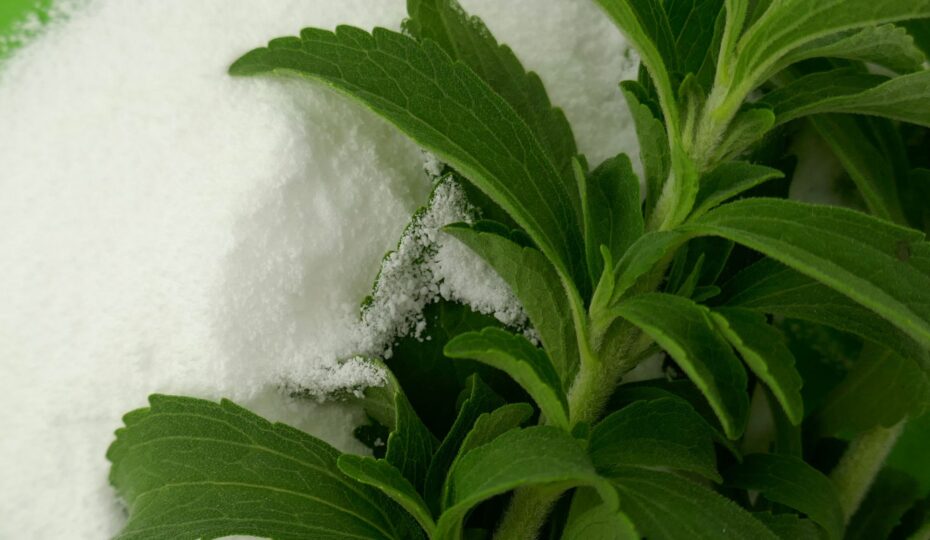
Beverages sweetened with stevia are now a core category for beverage manufacturers responding to demand for zero sugar and sugar-free drinks. Across soda, energy drinks, tea, and powdered drink mixes, stevia is used to reduce calories while keeping sweetness levels that meet consumer expectations. For manufacturers, stevia offers a way to reformulate sugar soda and…
Sugar for Cake Baking

Sugar for Cake Baking: Best Options for Manufacturers

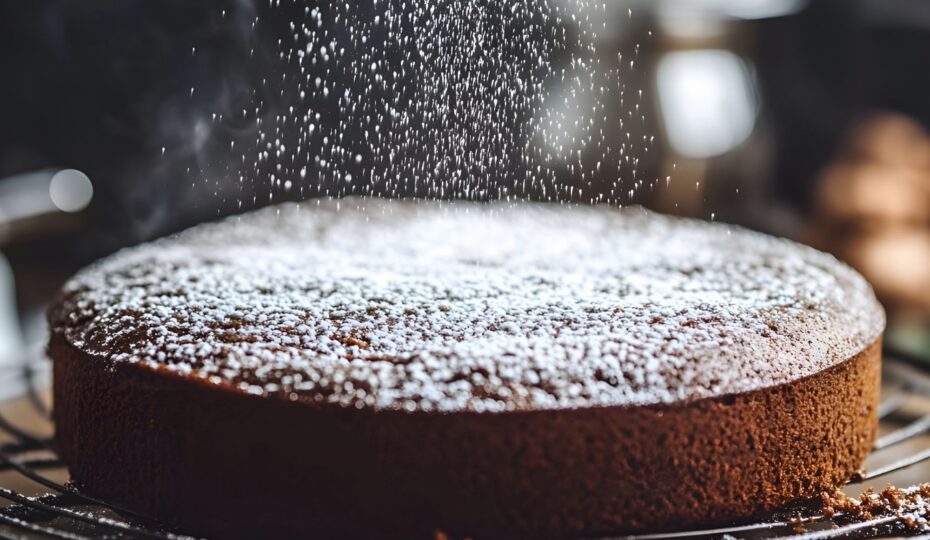
Sugar for cake baking plays a larger role than sweetness alone. In commercial baking, sugar affects texture, structure, color, moisture, and shelf life across cakes and other baked goods. The type of sugar used in a cake recipe can change how batter mixes, how cakes rise during the baking process, and how the final product…
Beverage Sweetener

Beverage Sweetener Solutions for Commercial Production

Beverage sweetener selection plays a direct role in taste, texture, label outcomes, shelf life, and production cost. In commercial drink manufacturing, a beverage sweetener does more than add sweetness. It affects mouthfeel, ingredient stability, solubility, and how the finished product performs during processing and storage. As beverage formulas expand beyond traditional sugar, manufacturers now work…
Fruit Juice Sweetener

Fruit Juice Sweetener Options for Beverage Manufacturers

Fruit juice sweetener plays a key role in beverage formulation because it delivers sweetness while supporting fruit-based ingredient positioning. Beverage manufacturers use fruit juice sweeteners to manage taste, sugar concentration, and product consistency across production runs. It is commonly used in juice drinks, flavored waters, teas, and functional beverages where sweetness must remain stable from…
What Is the Best Artificial Sweetener to Use in Baking

What Is the Best Artificial Sweetener to Use in Baking?

Choosing what is the best artificial sweetener to use in baking depends on how the ingredient performs under heat, how it affects structure, and how closely it supports consistent results. Artificial sweeteners can reduce sugar content, but they do not behave the same way as traditional sugar during mixing or baking. Without proper selection, baked…
Types of Sugar for Baking

Types of Sugar for Baking Used by Commercial Bakeries

Types of sugar for baking shape how baked goods perform from mixing through final storage. Sugar influences sweetness, structure, color, moisture retention, and texture. Commercial bakeries rely on consistent sugar behavior because even small variations can affect crumb, softness, and appearance. Using the right sugar helps maintain repeatable results across every batch produced. At US…

Liquid Sugar vs Granulated Sugar: What’s the Difference

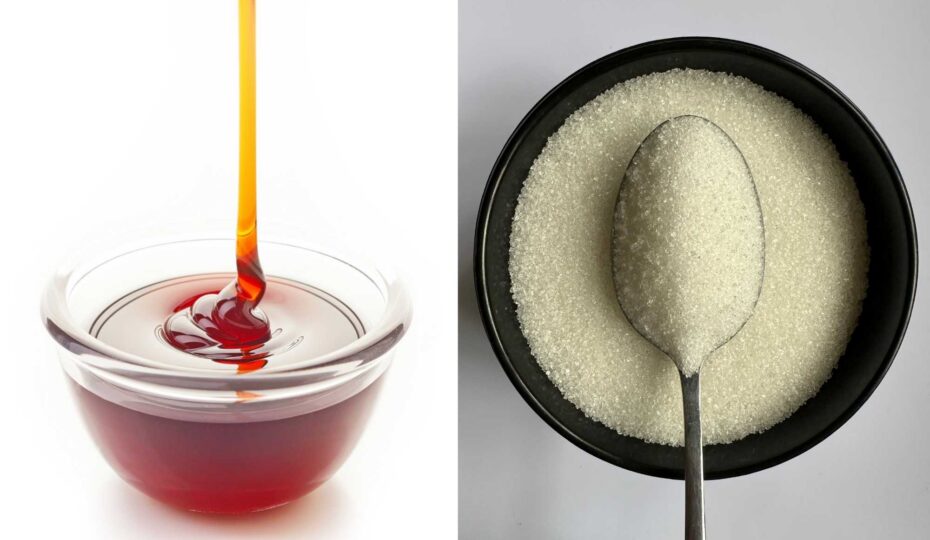
Liquid sugar vs granulated sugar is a common comparison for manufacturers who need consistency, reliable performance, and predictable behavior in food and beverage production. Both options offer sweetness, but they differ in how they mix, flow, store, and support various textures. Choosing the right format helps businesses maintain quality, meet production targets, and match specific…

Discover Erythritol Calories Per Gram

Discover Erythritol Calories Per Gram Erythritol is a sugar alcohol that provides sweetness with almost no calories. Unlike table sugar, which has 4 calories per gram, erythritol has only 0.24 calories per gram. This key difference explains why Erythritol Calories Per Gram is one of the most searched topics among food manufacturers and health-conscious consumers.…