
Best Brown Sugar: The Best Type for Food Manufacturers – US Sweeteners
If you work in product development or procurement, you already know why brown sugar for food manufacturers is a popular choice. It adds dependable moisture, colour, and molasses flavor to recipes across bakery, sauces, confections, and beverages.
Brown sugar is made by adding molasses to white sugar crystals, resulting in its characteristic color and taste. When comparing brown and white sugar, the key differences are that brown sugar contains more molasses, which gives it higher moisture content, a richer flavor, and a softer texture than white sugar.
This guide explains how brown sugar for food manufacturers differs by grade, source, and granulation, and how each option behaves on your line. Beyond the standard light and dark brown sugar, there are also different forms of brown sugar—such as unrefined, raw, and refined—which impact both flavor and texture. Use it to match specifications to outcomes and to buy brown sugar with confidence.
Introduction to Brown Sugar
Brown sugar is a staple ingredient in kitchens and food manufacturing around the world, prized for its rich, complex flavor and signature dark brown color. Unlike white sugar, which is made by fully refining sugar cane or sugar beets into pure white sugar crystals, brown sugar is created by adding cane molasses back to those crystals. This process gives brown sugar its characteristic moisture, soft texture, and deep, caramel-like notes that enhance both sweet and savory dishes.
The amount of molasses blended into the sugar determines whether you have light brown sugar or dark brown sugar. Light brown sugar contains a smaller amount of molasses, resulting in a subtle, mellow flavor and a lighter brown hue—perfect for recipes where a gentle touch of sweetness and color is desired. Dark brown sugar, on the other hand, boasts a higher molasses content, delivering a more pronounced, robust flavor and a deeper, dark brown color. This makes it ideal for baked goods like gingerbread, spice cakes, and rich desserts, as well as savory dishes that benefit from a hint of sweetness and complexity.
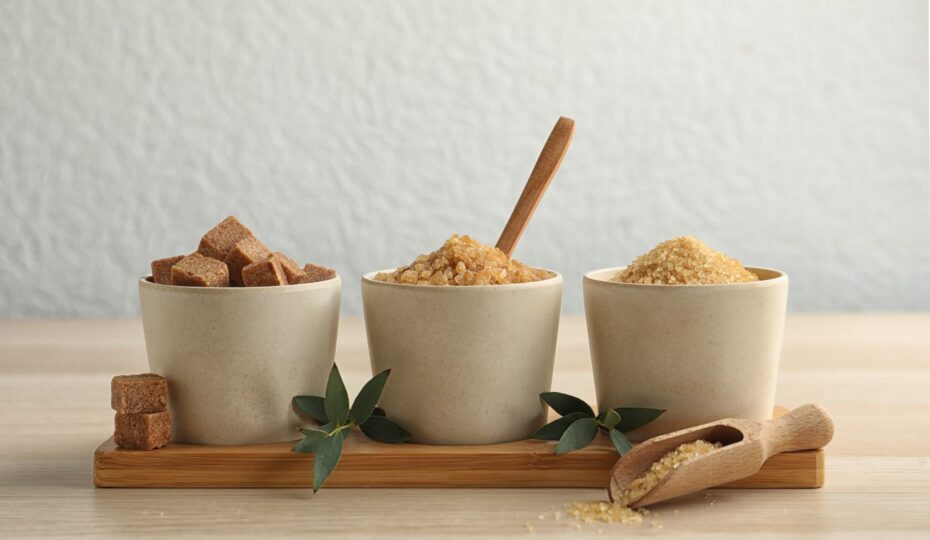
Beyond the standard light and dark brown sugar, there are specialty varieties that offer unique textures and flavors. Muscovado sugar, for example, is an unrefined brown sugar with a high molasses content, giving it a sticky, moist texture and an intense, almost smoky flavor. It’s a favorite in recipes that call for bold, dark notes. Turbinado sugar, another popular option, is made from raw sugar cane and features large, golden crystals with a subtle molasses taste—often used as a crunchy topping for muffins, pastries, and desserts.
Brown sugar’s appeal goes beyond taste and texture. Because it retains a small amount of moisture from the molasses, it helps keep baked goods soft and moist, and can add a glossy finish to glazes and sauces. While brown sugar does contain trace minerals and a small amount of vitamins like calcium, potassium, and iron, these are present in minimal quantities. It also contains fructose, which some find easier to digest than the sucrose found in white sugar, but it’s important to remember that brown sugar is still a form of sugar and should be enjoyed in moderation.
With options ranging from fair trade and organic to conventional, brown sugar is a versatile choice for food manufacturers and home bakers alike. Whether you’re crafting cakes, cookies, savory sauces, or world-inspired desserts, brown sugar brings a depth of flavor and a touch of sweetness that white sugar simply can’t match. Its ability to enhance recipes with both subtle and bold notes makes it an essential ingredient for anyone seeking to elevate their cooking and baking.
What Brown Sugar Is and How It’s Made
Brown sugar is refined cane sugar or beet sugar that has molasses added back to the crystals after the refining process, or it is produced by controlling how much molasses is removed in the first place. Traditional unrefined sugar is made by boiling sugarcane juice into a thick syrup, which is then cooled and crystallized. During this process, the liquid evaporates, leaving behind concentrated sugar crystals. Molasses is a by-product of the sugar refining process, and it can be blended back into refined sugar to create brown sugar. Sugarcane is the primary raw material for most brown sugar, and unrefined sugar varieties retain more of the natural molasses and minerals from sugarcane. In practice, light brown sugar contains a small amount of molasses, while dark brown sugar carries more molasses for a deeper caramel profile and darker colour. Both are granulated, flow through standard feeders, and dissolve well in wet systems.
According to research, brown sugars are produced by mixing white sugar with varying amounts of molasses more molasses creates a darker color and stronger molasses flavor; during purification, the molasses surrounding growing sugar crystals is removed to form refined sugar, which can later be blended back with cane molasses to dial in color, moisture, and flavor, and the regular fine granules are designed for bulk handling with reduced caking.
Light Brown Sugar vs. Dark Brown Sugar
Light brown works when you want a mild molasses flavor, soft colour, and clean sweetness. It supports baking tasks like cookies, cakes, buns, and bread, and it helps retain chew without making the dough sticky. Many recipes calling for subtle caramel notes and fast dissolution will specify light brown sugar because it delivers sweetness with minimal shift in pH or water activity.
In addition to light and dark brown sugar, there is also a medium brown sugar option, which has a molasses content and flavor profile that falls between the two. There are three types of brown sugar—light, medium, and dark—each with different molasses content and flavor intensity. The slight differences in molasses content among these types can impact the sugar’s flavor, color, and texture in your recipes.
Dark brown suits formulas that need a stronger flavor and a deeper colour. Think gingerbread, spice cakes, BBQ sauce, and rubs. The more molasses content raises moisture and can slightly change spread, set, and surface colour. In larger mixers and feeders, dark brown can stick to metal if relative humidity runs high, so plan for sealed packaging, controlled storage, and short staging times.
Cane Sugar vs. Beet Sugar
Most brown sugar for food manufacturers is made with cane molasses because the flavor is round and sweet with familiar bakery notes. Cane sugar blends back easily and aligns with the taste profile many brands want. Raw cane sugar (unrefined or lightly refined) retains trace minerals and a light gold colour, though the nutritional difference is minor at serving levels.
Beet sugar is common in refined formats like white beet sugar and performs well where a neutral taste is the goal. When you want a classic brown profile, cane-based molasses usually wins because beet molasses can run earthy or bitter. For consumer labels, both sources remain sucrose, so your choice is led by flavor, process fit, and supply.
Composition and Specs That Matter
Formulators care about solids and functional impacts. The backbone is sucrose with trace glucose and invert sugar from molasses. Moisture, ash, and colour bands guide how the sugar will brown, dissolve, and hydrate.
Granulation affects flow, dust, and dissolution speed. In most systems, light and dark grades match refined white sugar in sweetness, while the molasses shifts color and aroma.
Performance in Products People Eat
In baking, light brown sugar supports spread control and a tender bite, while dark brown sugar pushes color and chew. Cakes and bread benefit from the mild humectancy and surface browning that molasses promotes, while cookies hold softness for longer in ambient storage. When a recipe calls for “light brown” or “dark brown” sugar, you can assume the developer balanced flavour, colour, and texture around that choice. When substituting brown sugar in recipes, measurements are often given in cups or tablespoons, so accurate measurement is important for consistent results.
In savory and sweet food systems, dark brown sugar builds caramel and spice-friendly notes for sauces, glazes, and fillings. Beverages and coffee syrups often start with light brown or a custom blend to get quick dissolution and a clean finish. A coffee shop will notice how the grade changes the latte foam color and the syrup’s line viscosity. Specialty sugars like demerara or muscovado can sometimes be used in place of standard brown sugar, but may require adjustments to the recipe. Across these uses, brown sugar for food manufacturers gives reliable solubility and scale-up behavior that store brands sometimes fail to match.
Switching From White to Brown
You may wonder how switching from white to brown sugar will affect your product, especially in terms of texture, flavor, and processing.
If you’re moving from refined white sugar to brown, track moisture and invert sugar. A small shift in solids can change set time, spread, and shelf life. For dry mixes and extruded snacks, favor tight granulation windows and sealed packaging to prevent caking. For wet systems, confirm pH drift and color targets through a short pilot before locking specs.
When replacing light with dark brown, plan for added molasses flavor and a deeper hue. In doughs, reduce other liquids slightly if you see longer bake times or crust softening. In sauces, the molasses added may push color faster in the kettle, so adjust heat input to avoid over-browning. For RTD beverages, fine-grind or dissolve hot to avoid undissolved crystals. Brown sugar is sold in a variety of forms and packaging options, allowing both manufacturers and consumers to choose the best fit for their needs.
What to Ask When Buying Brown Sugar
Start with the application and let that define the grade: light brown sugar for mild colour and aroma; dark brown sugar for stronger flavor and deeper colour. Confirm granulated size, moisture bands, and invert sugar caps. Ask for current COAs, sample retain policy, and palletization details. If you buy brown sugar in super sacks, check the liner spec, stitch pattern, and stacking limits. For smaller quantities, ensure the brown sugar is stored in a resealable bag or plastic bag to prevent hardening and clumping during storage.
Ask about source (cane vs beet), packing site audits, and freight lanes. If you’re comparing store brands to industrial supply, check lot traceability, sieve profile, and whether the vendor can hold a color IU band across quarters. A reliable program for brown sugar for food manufacturers should come with clear specs, consistent processing, and regular QC support.
When to Choose Another Option
Raw sugar styles like turbinado and demerara sugar have larger crystals, lower moisture, and subtle molasses notes. They add crunch and sparkle to toppings but will not deliver the same texture or color shift as standard brown sugar. Unrefined brown sugar, like muscovado sugar, is sticky, dark, and intense; it is useful when you want a bold profile and visible molasses character. South America, particularly countries like Paraguay, is a major producer of organic brown sugar and raw cane sugars, making the region an important source for high-quality, unrefined sweeteners.
International styles such as jaggery or piloncillo bring regional taste cues and label appeal, yet they can challenge flow and dosing. Honey is a natural sweetener with floral notes, but it changes water activity and color and may not fit cost or label goals. Keep white sugar/table sugar for neutral sweetness. Keep brown cane sugar when you want molasses-linked flavor and color without reformulating your base.
Storage and Handling
Brown sugar holds moisture, so protect it from humidity swings. Keep bags sealed, stage product for short windows, and avoid open bins. If clumping occurs, break down gently before dosing. In silos or hoppers, monitor RH and consider vibration or agitation if you see product sticking to walls.
Plan rotation to keep texture fresh. If a pallet hardens, gentle warmth and time in a sealed container can relax the mass. Watch for sticky surfaces if ambient humidity runs high. With sound storage, brown sugar for food manufacturers stays free-flowing and ready for line use.
Choosing the best brown sugar for food manufacturers comes down to grade, source, and spec. Light brown sugar keeps its color and sweetness mild, while dark brown sugar adds more molasses flavor and deeper color. Cane molasses delivers the classic profile; beet sugar stays neutral. Lock moisture, invert sugar, and granulation, then manage humidity for steady flow and repeatable results.
At US Sweeteners, we provide consistent brown sugar for food manufacturers with clear specs and reliable shipping. Contact us to know more and request a quote. We’ll help you choose the best that you need.
FAQs
Is brown sugar healthier than white sugar?
No, both are mostly sucrose with similar calories, and the extra minerals in brown sugar are traced.
What’s the difference between light brown and dark brown sugar?
Light brown has a small amount of molasses and a milder colour, while dark brown has more molasses for a stronger flavor and deeper colour.
Can I swap white sugar for brown sugar 1:1 in baking?
Often yes, but expect changes in colour, moisture, and texture, so run a pilot.
Is turbinado or demerara the same as brown sugar?
No, they are raw sugar styles with larger crystals and lighter molasses notes, better for toppings and crunch.
Should I choose cane or beet for brown sugar?
Most programs use cane molasses for classic molasses flavor; beet works well for neutral refined profiles, but is less common for brown sugar blends.

Thomas is a product expert at US Sweeteners, a trusted bulk sugar and sweetener distributor serving food and beverage manufacturers across the USA. He writes about sweetener sourcing, ingredient trends, and supply chain insights for the food industry.